Please sign in as a member or guest below to access it.
Please sign in as a member or guest below to access it.

Did we invent the corn dog? How many sitting U.S. presidents have attended? Why can’t I get that Rodgers and Hammerstein song out of my head?
For 133 years, the end of September
has meant one thing for Texans: time to kick off the State Fair of Texas. From
corn dogs to pig races, auto shows to games on the midway, some of Texas’ most
unique, colorful, and beloved traditions take place in Dallas’ Fair Park every
fall.
You may think you know everything
there is to know about the fair, but here are real-life tall tales about the
State Fair of Texas that every Texan needs to hear. You can use this knowledge
to wow your fellow fairgoers with all your State Fair trivia or argue over
where the corn dogs you are eating were invented.
Dallas’
civic leaders hatched the idea for a state fair in Big D in 1886, but
organizers were split over where it should be located. During the first year,
the Texas State Fair & Exposition was held on ground north of the city,
while the Dallas State Fair took place on the tract of land where Fair Park is
today. A year later, facing financial losses, the two fairs resolved their
differences and merged. Since then, the grounds of Fair Park have hosted every
single edition of the fair but for five years. In 1918, the fair was canceled
because an army unit used Fair Park as a training ground before heading out to
World War I. From 1942–1945, the fair was canceled because of World War II.

It’s a point of fierce pride: the corny dog was introduced at the State Fair by Carl and Neil Fletcher in 1942. But there is some evidence that the idea of dipping a sausage in cornmeal batter dates back to German Texan immigrants. Nevertheless, that hasn’t stopped Fletcher’s dog from becoming the most iconic corn dog in the business. Even Julia Child had to come to Texas for a taste.

When Big Tex, the jolly
“howdy”-hollering cowboy, went up in flames in 2012, it broke the deep heart of
Texas. Since then, Big Tex has been revived and animated, and he is bigger and
better than ever. But the Tex we lost was a unique find. The enormous
papier-mache cowboy got his start as an oversize Santa Claus sitting atop a
department store in Kerens. Fair organizers slapped some blue jeans on him,
gave him a shave, and the rest is history.

At the turn of the century, the
State Fair faced a crisis. In 1903, the Texas Legislature banned betting on
horses, which had been the principle source of income for the fair since the
very beginning. Fearing the collapse of a treasured community asset — but lacking
the funds required to host it each year — fair organizers came up with a
solution: Sell the fairgrounds to the city of Dallas with an agreement that
ensured the city would hold the annual exposition each fall.

Sure, two sitting U.S. presidents have visited the State Fair of Texas (William Howard Taft in 1909 and Woodrow Wilson in 1911), and the fair was the subject of a Rodgers and Hammerstein Hollywood musical starring Ann-Margret. But the State Fair has also welcomed royalty. That’s right — in 1956, a fresh-faced Elvis Presley played to raucous crowds at the Cotton Bowl only a few weeks after he exploded American popular culture with his first performance on The Ed Sullivan Show.
We’ve got lots more Texas history and trivia for you. Learn more about chili, Frito pie, the Texas Rangers, and Dr Pepper here.
Bring Back the Past With These Canning Recipes
Brighten up your kitchen with canned food from your garden.
How German Traditions Shaped Christmas in Texas
Nutcrackers, candlelit pyramids, Moravian stars, and more.
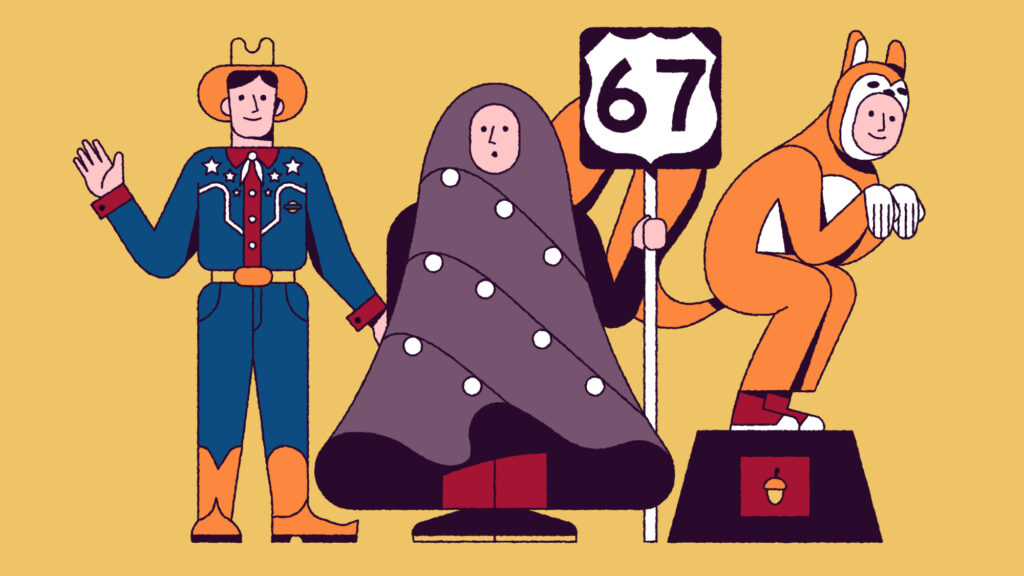
6 Texas-Inspired Halloween Costumes
“Howdy Halloween, folks!”
The Story Behind Young County’s Newest Pecan Orchard
Ryan Mote is revitalizing land owned by three generations of his family.
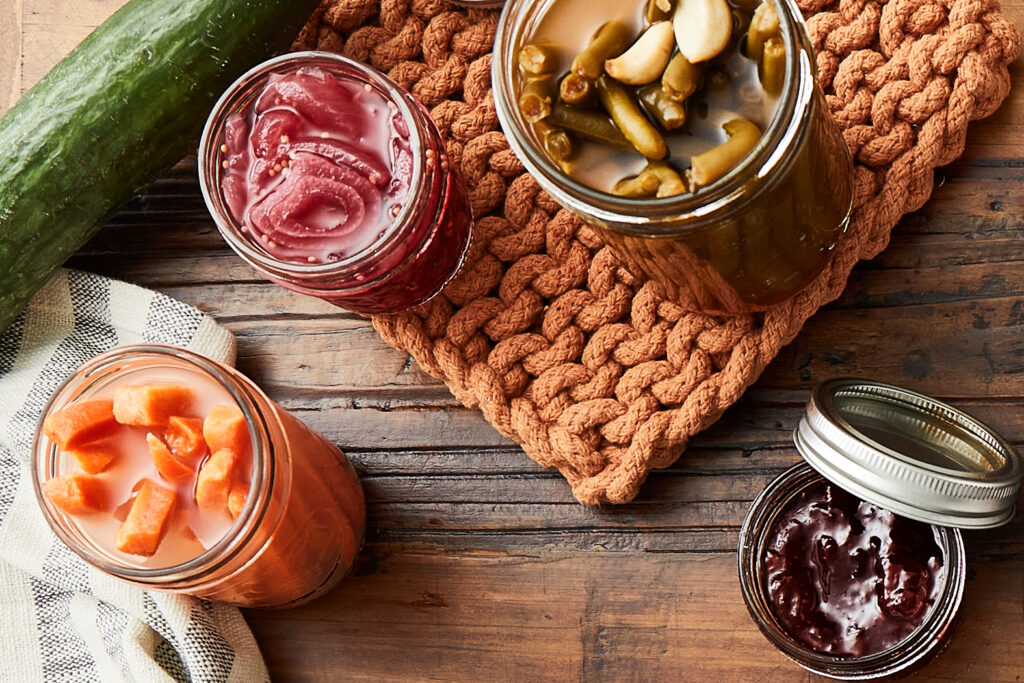
How to Preserve Food: The Ultimate Guide
Discover the timeless techniques of food preservation, from pickling to smoking. Reconnect with historical practices that not only offer lasting flavors but also embrace sustainability and zero-waste living.
The tradition of afternoon tea dates to Victorian England, to the Duchess of Bedford’s afternoon craving for a dignified pick-me-up.