Please sign in as a member or guest below to access it.
Please sign in as a member or guest below to access it.

These seven filmmakers perfectly captured slices of life in Texas.

Considering
its epic landscapes, wild history, larger-than-life characters, and many quirks
and ticks, it is no surprise that Texas has been the setting of more than a few
incredible documentary films.
There’s no singular characteristic that defines a Texas documentary. Filmmakers have turned their lens on cultural oddities, political subjects, sports, crime, and music. Together, Texas documentaries have helped to shape and reinvent the genre, helping to push narrative nonfiction filmmaking into new frontiers.
There
are honestly too many great Texas documentaries to choose from, but for now, here
are seven absolute essentials.
The
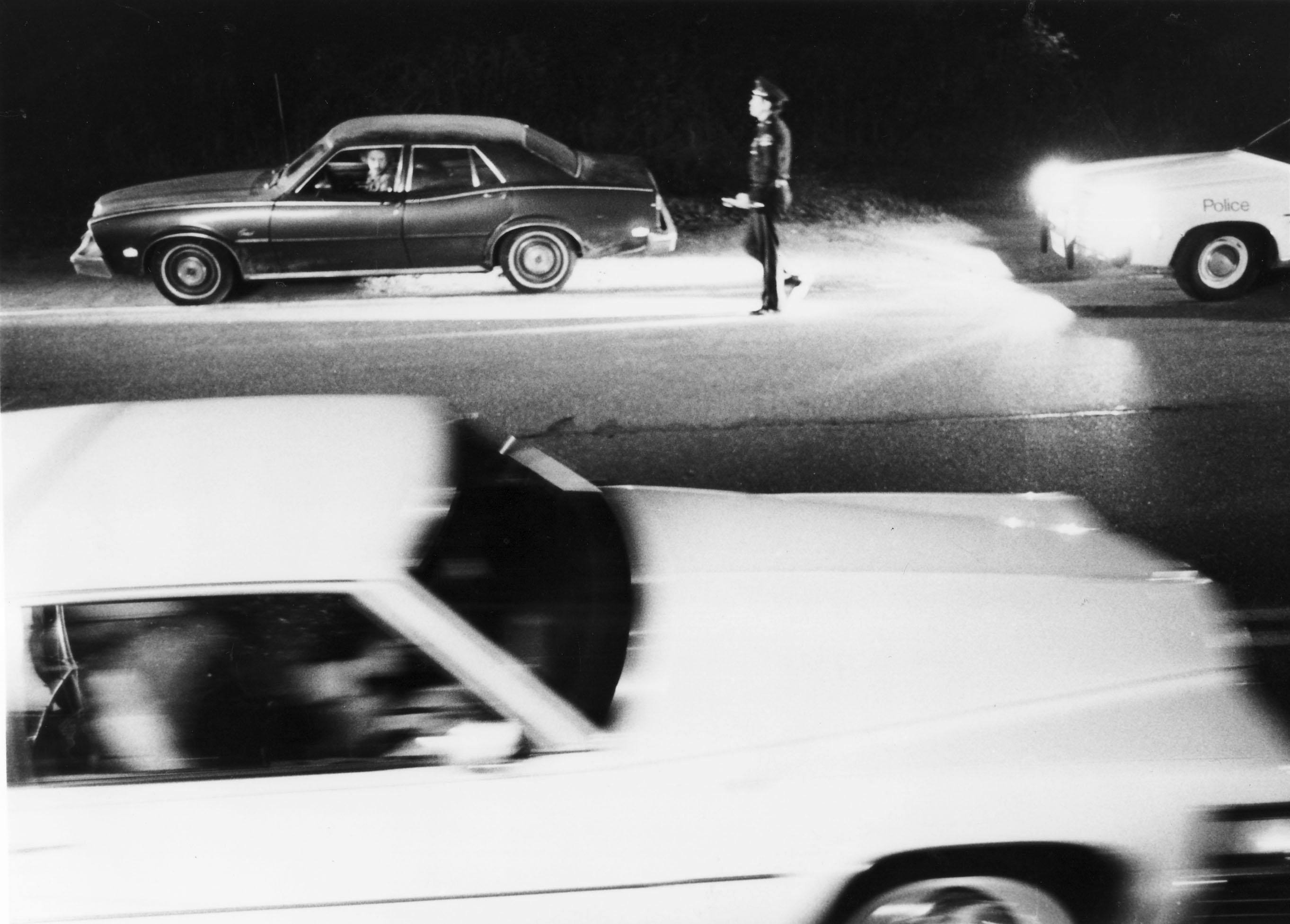
style and tone of Errol Morris’ breakthrough film The Thin Blue Line may
feel familiar to viewers given our Netflix-fed, true crime-saturated media
diet, but it was the movie that revolutionized the genre when it was first released
in 1988.
A
handful of unreliable narrators spin a tale of a cop-killing on a quiet road in
Dallas. The right man was locked up for the crime — or was he? The Thin Blue
Line is prescient in the way it calls into question not only the way
official narratives shape the parameters of power but also how the way we
understand the past is blurred by our memories of experiencing it.

When
photographer Elliott Erwitt traveled from New York to Kilgore in 1972, he might
as well have been entering another universe. Kilgore, of course, is the
birthplace of the Kilgore Rangerettes, the original majorette drill team that
was founded in 1940. Erwitt followed the girls from tryouts to halftime,
capturing plenty of towering hairdos, colorful costumes, and drilling, kicking,
dancing, and pizzazz. Rarely has Texas’ local color been captured so vividly.

The
premise is so simple. Twenty-four contestants place their hands on a truck, and
whoever can keep them there the longest wins the truck. But in S.R. Bindler’s
film, which follows the competition over four grueling days, the game becomes a
way to enter into the lives of the people taking part in the truck contest. Who
would dig so deep for the chance to win a four-by-four and why? The deceivingly
simple story has gone on to inspire a radio program, a movie, and a musical.
The
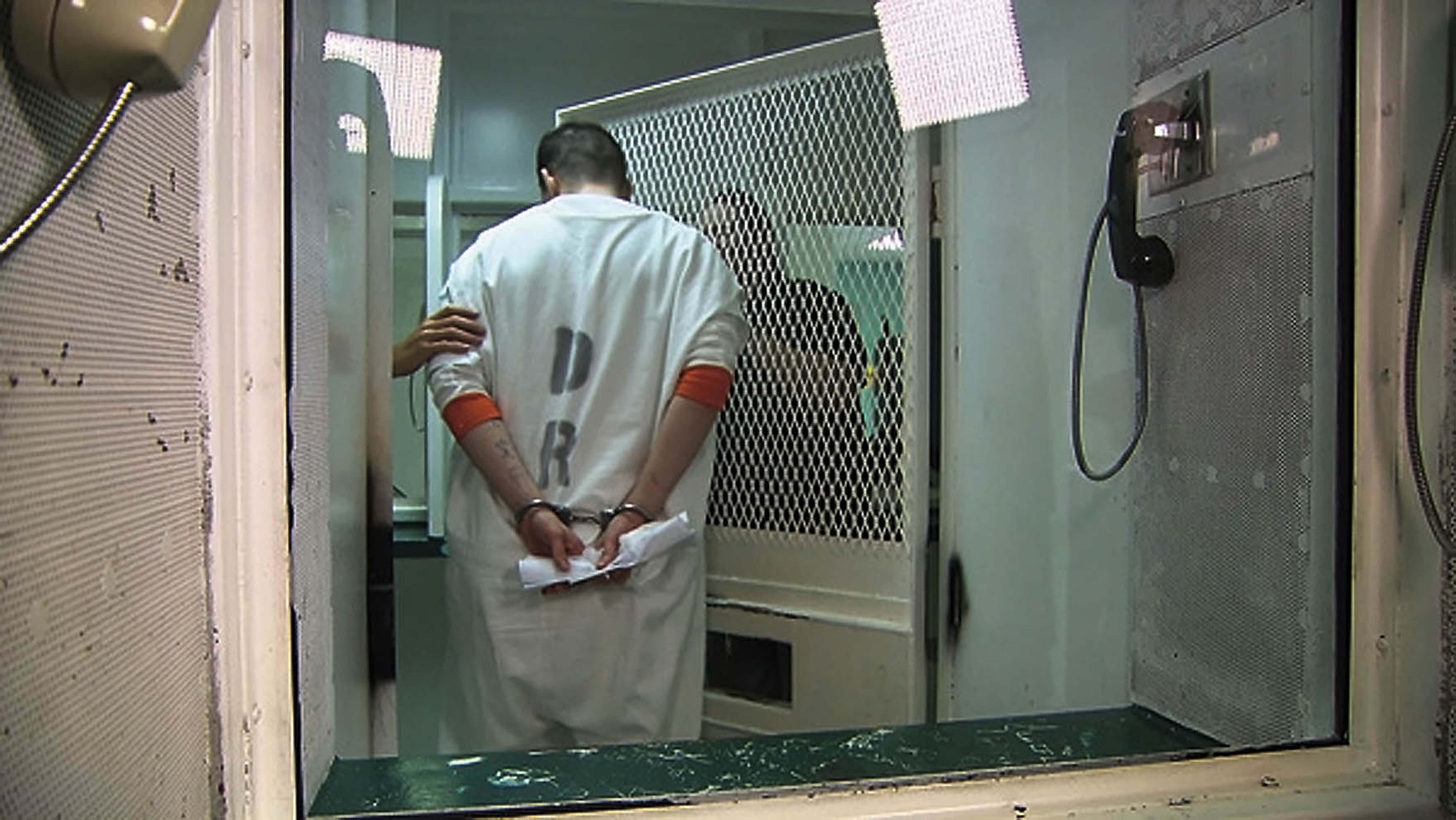
crime was horrific: a 50-year-old nurse killed by a man who seemed only
interested in taking her car for a joyride. After the murder, Michael Perry was
convicted and sentenced to death row. That’s where legendary German filmmaker
Werner Herzog found Perry, and through interviews with the convict and people
connected with the crime, he stitches a kind of psychological profile of
trauma. Into the Abyss is not so much about a crime but rather about the
implications of a murder and how a senseless killing has affected the
perpetrators, the victims, and their families.
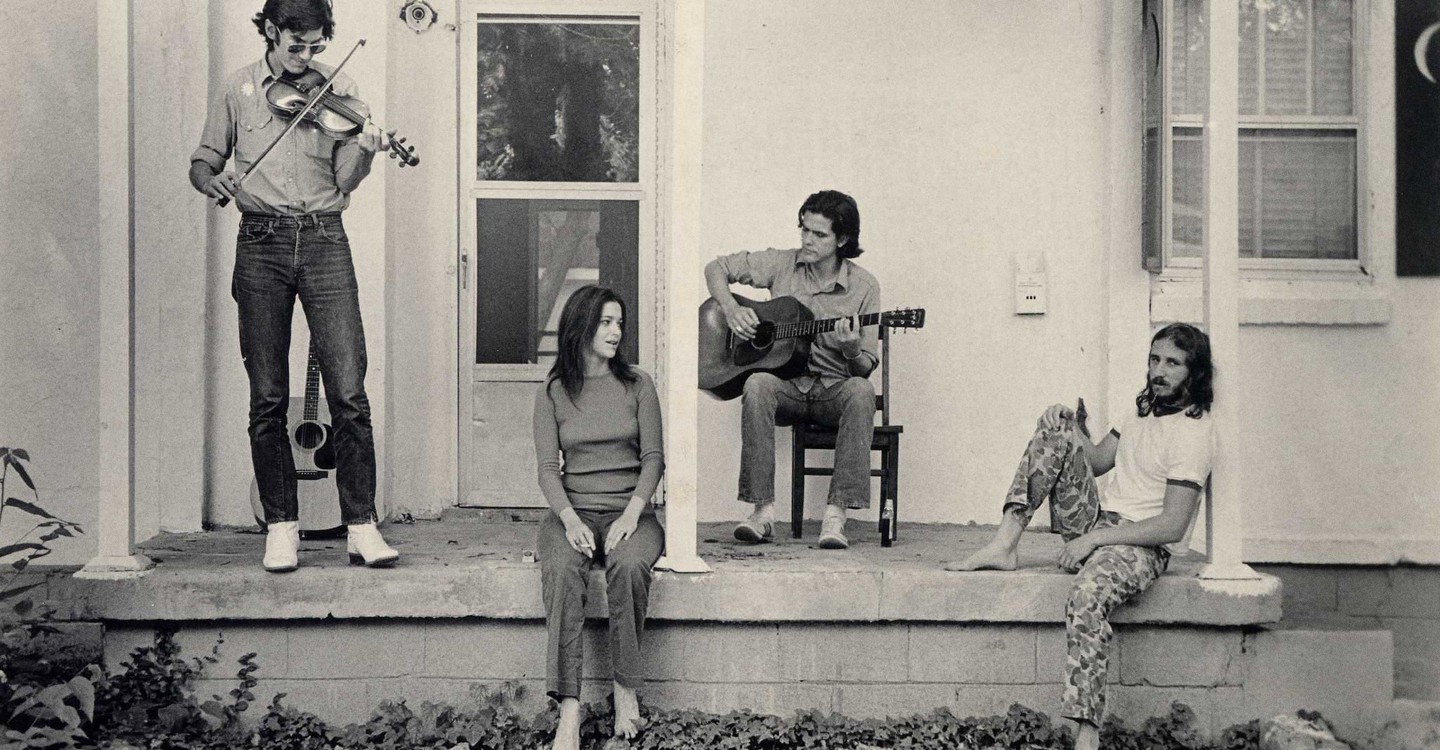
When Townes Van Zandt died in 1997, he was the greatest American songwriter no one ever had heard of. In 2004, Be Here to Love Me did much to revive Van Zandt’s image in the popular imagination — not that it was an entirely positive one. The undeniable genius lived a difficult life characterized by broken relationships, hard living, and self-destruction, like many of the heroes of his songs. But Be Here to Love Me also shows how beneath a broken kind of man was a genius unlike any other — and a Texan who gave the world some of the greatest folk songs ever written.

It
was only 96 minutes in history, but the terrifying moments when Charles Whitman
held the University of Texas at Austin campus hostage by raining down bullets
from the school’s iconic tower changed Texas forever. The 2016 animated
documentary recreates those harrowing moments with a sensitivity that honors
those who suffered America’s first mass school shooting, while taking stock of
the event’s implications on American life.

One
of the best installments of ESPN’s 30 for 30 documentary series was a film
about the infamous Southern Methodist University football scandal. In the early
1980s, the NCAA found that the school was paying athletes to play for its
football team. The documentary walks us back through history to the story about
how one of the greatest college football teams in America was brought to its
knees. The fall from grace plays off the culture of greed and power that
dominated Dallas in the early 1980s. SMU’s football program has never been able
to recover from the so-called “death penalty” that was administered to the
school as punishment for the scandal. But Pony Excess is about more than a
school and football, and it reckons with the players’ true loss.
Find more Texas film history here.
©
2019 Texas Farm Bureau Insurance

8 Social Distancing Activities to Bust Boredom
Explore the great indoors like never before.

The Ultimate Guide to Texas River Tubing
Which river to choose, what to bring, and where to jump. We have your answers here.
Pinch, peel, eat, repeat!

10 Ways to Spend Valentine’s Day In Texas
For couples and singles alike.

How to Preserve Food: The Ultimate Guide
Discover the timeless techniques of food preservation, from pickling to smoking. Reconnect with historical practices that not only offer lasting flavors but also embrace sustainability and zero-waste living.
Where to Find the Best Fall Foliage in Texas
Autumn in Texas can be breathtaking.