
Please sign in as a member or guest below to access it.
Please sign in as a member or guest below to access it.

Transform your green thumb and your green space with these easy homemade tricks.
The
trees may be bare and the wind biting, but turn your mind to spring
— because now is the perfect time to prepare for the planting season.
Cold
winter months offer an opportunity to take stock of your year’s gardening
ambitions and plan for a good harvest. With these clever homemade gardening
hacks, preparing will be easier than ever.
This is not juice you’d want to drink, but it’s one of the best things you can do to up your garden game. Named after Texas gardening guru J. Howard Garrett, Garrett Juice is a magical mixture of a few simple ingredients: 1 gallon of water, 1 cup of compost tea, 1 ounce of liquid seaweed, 1 ounce of apple cider vinegar, and 1 ounce of molasses. Keep a jug of it on hand, because the resulting concoction can be used as both a natural fertilizer and a protection against a variety of garden pests. You can also add to your potion for additional benefits.
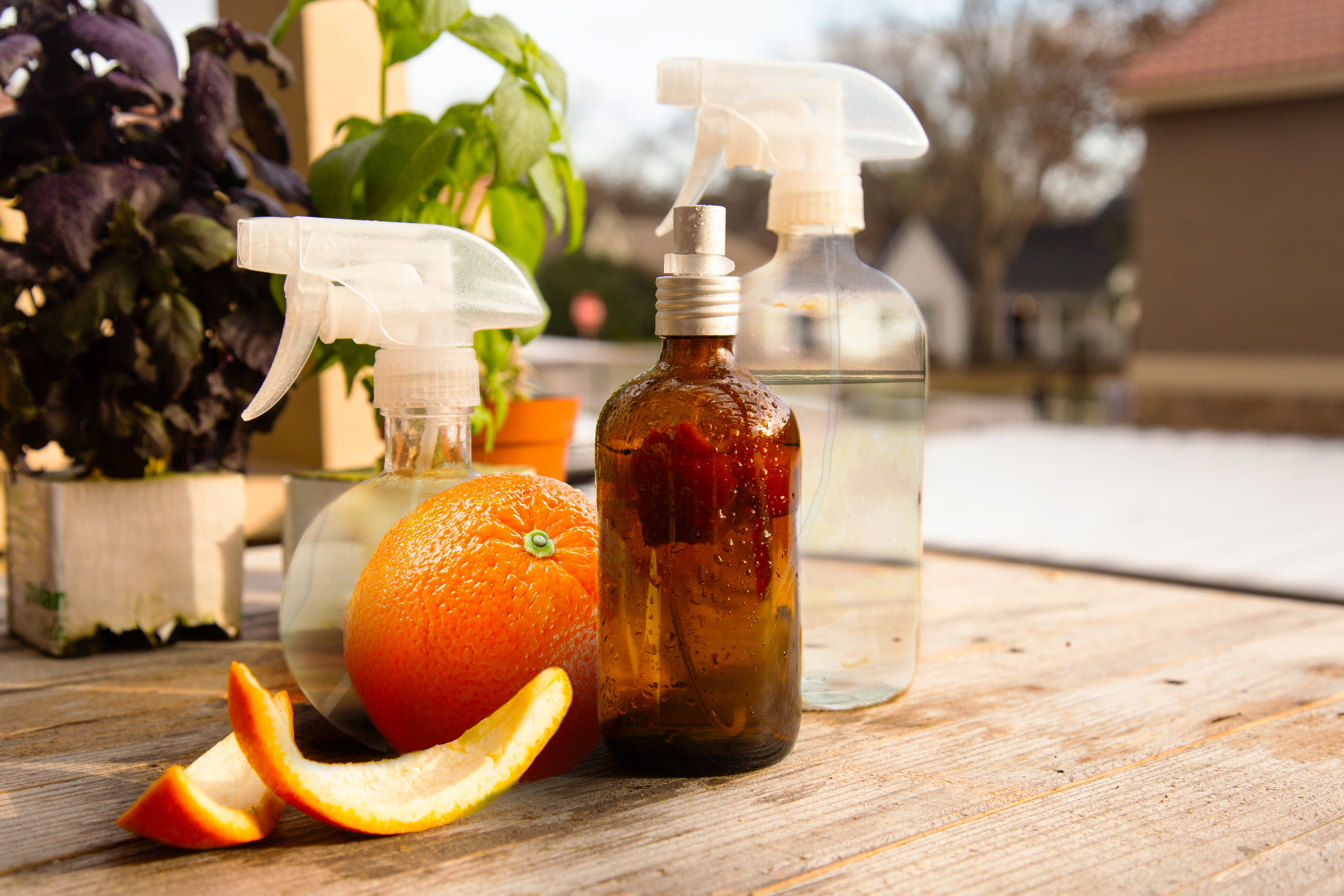
Another
effective measure against pests is as easy as soaking old orange peels. Bring 4
cups of water to a boil, remove from heat and add 2 cups of orange peels. Cover
the pot and steep until the water is cool. Strain to produce a powerful natural
pesticide.
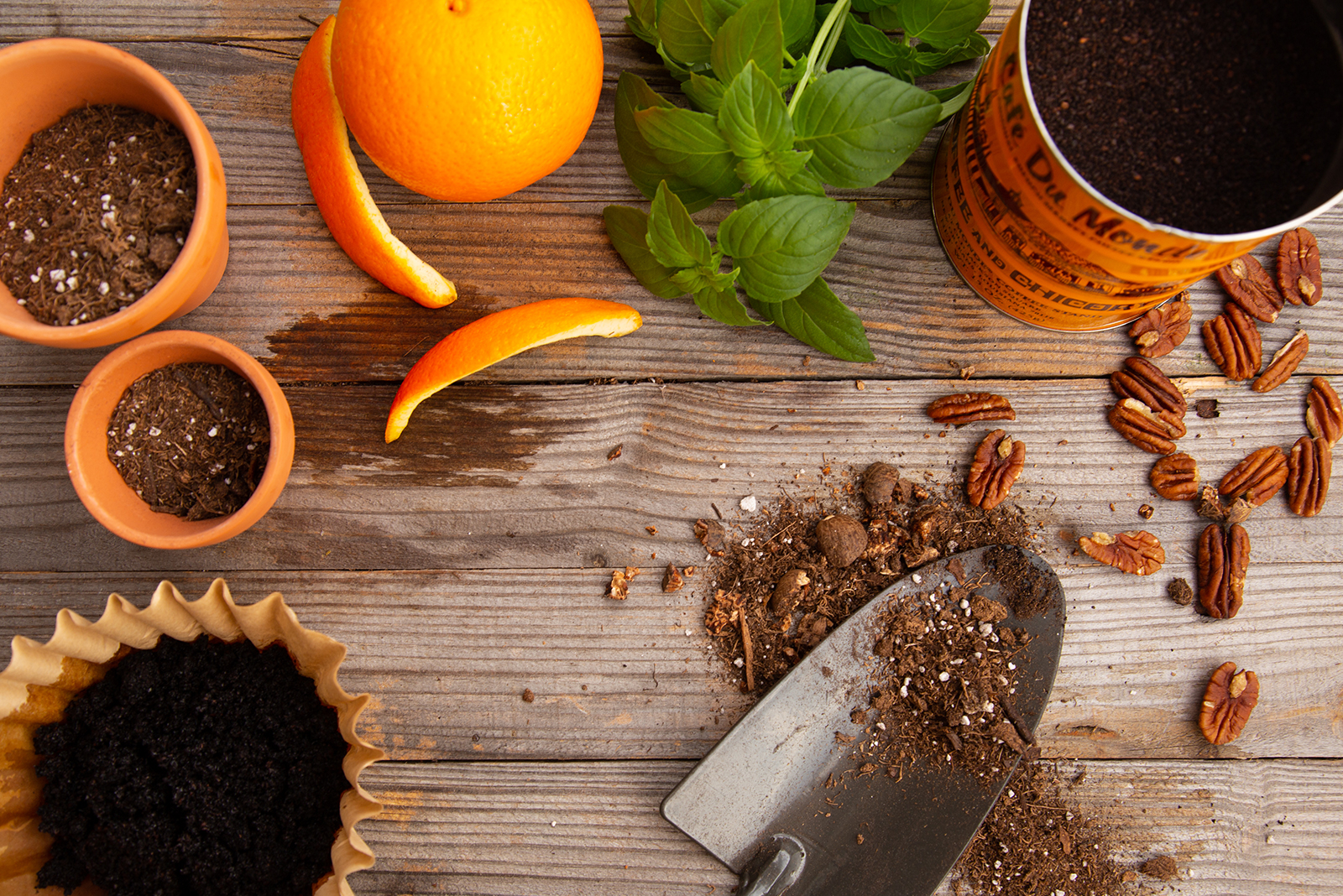
Use
this kitchen staple in your garden to help stimulate root growth, promote the
production of additional stem growth in herbs, and protect against fungi. Simply
sprinkle it on the soil in your garden to brighten your plants’ day.
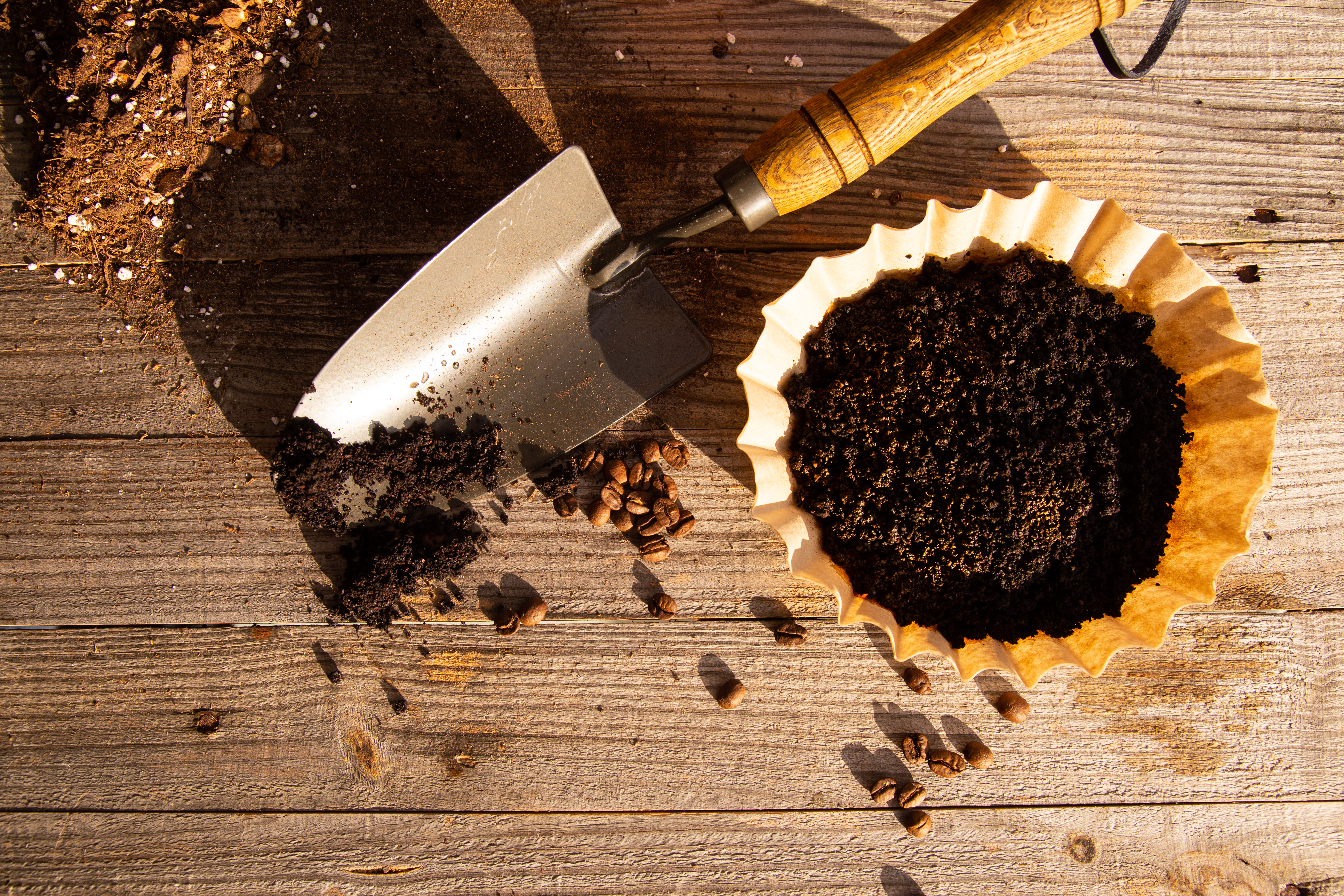
Instead
of tossing used, nitrogen-rich coffee grounds from your filter into the trash,
save them for your compost or add it directly to the soil for an effective
natural fertilizer.
Next time a recipe calls for a load of lemons, hold onto the rinds. Scoop out the pulp, poke a couple of drainage holes in the bottom, and fill with a little soil to create the perfect seed starter. Your seeds thrive in the moist, shallow dirt inside the rind, and when it comes time for transplanting, you can simply place the seedling — lemon and all — in the ground. The lemon will decompose and continue to feed the young plant nutrients.
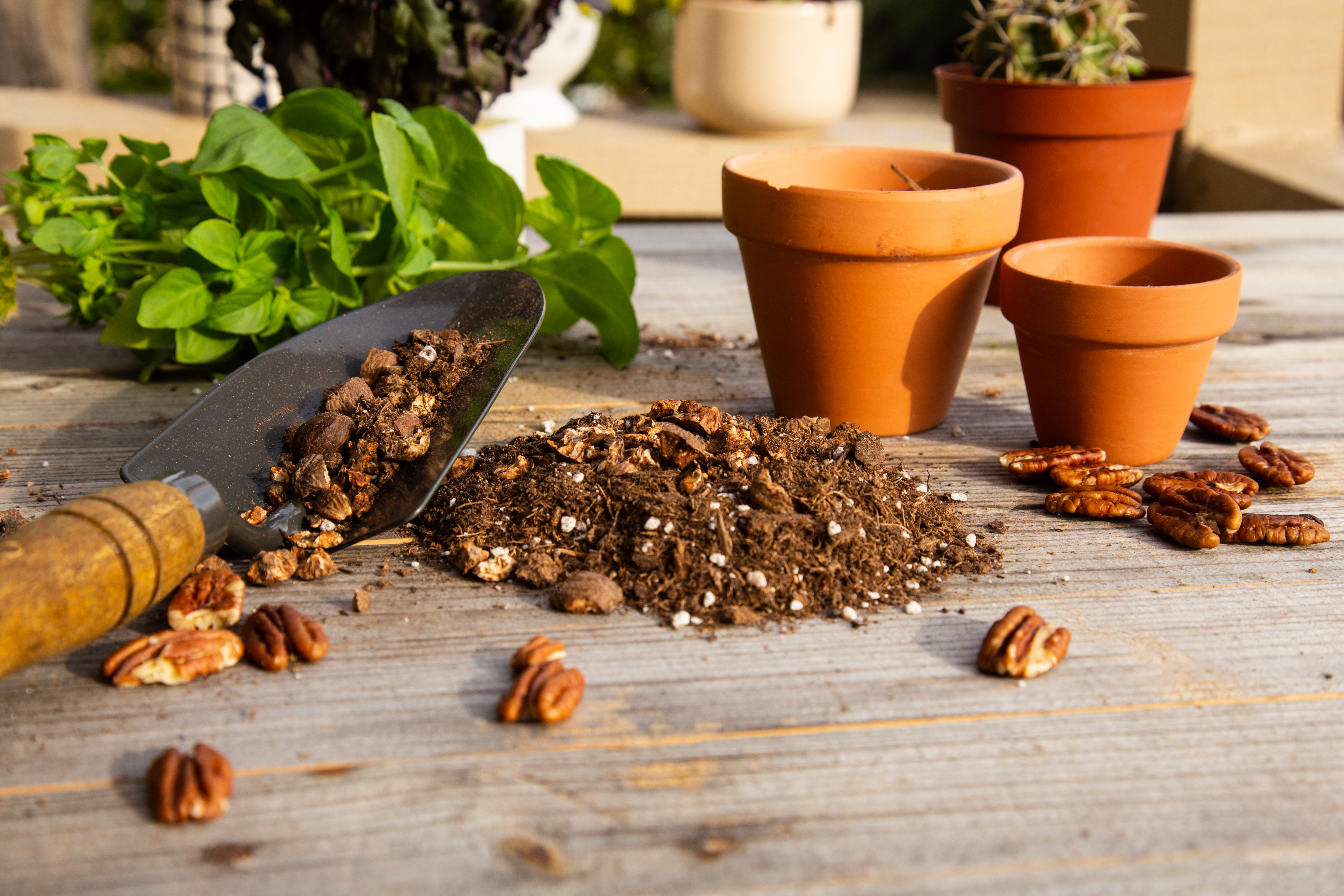
Pecan
trees are plentiful throughout much of Texas, and there’s little chance you can
use all the shell droppings each year in pecan pies. If you find your yard
littered with pecans each fall, gather them and crush them to create an
effective mulch that’s high in nutrients and will stimulate plant growth.
Depending
on whether your soil is naturally acidic or alkaline (much of the soil in Texas
tends toward alkaline), you’ll need different additives before planting to
ensure optimal growth. But how do you know what type of soil you have? Rather
than sending your backyard soil off to the lab, try this simple test: If you
add vinegar to your soil and it bubbles, that means it’s more alkaline. If you
add baking soda and it bubbles, your soil is acidic.
The
best hacks are the ones that simply utilize resources you didn’t realize you
already have. Next time you boil an egg or pasta, reserve the used water, let
it cool, and use it to water your plants. Your next water bill will thank you.
For more winter-gardening ideas, try planting fruit trees.
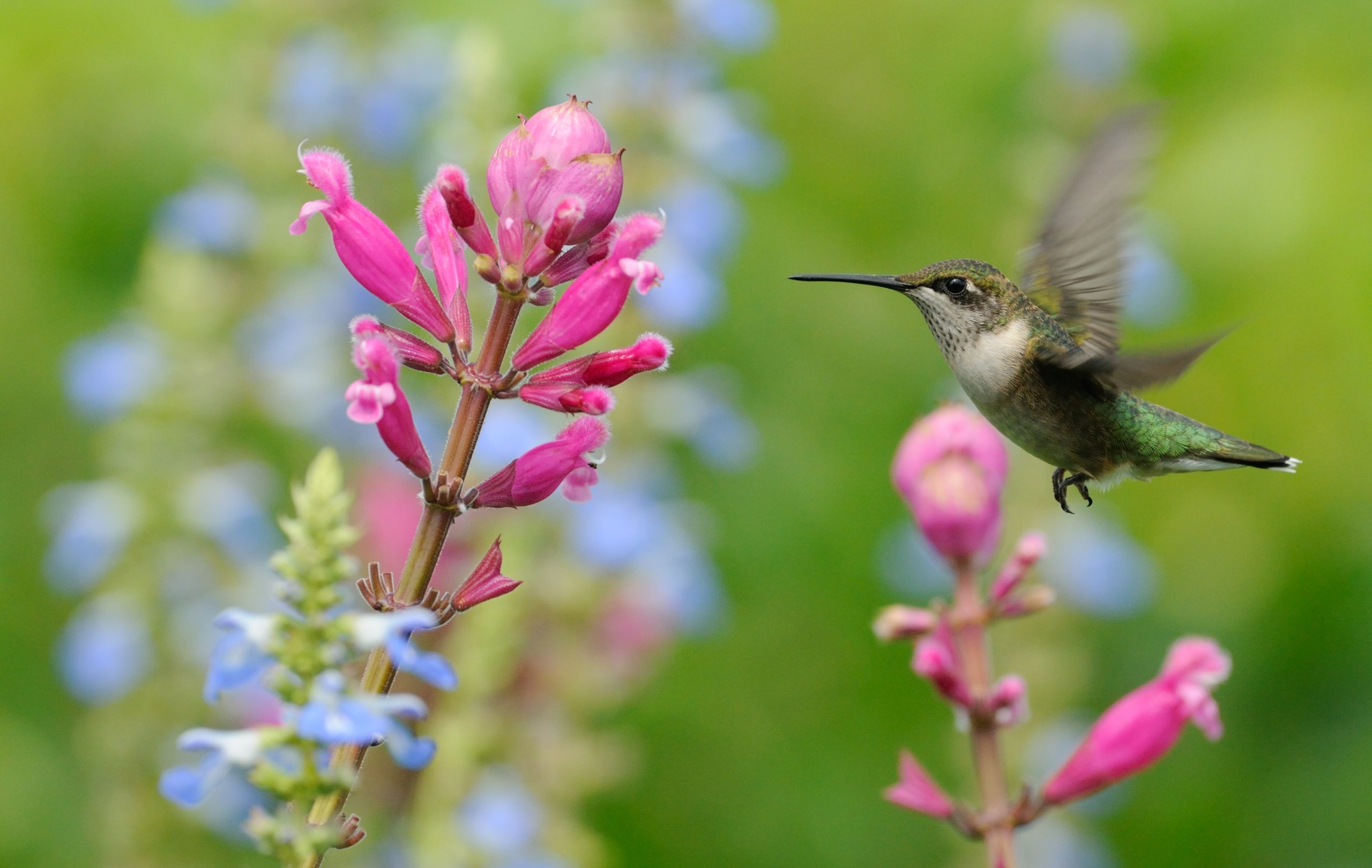
How to Make a Hummingbird Garden
The bird-lover’s guide to attracting colorful hummingbirds right to their yard, windowsill, or patio.

How to Set Your Thermostat in Summer
What is the most comfortable — and efficient — summer thermostat setting? We try to settle the debate for good.

Common Hidden Home Problems in Texas
Some of the most serious issues could be growing under your nose.
How to Prepare Your Home for Heat Waves
Triple-digit days are on the horizon.
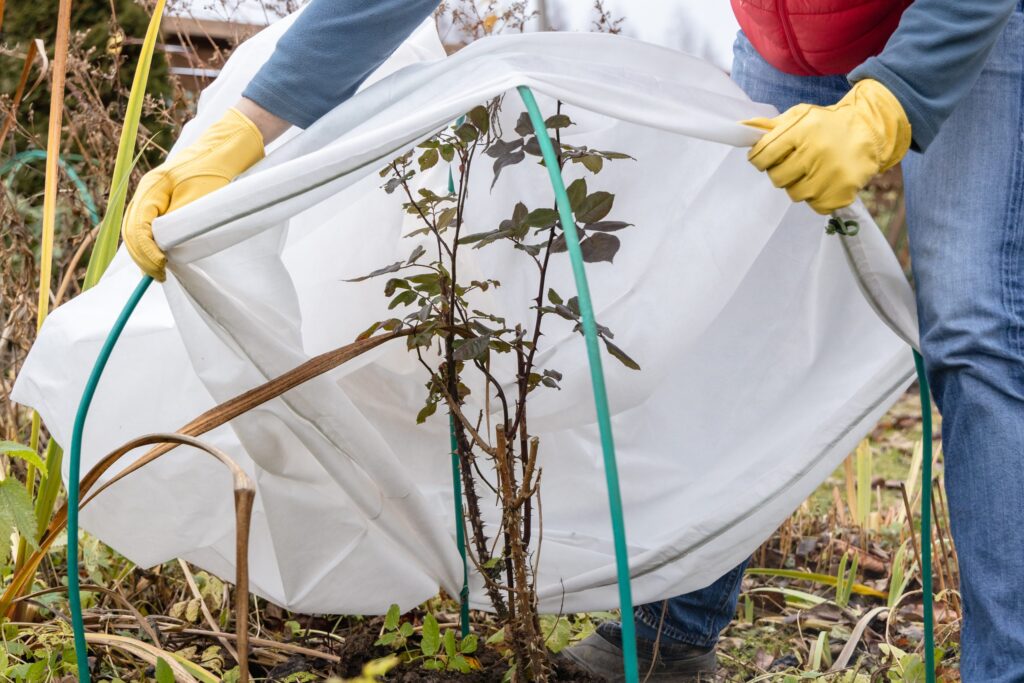
How to Revive Your Plants After a Freeze
Expert tips to help your garden bounce back.
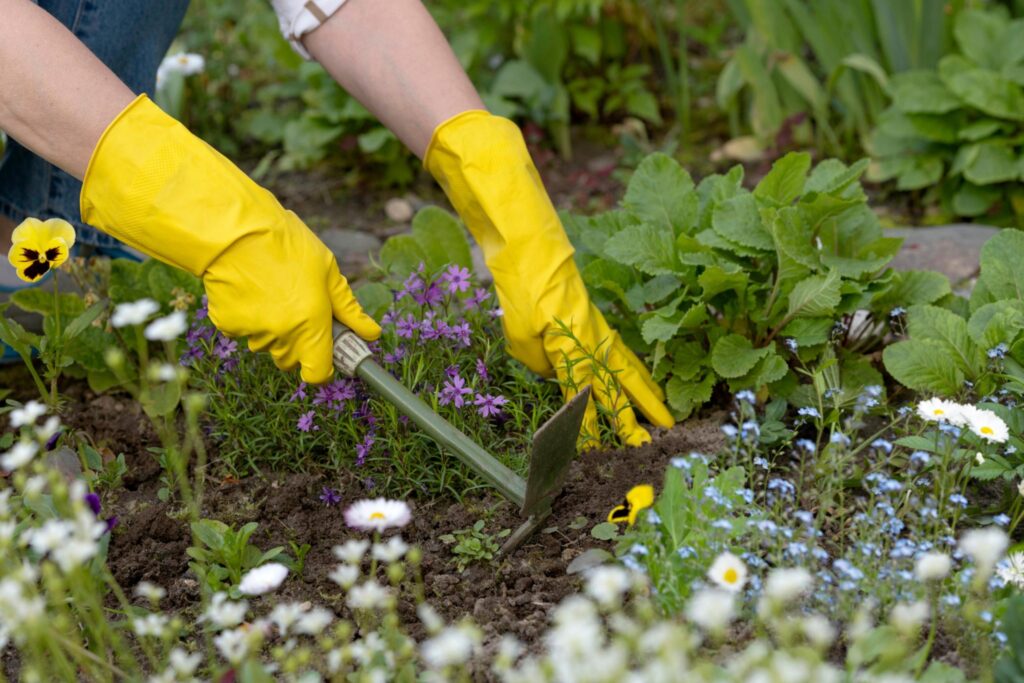
How to Keep Weeds Out of Your Texas Garden
The best way to prevent weeds is to know what kinds of plants are considered invasive.