
A Texas Homeowner’s Guide to Slab Leaks
Most slab leaks seem to come out of nowhere, easily making them one of the most frustrating issues a homeowner can face. Typically, homeowners don’t notice them until there’s real, tangible damage — and a potentially expensive problem.
For Texans in particular, slab leaks are an underlying threat due to aging infrastructure and the state’s infamous expansive clay soils. Here’s what Lone Star State homeowners need to know about how to identify, fix, and prevent a slab leak.
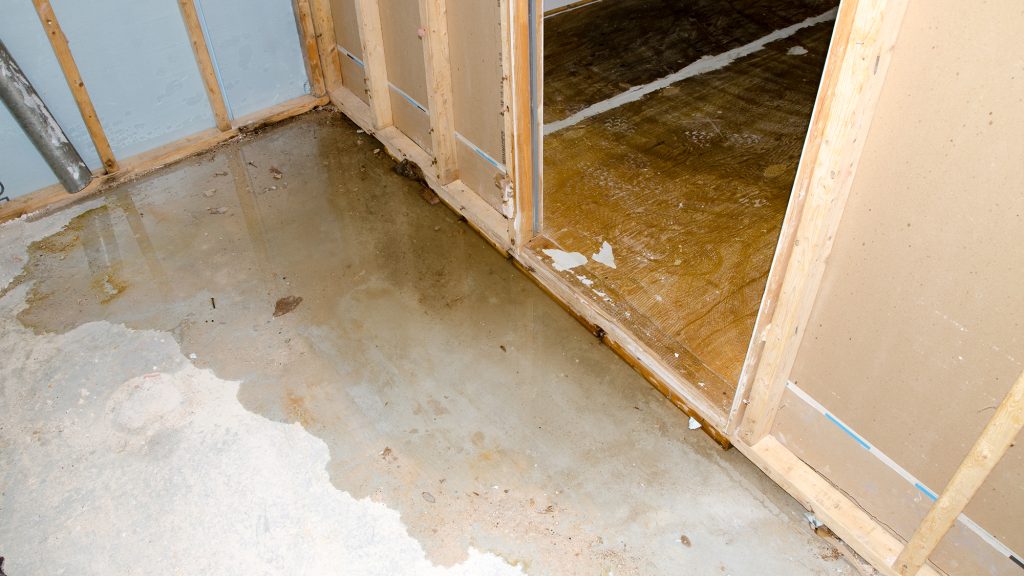
What Is a Slab Leak?
A slab leak refers to a leak underneath your home’s concrete foundation. Over time, this type of leak can damage your home’s foundation, floors, and walls. Keeping an eye (and nose) out for symptomatic signs such as wall cracks or curious moldy smells can help homeowners detect a leak before it gets out of hand.
What Causes Slab Leaks?
Slab leaks have a few common causes, ranging from shifting soil to leaky, or broken, pipes. Also, older homes may be susceptible to slab leaks because of now-antiquated materials and building systems.
A damp, dark spot on your foundation slab is one of the clearest signals that you might have a leak. Eventually, it’ll look like a water stain, but you may also start to notice a musty odor.
Some of the most common causes of slab leaks include:
- Shifting soil
- Pipe damage from acidic or alkaline water
- Pressure on pipes from a shifting foundation
- Improper foundation installation
- Worn plumbing materials (e.g., galvanized steel and cast iron) that are more susceptible to corrosion
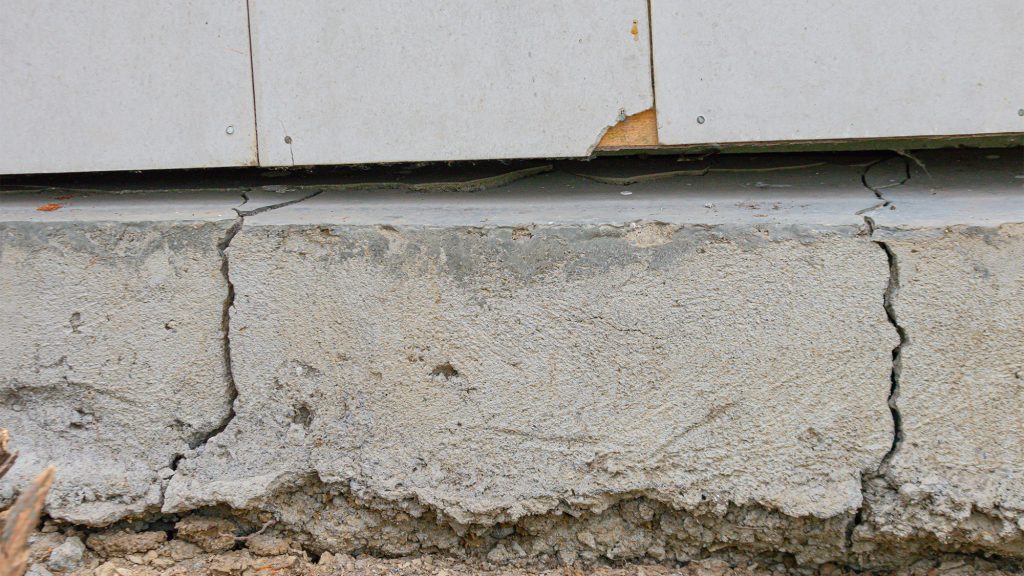
Signs of a Slab Leak
Slab leaks can be tricky. In many cases, they’re literally out of sight, out of mind. Knowing what to look for can help you stop the leak before it causes damage to your home. Look out for these common, telltale signs of a slab leak:
- A hissing or running water sound when water isn’t running from the tap
- Unusually expensive water bills
- Warm, moist spots on the floor, signaling a leak in a hot water pipe
- Cracks in your home’s foundation
- Puddles near the kitchen or bathroom — major plumbing components
- Warped flooring from water damage
- Visible signs of shifting soil
- A decaying, moldy stench coming from the walls or floors
- High indoor humidity
- Unusually low water pressure
Know When to Call a Professional
Ignoring a slab leak can cause major issues over time — soil erosion around the home’s foundation, mold and mildew infestation, and structural damage. If you’re noticing one or more of the signs of a slab leak, it’s time to call an experienced, trusted foundation repair contractor or plumber to take a look.
On average, it costs approximately $2,280 to repair a slab leak, according to home services platform Angi (formerly Angie’s List). The final, overall repair cost will depend on the leak’s location and the cost of repairing, or replacing, the foundation once the leak has been fixed. Other cost considerations include detecting the leak, which requires specialized skills and equipment.
How to Prevent a Leak
Preventing a slab leak from ever happening can save time, stress, and money. Some slab leaks can go unnoticed for months, even years, depending on the severity of the leak and frequency of foundation inspections. While some leaks are completely out of human control, there are maintenance tasks and checkpoints that can help prevent slab leaks.
Help prevent slab leaks by:
- Regularly inspecting your home’s foundation for signs of over-settling or cracks
- Keeping clean, functioning gutters and lawn drainage
- Checking plumbing and appliances monthly for leaks
- Scheduling annual foundation inspections by a licensed professional
Keep your home’s base in check with our Texas homeowner’s guide to a health foundation.