Get Off the Grid
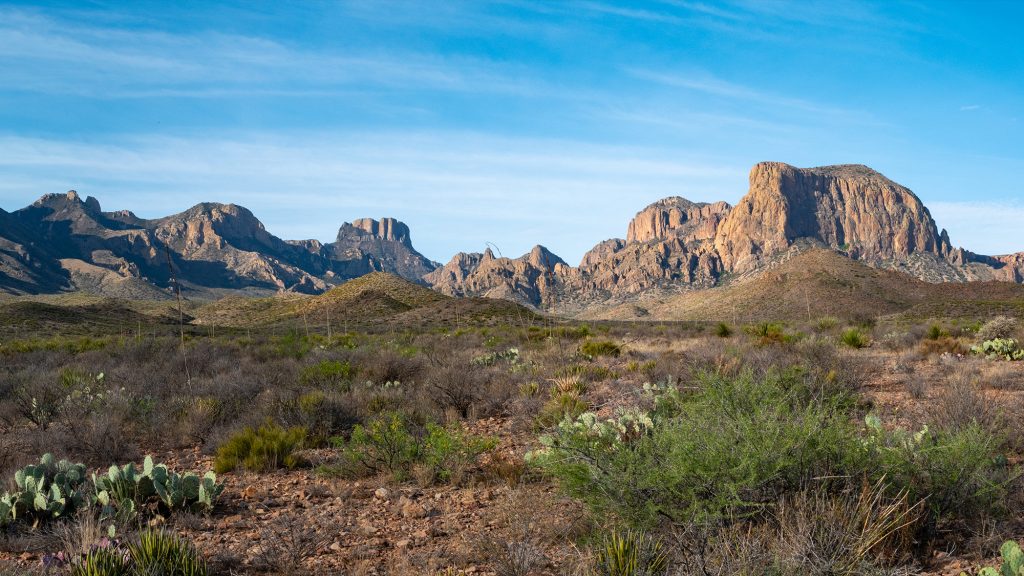
Journey to the southeasternmost fringes of Big Bend National Park, where the Rio Grande splits the Chihuahuan Desert and forms the U.S.–Mexico border, and you will have come to the most remote spot in all of Texas. Alpine is some 80 miles away. Marfa is even further. There’s no public transportation to or inside the park, the nearest airports (with major airline services) are more than 200 miles away, and south of the border is empty wilderness as far as the eye can see. You are in the loneliest country in Texas.
Big Bend itself sprawls across more than 800,000 acres of rugged desert, mountains, and river canyon country. So far from city lights, the enormous park is already renowned for its coal-black night skies and seldom-traveled terrain — but nowhere is stargazing so intense in Texas as here, in the depths of Big Bend’s right pocket.
Simply put, there is nowhere more off the grid than this secluded southeast region of the Trans-Pecos. Here’s what you need to know about getting there — and surviving it.
How to Get There
Take U.S. Route 385 south from Marathon to the Panther Junction Visitor Center, which will be your last glimpse of civilization. Head south along Park Road 12, which will take you near the border before terminating at an overlook of the Rio Grande. From there, head northeast along Old Ore Road, but be warned: The trail is hard to maintain and, consequently, it’s hazardous to drive. But that’s just one of the challenges that comes before earning isolation.
Preparation Is Survival
Getting there — and getting back — requires considerable preparation. Here’s our list of things to plan before braving this zone of Big Bend.
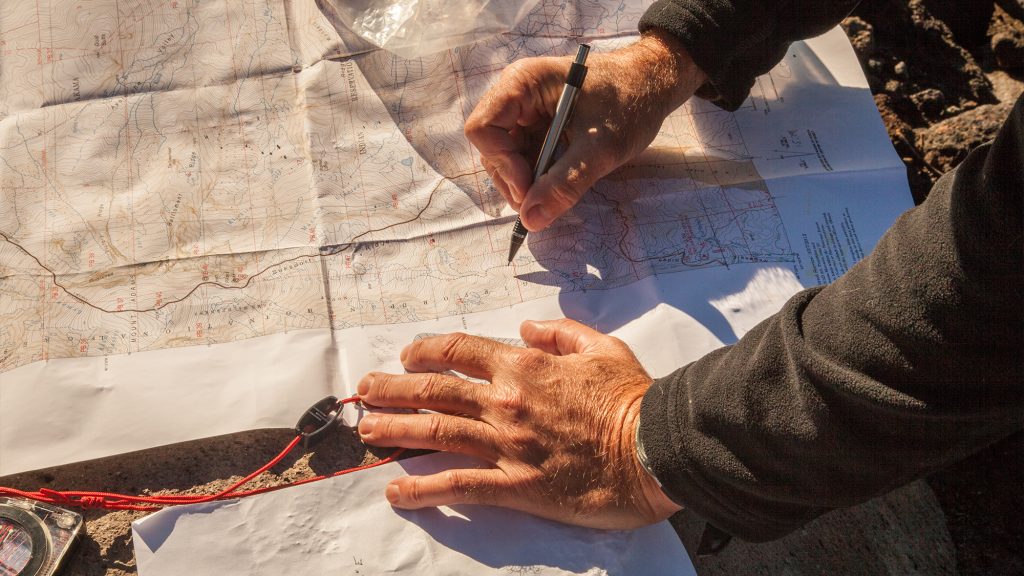
Maps: Cell service is limited to nonexistent throughout Big Bend, beyond a few developed campsites and park service sites. Download or print maps for offline use and bring an external GPS device.
Water: You won’t come across safe drinking water in these parts, and temperatures are extreme, especially in summer when the average temps are well over 100 F. Carry at least one gallon of water per person per day, plus extra for cooking and emergencies.
Camping: All backcountry camping in Big Bend — even primitive roadside sites and river trip camps — requires a backcountry use permit from the National Park Service. Permits are available up to 180 days ahead of time or in person, 24 hours before your stay, at the Panther Junction and Chisos Basin visitor centers.
Gear: Fuel, groceries, and other supplies are only available in distant towns, such as Alpine or Marathon, which are more than an hour’s drive up U.S. Route 385. Gear up with proper camping equipment, spare vehicle tires, and a strong emergency plan.
Before you go, consult our full guide to staying safe while hiking Texas.