
Prepping for Power Outages in Texas
Whether it’s ice storms knocking down power lines or extreme heat creating more demand than the grid can handle, occasional power outages are a fact of life in Texas. Most of the time, they are resolved quickly, but in the occasional instances when power stays down for multiple days, temperatures and provisions can become serious concerns. A little preparation can make things go much more smoothly the next time you find yourself in the dark.
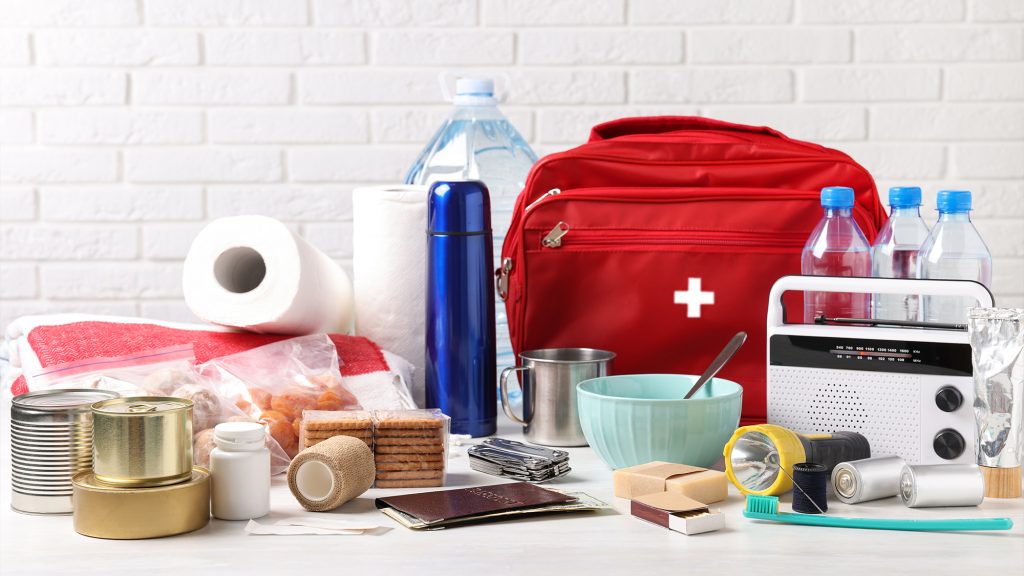
Emergency Preparedness Kit
Keep items you may need during a power outage in a sturdy container that you can reach easily, and check it every six months to make sure everything is still in good condition. A good emergency preparedness kit should include:
- A three-day supply of bottled water (one gallon per person per day)
- A three-day supply of nonperishable food (include a manual can opener if this includes canned goods)
- One flashlight per household member
- Spare batteries
- First-aid kit and basic medications
- Cellphone and portable or car charger
- Emergency contact information (If your phone battery dies, you may not have access to important numbers.)
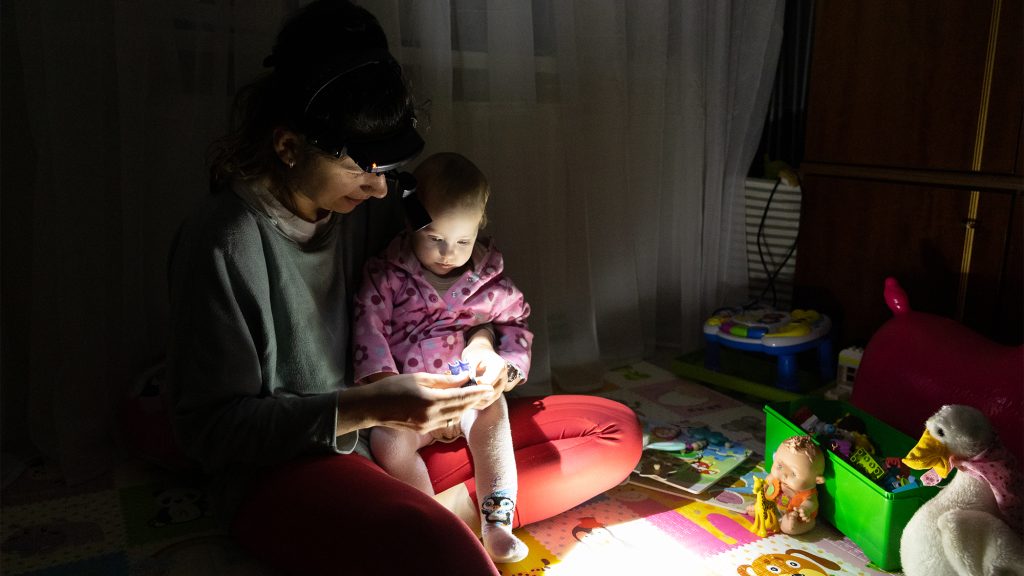
Alternate Light Sources
Skip the candles if anything else is available, as the risk of fire isn’t worth it. Instead, use the flashlights from your emergency preparedness kit. You might also consider installing emergency LED lights. If you really must use a candle, keep it in a safe holder away from anything flammable and never leave it unattended.
Food and Water
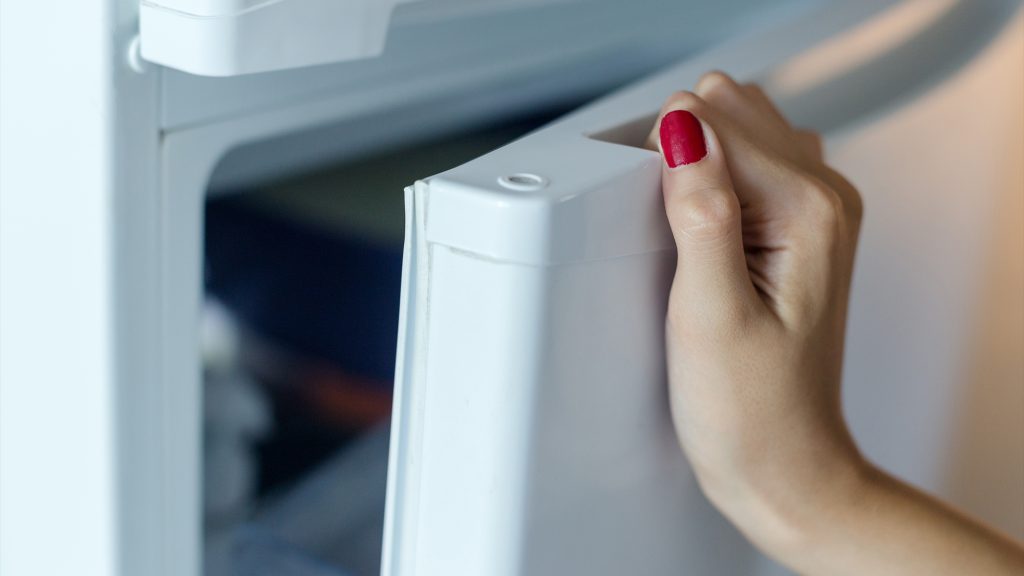
After a power outage, leave refrigerator and freezer doors closed as much as possible. If the power returns within four hours, the food should generally still be good, but anything that looks or smells suspicious should be tossed.
A full, closed freezer stays cold for about 48 hours; packing ice into a cooler or into the freezer itself can help extend the shelf life. Anything that still has ice crystals on it and has been in a freezer colder than 40 F can be refrozen.
When using provisions, prioritize the food that will go bad first: refrigerator items, then freezer items, and then nonperishables. Use a food thermometer to test any questionable foods and throw away anything that has been exposed to temperatures above 40 F for two or more hours.
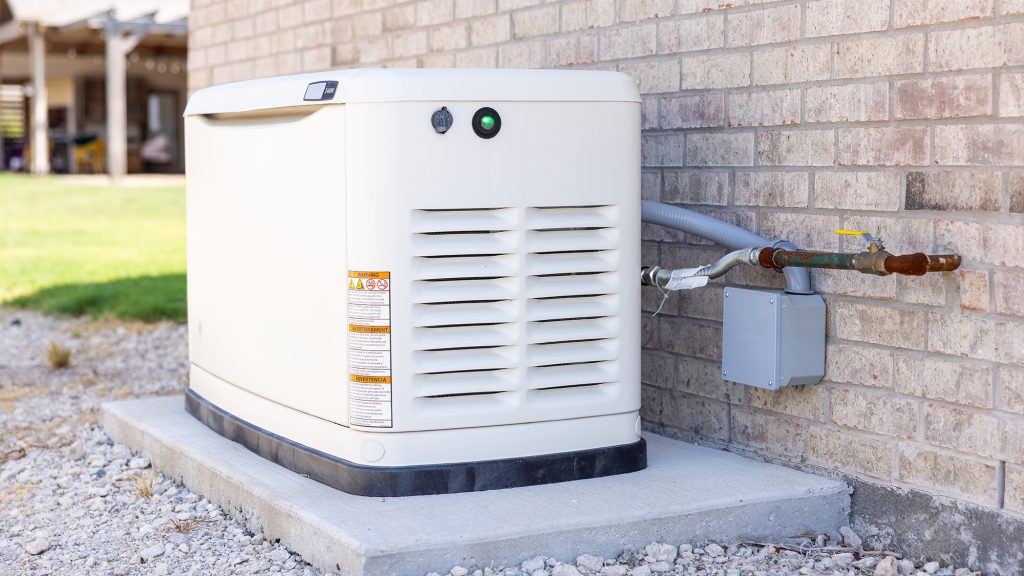
Power Generators
A power generator, either permanent or portable, is a great way to bridge power gaps — as long as you use it safely. Follow the instructions that came with the generator. Carbon monoxide poisoning is a serious concern, so never run a generator in or near an enclosed space. Choose a spot at least 20 feet from your home with the exhaust directed away. Exposing a generator to rain carries a risk of electrocution, so set up a large covering or canopy to protect it.
An electrician can help you choose and install a generator powerful enough to handle your needs. Connect the generator to the power source using heavy-duty extension cords rated for outdoor use. Never “back-feed” by plugging your generator into a wall outlet — you could electrocute someone or start a fire.

Managing Extreme Temperatures
When the power goes out in Texas, there’s a good chance it’s either very hot outside or very cold. The simplest way to manage extreme temperatures is to find an alternate space to shelter, such as a public space with working HVAC or with a friend or relative in an unaffected area. But there are ways to make your home safer and more comfortable, too.
When it’s hot, keep the drapes and blinds closed, drink plenty of water, and dress lightly. If the temperature in the house rises enough, it might be worth opening windows and doors to allow ventilation. If your house has multiple stories, stay on the ground floor. Also consider adding a battery-operated fan to your emergency kit.
On the other hand, when it’s cold, conserve heat by closing off unused rooms, bundling up, blocking off drafts beneath doors, and staying indoors. Leave faucets slowly dripping to prevent pipes from freezing. Never use a stove, oven, or grill for warmth. A well-ventilated fireplace, however, can work well temporarily.
Stay Connected
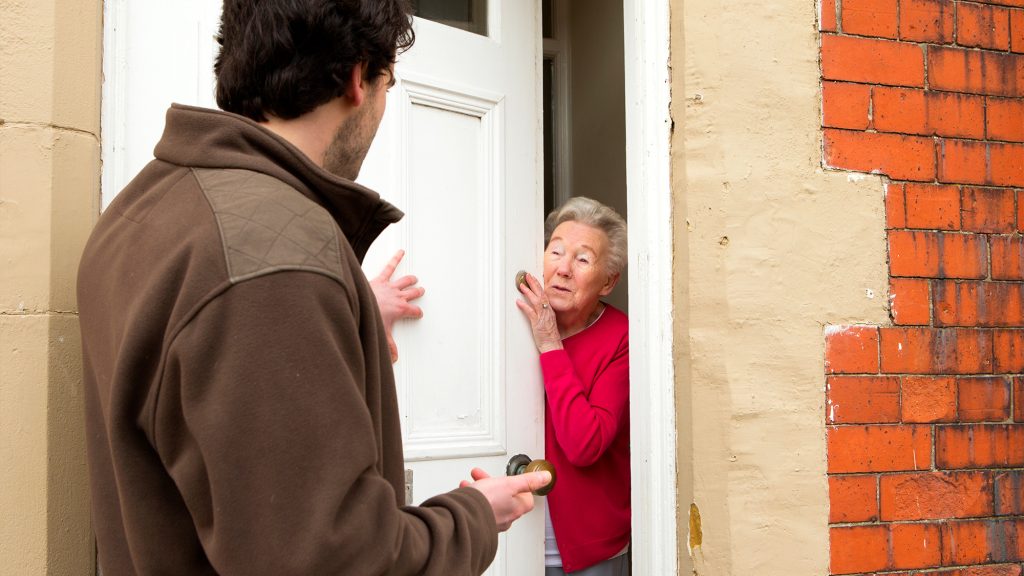
Our best resource in a crisis is each other. If you don’t already know your neighbors, introduce yourself. See if your neighborhood has a Nextdoor group or group text where you can communicate and organize during emergencies. Neighbors can often help meet each other’s needs and pass along important updates. You should also sign up to receive local emergency and weather alerts on your phone.
In the spirit of staying prepared, here are three emergency plans to set in stone with your family.