
Please sign in as a member or guest below to access it.
Please sign in as a member or guest below to access it.

Our guide to naturally pest-proofing your home.
Summer is when the bugs come outside to play and inside to stay. Sometimes thorough cleaning isn’t enough to deter these unwanted visitors. Here is a pest control guide with a few natural hacks to keep bugs out.
The first step in this pest control guide is to not tempt fate. Pests are usually coming into your home looking for food and water, and those sources of nourishment aren’t always found in the kitchen or pantry.
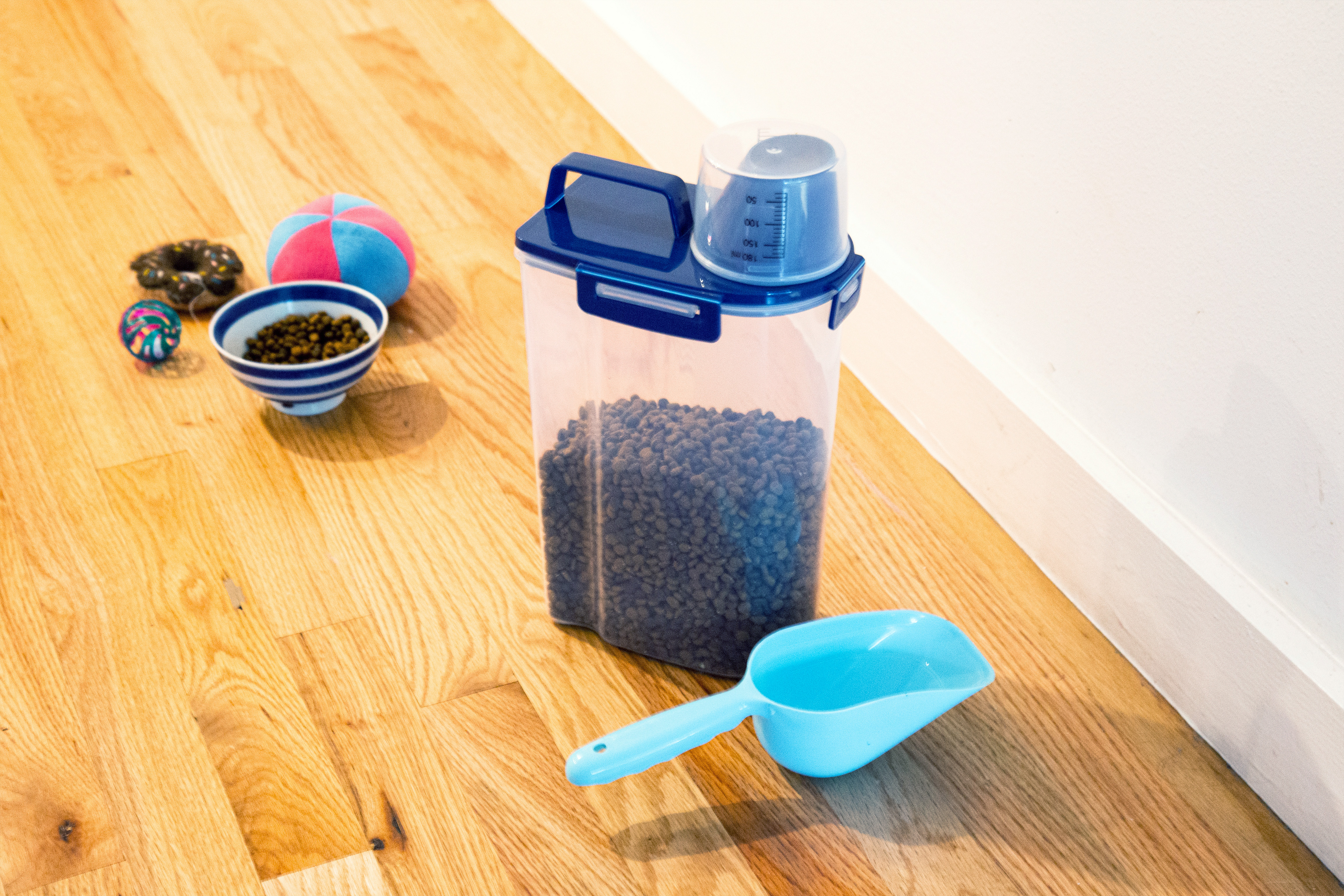
Kibble is another commonly overlooked food source. Make sure all pet food is kept in a secure container and that feeding bowls are emptied and cleaned nightly. You may also want to check that your furry friends haven’t hidden snacks for later around the house!
Make sure that there is no groundwater in the basement or garage — this can attract mice looking for a refreshment.
If you are having trouble with fruit flies, put ½ cup of apple cider vinegar in a bowl with 1 tablespoon of dish soap and leave it out for several days. They will be attracted to the apple cider vinegar but will not be able to fly away upon being exposed to the dish soap.
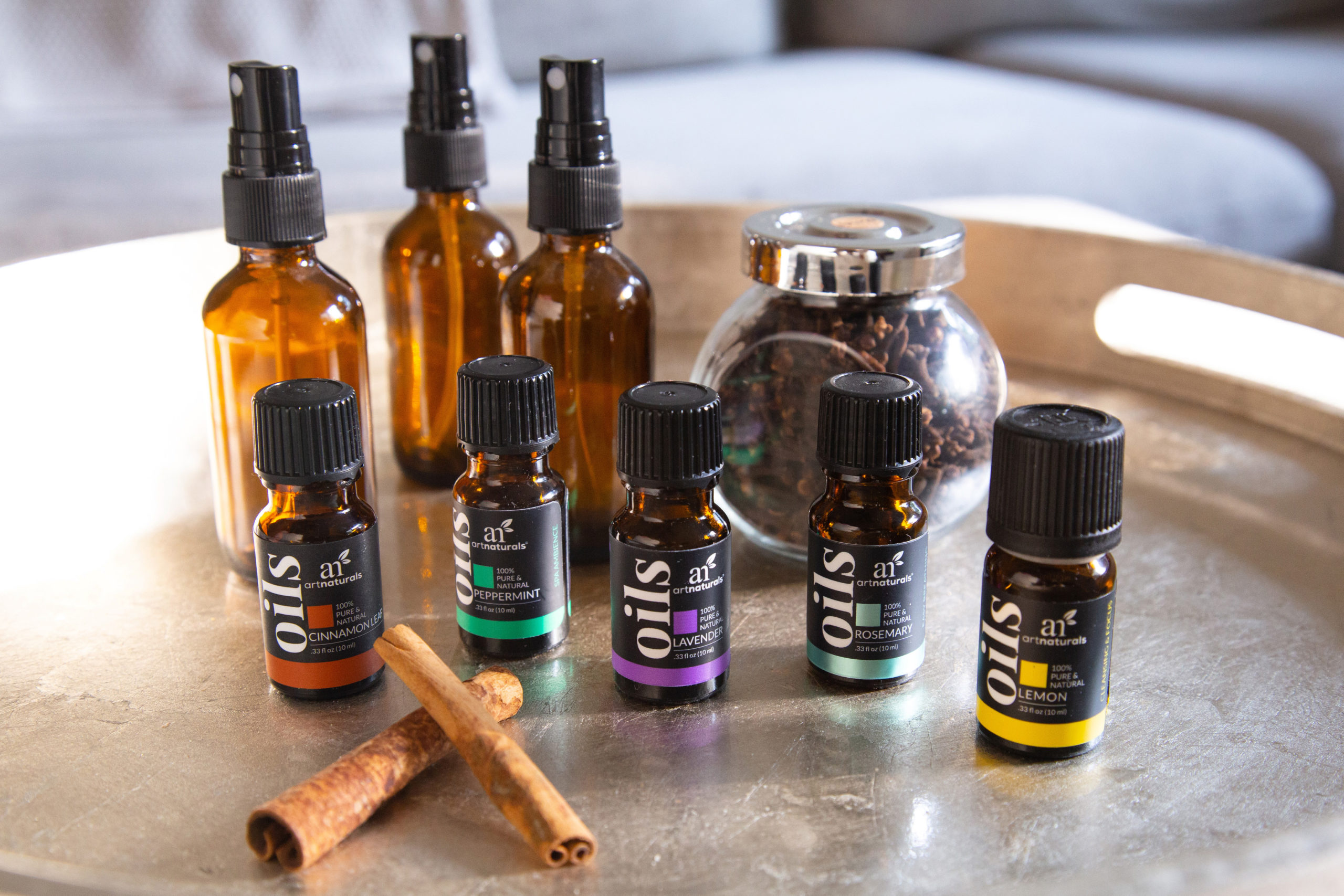
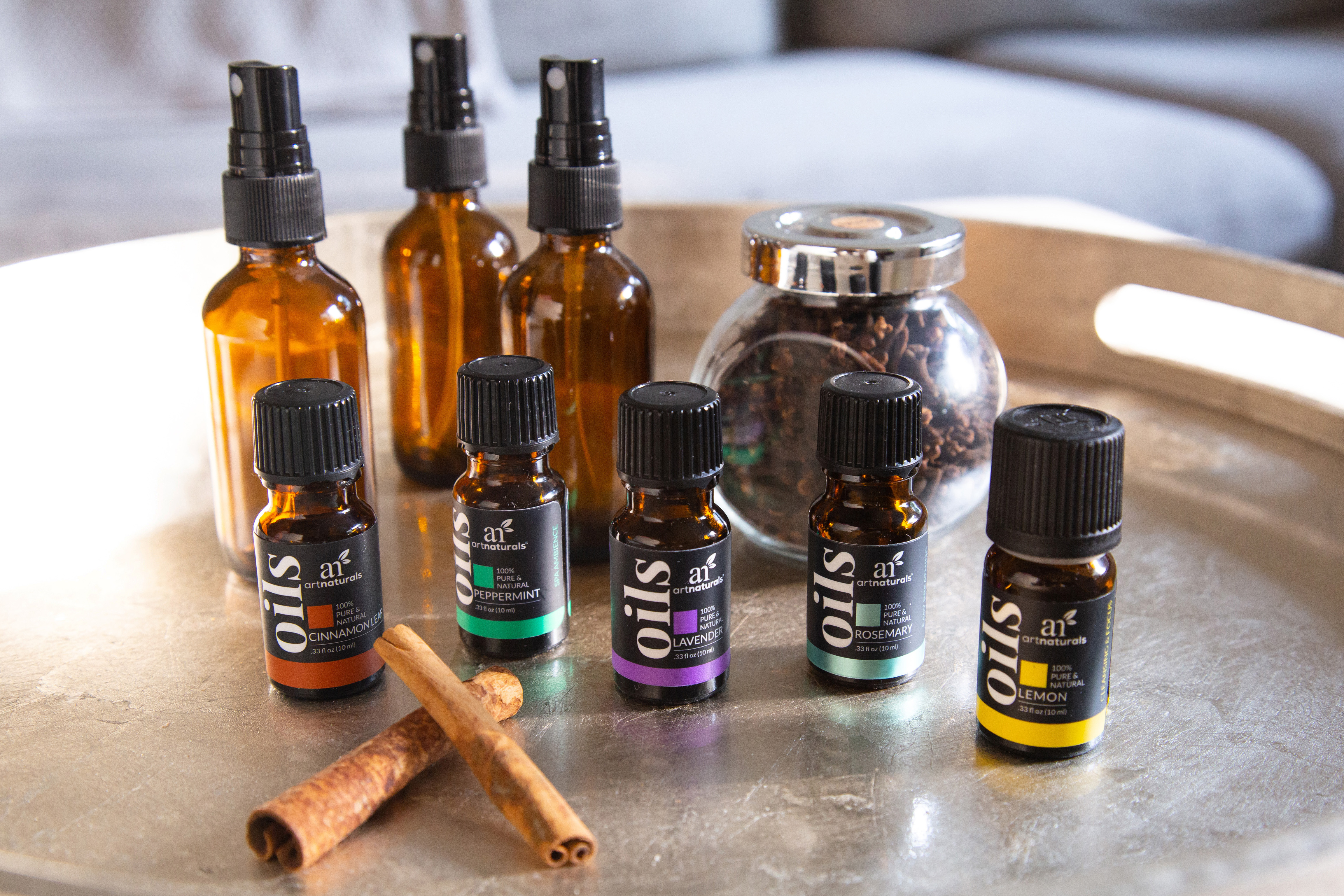
Most household pests seem to be deterred by certain strong natural scents. Spraying concentrated essential oils on baseboards or in problematic areas may help repel pests. Some options:
Vinegar is an excellent natural pest repellant, especially useful for ant and fly invasions. Washing areas that may be prone to ants — such as counters, baseboards, and areas near your trash can — with a white vinegar-based cleaning solution will disrupt the scent trail ants leave behind to communicate with each other.
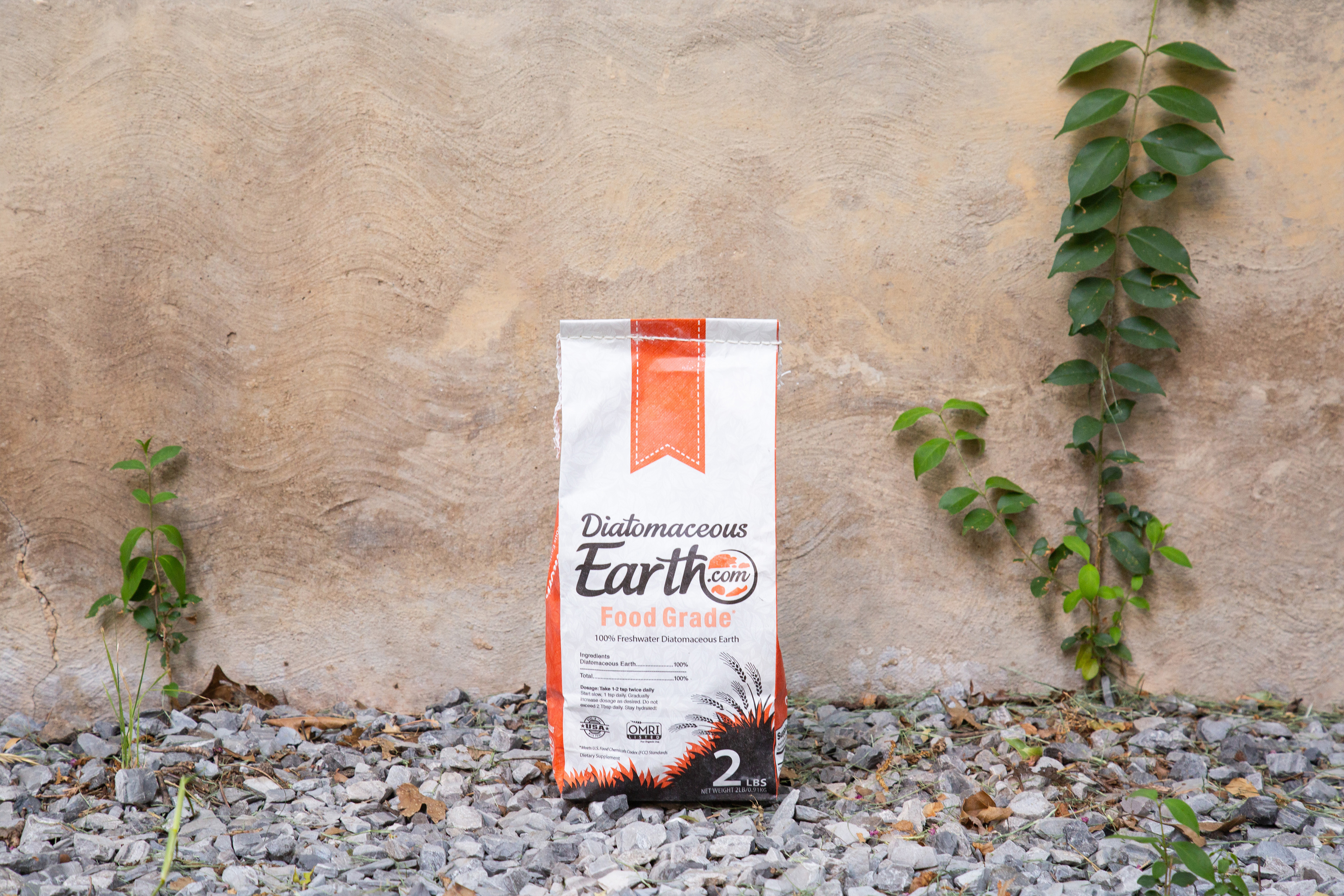
Food-grade diatomaceous earth is a powdery dirt substance you can use in your gardening for pest control. It’s made up of finely ground fossils that are so small and sharp that it suffocates insects exposed to it. It is effective against most small pests, including slugs, beetles, worms, fleas, mites, spiders, and roaches. However, it is harmless to humans, plants, pets, and larger animals. To use it:
Cultivating certain plants in your outdoor space may be incredibly beneficial to keeping pests out of your living space. Even a humble DIY herb garden can have a massive impact as a pest deterrent.
For more all-natural hacks, check out our guide to DIY cleaning supplies.

Be a happy camper.

You’ve got insurance questions. We’ve got answers.

Budgeting Hacks: How to Plan, Save, and Stabilize Your Financial Future
These days, the timeless advice of “save a penny; earn a penny” has never been more relevant. From establishing separate bank accounts for better financial tracking to curbing impulse spending, this guide offers practical tips for building a resilient budget and maximizing earnings.

Your Tax Preparation Checklist
April 15 is only scary if you let it be. Take control of your finances with this tax prep checklist.

5 Common Types of Property Claims in Texas
The elements can wreak havoc on your home. The right insurance can help.

Complete Guide to Renting a Car
Should you buy the rental car company insurance? When should you book your rental to get the best deal? We answer all your rental car questions.