Please sign in as a member or guest below to access it.
Please sign in as a member or guest below to access it.

Texas can take its toll on your lawn in the summer. But with a little care and attention, you can help your grass survive another heat wave.
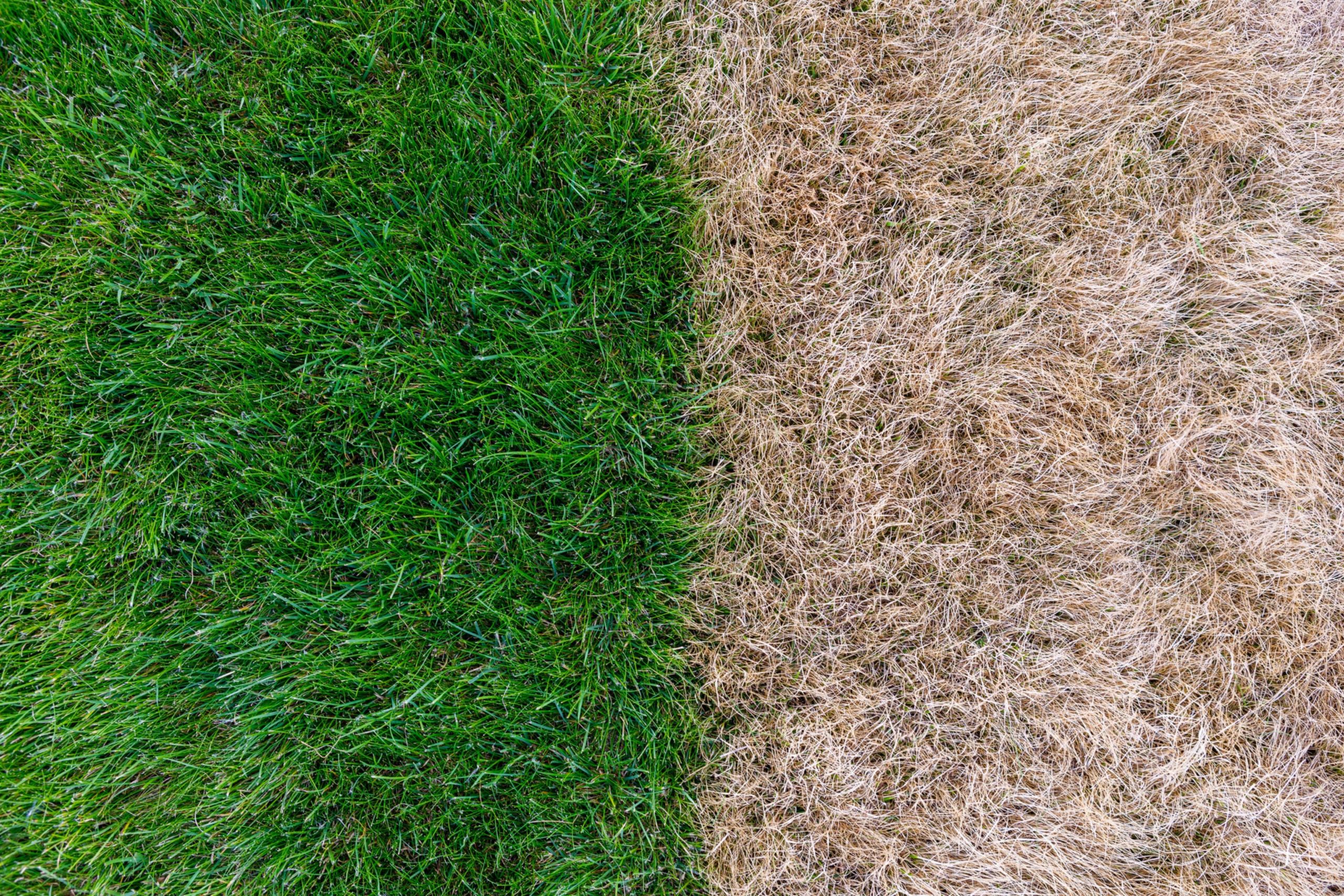
The intense summer heat takes a toll on Texas lawns. As temperatures rise, the lawns we put so much time, attention, and care into begin to turn from fresh green to a tired brown.
Every summer, homeowners around the state attempt to fight the annual browning, often by increasing irrigation. But as Texas struggles with ongoing droughts, and water conservation becomes increasingly important, dosing our lawns with gallons of water each summer is not the best strategy for keeping our yards green. But there are other ways to stave off the summer browns. Here are some tips for protecting grass this summer:
The easiest way to protect your grass from turning brown is to start with lawn varietals that like the heat. Unfortunately, many yards are planted with non-native grass species such as Bermuda and St. Augustine. Despite the aesthetic appeal of these grasses, they don’t do well in the heat and are water intensive. Yards that use native grasses will find that the varietals are adaptive to the Texas heat and hold up better during the summer months. You’ll also appreciate how great native Texas grasses look when they are thriving in their natural environment. Some great options include:
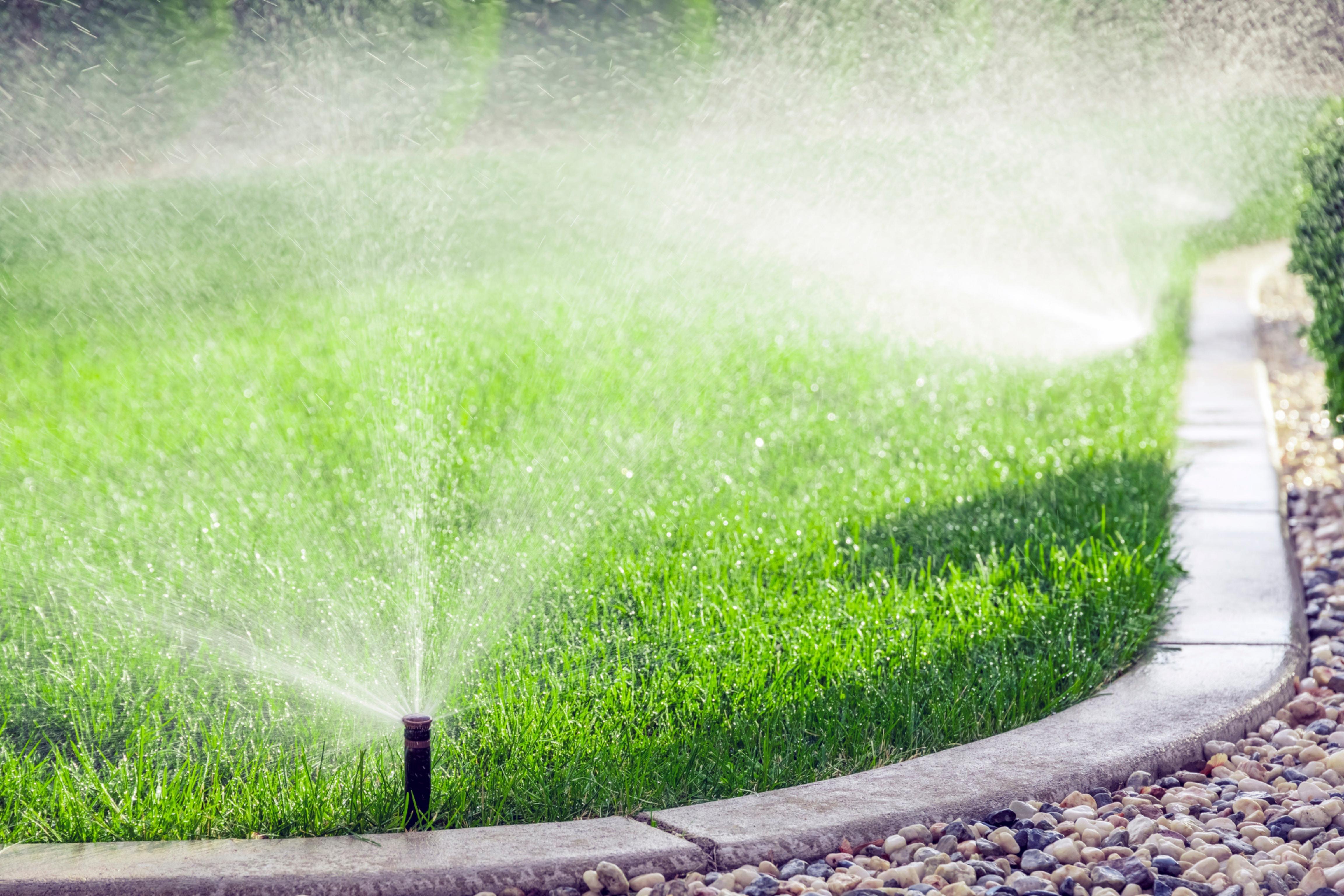
Even the most drought-tolerant grass varietals do need the occasional drink, and during Texas’ long summer, there often isn’t enough natural rainfall to go around. When you water your summer lawn, follow a few simple guidelines to ensure that you maximize your water use.
Another way to help your lawn survive the heat is to let it grow out a little longer than usual. Raise and sharpen your mower blade in the summer. Allowing grass to grow taller will facilitate deeper root growth, and these longer roots will be able to access water and nutrients that are stored in the deeper, cooler soil. Longer grasses also help keep the sun off the soil, limiting evaporation. Don’t be afraid to let your grass grow upward of four inches in the summer.
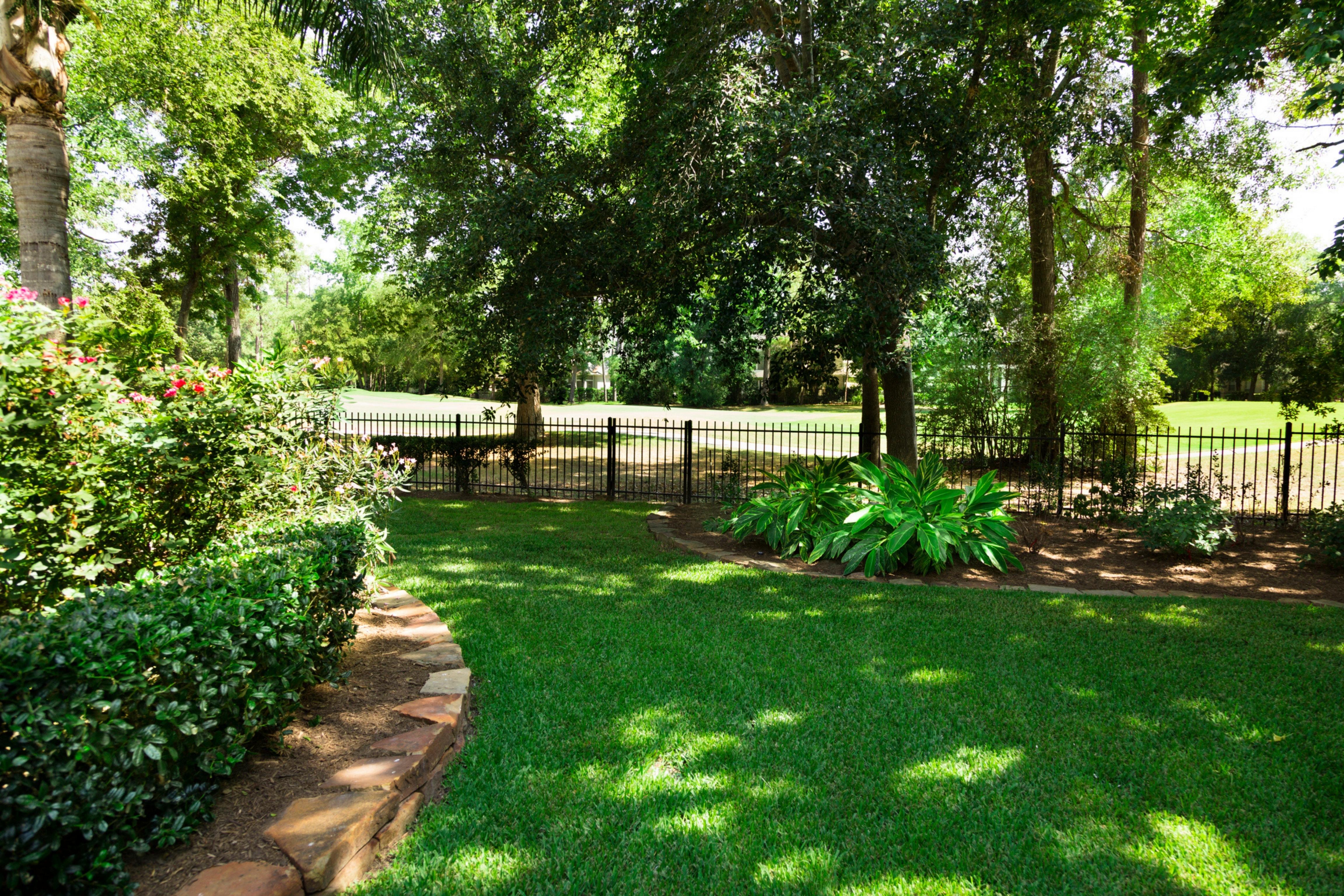
The name of the game in the summer is keeping your lawn cool and trapping water. Two ways to do this is to introduce other vegetation, such as tall shrubs and trees, that can provide summer shade for your lawn. Also, when you mow, don’t rake the grass clippings. Allowing mulch to remain on your lawn will provide shade and help limit evaporation.
Summers are stressful times for lawns, so try to limit any further damage. Try to keep from walking on your grass as much as possible. Drought-stressed grass tends to fall over and become weak in the stems. Walking on grass can rupture strands and dislodge root bases that are clinging to dry soil. And when you do mow, freshly sharpened blades will limit tearing of the grass strands that can further stress a lawn.
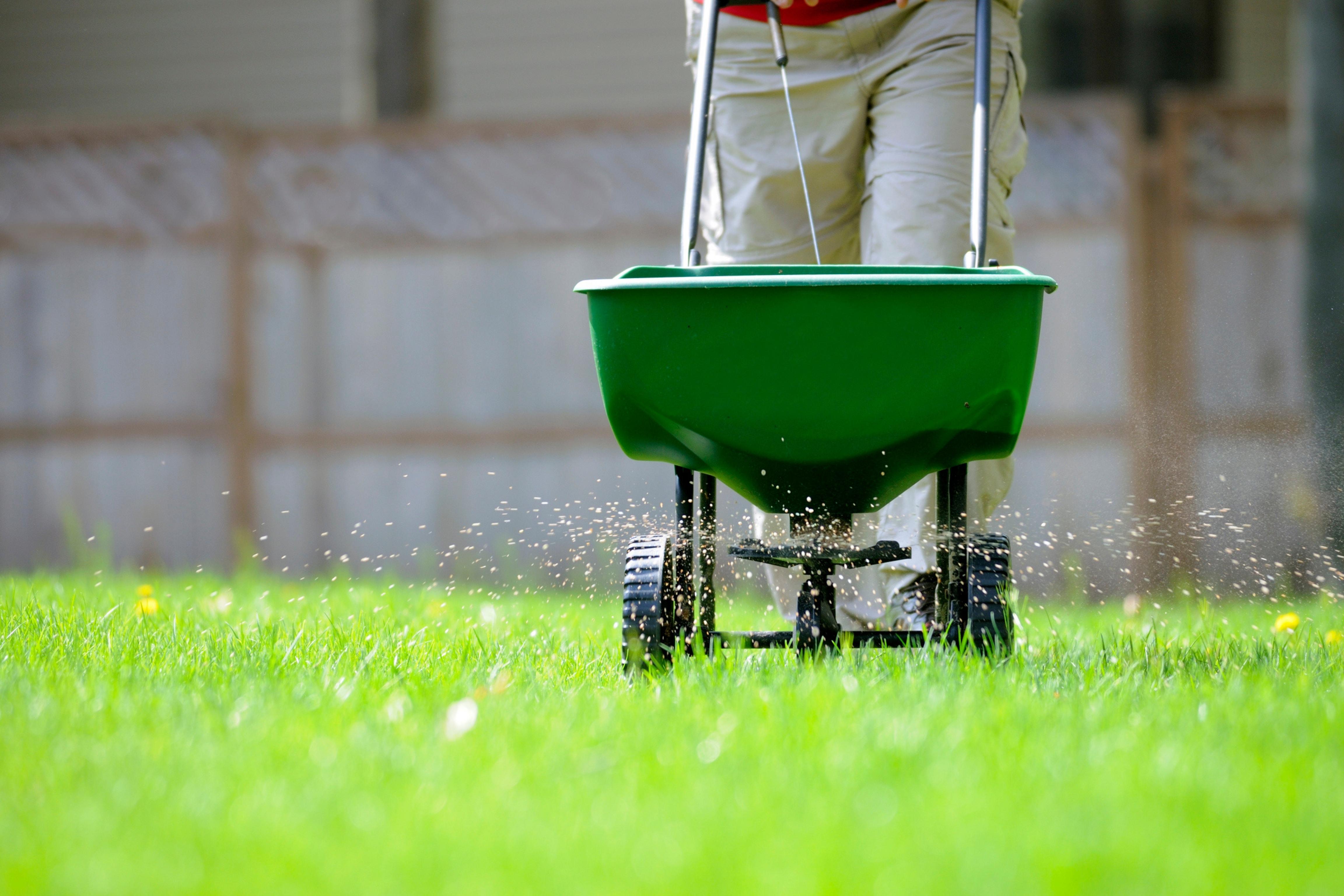
Inevitably, the Texas sun can get the better of even the healthiest lawn. If you are experiencing damaged or dead patches of lawn, there are steps you can take to revive your grass.
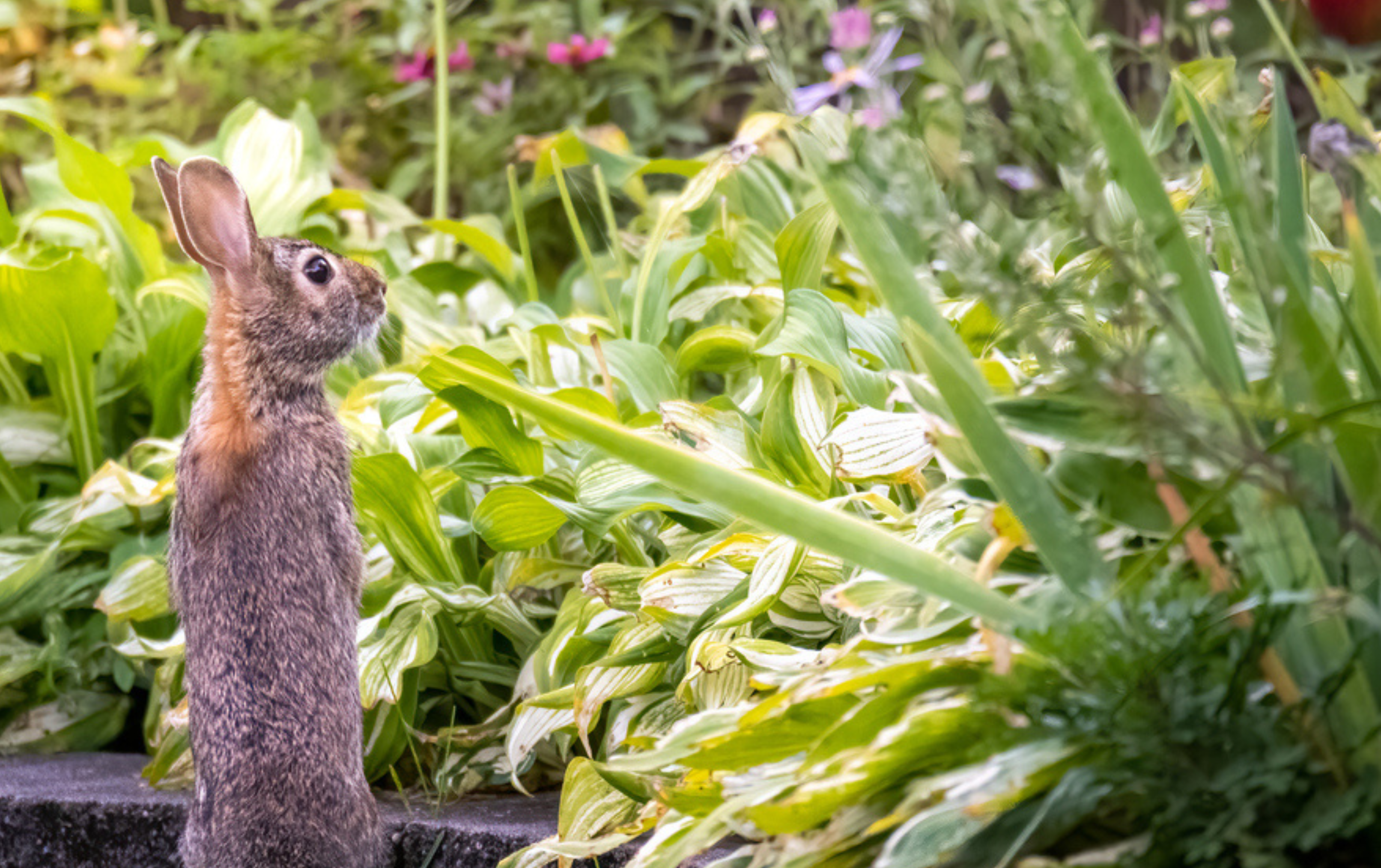
Safe Ways to Protect Your Garden from Animals
You don’t have to harm wildlife to keep them out of your garden.
Texas presents an annual rain-catcher award to incentivize innovative water conservation.
How to Make Your Roof Last Longer
Keep your home’s crown in prime condition.
5 Appliances and Areas to Clean to Help Prevent House Fires
You would never leave an open flame unattended, but do you regularly clean your dryer vents?
Keep the focal point of your backyard oasis in pristine condition.
Painless pane repair.