
Please sign in as a member or guest below to access it.
Please sign in as a member or guest below to access it.

In this installment of our state parks tour, we head from the babbling waters of the Frio River down to the Rio Grande and into some of Texas’ most historic sites.
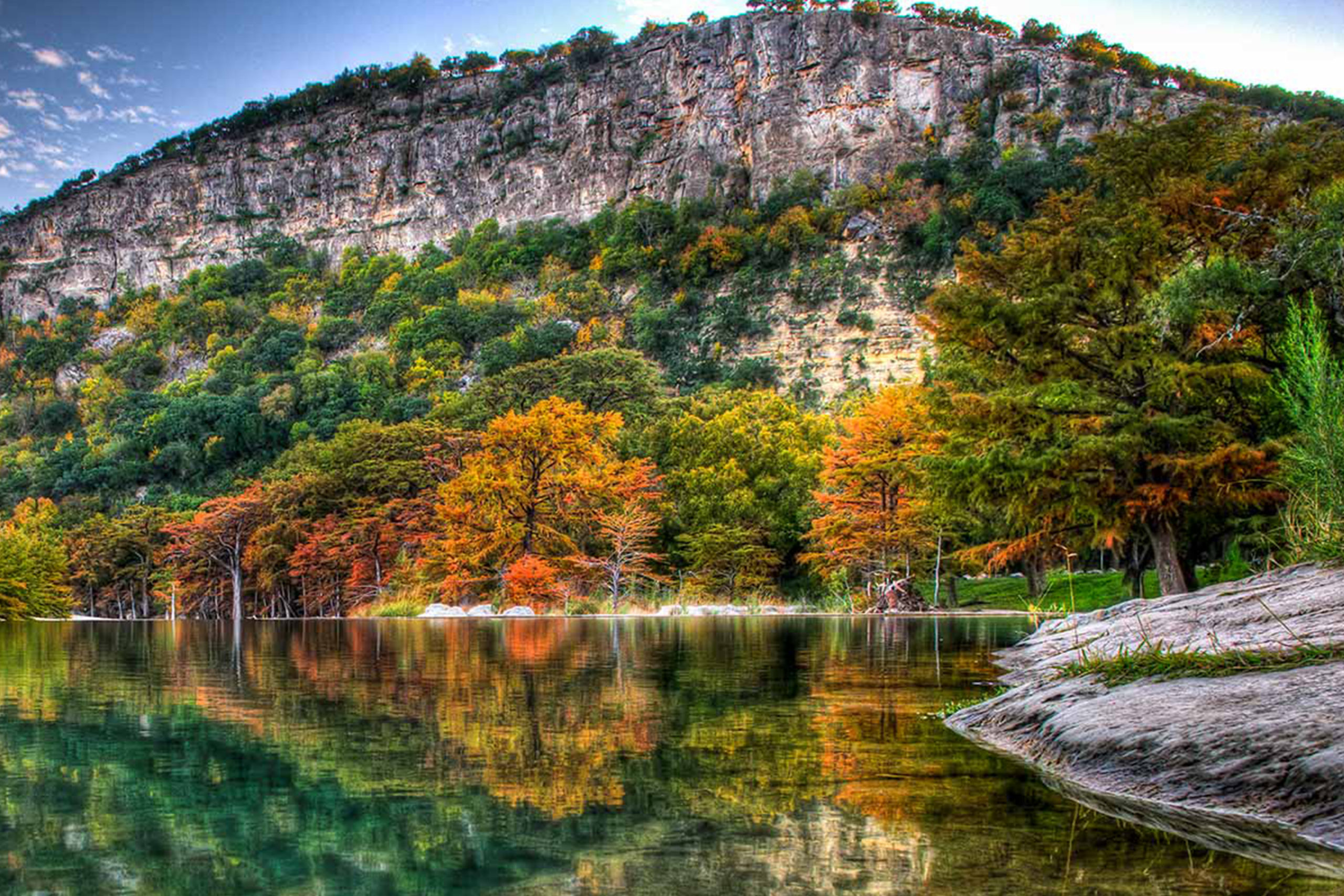
In this installment of our journey through Texas’ incredible state parks, we head south to the southern fringes of the Texas Hill Country and to the borderlands of the Rio Grande Valley.
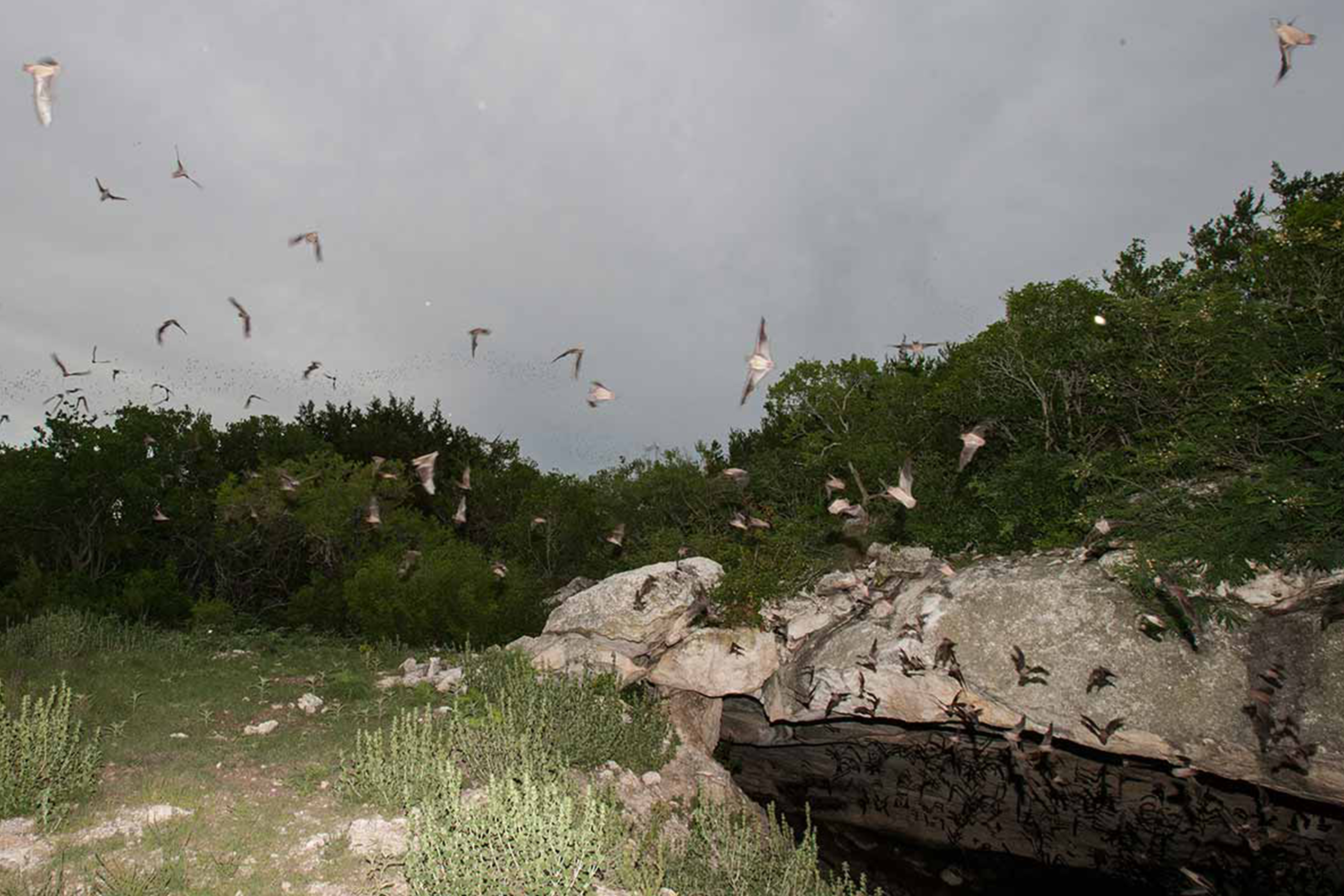
There are 20 known caves in Kickapoo Cavern State Park, though most are too small for exploration. The two largest, Kickapoo Cavern and Stuart Bat Cave, are geological wonders that every Texan should explore. To protect the delicate ecosystems of the cave, access is allowed only during small, guided tours held on Saturdays. If you miss those hours, there is still plenty to explore along the hike and bike trails in the pretty surrounding countryside.
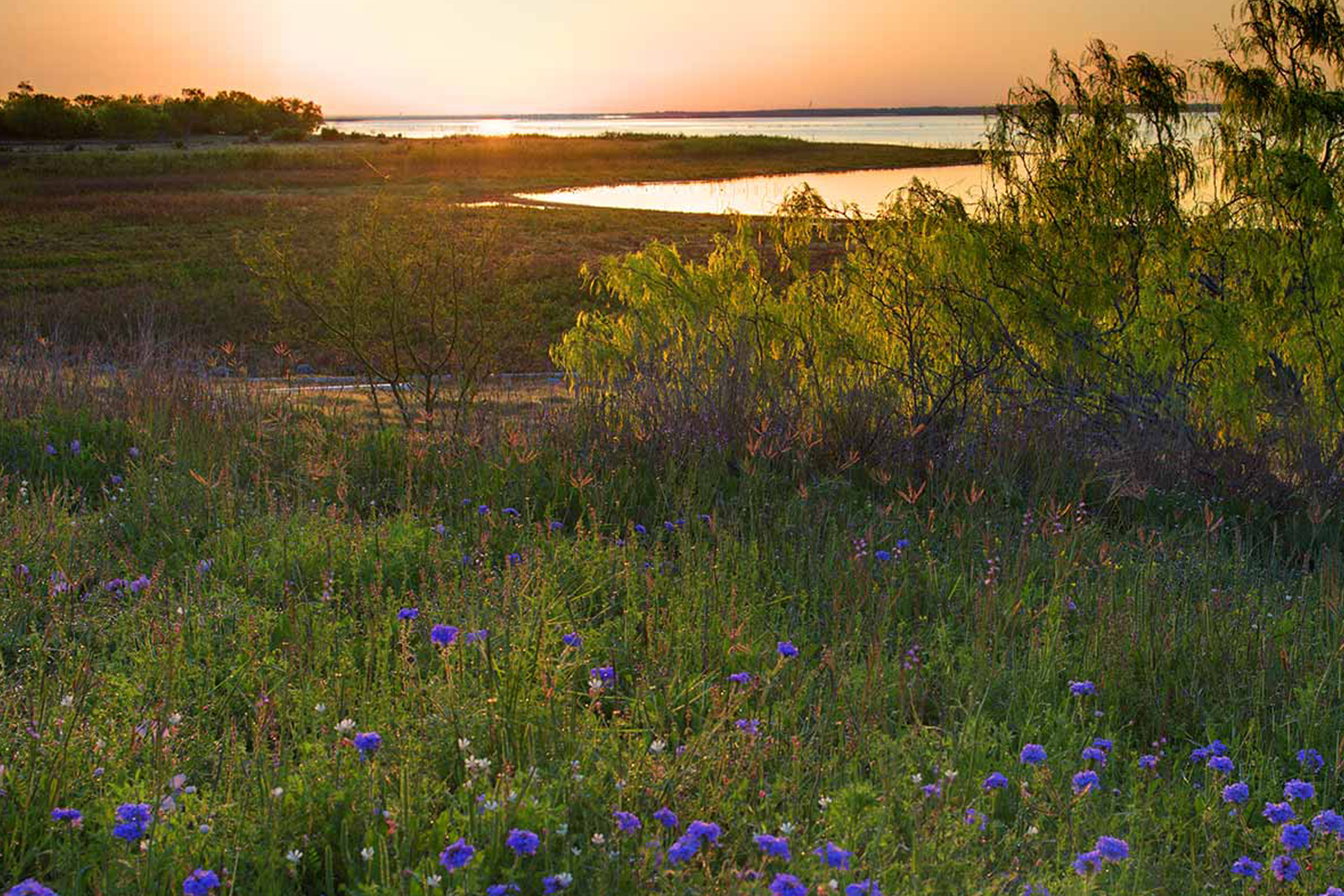
Located approximately 80 miles south of San Antonio, Choke Canyon State Park sits on the Choke Canyon Reservoir, which was created by the damming of the Frio River. The waters are stocked with largemouth bass and catfish, making it a popular angler destination.
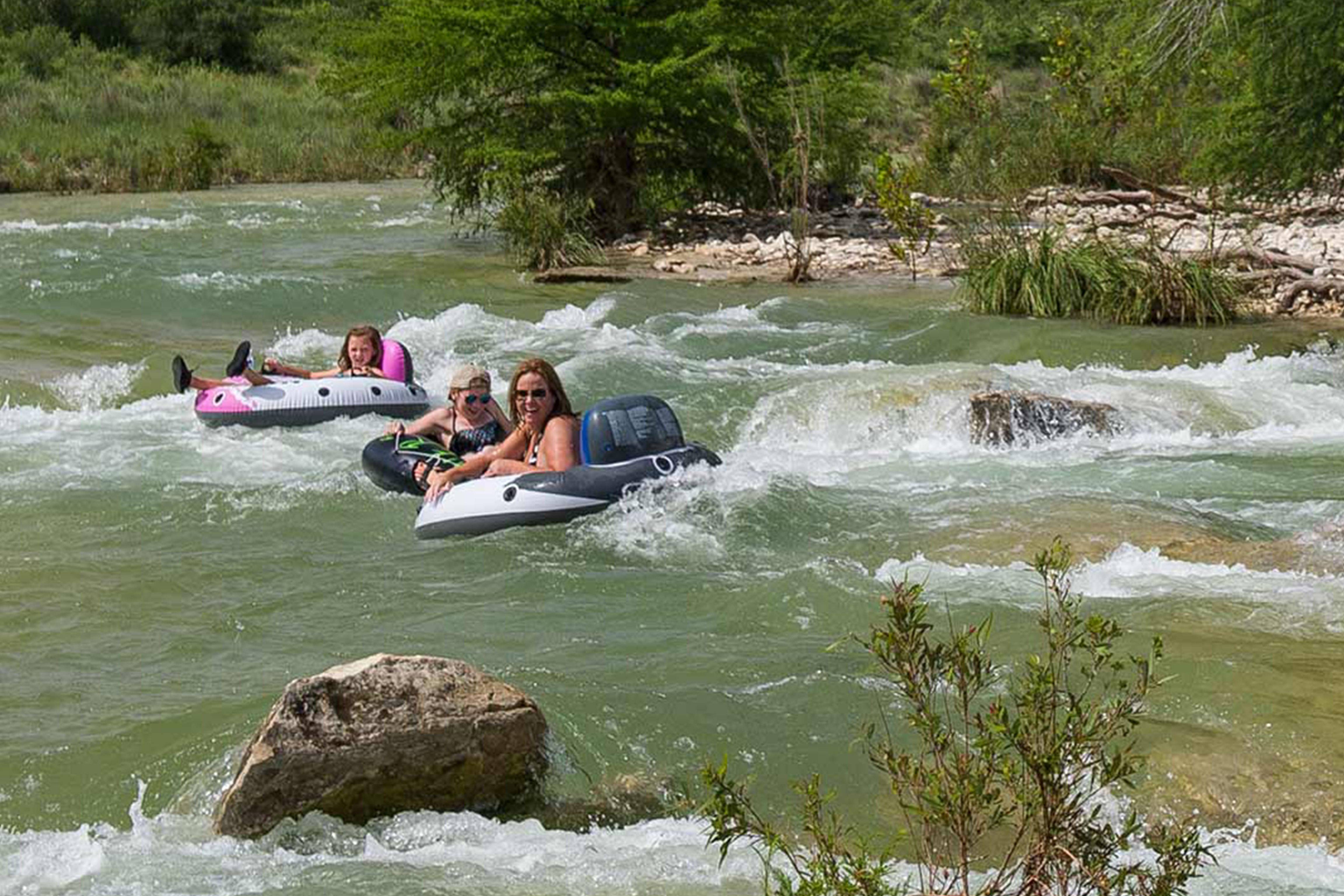
One of the gems of the state park system, Garner is nestled against the Frio River in a beautiful corner of the Texas Hill Country. It’s babbling river is one of the more popular tubing sites in Texas, and its 16-miles of scenic trails wind along canyons, high mesas, and spectacular cliff faces. The park’s proximity to urban areas have made it a popular getaway, and it can get crowded during peak seasons. But there are few spots in the state better for cooling off on a warm summer’s day or exploring during a cool fall hike.
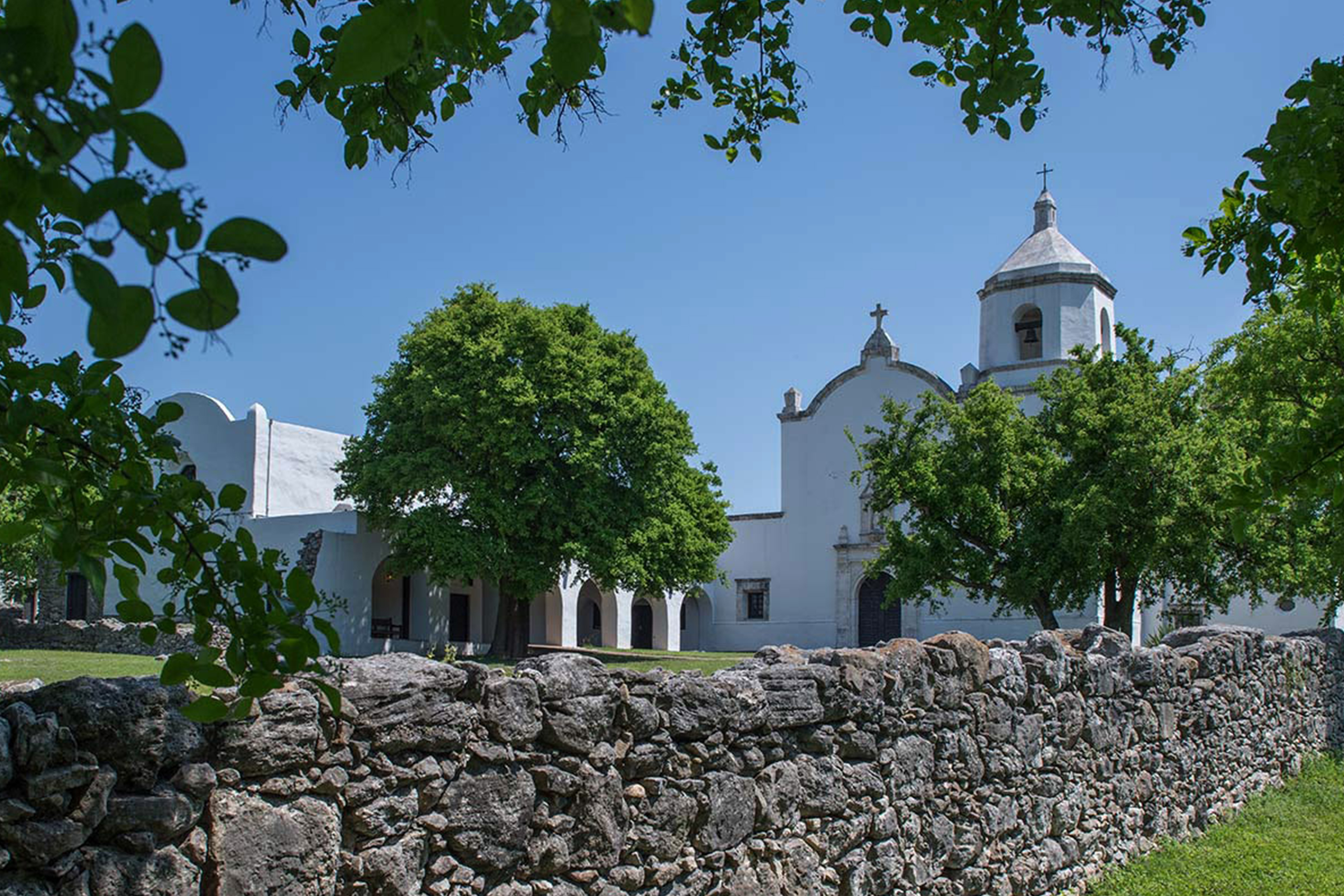
Although it is best known for the infamous Goliad massacre, which took place in 1836 during the Texas Revolution, the site of this state park has one of the deepest, richest histories in the state. Settled by Native Americans long before settlements by the Spanish and, eventually, Texans, Goliad is the site of a historic mission that sat on the Spanish El Camino Real. In the 1930s, workers with the Civilian Conservation Corps restored the Nuestra Señora del Espíritu Santo de Zuñiga, and visitors can now tour the chapel and exhibits, walking along trails and learning the rich story of this significant historic site.
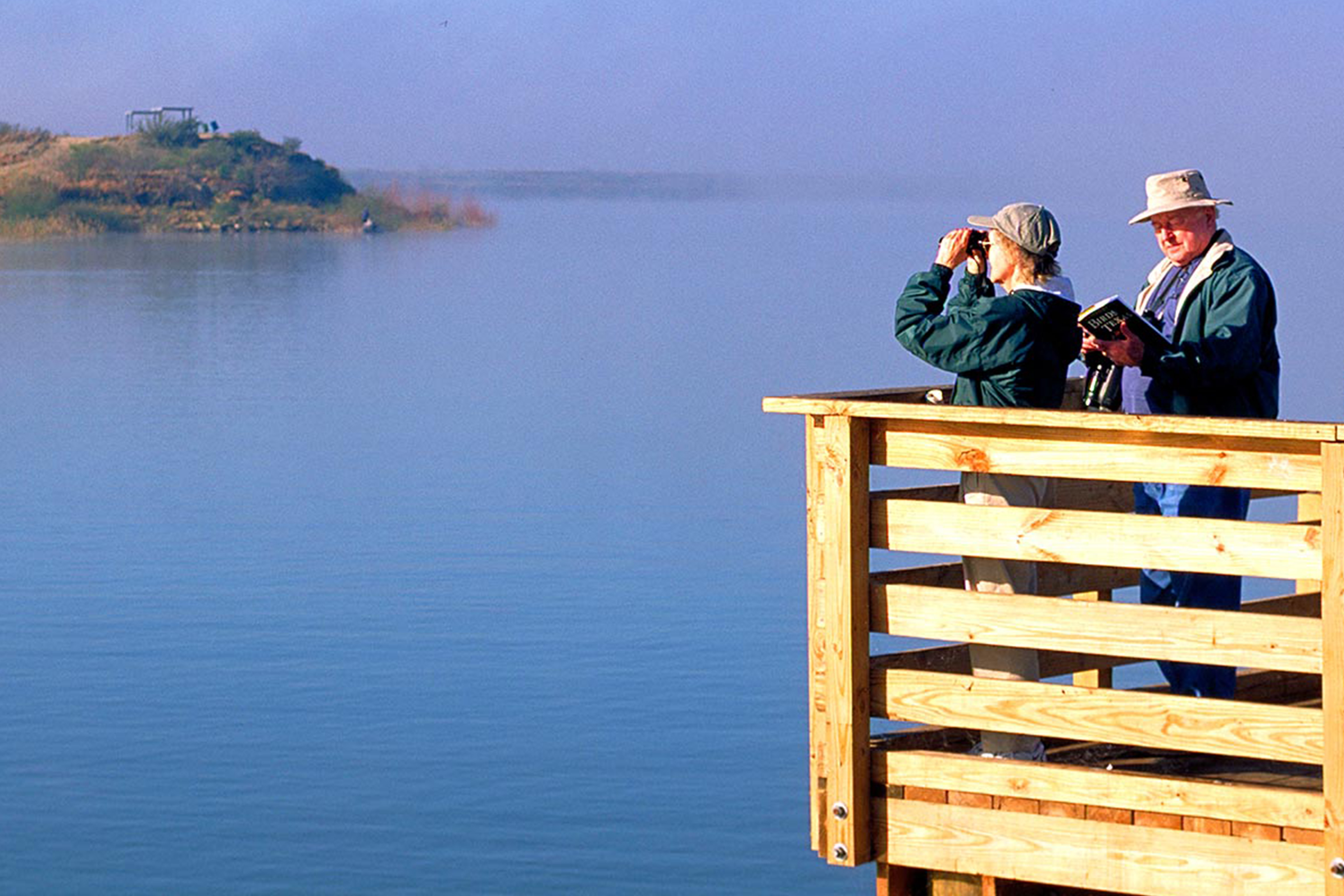
Lake Casa Blanca is a reservoir that was created to offer this parched region of the Rio Grande Valley a few steps from the Mexican border more opportunities for recreation and relaxation. Visitors now enjoy a range of activities, from swimming, fishing, and hiking to water skiing, boating, and camping. The park also features baseball fields, volleyball and basketball courts, and playgrounds.
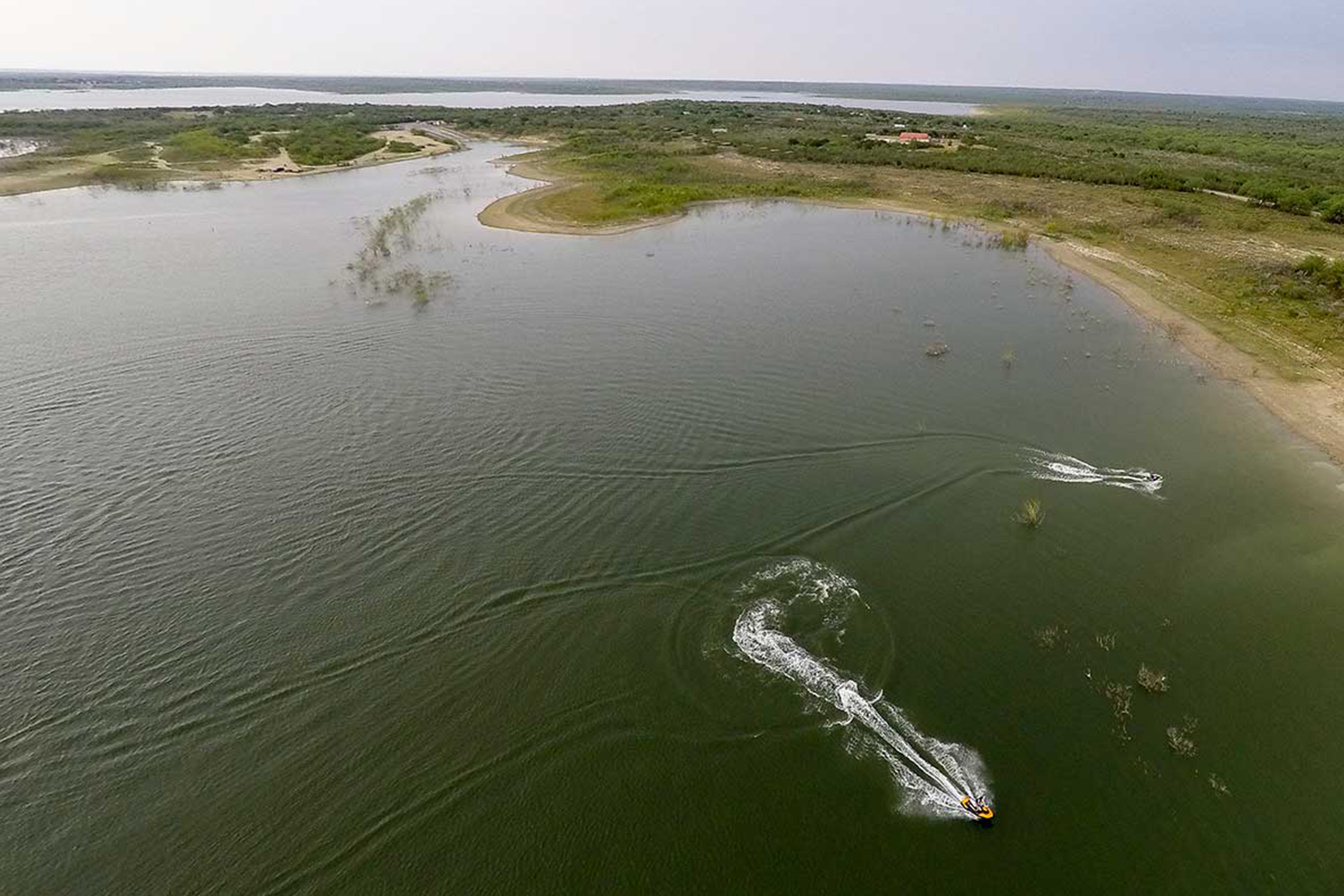
The sprawling and picturesque 84,000-acre Falcon International Reservoir straddles the United States-Mexico border and is a watersports lover’s haven. Boaters, paddlers, swimmers, and anglers can lose themselves on the waters, while hikers, birdwatchers, and campers will have plenty of fun along the shore.
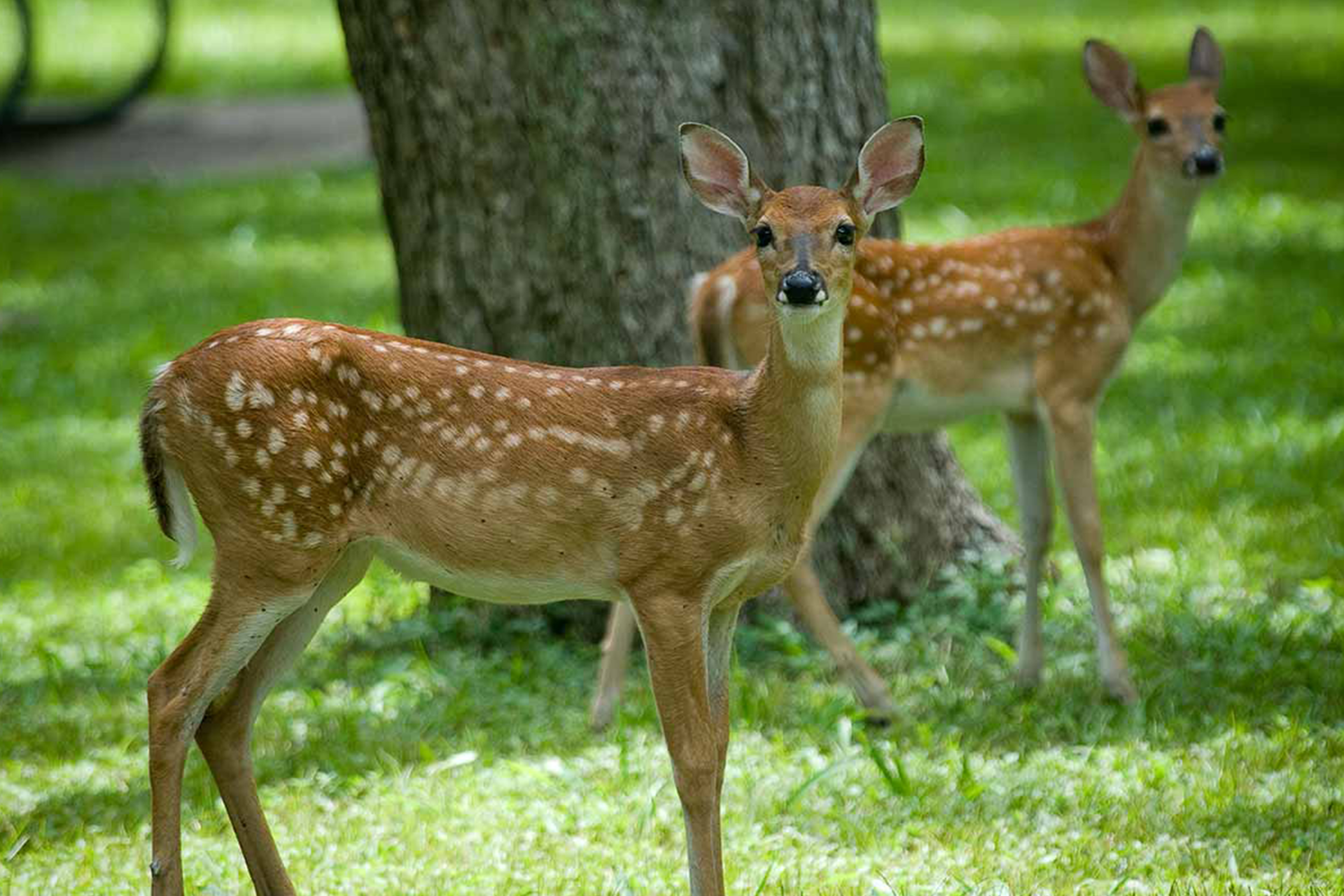
You could call this state park the birth site of the Lone Star State. It was here that Stephen F. Austin moved with 297 Anglo-American settlers after being granted a contract by the Mexican government. Although the original townsite was burned down during the Texas Revolution, in the 1940s, the area was donated to the state to preserve as a historic site. The rolling pecan groves are now popular for picnics, nature walks, and camping.
With nearly 100 state parks in Texas, there’s plenty to explore. Check out our guides for the best parks in every region of the state, stretching from West Texas to East Texas and everywhere in between.
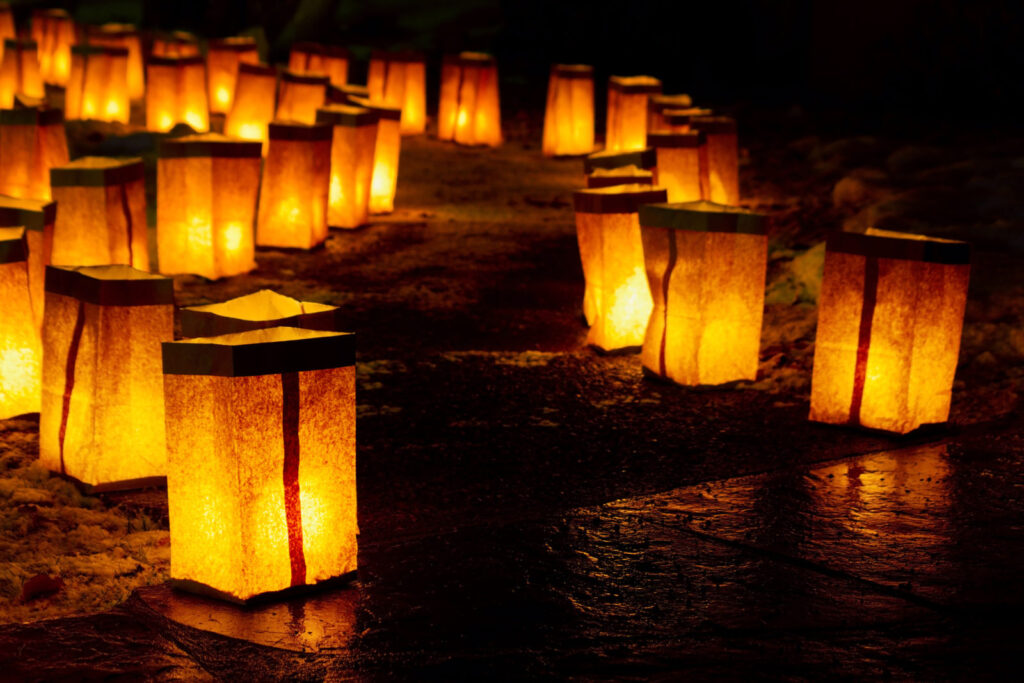
Make Holiday Magic With Luminarias
Holiday light game: strong. And about five centuries old.
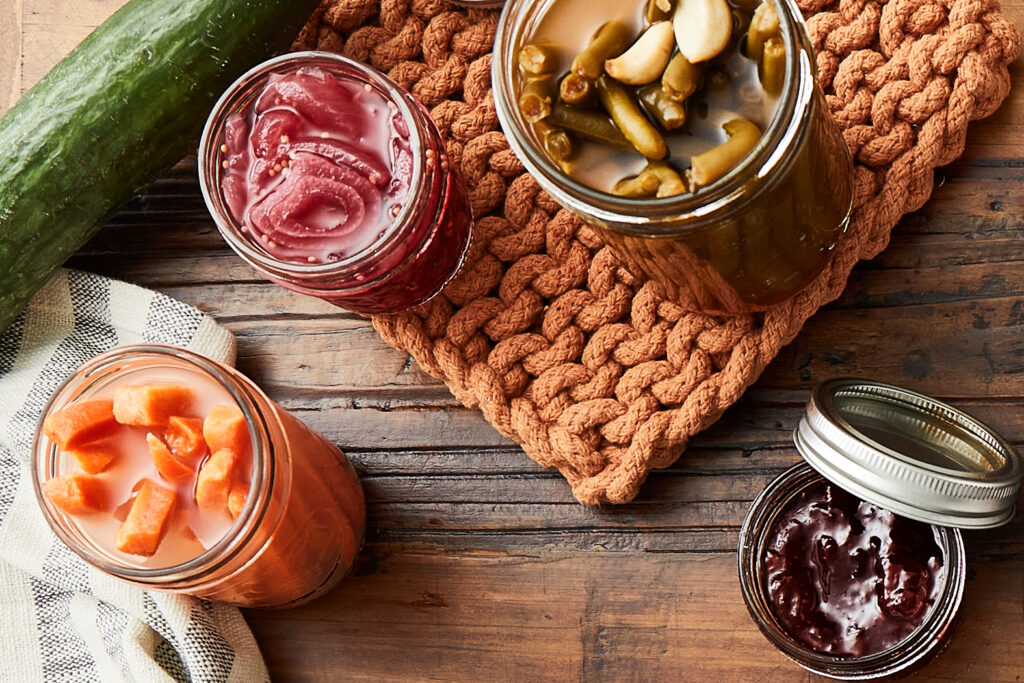
How to Preserve Food: The Ultimate Guide
Discover the timeless techniques of food preservation, from pickling to smoking. Reconnect with historical practices that not only offer lasting flavors but also embrace sustainability and zero-waste living.
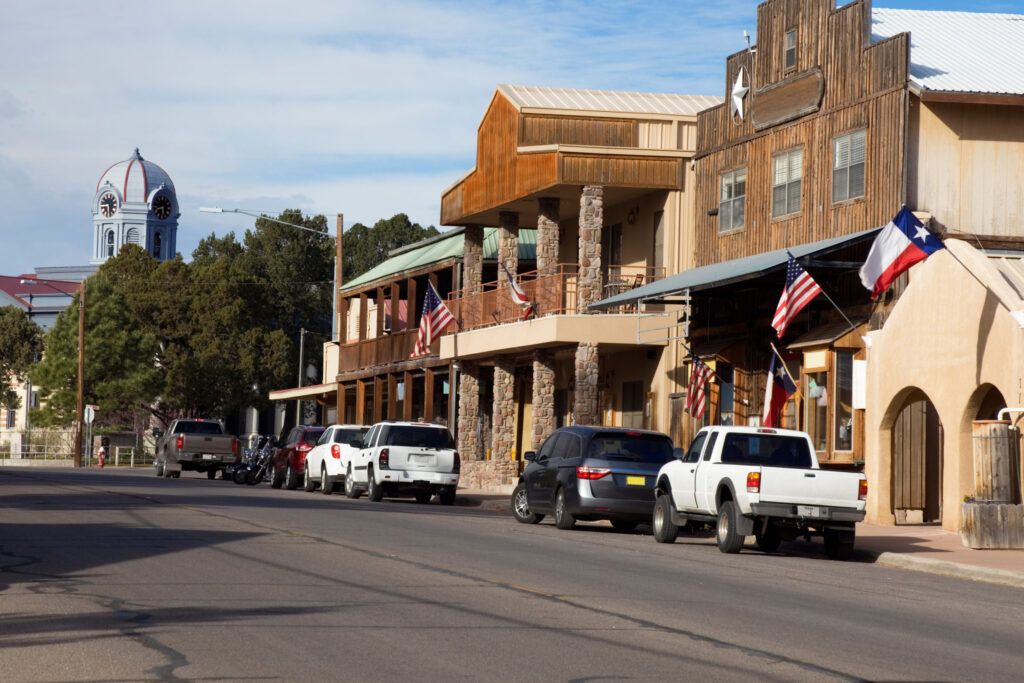
Where to Find the Cutest Small-Town Main Streets in Texas
Capture the quaint, throwback feel of historical Texas.

10 Ways to Spend Valentine’s Day In Texas
For couples and singles alike.

Stop by These Roadside Fruit Stands and Orchards in Texas
Hit the road to pick up some of the best summer fruits.
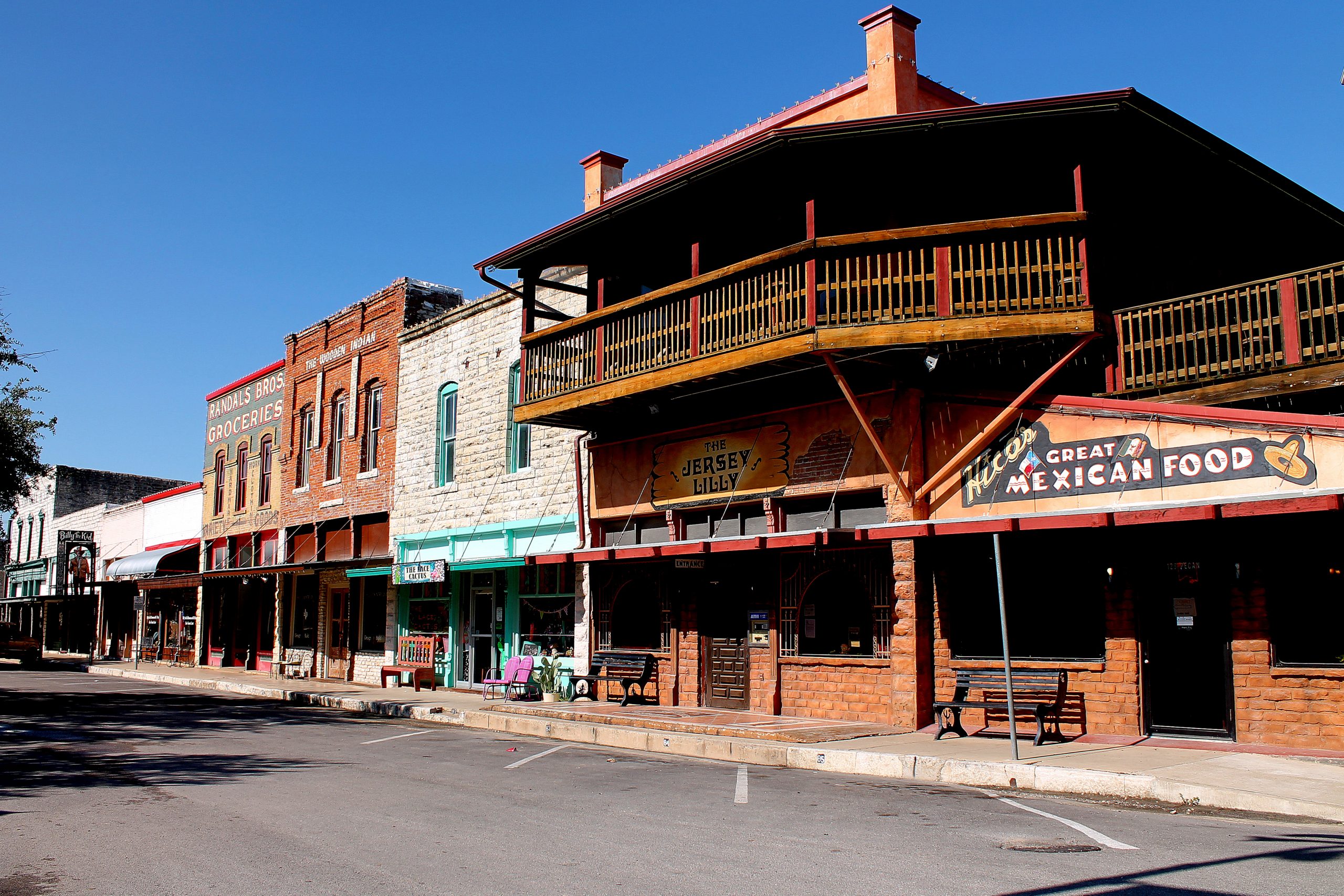
The final resting place of Billy the Kid — maybe.