Please sign in as a member or guest below to access it.
Please sign in as a member or guest below to access it.

You don’t have to go full-on apiarist to keep some bees and make your own honey in your backyard. Here’s a beginner’s guide.
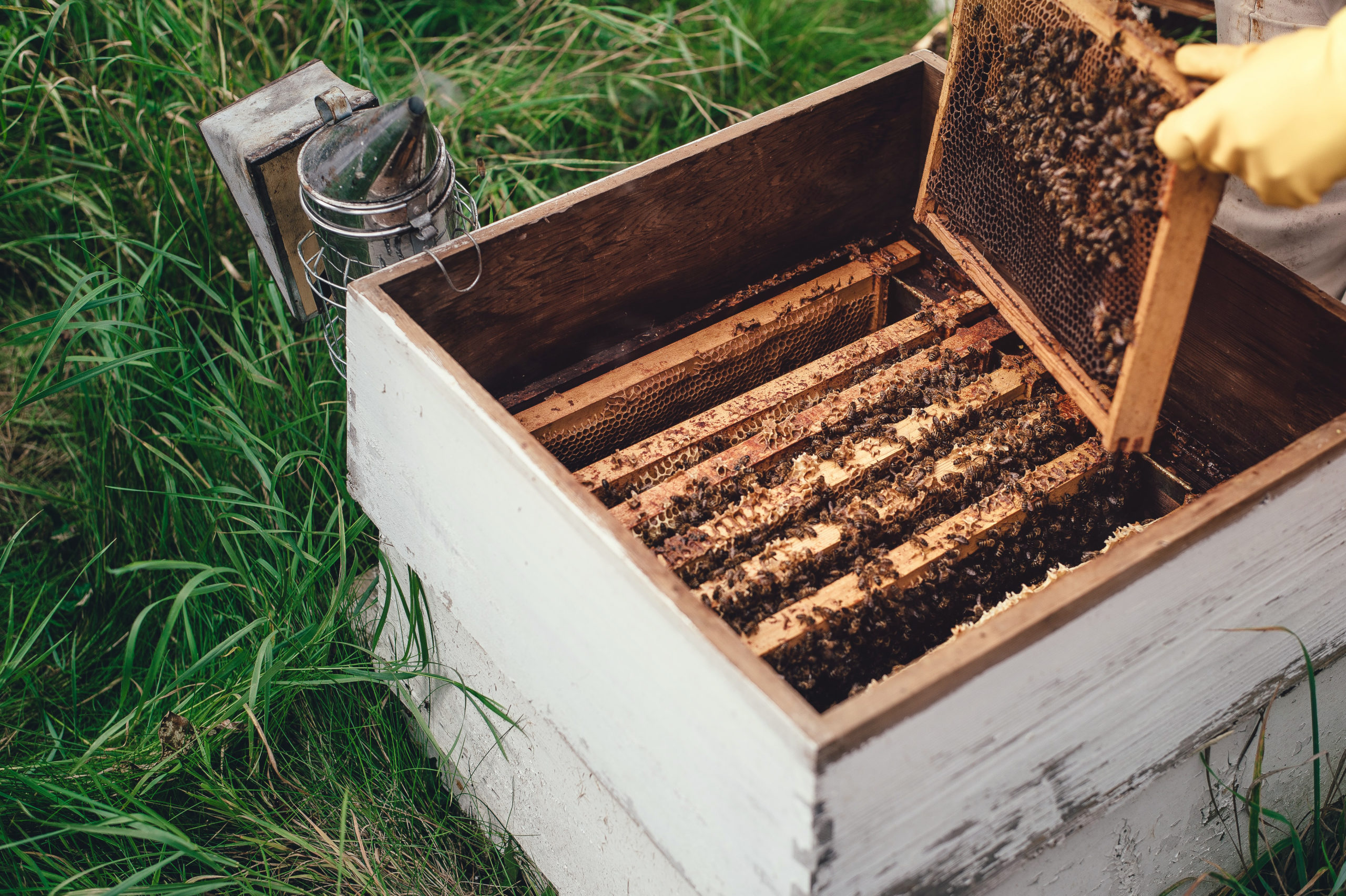
Bees are amazing creatures. They pollinate plants, sustain healthy ecosystems, nurture agricultural cultivation, and produce delicious honey and useful beeswax. Bees are so beneficial that many people have found that keeping their own colony of bees in their backyard is a rewarding hobby.
Backyard beekeeping sounds daunting, but it’s easier than you might think. Even if you are a little afraid of bees and don’t want to be stung, you may find that getting over your fears and establishing a backyard beehive is well worth the effort it takes to produce a jar of sweet, homemade honey. Here’s a guide to getting started.
Before you dive into backyard beekeeping, it’s best to figure out whether you are ready for the commitment. Beekeeping isn’t very time-consuming — the bees do most of the hard work for you. However, maintaining your hives and protecting your bees from pests and disease does require regular maintenance, care, and careful attention. Spend some time reading about bees and beekeeping. Learn how the process of honey-making works so you understand everything that goes into maintaining a healthy hive.
You may want to reach out to local beekeeping organizations in your area. Beekeeping has become a popular hobby in Texas, and many organizations across the state are enthusiastic about mentoring new keepers. Interacting with experts and other local beekeepers will help you learn more about the ins and outs of the hobby and give you a better sense of whether beekeeping is for you. It’s always nice to have a community you can rely on when questions arise.
Establishing a successful hive can be tricky. It will require good planning and a few important tools. It’s best to start in the spring, when bees are most active collecting honey. If you establish your hive in the springtime, you should have your first batch of fresh honey by the end of the summer, which is great motivation as you begin this venture.
It’s important to protect yourself with the proper gear. Here are the three key pieces:
There are a few key tools you’ll need to care for a hive. These items will help prevent stings and help you harvest your honey efficiently.
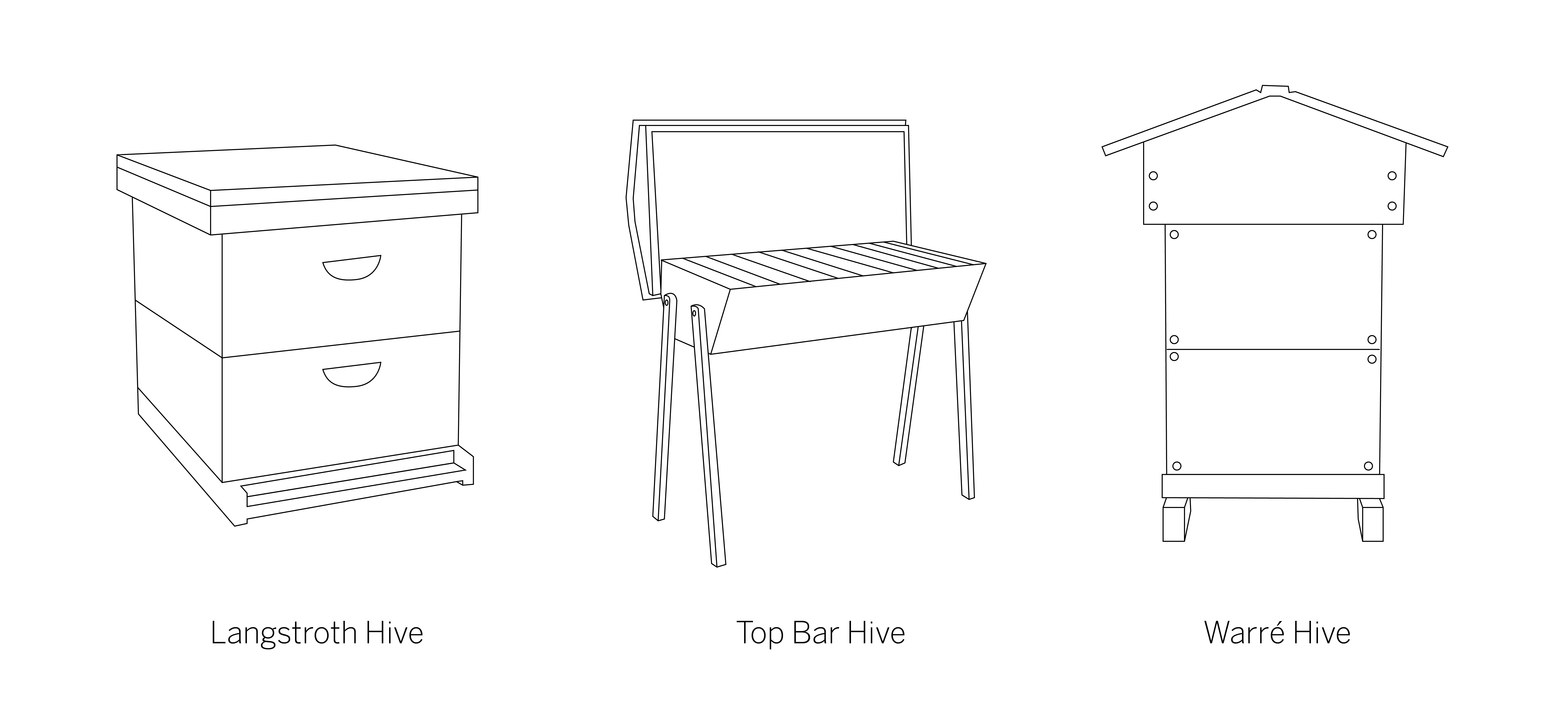
Choosing the type of beehive that works best for you depends on your location, the desired size of the hive, and your experience. You can build your own hives, but they are also readily available at many supply shops. There are three basic types:
It’s not difficult to find bees these days, thanks to the proliferation of beekeeping groups and associations. These groups often have useful resources for finding bees to establish a hive, and there are beekeeping supply stores across Texas.
It will help you to know what kind of bees you are looking for and how you want to establish your hive. When you purchase your bees, make sure you know the breed, as some species are more docile and easier to manage for new beekeepers. There are two main types of bee colonies you can buy:
After you’ve moved your bees into their new hive, they should acclimate to their new environment quickly. Keep an eye on them as they establish themselves, consulting your beekeeping associations if you have any questions. Then, wait for your bees to work their magic. By fall, you’ll be rewarded for your careful stewardship with fresh, sweet honey.
This part needs no instruction.
Learn how Texas’ professional beekeepers are doing it.
© 2020 Texas Farm Bureau Insurance
Post-Quarantine Home Inventory Check
Turn your house into a home (again).
Let the good times blossom!
Looking for a quick way to improve both your indoor air quality and your mood? Green up your home with these indoor gardening tips.
Home Remedies for Outdoor Dangers
Ward against sunburn, overheating, and common stings, bites, and scrapes with flora and fauna this spring.

Winter Home Improvement Projects for Beginners
Don’t worry. You’ll nail it.
A Winter Guide for Planting Fruit Trees
Late winter is the perfect time to plant pear and stone fruit trees in Texas. Here’s how.