
Please sign in as a member or guest below to access it.
Please sign in as a member or guest below to access it.

From cotton to cattle, the story of Texas has always been a story about the land.
The
land has always been central to Texas’ identity. The opportunity to cultivate
new land first attracted the settlers who would eventually launch the Texas Revolution.
The opening of the cattle trails would transform Texas into one of the biggest
cattle producers in the world and instill the image of the cowboy in the
world’s imagination.
In
many ways, the history of Texas’ growth is the history of agriculture. Here’s
how it all began, along with some of the changes that helped shape Texas agriculture
into what it is today.
Texas’
geography is vast and rugged, its climate severe and unpredictable. Before
European settlers, most of the peoples who lived in what we now call Texas were
hunters and gatherers — nomadic tribes who lived off the abundant herds of wild
buffalo or foraged for game and wild edible plants, fruits, and berries.
There
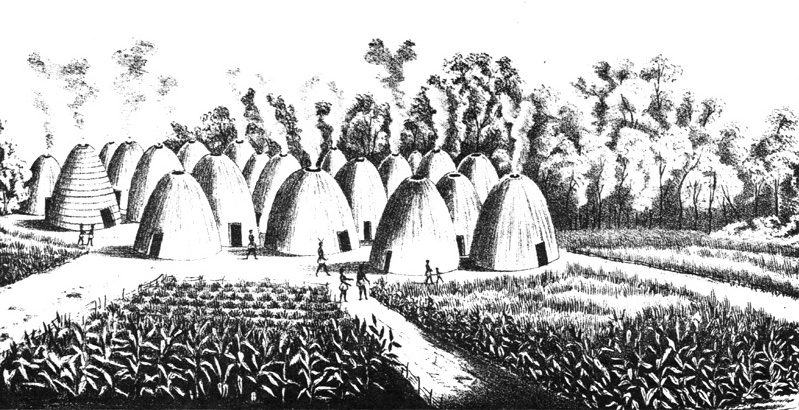
were a few agriculturally based societies of indigenous Texans. The Caddo
Indians in East Texas, for example, lived in villages and cultivated corn,
beans, and squash.
The arrival of Spanish settlers and missions began to change the way Texas’ inhabitants interacted with the land. The Spanish introduced livestock — particularly cattle, sheep, goats, and hogs. Mission settlements were not merely ways to spread Spanish political influence and the Spanish Catholic faith into Texas; they also brought new ideas about how to cultivate crops and raise livestock, including the introduction of irrigation ditches. But the impact of Spanish settlers was limited because most of the state was still dominated by Comanche and Apache tribes, which contained the Spanish foothold in Texas.
Like
so many Americans who moved westward across the continent in the 19th century,
the first Anglo settlers were drawn to Texas by the promise of abundant land.
Newly independent Mexico offered land grants to anyone interested in
cultivating its large and sparsely inhabited northern region. Stephen F. Austin
led 300 families from the U.S. who settled and introduced a slave-based cotton-plantation
system, essentially using the new land in Texas to extend the agricultural
practices of the American south. In addition to new plantations, the early
Texans expanded livestock cultivation and established small working farms.
After
the Texas Revolution, the cultivation of the state evolved quickly. Cattle
drives were established, bringing cattle to market in New Orleans and Fort
Smith, Arkansas. Cotton production expanded, particularly in the South-Central
region around the Brazos, Colorado, and Trinity river basins. And new immigrants
— particularly Germans and Czechs — established smaller, subsistence farms.
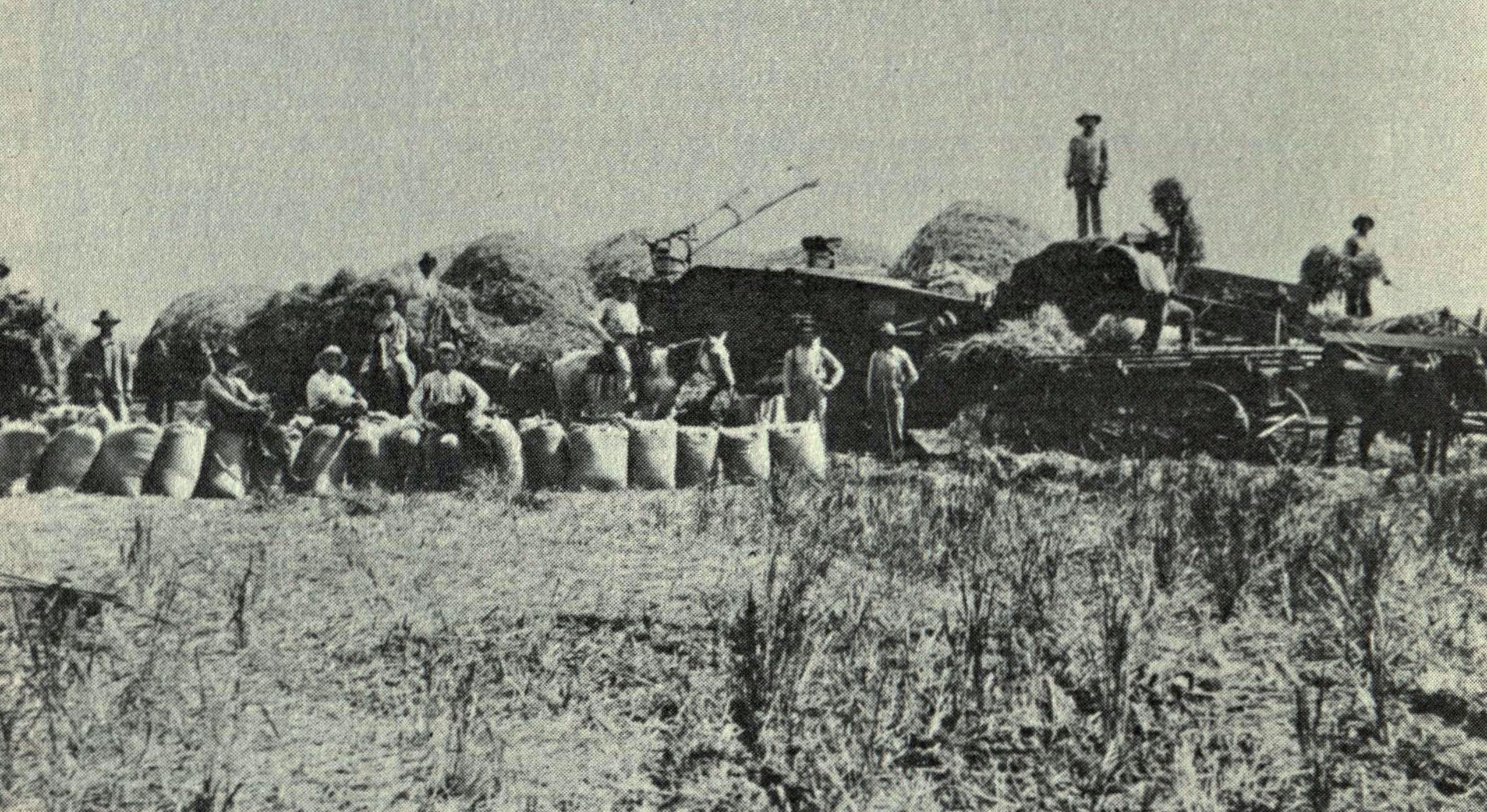
After
the Civil War, Texas’ cotton plantations transitioned from slave labor to
tenant farmers, though for many, the transition didn’t mark a significant
change in their living situation. While, theoretically, the tenant farmers
received a share of the proceeds of the crop for their labor, the system often
left farmers indebted to landowners and effectively tied to the land. Cotton
became Texas’ major cash crop, and the expansion of the railroads helped expand
the state’s reach to markets for the crop.
In
addition, commercial farms began producing wheat, rice, sorghum, hay, and dairy
in the latter half of the 19th century.
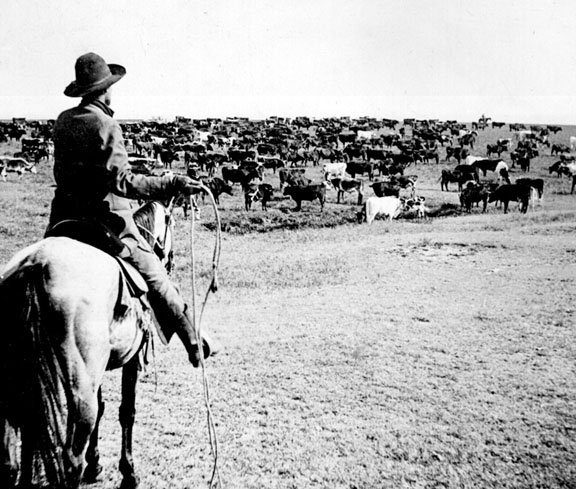
But no innovation impacted late-19th-century Texas agriculture like the emergence of the cattle industry. After the Civil War, the Texas Rangers and the U.S. Army forced Comanche, Apache, and all other remaining tribes onto reservations, thus opening the vast expanse of Texas’ west for settlement and ranching. Legendary Texas ranchers like Charles Goodnight, William T. Waggoner, C. C. Slaughter, S. M. Swenson, and William D. and George T. Reynolds gobbled up huge tracts of land and opened new trails to drive cattle to market.
The
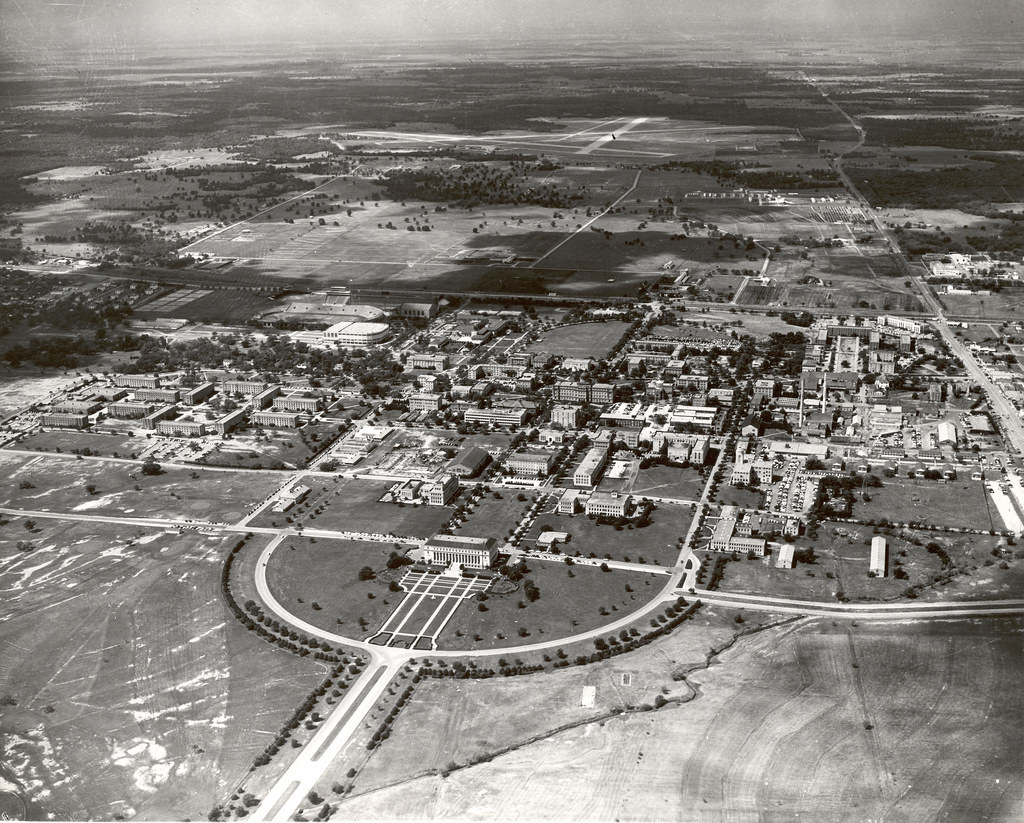
first step toward the modern era of Texas agriculture was taken in 1876, when
Texas A&M University opened. The university would be pivotal in advancing
the science and research around agricultural practices in the state.
The
school’s first big impact came when scientists at A&M helped eradicate
Texas fever, which had devastated the cattle industry. By the turn of the
century, new approaches to agriculture drove an industry that was responding to
the rapid growth of Texas cities and the need for food and other agricultural products
to support them. Between 1900 and 1920, the amount of cultivated land in Texas
grew from 15 to 25 million acres.
During
this time, cotton production increased, as did corn and rice farming. The Rio
Grande Valley evolved into a productive citrus region, as the river was
harnessed to irrigate the arid land. The Panhandle and high plains also emerged
as a productive cotton-growing region, as irrigation practices were extended to
the region and scientists adopted varietals to withstand the harsh climate.
By
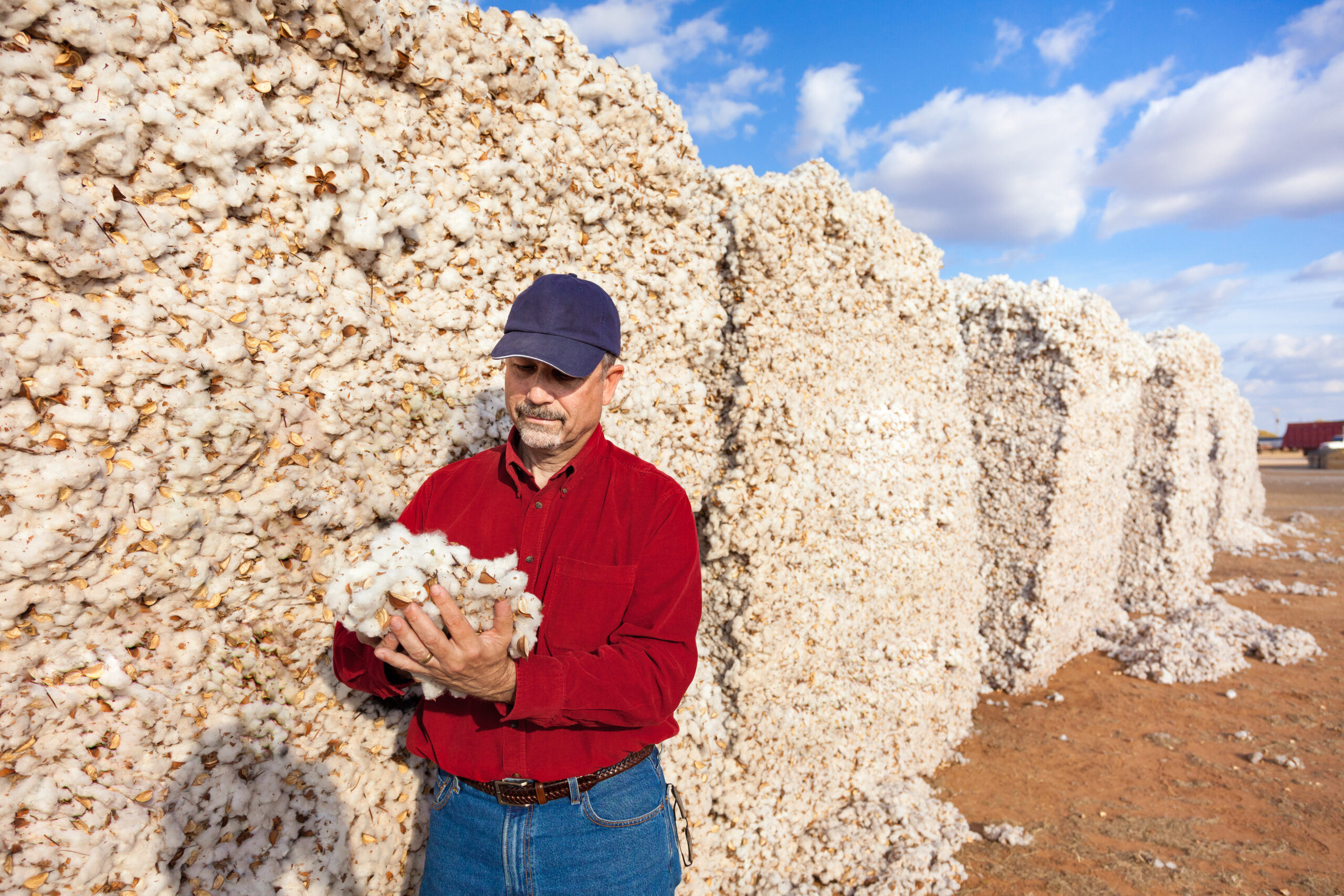
the 1920s, the future of Texas agriculture had taken shape. Seventy percent of
the state’s agricultural land was used for livestock, and nearly 20% of the
land was used for growing crops, with cotton dominating.
The geographical
diversity of the state has allowed for successful production of a great range
of crops — from tomatoes in South Texas to rice in the southeast to corn in the
northern plains — that have helped sustain Texas as one of the great agricultural
producers in the U.S.
Learn how our amazing Texas Farm Bureau members continue to innovate and bring Texas’ agricultural practices into the future.
© 2020
Texas Farm Bureau Insurance
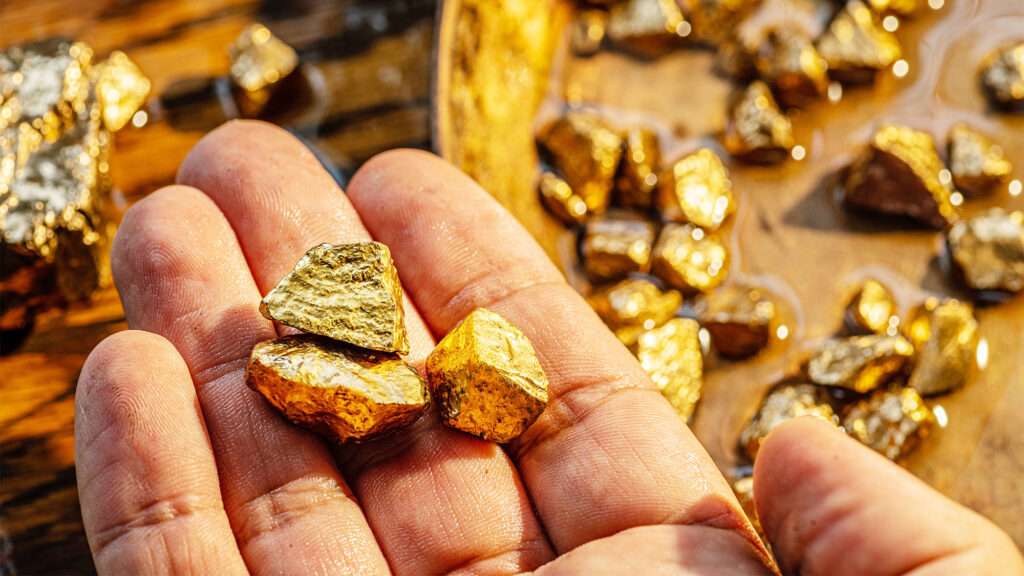
Where to Pan for Gold in Texas
For those seeking flake and fortune.
Texas’ German Culture in the Hill Country
From schnitzels to sausages, experiencing German culture is as easy as a day trip to Fredericksburg or New Braunfels.
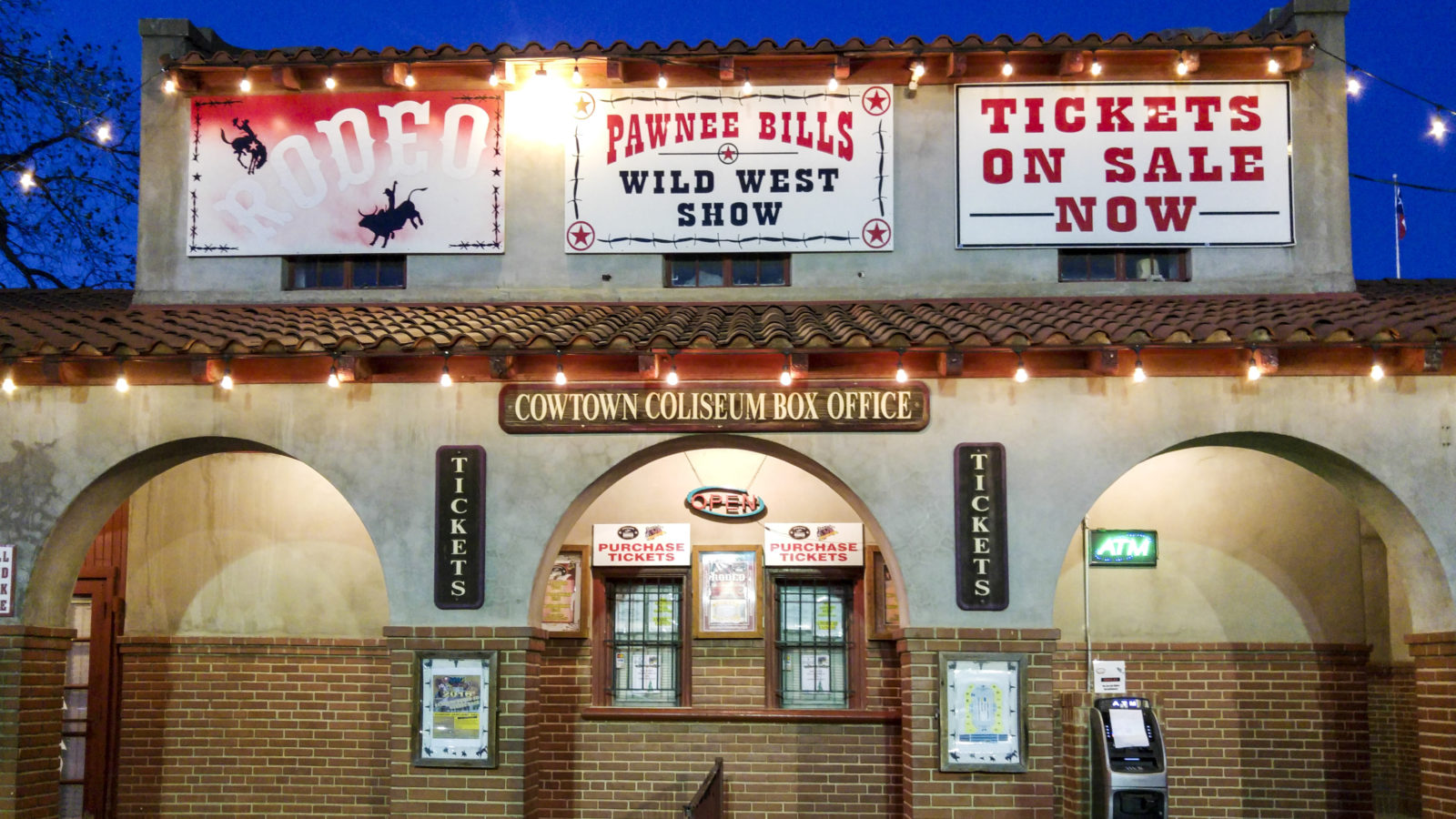
The Oldest, Biggest, Best Texas Rodeos
Where to go see cowboys strut their stuff and show off their tricks.

When you think of Texas beaches, you may not think of surfing. But the state has a rich and loyal history dedicated to the sport.
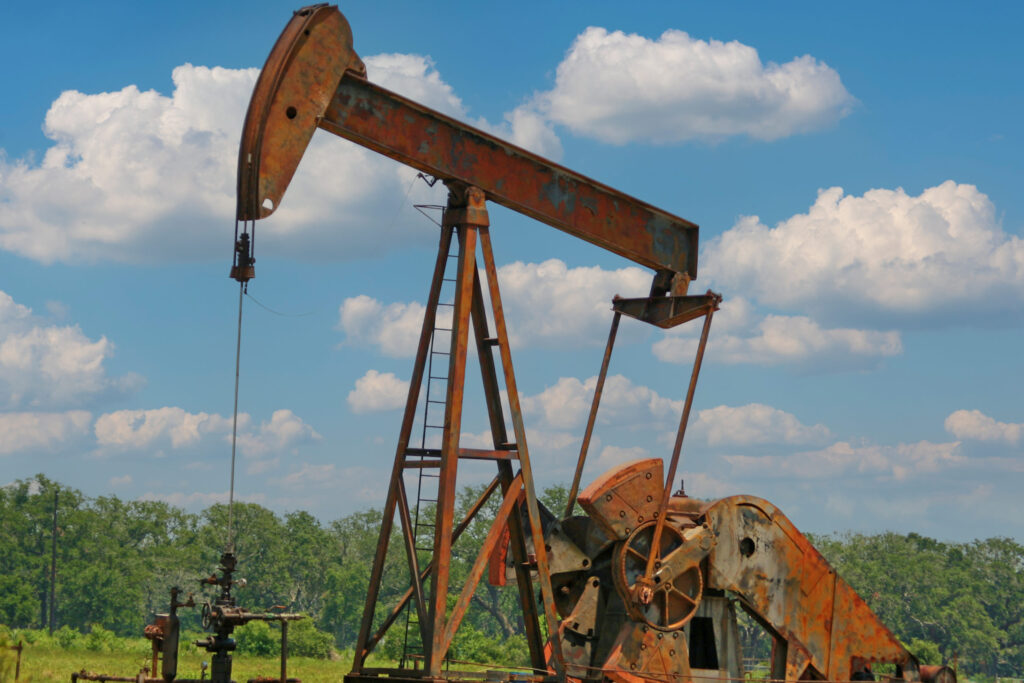
Texas Titans: H.L. Hunt, Legendary Oil Tycoon
He turned a $50 loan into a $2 billion fortune.
How American Modernism Was Born in the Panhandle
Georgia O’Keeffe’s obscure years in the Panhandle were radically formative for the young artist.