
Please sign in as a member or guest below to access it.
Please sign in as a member or guest below to access it.

These are the nocturnal furry friends you never knew you needed.
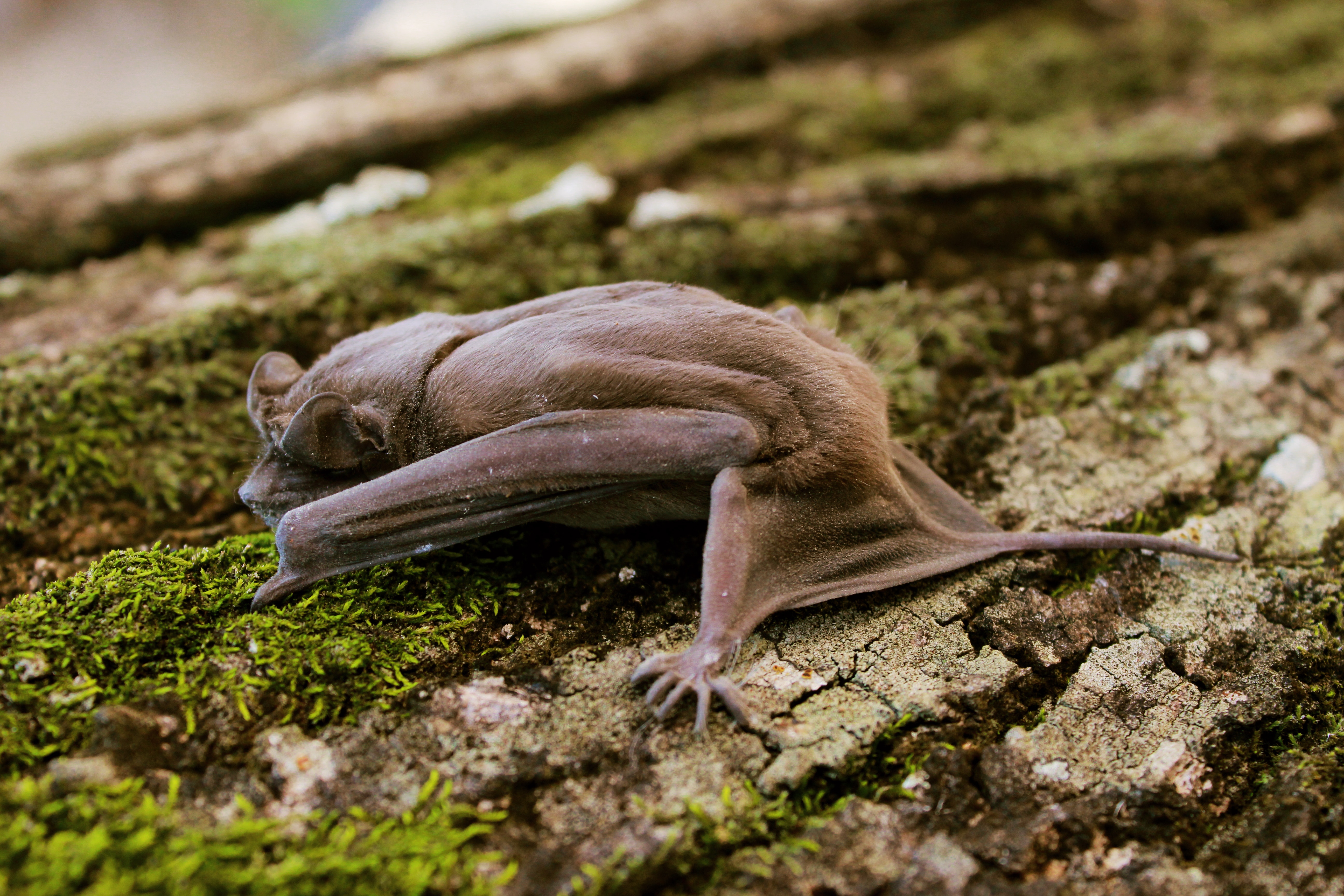
Bats get a bad rap. In films, they indicate horror settings or dangerous places. Vampires turn into bats. The superhero Batman is a moody loner, dark and mysterious. But in truth, bats are remarkable little creatures.
Unlike Batman, bats tend to be very social and live in large colonies. They’re smart and resourceful, have cool superpowers like echolocation to navigate in dark caves and at night, and if you’ve ever seen a picture of a little furry baby bat up close, you know that, reputation aside, bats are downright adorable.
Bats are also essential to our ecosystem and incredibly useful friends to have around. The good news is, you can easily make them feel at home with this fun weekend project. Here’s how to build a welcoming little bat box for your new nighttime pal.
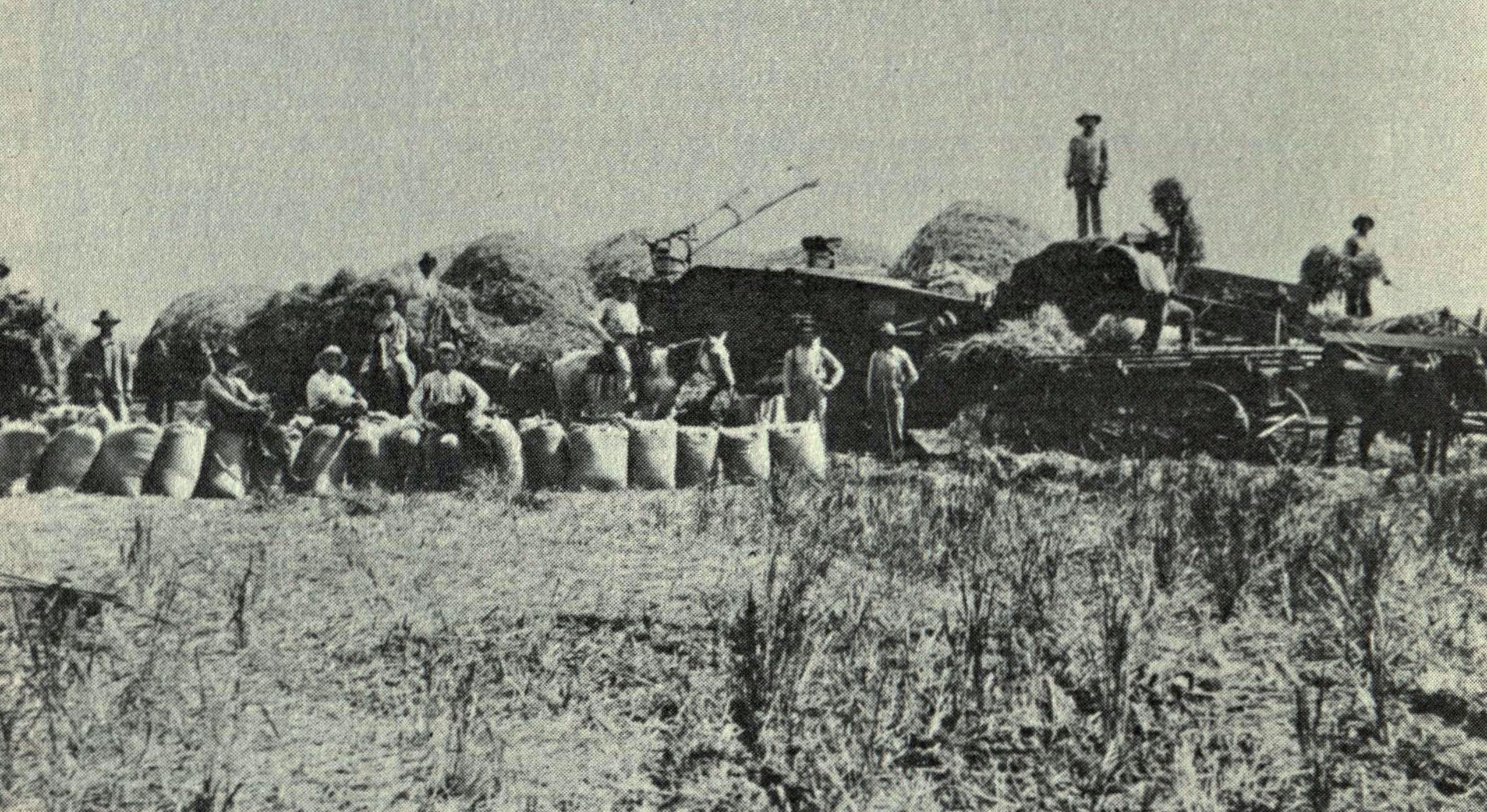
Bats play an important role in the ecosystem. Some feed on nectar and are pollinators. Some eat fruits and disperse seeds. Their droppings can be used as fertilizer. Most significantly, bats eat night-flying insects and bugs that can be a threat to agriculture. In fact, they are believed to be vital in helping to control the spread of insect-borne diseases including malaria.
Bracken Cave in Comal County is home to one of the largest bat colonies in the world, and that clan of sometimes 20 million bats eats corn earworms and cotton bollworm moths, helping to save Texas millions of dollars in damage to crops each year.
Whether or not you’ve ever seen a bat in your neighborhood, chances are — especially in Texas — they are already there. At least 33 species of bats share our state with us, and 11 are known to live near human populations. They make their homes under tree bark and in tree cavities and hollowed-out trees, in abandoned mines, and in crevices under bridges. To coax them to your yard, all you need to do is provide a cozy habitat.
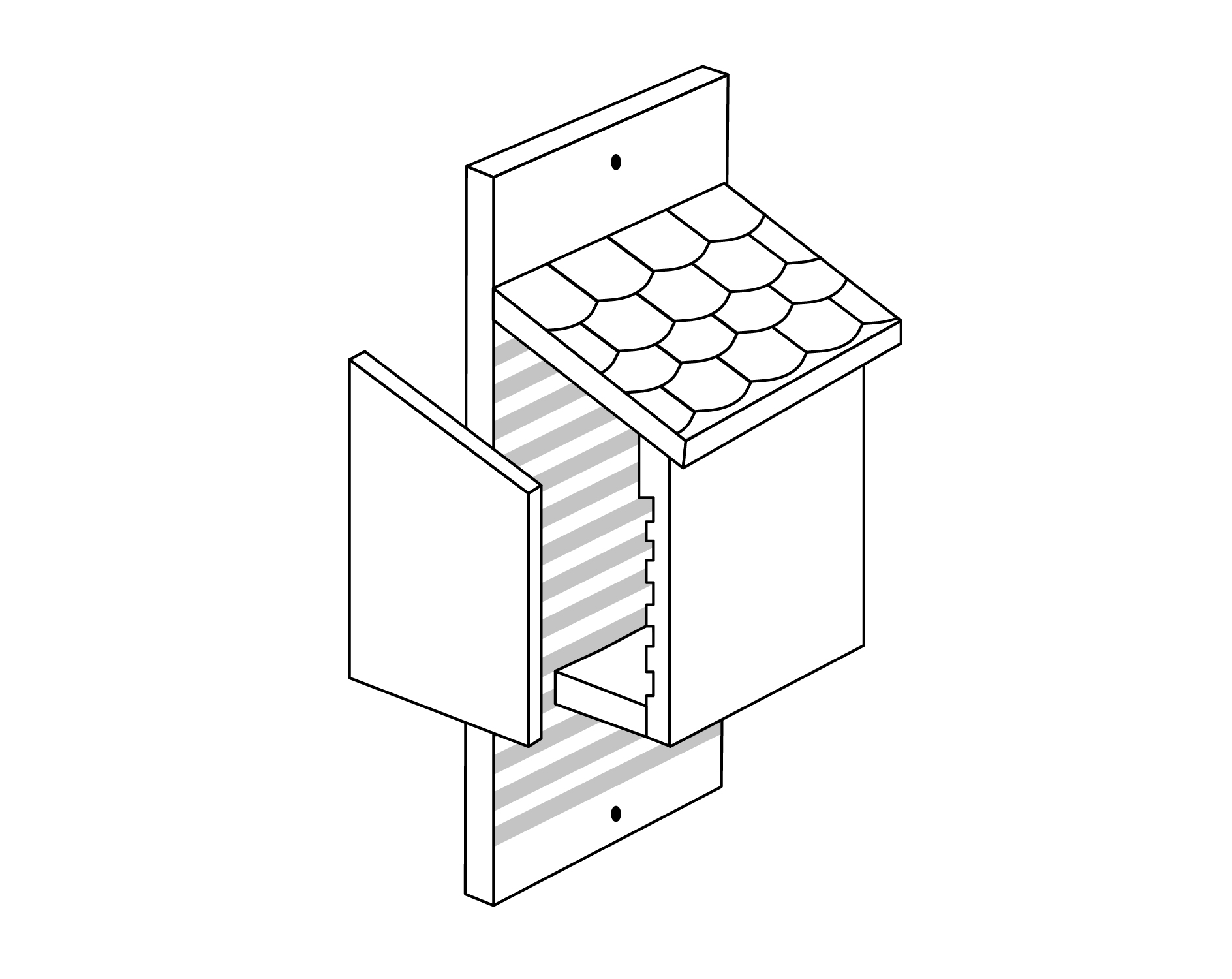
Bat boxes are simple wooden structures that imitate the kind of conditions bats find in the wild: narrow, tight spaces with rough-textured interior walls located in a spot that can stay warm, thus emulating the cozy space between the bark and the trunk of a tree and creating a place for your bats and their babies to curl up.
It might go against their whole vampire aesthetic, but bats actually need a lot of sun to stay warm, and bat boxes must provide a reliably warm environment. It’s also important that you keep your new friends safe from predators. Your bat box should be:
Here are the materials you will need for a four-chamber bat nursery. Keep in mind cedar or poplar lumber are recommended for your little construction; make sure you steer clear of pressure-treated wood that may contain chemicals toxic to the animals.
Bat boxes are fun crafts you can easily knock out with the kids on a blustery October weekend. For the exact design and specifications, go with the recommendations of the nonprofit Bat Conservation International (BCI), which recommends building a multi-chamber house, if possible.
To build your house, follow the cutting guide in BCI’s plans to cut the plywood into the shapes required to create the exterior walls and interior chambers in the house. The ½-inch plywood will be used for the shell’s front and back and the 3/8-inch plywood will be used to create the roosting partitions. The 1-inch board will be cut to create spacers that will help set roosting spaces. Don’t worry — the cuts are simple, and once you have all the pieces, they screw together simply. Then, seal with caulk and stain.
If the bats don’t move immediately into their new home, don’t panic. If the conditions are right, they will find it. Then, in the evening, you can pull out a lawn chair and watch as the amazing little guys flutter about, beginning their long night watch of keeping your yard free of pests.
Preserve a beautiful piece of nature with this guide.
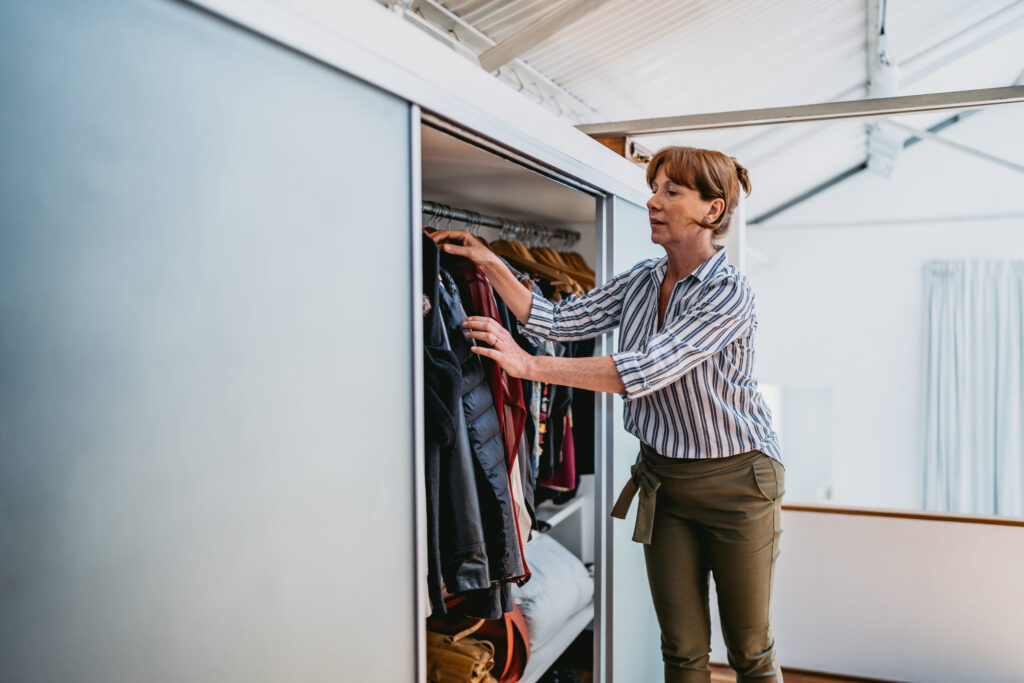
The Ultimate Stay-at-Home Guide for a Clean, Clutter-Free Home
If we have to stay home, it helps if our homes are at their best.

No license or insurance? Pass.
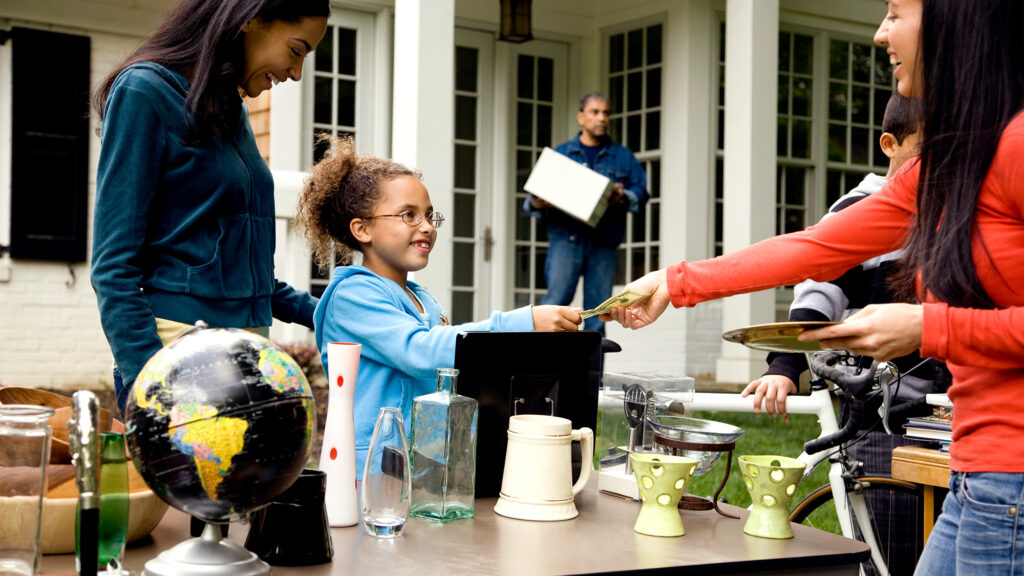
Declutter and make some extra cash at the same time.
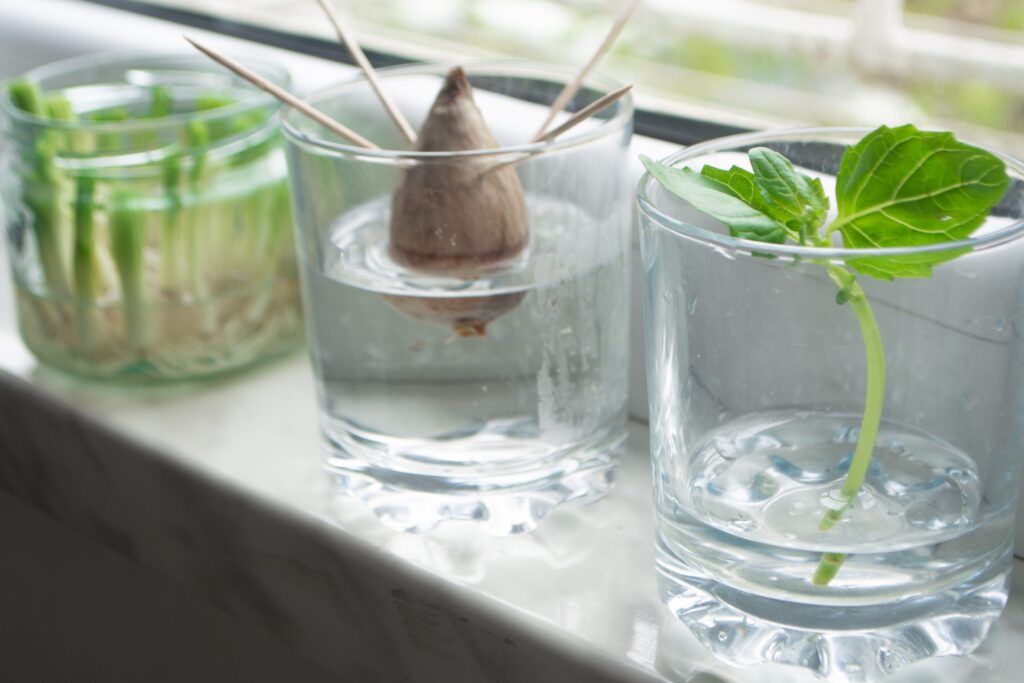
5 Fruits & Vegetables You Can Regrow Right in Your Kitchen
Don’t toss it. Regrow it!
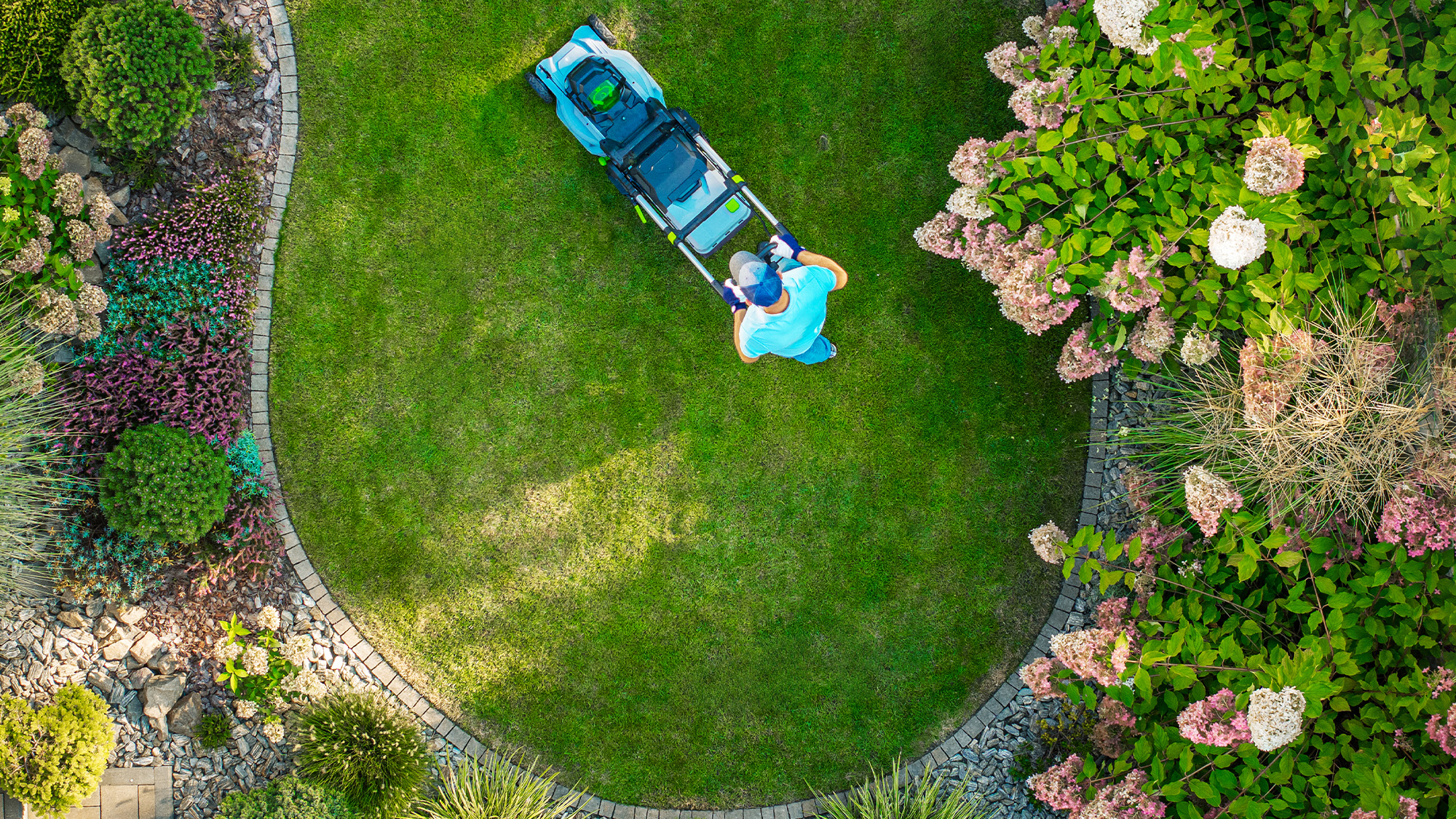
Make the Most Out of Your Backyard
Projects to create an outdoor oasis.