Please sign in as a member or guest below to access it.
Please sign in as a member or guest below to access it.

Inscrutable symbols were splashed across Texas’ cave walls thousands of years before European settlers arrived.
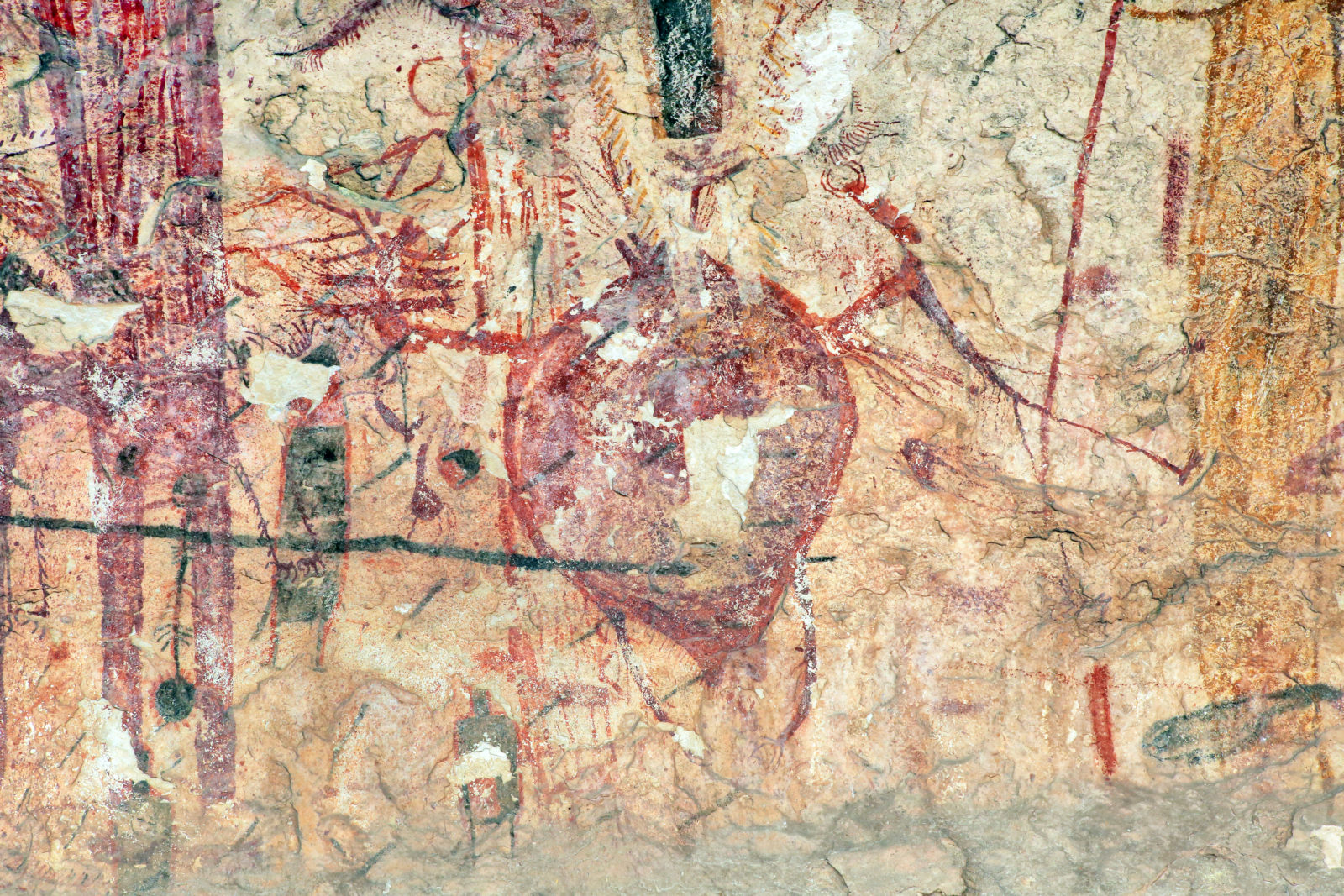
The journey back in time begins on the edge of Seminole Canyon, a few miles north of the Rio Grande and west of Del Rio. A guide from Seminole Canyon State Park & Historic Site leads a small group down a narrow path toward the floor of the canyon. Then, we wind back up into a shaded overhanging of rock.
From there we can see dozens of fading pictographs — colorful paintings of animals, ancient people, shamans, and other figures and symbols more difficult to decipher. They are part of the hidden story, told on the faces of these rocks, of the people who once populated Texas’ plains and canyons long before any European settlers arrived.
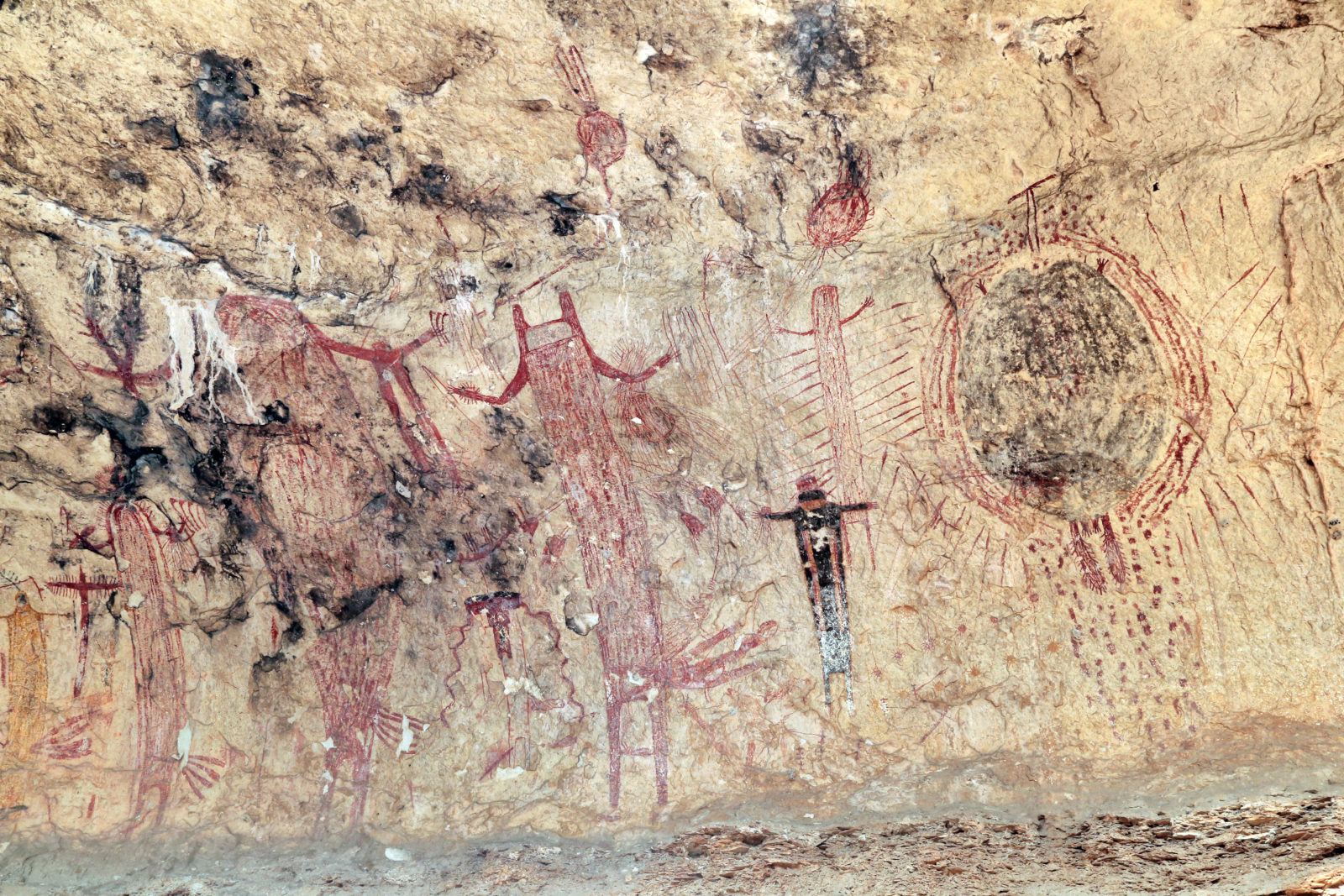
It’s a bit of a well-kept secret that Texas is home to some of the best-preserved rock art in the world. There are hundreds of sites, scattered across the state, where some of the original Native American tribes that populated Texas upwards of 5,000 years ago made paintings or carvings depicting images and scenes of mysterious origins and intent. Some believe the rock art is a kind of visual history of the people, or part of unknown religious rituals. They can be found along the Rio Grande and in the Pecos River valley, throughout the Hill Country, and even up into the Panhandle.
Over the centuries, much of this rock art has been lost to erosion or vandalism. A lot of the pictographs lie on private lands and can be difficult to access. But there are a handful of places where you can still come in contact with some of the oldest remnants of human artistic expression in the Americas. Here are a few of the best:
For more on Texas’ storied past, dive into a region-by-region guide down the historic Forts Trail.
The Rise and Fall of the Texas Railroad
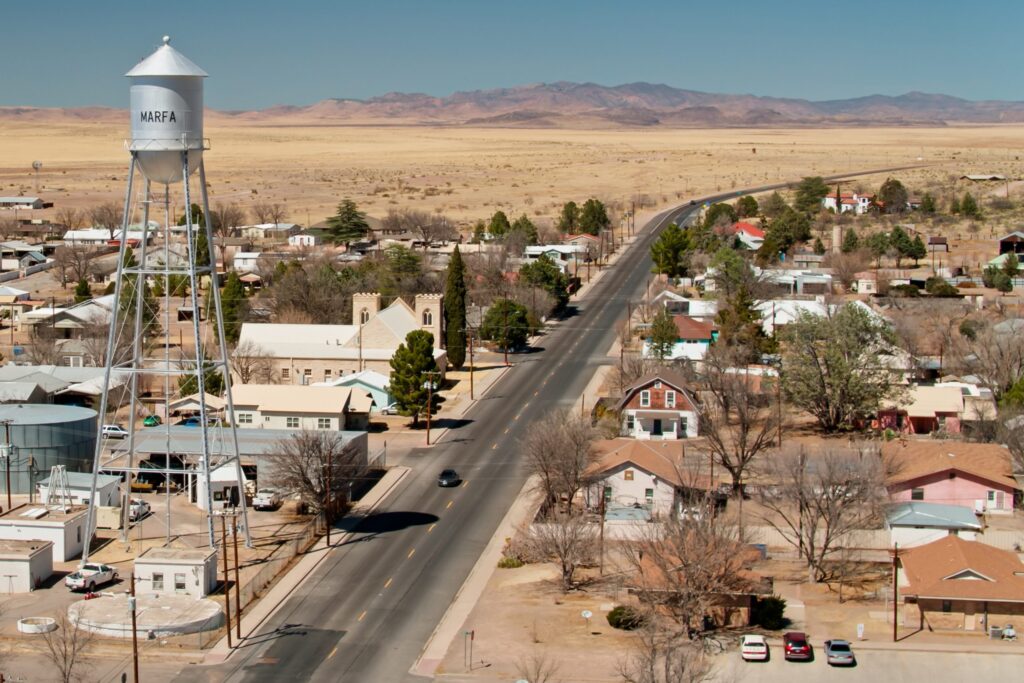
There was once a time you could ride the rails from Sherman to Marfa.
The History Behind Unique Texas Town Names
Ever wonder how Texas became home to some of the most inventive town names in the country? Here are the stories behind a few of Texas’ famously quirky town names.
Meet Wise County’s Luffa Authority
How a single crop helped build a sense of community in Aurora.
How 4 Texas Rivers Built Our Cities
The names of Texas’ rivers are etched into the history of the American West.

Why the World’s Largest Airline Loves to Call Texas Home
Every American Airlines plane that lands at DFW International is arriving home.
How American Modernism Was Born in the Panhandle
Georgia O’Keeffe’s obscure years in the Panhandle were radically formative for the young artist.