
Please sign in as a member or guest below to access it.
Please sign in as a member or guest below to access it.

There are few better ways to show your Texas pride than by restoring your land to its native ecosystem.
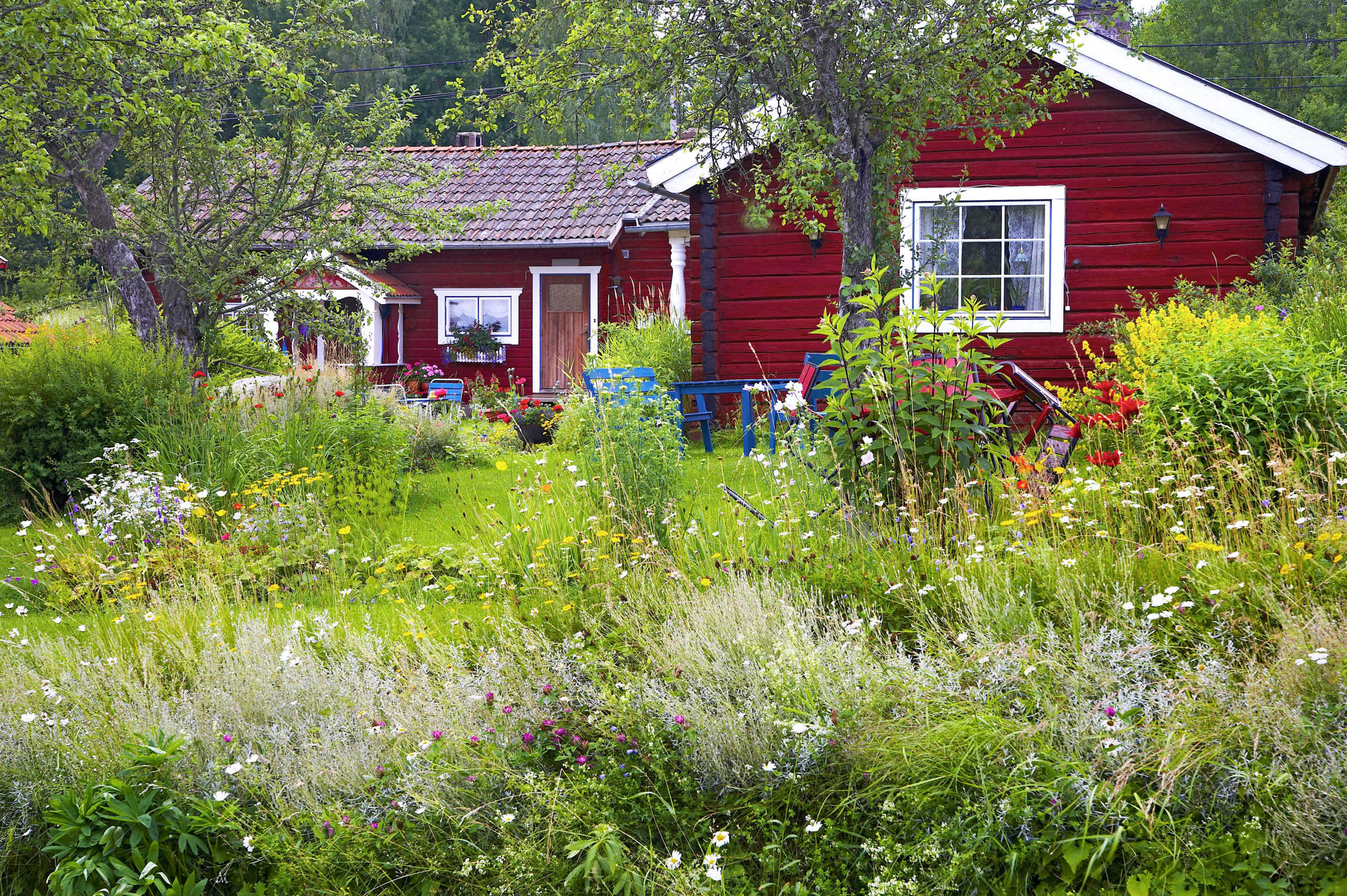
The conventional green, grassy front lawn is a British invention born in an environment typified by long, cool winters; grey, overcast summers; and plenty of rain. In other words, the front lawn comes from a distinctively un-Texas environment. In recent years, more and more Texans have been rethinking their gardens and yards and embracing native Texas plants over the typical garden store ornamentals.
This movement — sometimes called rewilding — offers many potential benefits. Native Texas plants are already adapted to the Texas climate, so they are resilient, easier to maintain, and require less watering than non-native plants. Gardening with native Texas plants also helps cut down on the number of invasive species that are introduced to the Texas ecosystem via home landscaping and spread to Texas’ wild places.
And while cultural attitudes have promoted conventional tastes for Bermuda grass and leafy box shrubs, many Texans are discovering that the flora that once thrived in Texas’ prairielands, arid Hill Country, western deserts, and semitropical valley regions are beautiful and worthy of celebrating.
If the idea of returning your yard to its Texas roots is appealing, here are some ideas on how to rewild your land and sources of inspiration to get you started.
Before you plan that trip to the garden store, start your rewilding project by getting more familiar with your little corner of the world. Your yard may look like a postage stamp of green lawn, but it has a history and particular characteristics that will help determine how to rewild it. Do you live in a part of the state that was once covered in prairie? Is the soil rocky and sandy, or is your land located near a water source or a former wetland? All these things will help you choose plants that will thrive in their native conditions.
To plan your new landscaping, it’s also important to know the basic conditions you will be dealing with. Is your yard sunny, shady, or mixed? How is the drainage? What is the soil type? You can have your soil tested for its alkaline content, which will help you choose the kinds of plants that will thrive in your particular soil. Understanding the drainage of your property will also help you prepare for any necessary irrigation improvements. Finally, planning a rewilding project doesn’t mean digging up your yard and starting from scratch. Decide if you want to begin by phasing native plants into parts of your yard to gradually transform its look and vegetation.
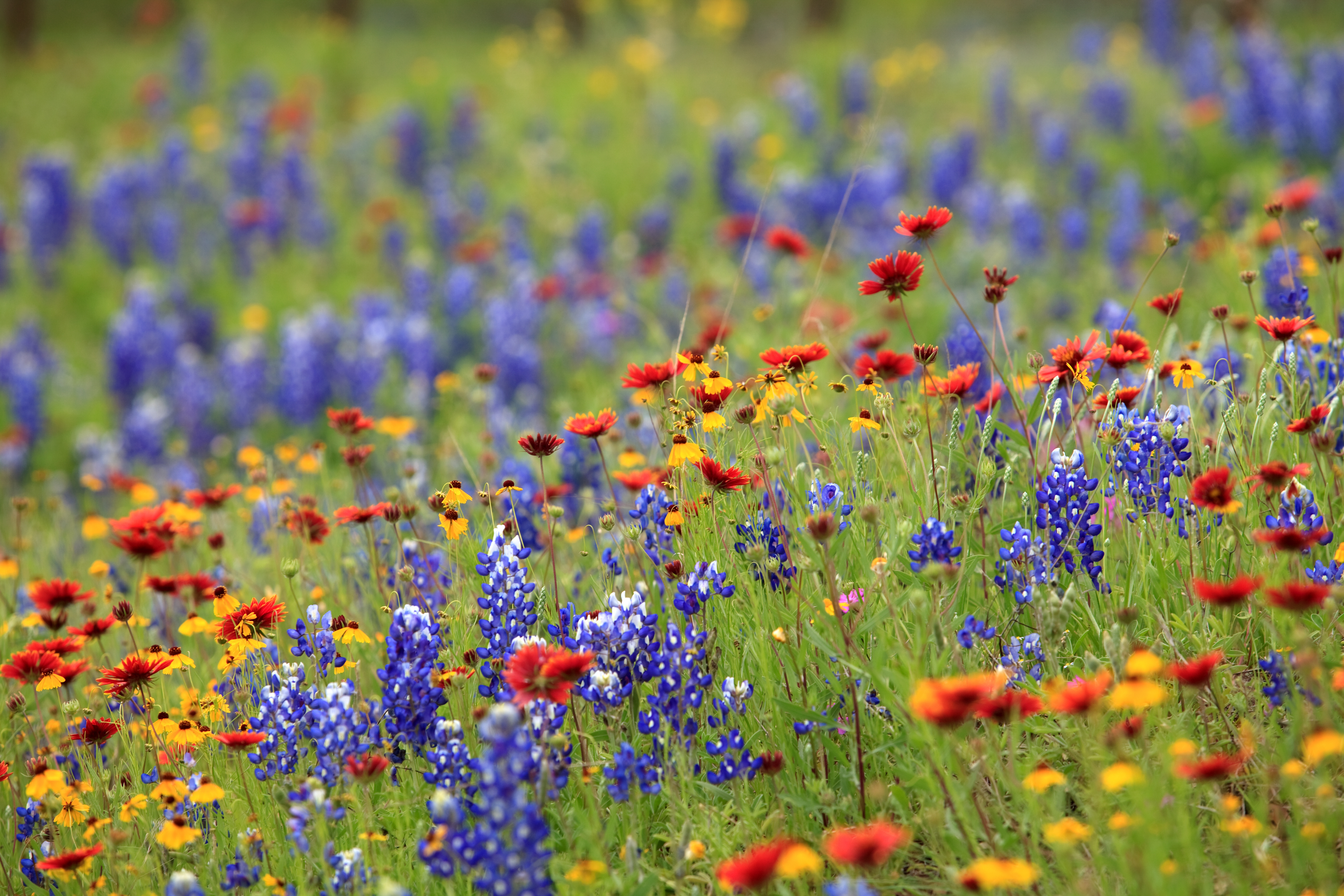
Restoring your yard to its native Texas roots may require more than simply incorporating new plant varieties into the landscaping. Years of conventional gardening may have altered its basic soil composition, and persistent weeds and grasses can be difficult to remove. Depending on the scale of your project and your yard’s conditions, there are a variety of potential approaches to pre-planting prep:
Once you are familiar with the general conditions of your yard — its soil, history, sun, and drainage — choosing the right native plants will be easy. There are many resources for finding native plants that will thrive in your region. Check out the Lady Bird Johnson Wildflower Center, the Native Plant Society of Texas, and the Texas A&M AgriLife Extension. All three organizations have extensive resources online, offer courses, and have experts who will help guide you through the planting process. When choosing plants, keep these tips in mind:
The nice thing about replanting native plants is that they are conditioned to the Texas environment and thrive with minimal care and maintenance. During the first weeks and months after planting, it is important to keep an eye on the garden and eliminate any weeds or invasive species that try to creep back. Your first planting may also help inspire future projects in your yard.
As native plants become increasingly popular in Texas, more garden stores and nurseries are carrying native plants and are familiar with what kinds of rewilding projects work best in your area. If you have any questions about maintenance or about your ongoing landscaping adventures, the local experts at your nearby nursery may prove a valuable and voluminous source of green-thumbed intel.
Ecological gardening is a great way to begin rewilding your land with native plants; learn more about this practice here, and get more gardening hacks here.

Planning a Texas Cutting Garden
For gardeners particularly fond of giving or displaying bouquets.
Here birdy, birdy, birdy.

Haunt responsibly.
Prepping for Power Outages in Texas
A few proactive measures can help keep your household safer and more comfortable during a blackout.
How to Protect Your Garden from a Texas-Sized Freeze
Keep your landscaping safe and warm the next time freezing temperatures hit Texas soil.

Is your chim chim cher-ee in top shape?