Please sign in as a member or guest below to access it.
Please sign in as a member or guest below to access it.

Use this guide to prepare and protect your most valuable assets.
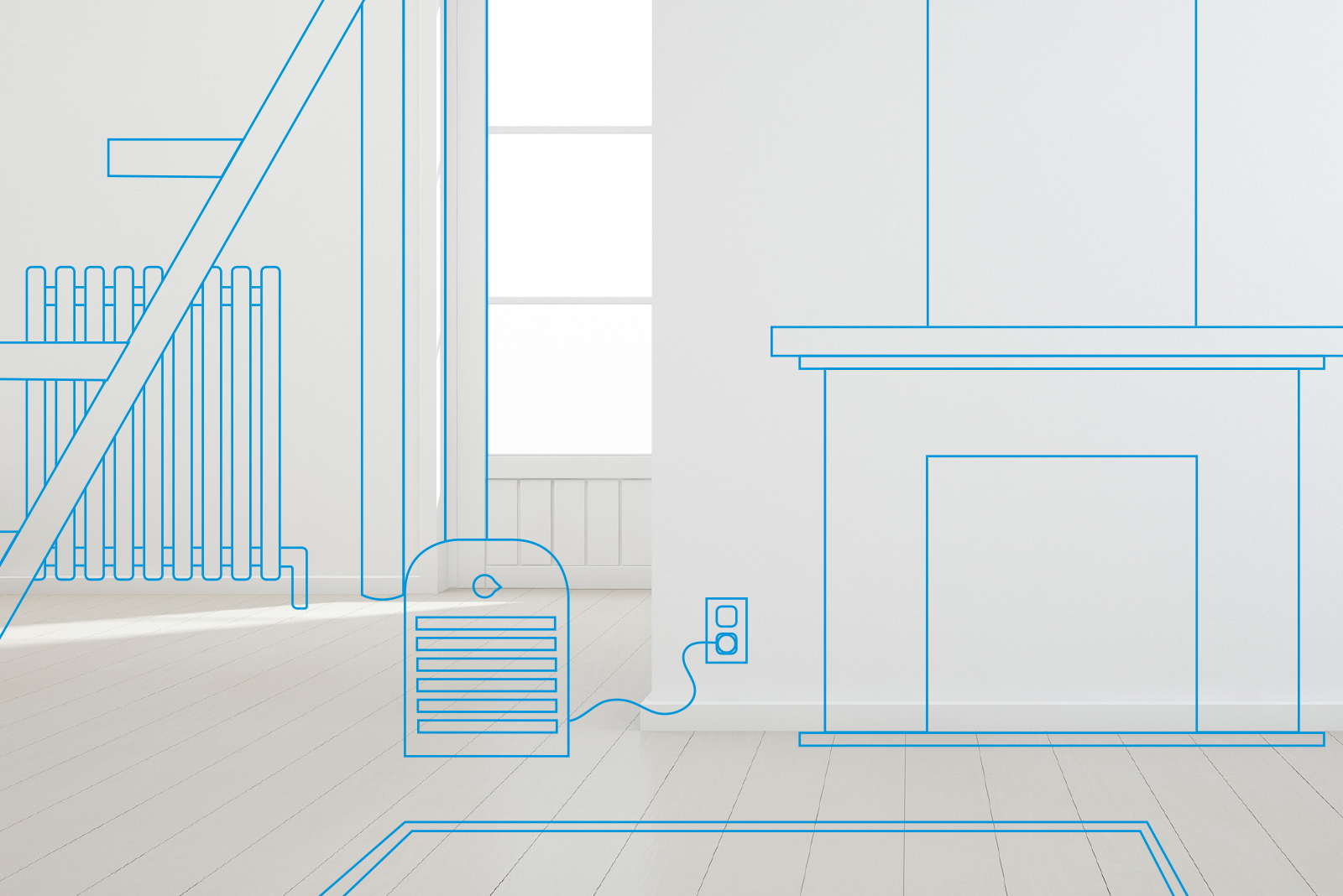
With the Lone Star State’s propensity for tornadoes, it almost seems like a Texan rite of passage to experience one either directly or tangentially. There were more than 1,500 tornadoes reported in the U.S. last year; on average, Texas endures somewhere around 155 tornadoes each year — the most in any state. But there are measures Texans can take to help safeguard their homes, vehicles, and families against this inevitable act of Mother Nature.
Myth No. 1: Open windows to equalize the pressure. This could potentially forge an opening for dangerous debris. Don’t waste your time; concentrate on seeking shelter.
Myth No. 2: A house’s southwest corner is the safest place. A tornado and accompanying debris can approach from any direction. Get to the lowest level of the house in an interior room, such as a closet or hallway.
Myth No. 3: Seek shelter underneath a bridge or overpass. Wind — and sometimes debris — funnels underneath bridges and overpasses as the tornado passes, increasing the velocity. Parking here can also cause a traffic hazard or roadblock for emergency vehicles.
Myth No. 4: Tornadoes are always visible. Sure, you may see the funnel. But tornadoes are sometimes clouded by rain, hail, dark skies, and debris. Bottom line: This isn’t the time to wait it out filming for your local news station.
Although cutting-edge technology has made it easier to track a tornado’s formation and path, these deadly rotations remain sporadic and relatively unpredictable. Homeowners should take precautions through general property maintenance.
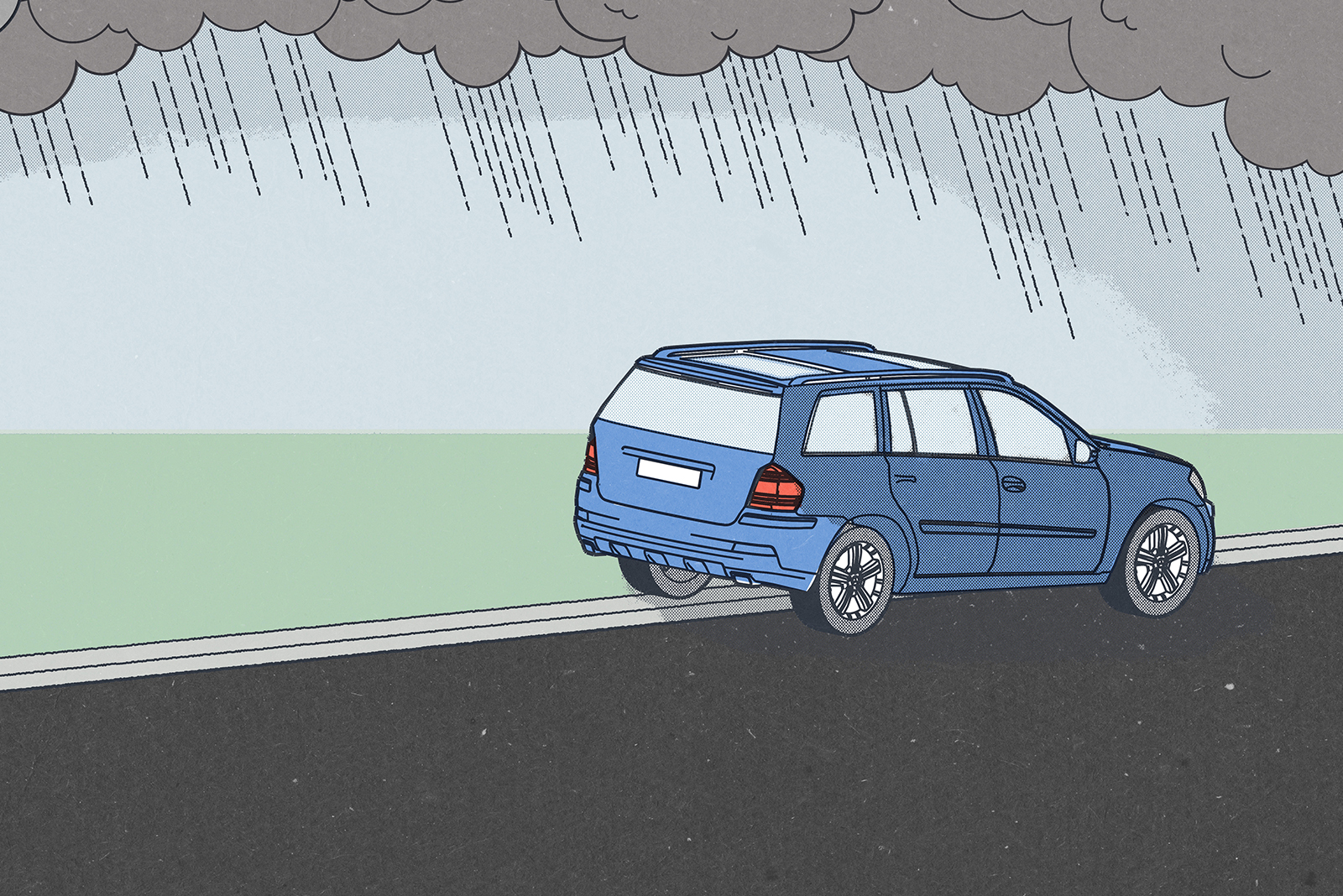
Vehicles are extremely risky places to be during a tornado, according to the National Oceanic and Atmospheric Administration and National Weather Service Storm Prediction Center. The best advice is to stay put during inclement weather. However, if you find yourself on the road when you hear the tornado sirens, there are several things you can do to keep yourself safe.
If the tornado is imminent and you’re caught in a car with no shelter in sight, follow these guidelines from the Storm Prediction Center:
Eryn Reedy, a Texas Farm Bureau Insurance Agent in Mineral Wells, has some advice on what to do if the inevitable happens.
A tornado’s exact timing, location, and magnitude are unpredictable. But you can take proactive steps with your insurance coverage. “Weird things can happen in tornadoes,” says Reedy, who encourages policyholders to review their coverage on an annual basis.
There are financial advantages to combining your home and auto coverage, Reedy says, as well as added convenience — which is especially helpful after a stressful loss.
When a natural disaster such as a tornado comes to your front door, there’s only one number to call: your Agent’s. “Your Agent is going to be able to step in and help you make the claim and get you through that traumatic loss,” Reedy says. Call your Texas Farm Bureau Insurance Agent today to protect your most valuable assets.
Learn how to take shelter during any natural disaster here.
Coverage and discounts are subject to qualifications and policy terms and may vary by situation.
Gear Up for a Safe Grilling Season
Avoid property damage and injuries during football season with this grill safety advice.

Barbecue fires are almost always preventable.

Are You Storing Important Documents Safely?
You should be holding onto some of your documents indefinitely. Others, you can throw out.

Boating Safety Tips for Texas Waters
Most boating accidents are caused by failing to follow a few simple boating safety guidelines.
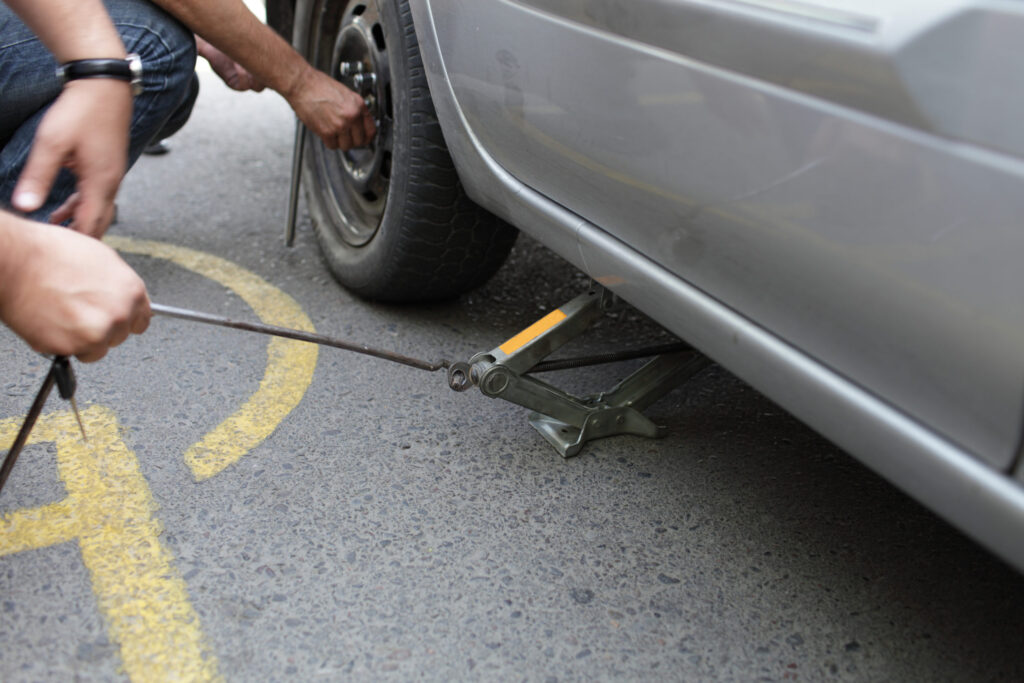
How to Change a Flat Tire Safely
All you have to do is learn.

4 Quintessential Rules of the Road
‘Drive friendly — the Texas way.’