
Please sign in as a member or guest below to access it.
Please sign in as a member or guest below to access it.

Get out of the city to see things out of this world.
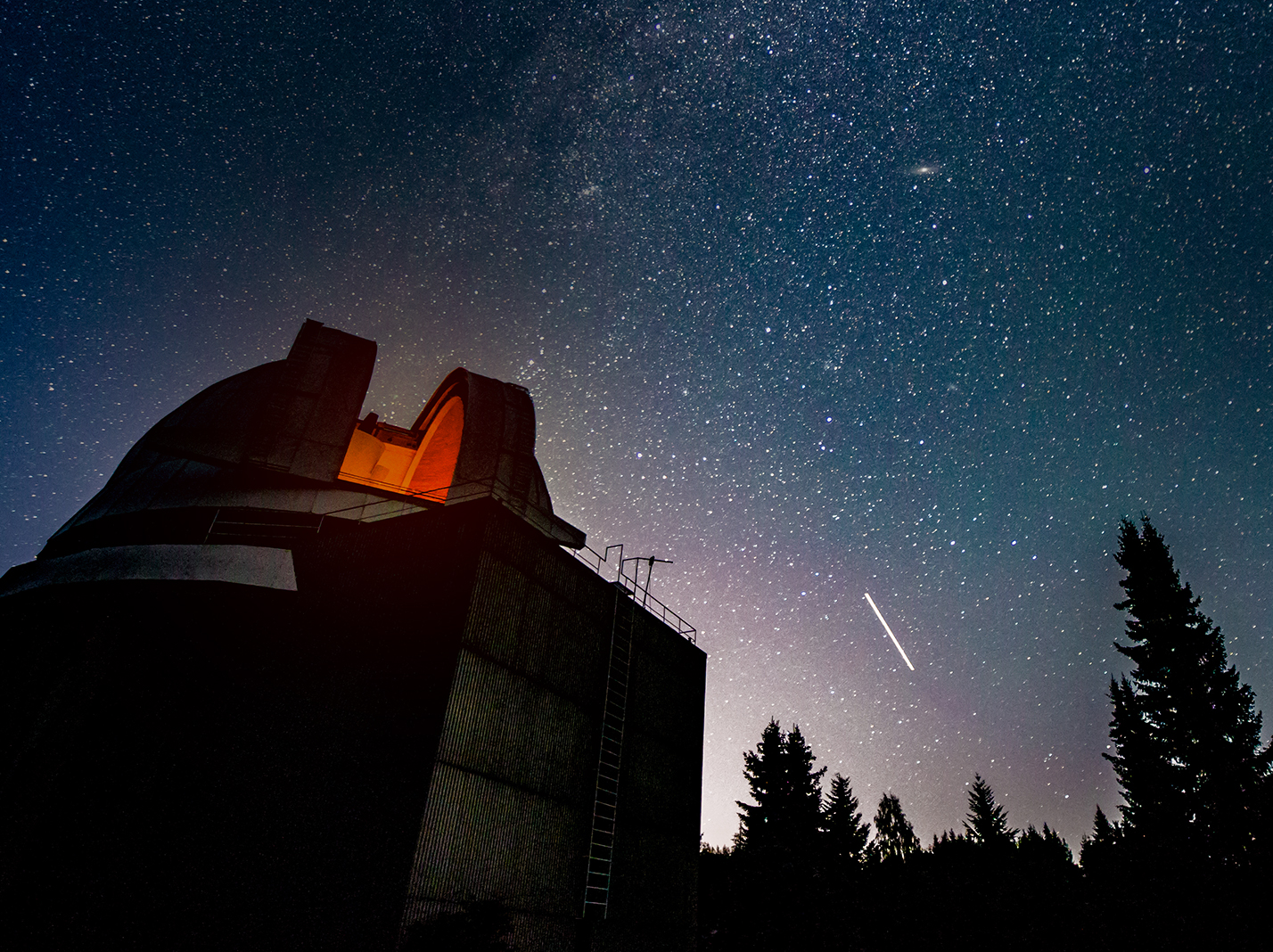
An estimated 80% of North Americans can’t see the Milky Way. Why? Streetlights, headlights, screens, and the unceasing glare of our electrified world. The night skies our ancestors used as navigation and as a sign of the divine have slowly been covered by electricity’s vast spread.
A clear night in a typical city may offer a sprinkling of stars. But our International Dark Sky Parks still show off over 2,000 stars on an average night. Widely recognized as one of the best places to stargaze in the world thanks to our wide-open lands and skies, Texas is an ideal setting for Dark Sky Parks and Dark Sky Sanctuaries, which are nocturnal environments protected for the quality of their starry nights.
Along with the International Dark-Sky Association, the Texas Parks & Wildlife Department and the McDonald Observatory have been making an effort to preserve stargazing in state parks.
Texas State Parks director Brent Leisure says, “One of our most valued attributes in Texas is its natural beauty. This beauty is not limited to the light of day but extends into the night sky, where Texans can enjoy a front-row seat to the splendor of the universe. State parks and natural areas offer some of our very best public venues to experience this heavenly show.”
Now, more and more of us are making trips to look up at the sky. Here’s a beginner’s guide to stargazing across Texas.
Urban sprawl is a prime culprit for light pollution, so most parks and sanctuaries are a bit of a drive out of the city, though this is Texas — everything is a drive. A few sites are within an hour of major cities such as Austin and Houston, but the further out you get, the better the stargazing tends to be. Read on to check out some of our can’t-miss spots.
Many observatories offer loads of shows, talks, classes, and other family-friendly events where you can learn more about our solar system. These observatories are a good option for those family members who may be less inclined toward the outdoors.
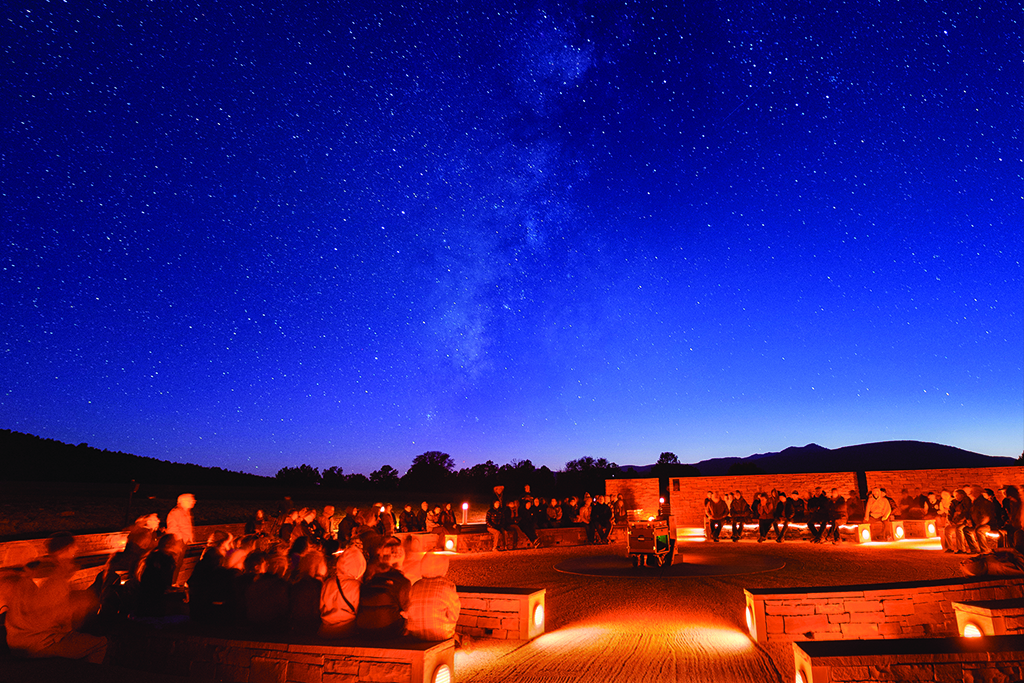
There are many great apps you can use as a kind of “sky GPS.” These are a few:
Light pollution has many detrimental effects, including obscuring the stars. The Bortle Scale rates star visibility, factoring in sky glow from cities and other light pollution. The lower the Bortle Scale rating, the better. Not scientifically speaking, levels 1-3 will give you an astronaut’s view of the sky, complete with luminous zodiacal light and the complex, marbled Milky Way — while levels 7-9 will give you something like the vision of a moth at a Friday night football game.
Here are some of our favorite places. You can also visit the Texas Parks & Wildlife Bortle Scale rating page to check out local parks.
Big Bend Ranch State Park, Bortle Scale 1
Big Bend Ranch State Park has the darkest skies in all of Texas. It is one of only 13 parks in the world to earn gold-tier certification from the International Dark-Sky Association. Head to Big Bend’s dramatic desert landscape near the Mexican border to see at least three of the four stars in the Southern Cross. You can also see the core of the Andromeda Galaxy and five different planets.
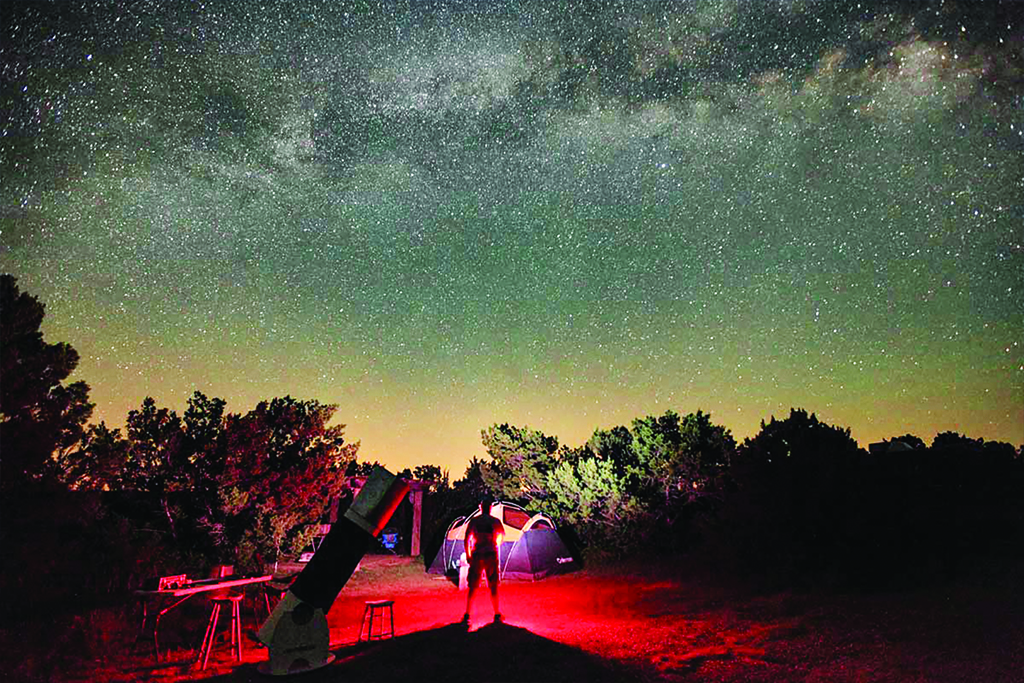
Copper Breaks State Park, Bortle Scale 2
Copper Breaks is the best little International Dark Sky Park in North Texas. Head out near Quanah for one of their monthly Star Walks, held through November, or join for Starrytelling, a guided trip with a ranger sharing the stories of the stars.
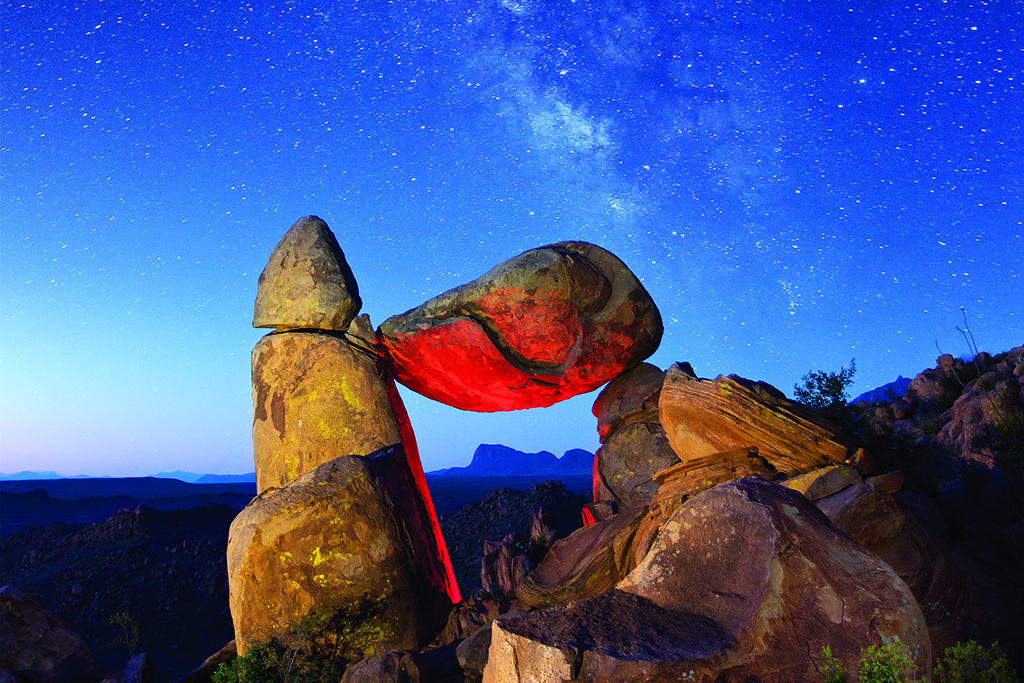
Enchanted Rock State Natural Area, Bortle Scale 3
Enchanted Rock is renowned for its pink granite dome, which rises above the landscape. However, you’re not going to see that — you’ll be here for the best view of the Milky Way in Central Texas in this International Dark Sky Park. Stay for one of their regular Rock Star Parties to see shooting stars and learn more about the cosmos. Check in for real-time darkness-monitoring to pick your blackest night.
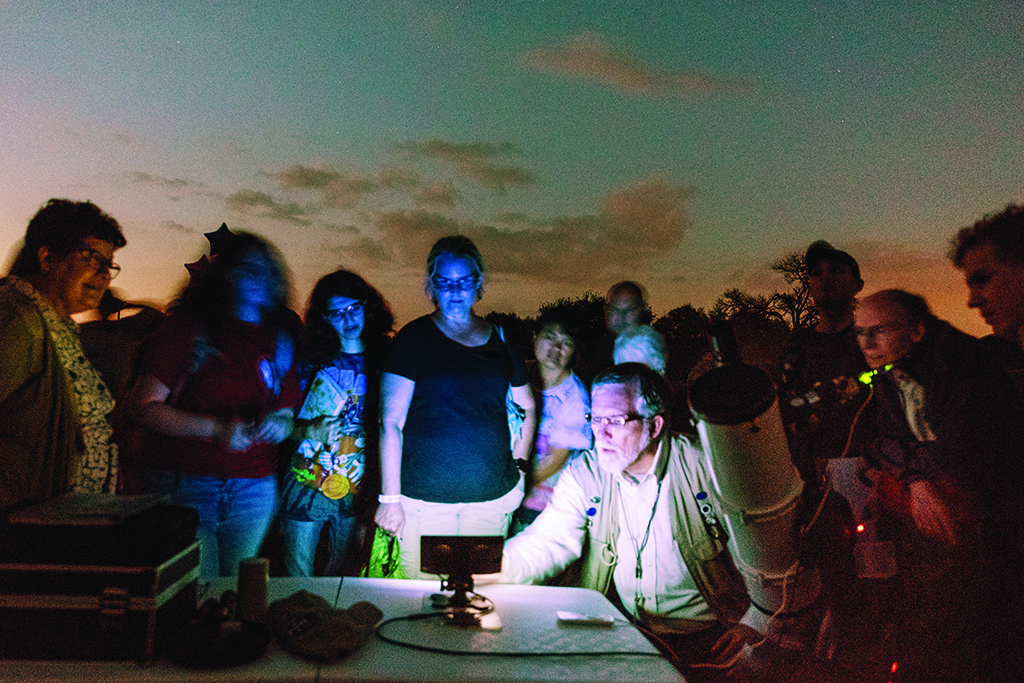
Dripping Springs
The International Dark Sky Community of Dripping Springs showcases a full community effort to combat light pollution. Join them each March for their annual Texas Night Sky Festival.
If you plan on staying overnight on your stargazing venture, check out our camping guide.
© 2020 Texas Farm Bureau Insurance

Animals are in need across Texas.
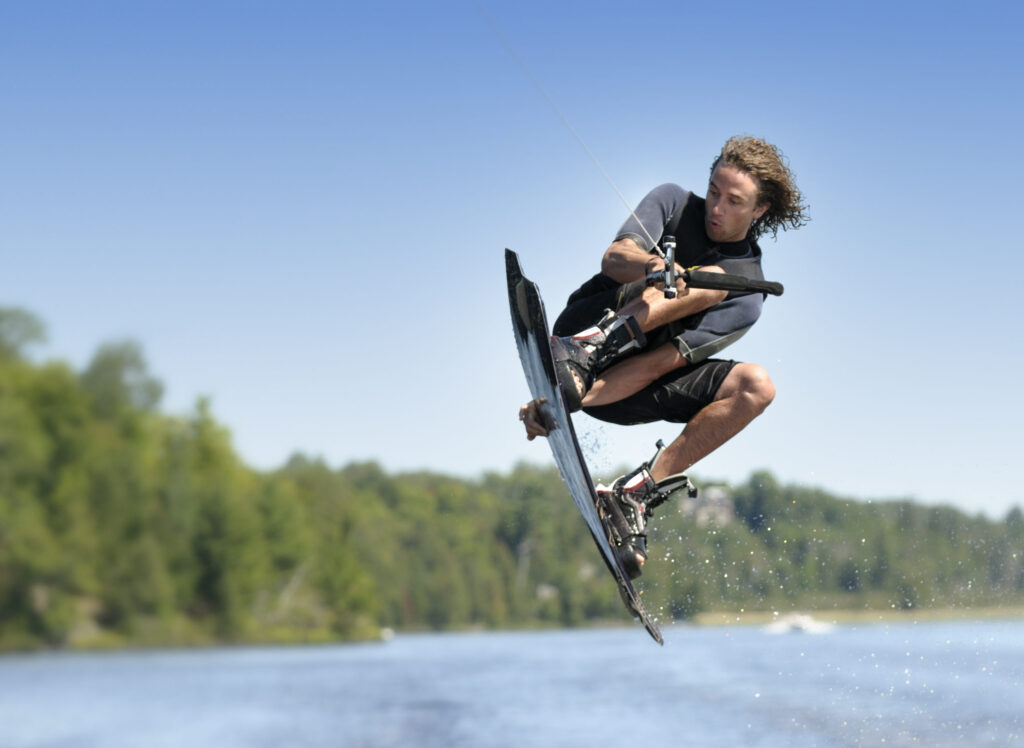
Wakeboarding in Texas (For All Levels)
Wakeboarding in Texas has quickly become popular thanks to parks like these.
DIY Project: Shiny Fishing Lures
You can catch fish using a simple plastic spoon or wooden stick. Are you hooked?

(Set in Texas)

Where to Celebrate Cinco de Mayo in Texas
Join the fiesta.
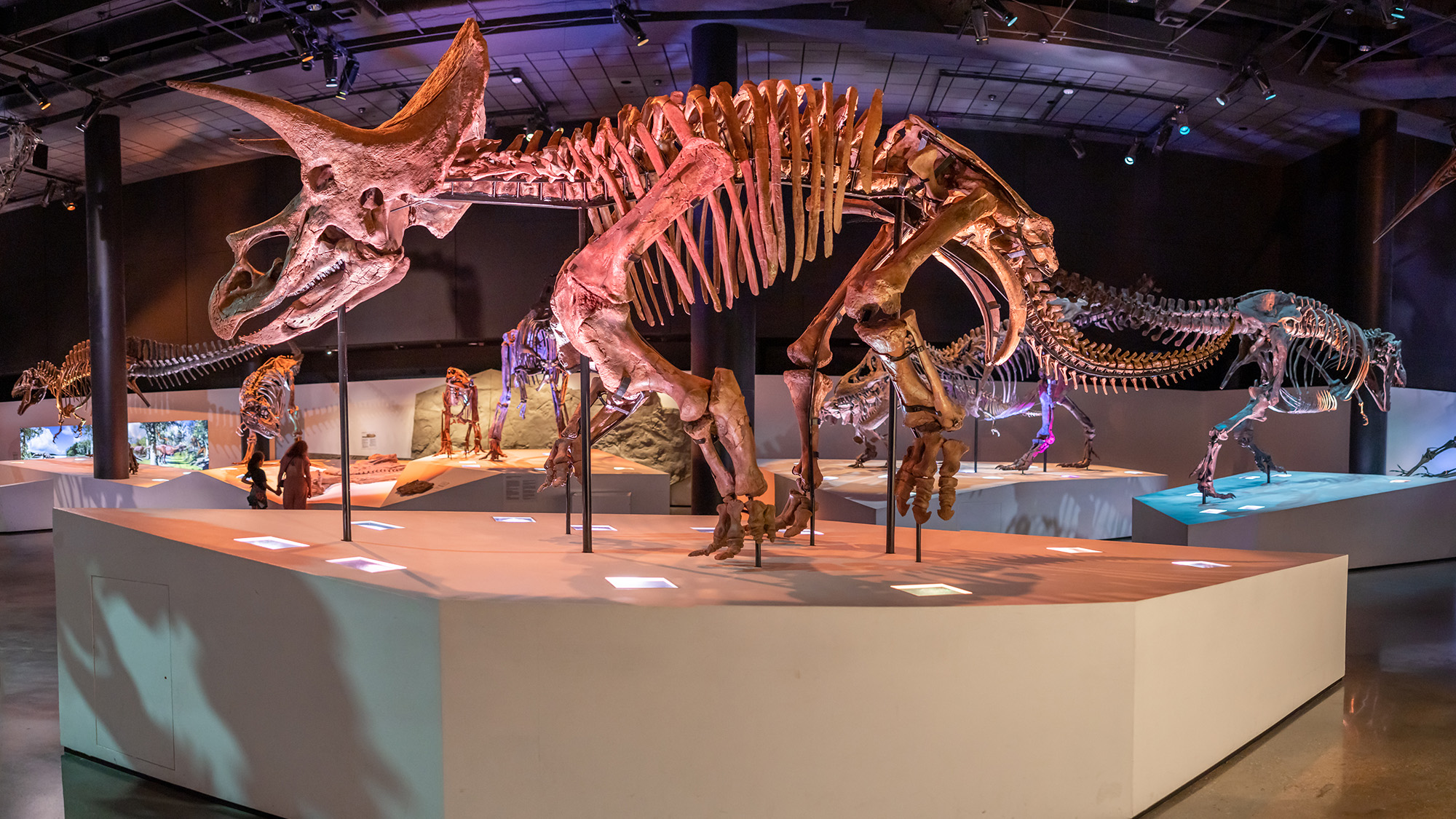
Where to Walk With the Dinosaurs
Meet the inhabitants of Texas before time.