Please sign in as a member or guest below to access it.
Please sign in as a member or guest below to access it.

The preserved Spanish missions offer a tangible connection with the earliest recorded history of our region.
In 1719, the European war between France and Spain spilled into the New World, and while armies battled across Europe, a handful of Franciscan priests in East Texas found themselves in a precarious situation.
The priests were residents of missions established a few years earlier, in present-day Nacogdoches County, to facilitate trade and communication along the El Camino Real — the road that linked New Spain to the French colony in Louisiana. Now, tensions between the two European nations boiled over into the New World, and French troops stationed in Natchitoches attacked the Spanish missions.
Like most of the Spanish missions in Texas — as in California and New Mexico — the East Texas missions were protected by only a few soldiers. They were no match for a French assault. Father Antonio Margil de Jesús abandoned the East Texas missions and headed west — he appealed to the governor of Coahuila and Texas to reestablish their missions closer to San Antonio, and the governor agreed. The missionaries eventually settled along the San Antonio River. There, they would build a series of missions that would become known for some of the most stunning architecture in Texas.
Today, the preserved missions offer a tangible connection with the earliest recorded history of our region, when Spanish priests and soldiers attempted to conquer its lands.
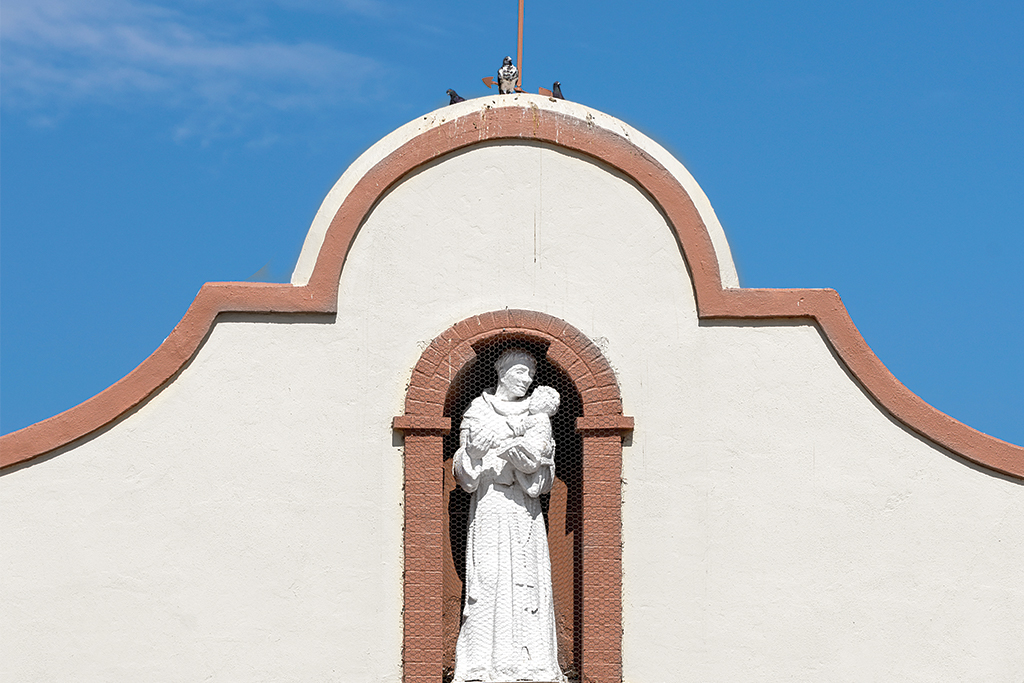
From the earliest days of the Spanish expansion into the western hemisphere, colonization was a joint effort of church and state. The missions that dot Texas are the remnants of a time when the great European powers believed they could transport their civilization to a “new world” and impose their religion, cultures, and values on the people they encountered there. The results were decidedly mixed. Like all foreigners who come to Texas, the missionaries learned that Texas can be both a beautiful and hostile place.
The Spanish began establishing missions in Texas in the 1600s. Priests and soldiers from Spain’s New Mexico missions set up outposts in San Angelo, El Paso, and Presidio. Like many of the Spanish’s efforts, these early establishments were sporadically populated and difficult to sustain. After a few years, many were abandoned. It would take news of French incursion in their territory to inspire a more concerted Spanish push into Texas.
Visit the El Paso Missions: The far west missions feel more akin to New Mexico than to the other missions in Texas. These were the earliest missions built in what is now Texas; at the time, it was part of Mexico.
In 1685, French explorer René-Robert Cavelier, Sieur de La Salle, mistakenly overshot his destination in Matagorda Bay, north of Corpus Christi. After killing their captain, the surviving French colonists established a settlement near the bay, threatening the stability of New Spain’s northern frontier. The Spanish government responded by sending troops. Eventually, those troops were accompanied by Franciscan priests, part of a two-pronged colonial strategy that paired conquering with conversion to solidify the Spanish hold on new lands and people.
When the Spanish arrived in 1690, they found the French settlement abandoned. They burned the fort anyway. The Spaniards continued northeast to the Neches River and founded the Mission San Francisco de los Tejas. Four months later, they established a second mission, Mission Santísimo Nombre de María, about 12 miles to the east along the Neches River. It wasn’t long, however, until these Spanish missions also ran into trouble. Locals were less than willing to submit to the missionaries’ efforts to convert and recruit them to work the mission lands. The Neches flooded and destroyed one of the missions. By 1693, it was abandoned.
Visit the Weches Mission: The two missions built here were the oldest in what is present-day Texas. Mission Santísimo Nombre de María was destroyed in a flood; a replica of the other mission, which was abandoned, re-established, and finally relocated under a different name, now stands near its original site, in Mission Tejas State Park.
Some Franciscan priests lamented the failure to spread their faith into Texas, and in 1711, they hatched a plan to revive the missionary effort. Friar Francisco Hidalgo convinced the French government in Louisiana to lobby the governor of New Spain to set up Spanish settlements near the border in East Texas. The argument was that new missions could facilitate trade and communication between the colonial powers. The governor agreed, and in 1716, Hidalgo set up missions that marked the beginning of permanent European occupation of Texas.
As Hidalgo set about the work of converting the Native American tribes of East Texas, the promised peaceful interaction between the French and Spanish broke down. When war broke out between France and Spain in 1718, creating some minor conflicts in the Americas, the Spanish missionaries fled the East Texas border for land near Austin. By 1731, they would move again. Spain finally had a sturdy foothold in the form of a series of missions located along the San Antonio River. The East Texas missionaries joined them.
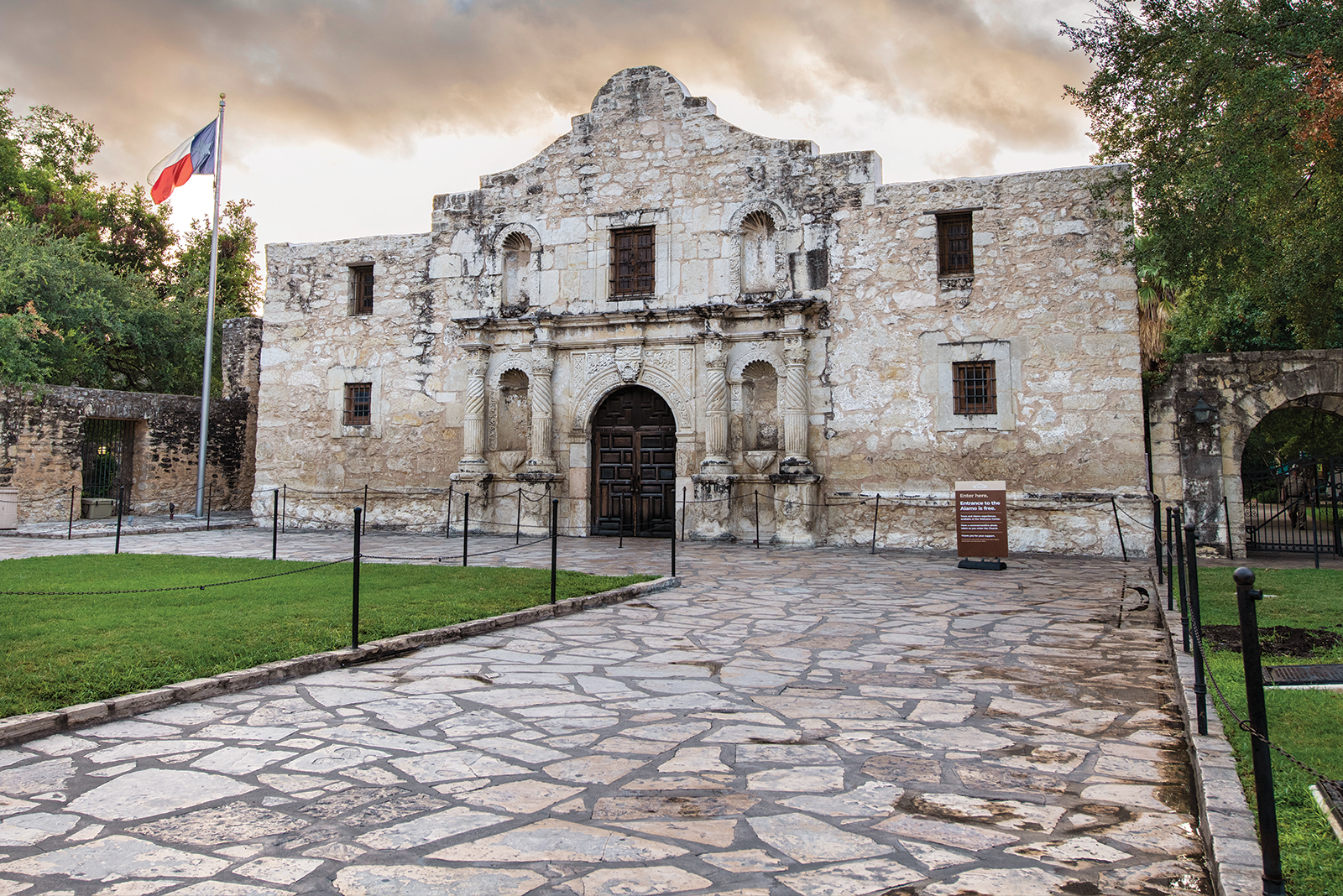
Visit the San Antonio Missions: Today, the San Antonio River missions are among Texas’ most popular tourist attractions. The National Park Service manages four, where visitors can wander the grounds and view stunning limestone, the aqueducts missionaries constructed to irrigate their crops, and carefully preserved frescoes and sculptures.
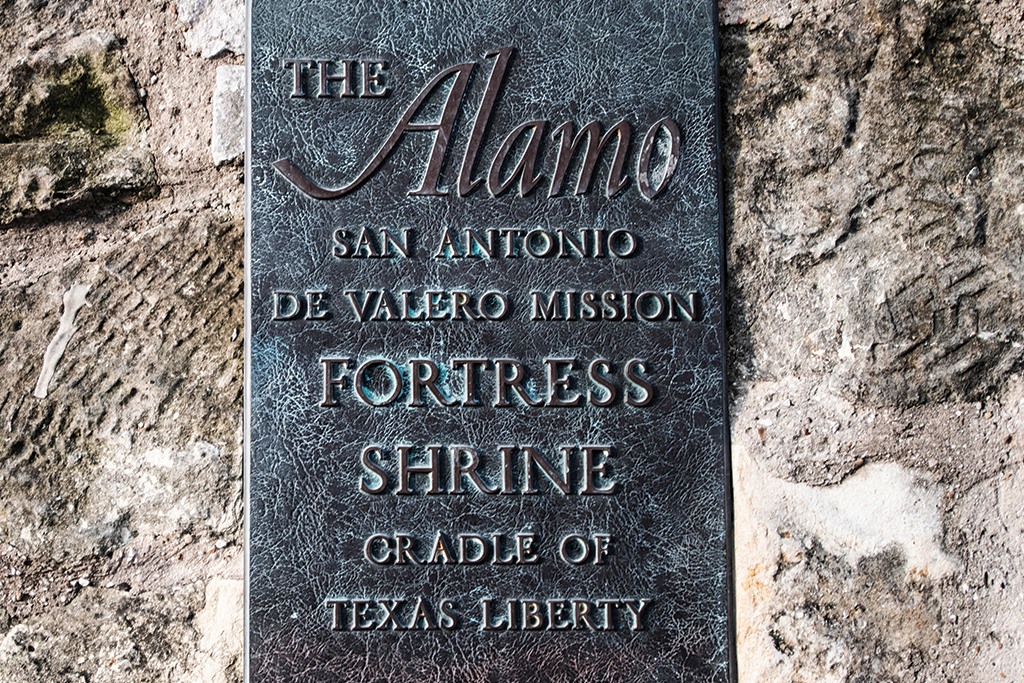
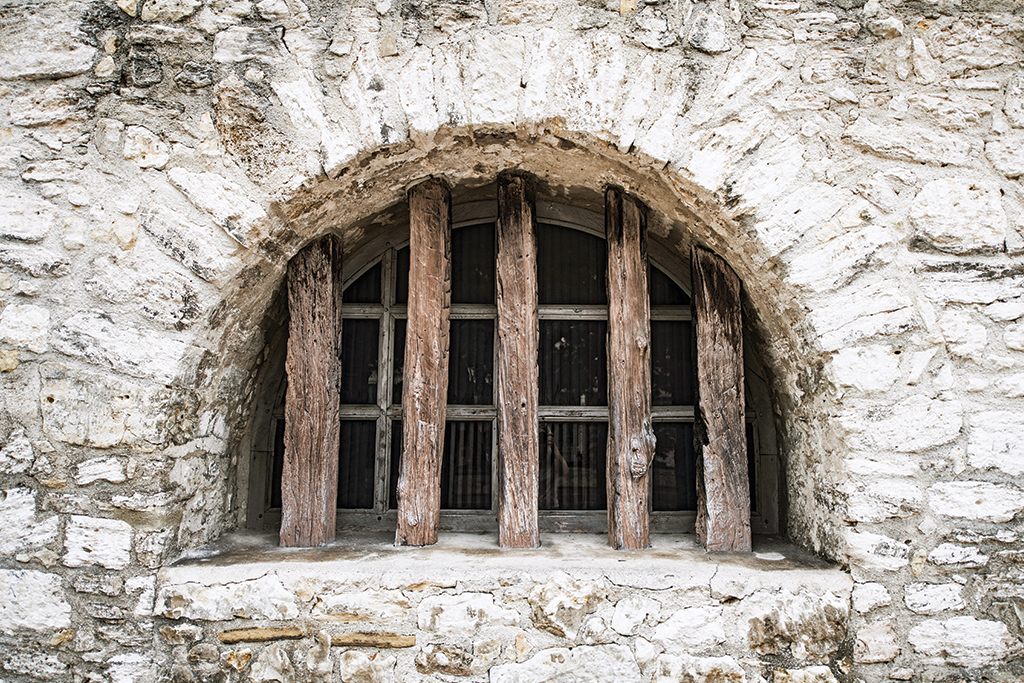
The chain of missions established along the San Antonio River beginning in May 1718 represent some the most stunning examples of Spanish colonial architecture in North America. The location proved to be the most successful of all the Spanish efforts to colonize Texas. Using local labor and materials, the missionaries built churches and grounds that blended Spanish and Italian Baroque styles with techniques and ornamentation characteristic of Mexican and South American building traditions.
Mission life blended the Spanish intent to use the outpost as a means of controlling their territory, subduing the local populations, and spreading Spanish religion and culture. Local Native American tribes provided most of the labor that sustained the mission, and they were instructed in the Catholic faith. The hope was that, over time, the native peoples of Texas would adopt Spanish customs and culture as their own. But Texas’s tribes, many of which were semi-nomadic and unaccustomed to the sedentary, almost monastic, way of life promoted by the mission priests, were reluctant. Apaches regularly harassed and attacked the missions. When the Spanish set up the Santa Cruz de San Sabá mission to build an alliance with the Apaches and other tribes, Comanche warriors sacked the settlement and killed all but a small group of survivors.
Worse still were the diseases the missionary priests and soldiers brought to Texas. Smallpox and measles devastated the local populations. Yet, by the middle part of the 18th century, the San Antonio missions thrived.
Over the decades, the missions would serve a variety of functions — as forts, jails, and hospitals — as the new city of San Antonio grew up around them. By the 19th century, many were no longer functioning as missions, and after the Texas Revolution, there was controversy over whether the missions were the property of the United States or the Catholic Church. In the 1880s, Texas purchased the Alamo from the Catholic Church, and it was turned into a museum.
© 2019 Texas Farm Bureau Insurance
Cowboys, spring water, wacky sculptures, and German cuisine.
Ghosts, nukes, and a first lady: the outsized history of a tiny Texas town.
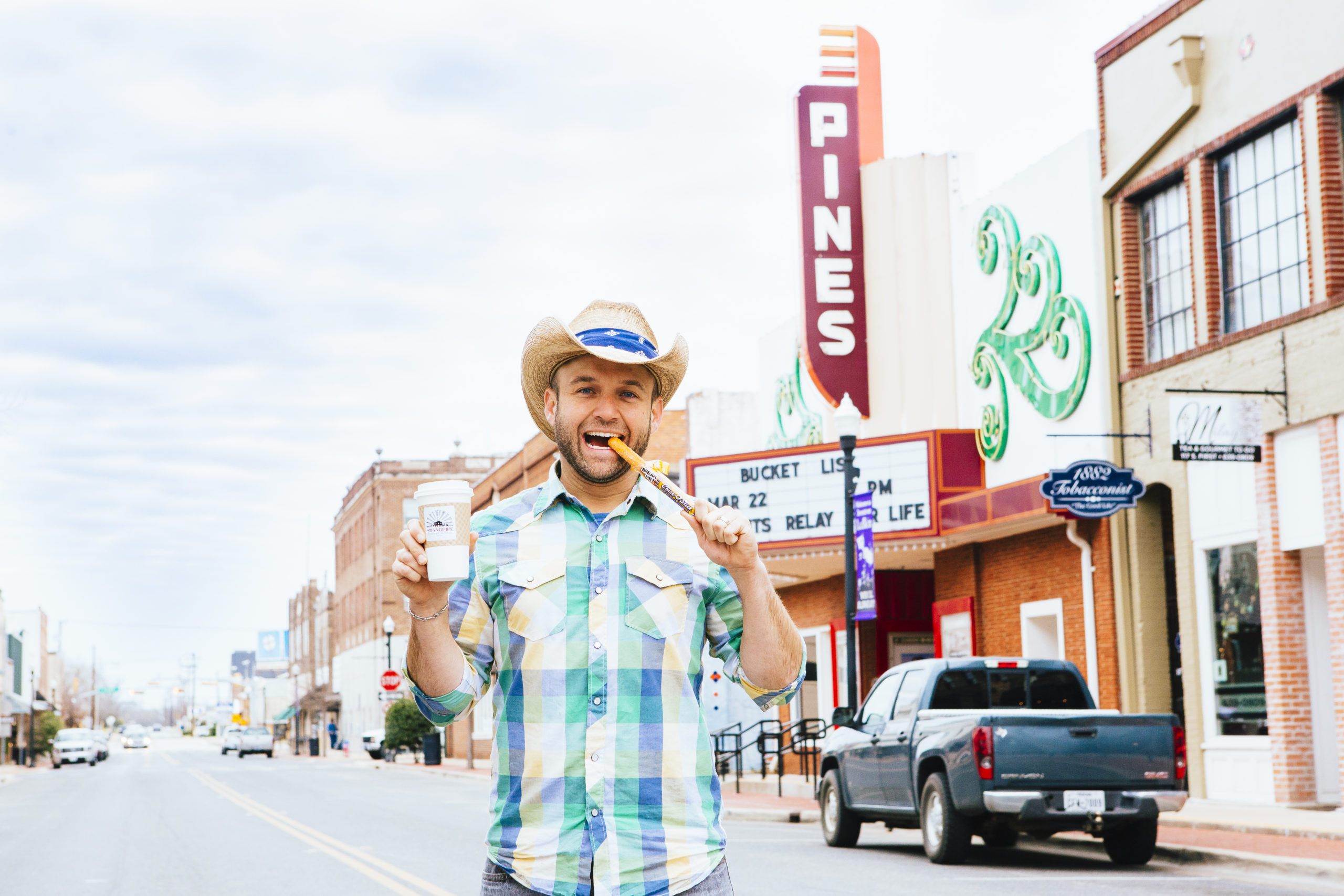
Travel to the eastern corner of Texas to barter for hidden treasures like they’ve done for more than 150 years.
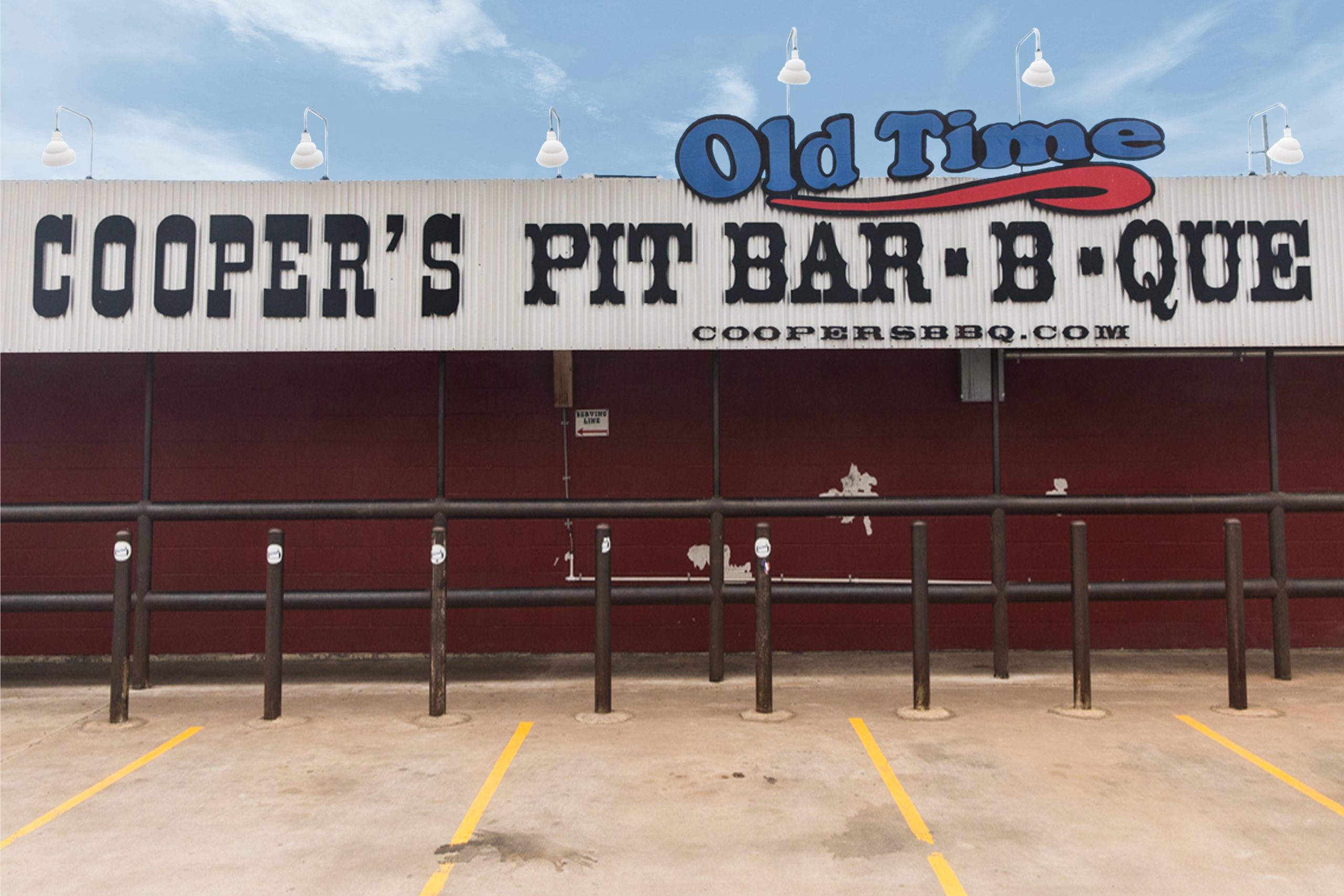
All the nature and old-school restaurants you could ask for.
Unique Winter Getaways in Texas
Before you book that expensive Caribbean escape, check out these in-state options.
Get to know the ‘Deer Capital of Texas.’