
Please sign in as a member or guest below to access it.
Please sign in as a member or guest below to access it.

From large urban districts to quaint local farm stands, Texas has it all when it comes to farmers markets. Here’s our ultimate guide to enjoying the freshest produce — and some of the finest experiences — in the state.
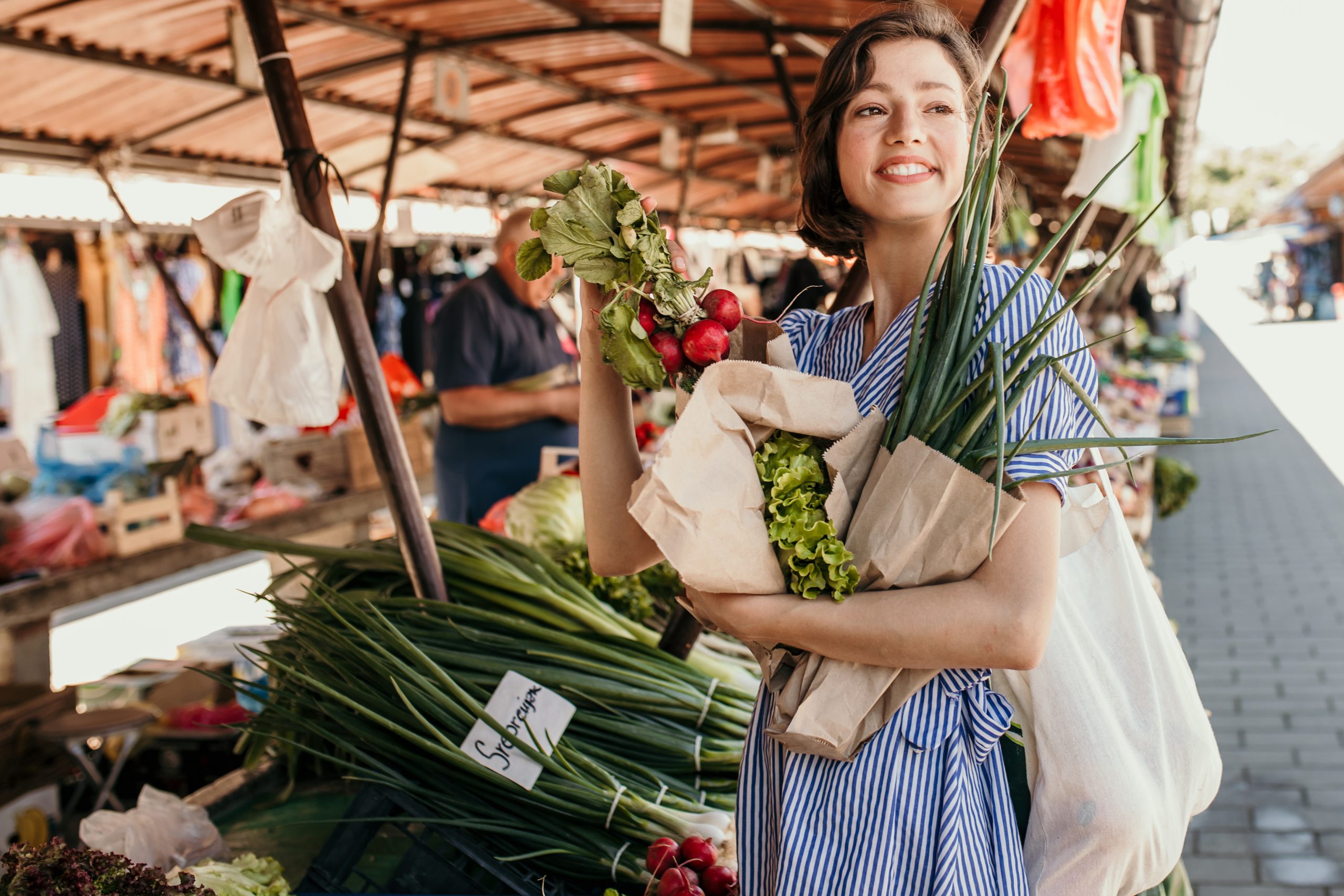
Much of Texas is fortunate enough to have two growing seasons, which means you can find many fresh fruits and vegetables almost year-round. The challenge: where to find them? The best way to source your local harvest is to head to a nearby farmers market. Luckily, Texas is home to dozens of farmers markets across the state, from simple roadside stands to large urban markets, where you can find the best of Texas produce and much, much more.
Farmers markets showcase local artists and artisans, unique crafts, and all sorts of delicious finds. Don’t be surprised if seeking out some of the best farmers markets turns into a fun weekend road trip. We scoured the state and are happy to report that there are plenty of farmers markets across Texas that are well worth the mileage. We also discovered some unique finds and artisans who are doing Texas proud. So, buckle up, grab a basket, and let’s head out on our great Texas farmers market tour.
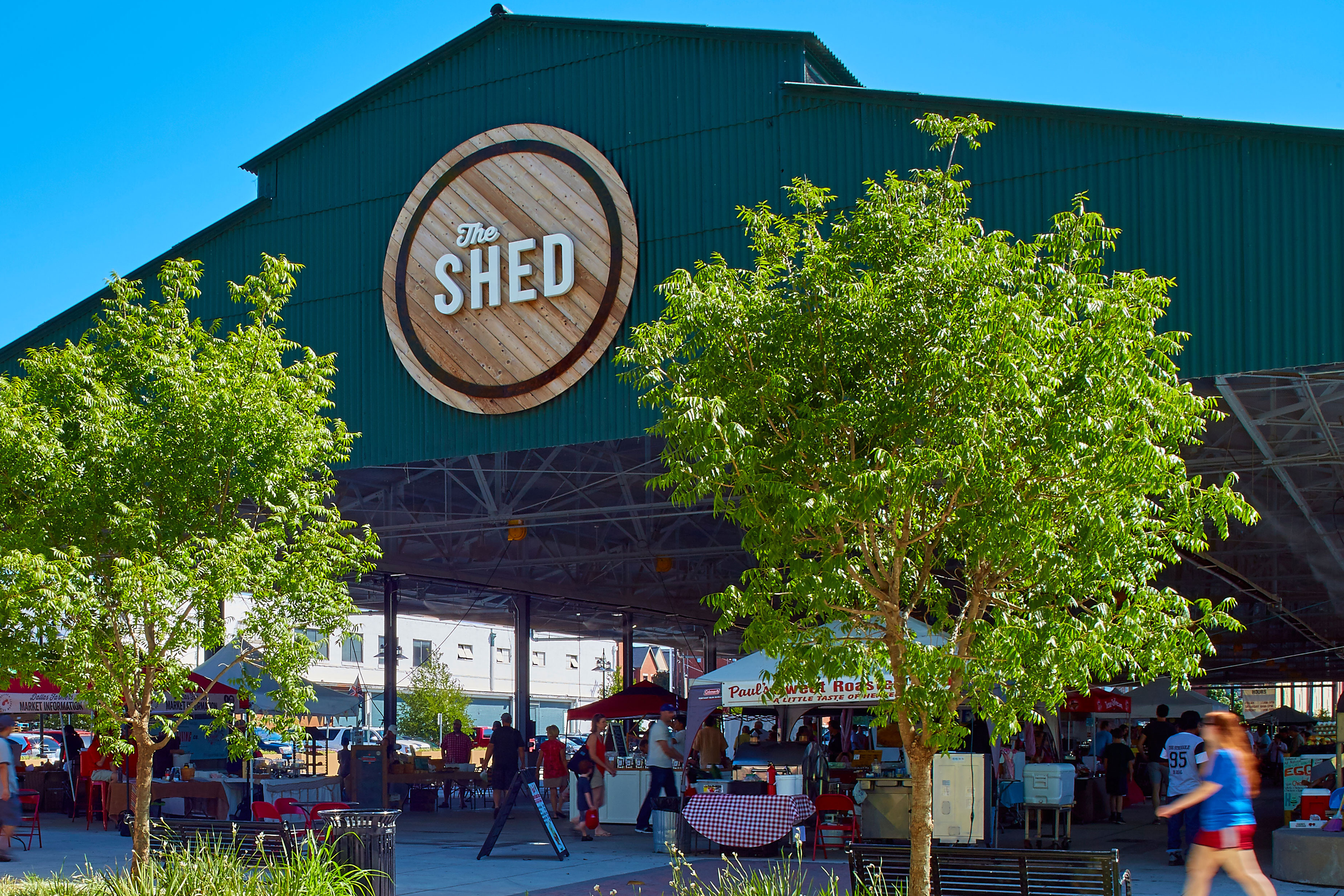
Not all farmers markets are created equal. Some Texas cities feature year-round markets that showcase farm-fresh produce alongside shops, restaurants, and other attractions. Some small-town markets operate seasonally and focus on locally grown foods. All have their charm and appeal. We’ve broken down the best of all worlds.
Dallas Farmers Market: After receiving a facelift about a decade ago, the Dallas Farmers Market expanded beyond its roots as a shed-focused source for great regional produce. You can still find plenty of fresh produce, of course, but the renovated market offers a range of artisan shops and eateries that serve up some of the best food in the city.
Houston Farmers Market: One of Texas’ oldest and largest farmers markets, the nearly 18-acre destination got its start way back in the 1940s. Today, it has grown into a treasure trove of diverse foods, ingredients, shops, and eateries. In addition to a wide range of fresh fruits and veggies, the market is home to some of Houston’s most lauded restaurants, such as the Cajun-Vietnamese fusion joint Crawfish & Noodles, as well as specialty crafts, artisans, and food products.
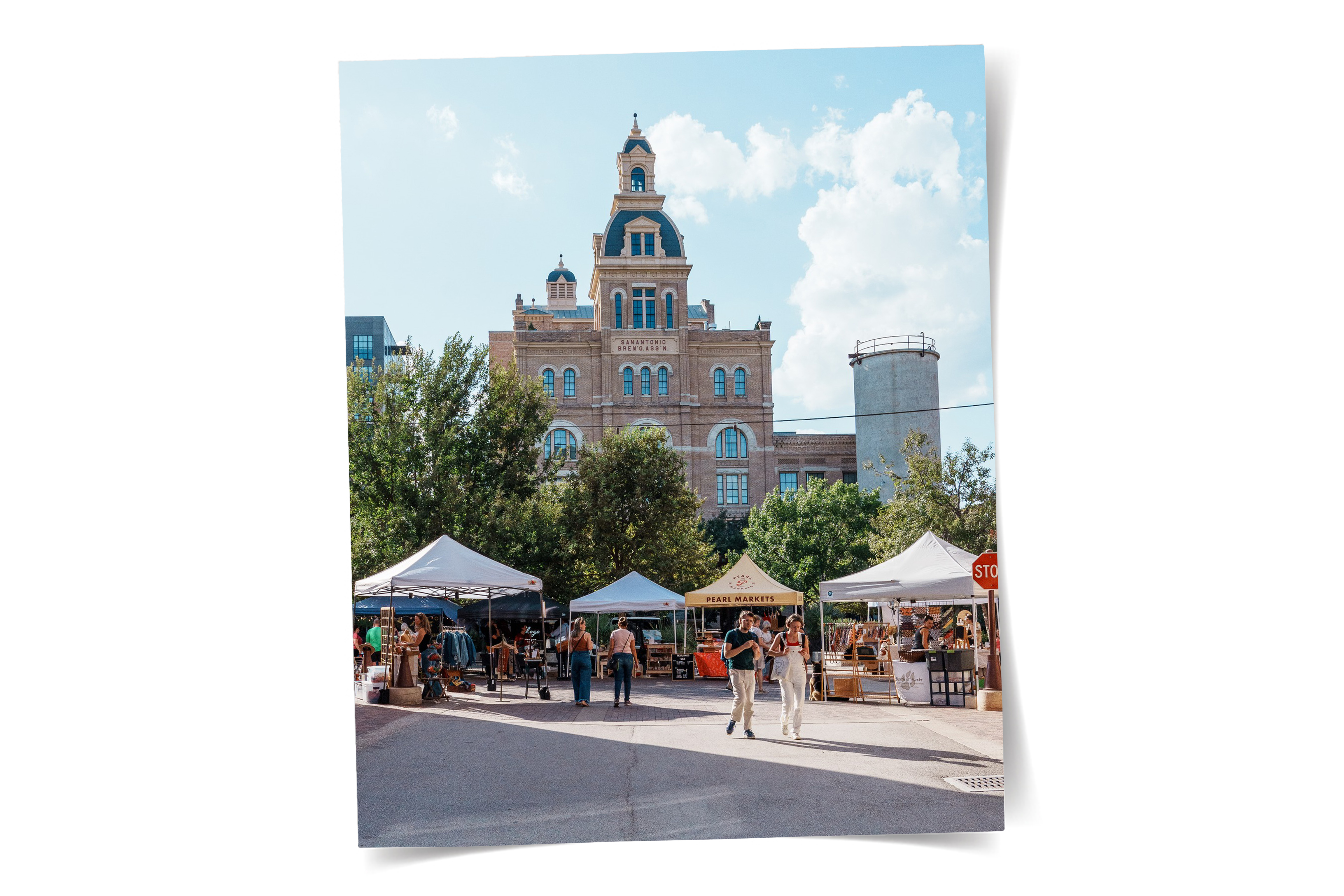
Pearl Farmers Market: Every weekend, the streets around San Antonio’s Pearl neighborhood come alive with pop-up shops and vendors offering everything from fresh, locally grown produce to gourmet pastas, handcrafted artwork, delicious street food, and small-batch gelato. Head over on Saturdays for the farmers-focused market, which features fresh veggies and locally harvested meat. On Sundays, vendors swap out for a makers-focused market.
Cowtown Farmers Market: Fort Worth’s oldest farmers market is a “producers-only” market, meaning all the vendors you meet while perusing the grounds are involved in the growing, raising, and/or producing of their goods. That means everything you find is fresh and local to within 150 miles of the market. It also means that vendors are a wealth of knowledge about local foods and can help steer you toward your next delicious food discoveries.
El Paso’s Downtown Art and Farmers Market: The clue is in the title: This market is about a whole lot more than just fruits and vegetables. Operating year-round and drawing produce from the rich growing region of the Rio Grande Valley, El Paso’s market also features the city’s unique cultural offerings, with artists and artisans displaying everything from original paintings to handcrafted jewelry, as well as live entertainment and performances, during this weekly Saturday event.
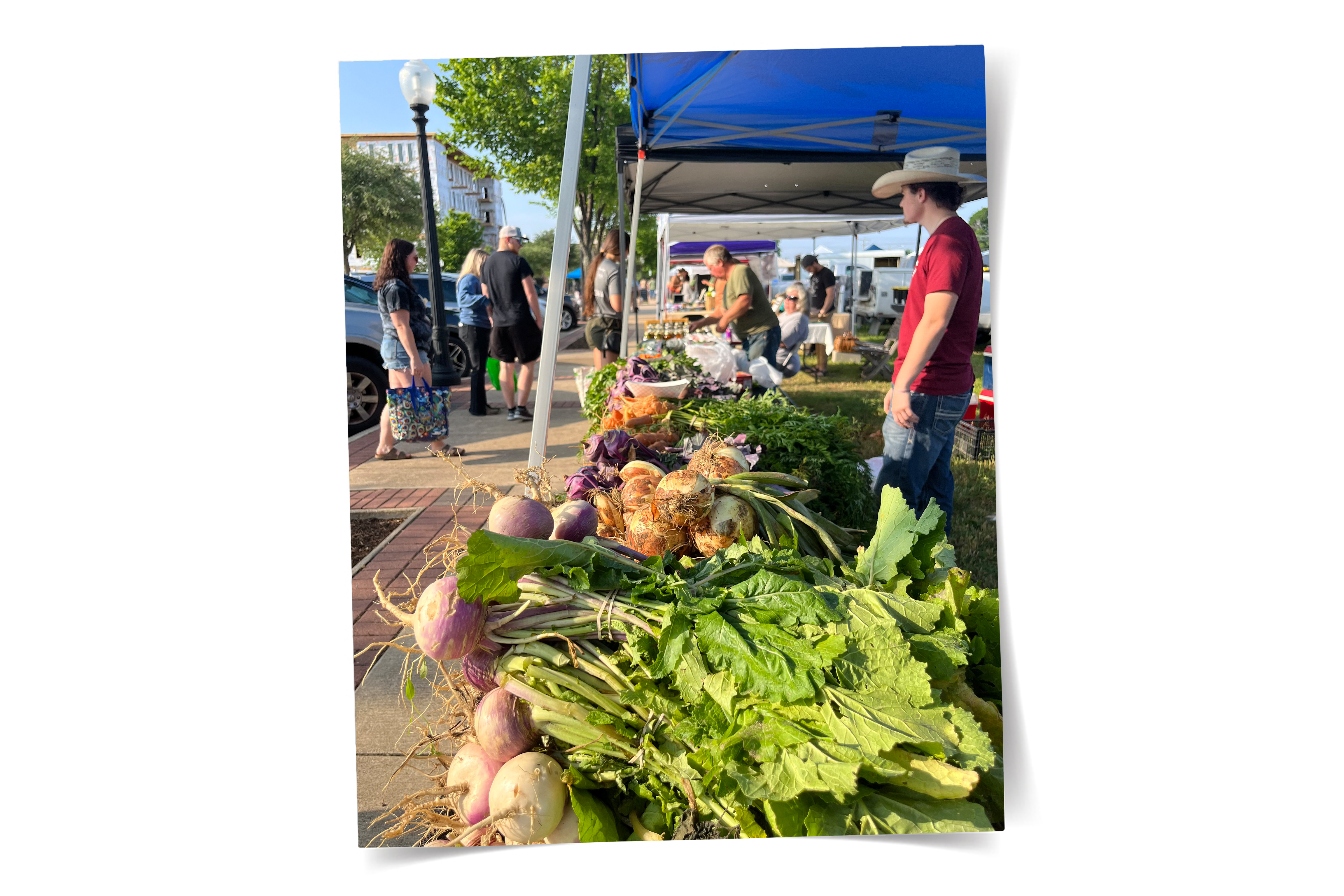
Lubbock Downtown Farmers Market: This West Texas gem runs seasonally from May through October, offering up fresh and locally sourced produce from both of the year’s harvests, along with arts, crafts, and food. The market hopes to inspire more local food production among West Texas’ large agro-producers.
Barton Creek Farmers Market: Austin is home to a wide variety of farmers markets, but our favorite operates every Saturday year-round (except when Saturday falls on Christmas Day). Here, you’ll find some of the state’s most accomplished artisans, as well as local produce, artisanal foods, and fresh, regionally sourced meats.
Beaumont Farmers Market: Since launching in 2010, this showcase of diverse Southeast Texas flavors has grown into a popular Saturday outing. Offering fresh produce, meats, and artisan crafts, the market encourages sustainable growing practices, assists new businesses looking to bring their products to market, and helps educate shoppers on healthy eating habits.
Golden Spread Farmers Market: Open seasonally on Tuesdays, Thursdays, and Saturdays, the Amarillo market serves up fresh produce; locally made foods such as salsa, jams, and honey; and top-notch baked goods. If you visit, don’t miss The Dawg House, which serves massive quarter-pound hot dogs as well as some of the best biscuits and gravy and Frito pies in the Panhandle.
The Farmers’ Market in Brazos County: This year-round market continues a long tradition in the Brazos Valley region of creating a setting for local growers to connect with their customers. After returning to downtown Bryan, the market began to showcase local food artisans as well. The market’s range exemplifies how this diverse area of Texas continues to evolve and enrich its culinary heritage. Swing by to find cooking oils from 10 Miles South Oil Co., fresh honey from Aggieland Honey, and lunch from Biryani Hut Indian Cuisine.
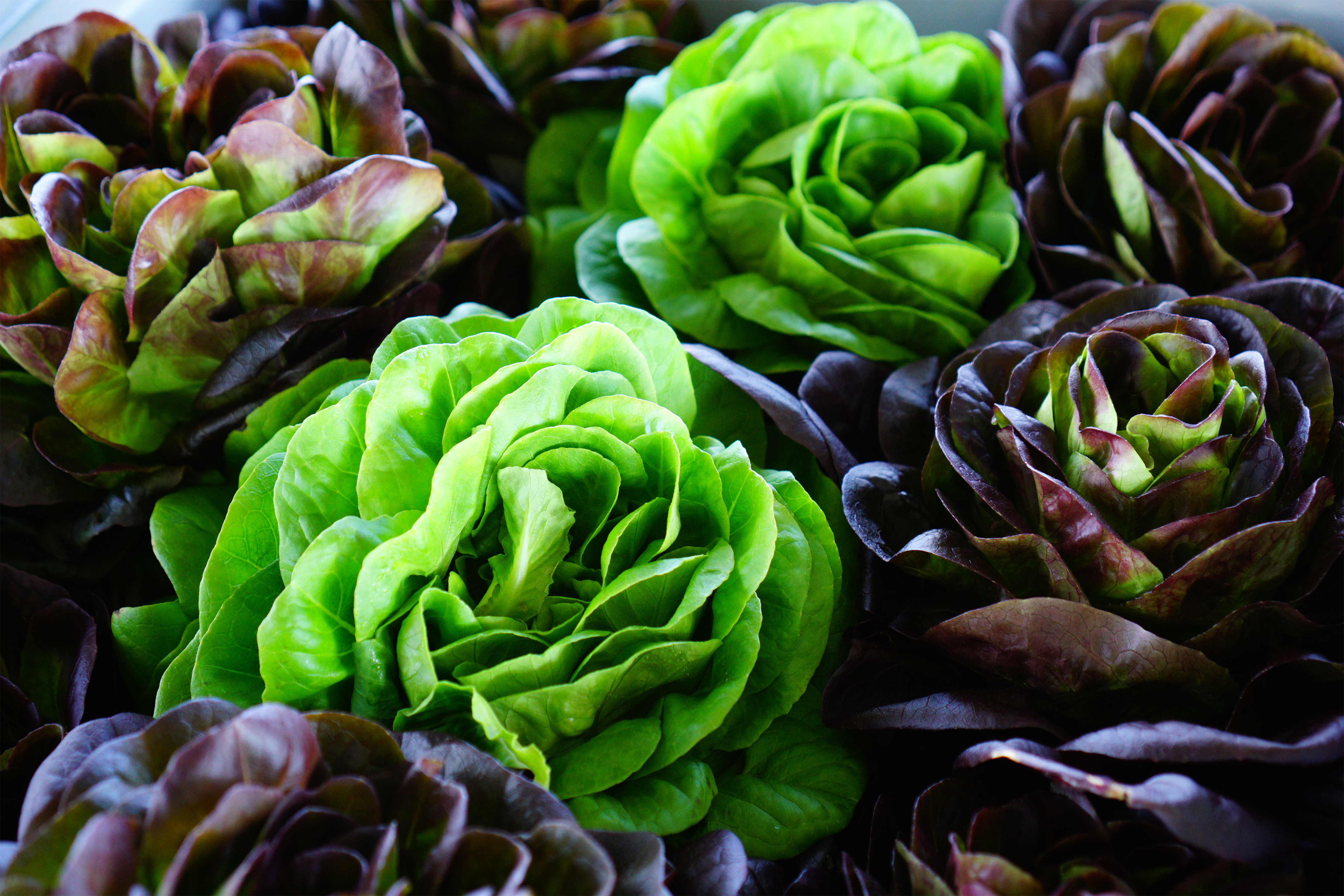
Paris Farmers and Artisan Market: From May to October, local vendors bring out the best in East Texas vegetables, fruits, flowers, eggs, and meats every Saturday. In recent years, items like candy, bread, pastries, and locally roasted coffee have expanded offerings.
Kerrville Farmers Market Downtown: Limited to producers and makers who source locally, this open-air Hill Country market sets up every Friday (except in August) downtown on the lawn of the historic A.C. Schreiner Home. Live music, fresh-fired pizzas, and an array of delicious foods add to the celebratory atmosphere.
Abilene Farmers Market: Operating every Saturday downtown, this market features frontier fruits and vegetables and several local vendors who specialize in freshly made honey, unique soaps, and beef.
Nacogdoches Farmer’s Market: At this year-round producers market located in the old “hitch lot” downtown, everything you’ll find is grown within a 90-mile radius of the market. That includes the produce, but also baked and canned goods; meat, eggs, and honey; and artisan crafts. The market emphasizes building connections and a community between local growers and consumers.
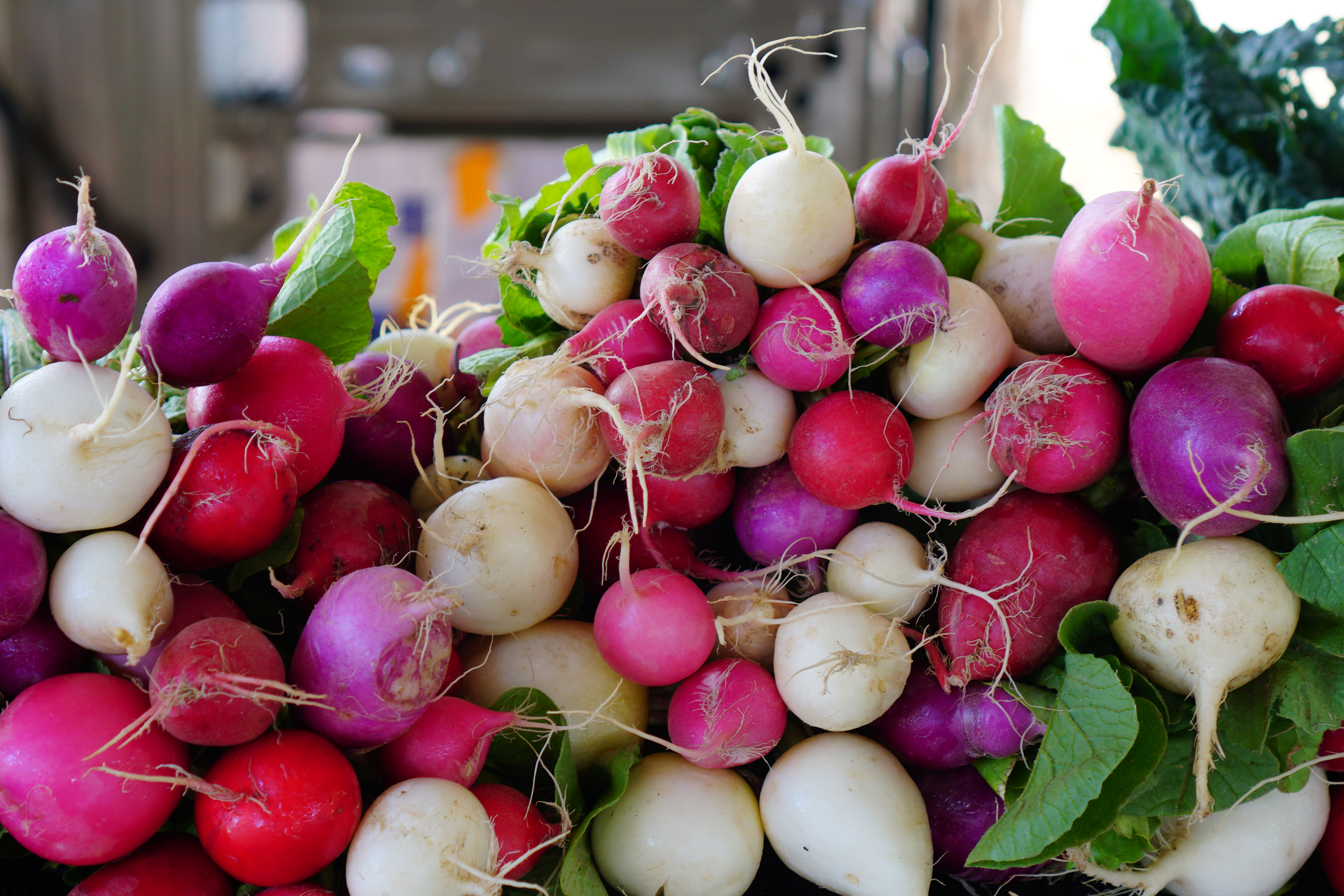
One reason you seek produce at farmers markets is to find food that’s likely fresher than anything you’ll get at the grocery store. However, while many farmers market vendors source from (or are) local growers and producers, that’s not always the case, particularly at larger farmers markets. To make sure you are picking the freshest ingredients possible for your next meal, follow these simple steps:
Sight: Carefully inspect produce, looking for bright colors and a lack of bruises, damaged skin, and wilted leaves. Also look at stems; fresh-picked produce should have some browning where the stems were clipped.
Smell: Always follow your nose. Fresh vegetables will smell, well, fresh. After being harvested, vegetables emit chemicals such as esters and sulfur compounds, which give off stronger fragrances the closer you are to the time of harvest. As produce ages or begins to spoil, you may be able to detect mold or mildewy scents.
Touch: A light touch test will also help you, although different vegetables will have different benchmarks for freshness. Sturdier varietals, like peppers and squash, should feel firm, not squishy. Softer ones, like tomatoes and lettuce, should feel springy. Hard root crops like potatoes and onions should feel solid. One easy way to feel out an old vegetable is the presence of a slimy film on the skin.
Talk: Finally, one of the best ways to get to know your produce is to get to know your grower. Farmers markets offer an opportunity to build relationships with the people closest to the food that will eventually make it onto your plate. Ask them about what they are excited about, how the season has been going, and any recommendations they have.

Rose Burkhardt: Jewelry designer Rose Burkhardt creates unique items including her hand-hammered ivy earrings, gemstone and birthstone necklaces, and even aromatherapy lava rock jewelry.
Rose Burkhardt Jewelry, Barton Springs Farmers Market
Matthew Urquizo: Waco-native, family-run artisan boutique Simply Irresistible now brings its custom crafts — which range from bedding and tableware to jewelry and handcrafted greeting cards — as far as DFW. Its customers, however, will travel much further: Several have even flown in from Australia just to shop owner Matthew Urquizo’s collection, which he runs with his sister and designer mother.
Simply Irresistible, Dallas Farmers Market
Pauline Mills: Pauline Mills moved to West Texas from her hometown of Cork, Ireland, in 1986. She brought with her the Irish artistic haven’s sense of inventive expression and top-notch craftsmanship. At the Lubbock Farmers Market, you can find Mills’ original glass and mosaic artwork.
Glassyalley Art Studio and Gallery, Lubbock Farmers Market
Danielle Baker: Danielle Baker finds whimsical ways to weave expert stitchwork into a wide range of creations, from reusable and personalized tea bags to bookmarks to cotton jewelry.
A Stitch and a Wish, Paris Farmers Market
Cynthia Grimes: Cynthia Grimes’ small stand churns out an amazing amount of brilliantly colored, handcrafted pottery that will make a statement at your next dinner party.
Txcyn Pottery, Beaumont Farmers Market
1. Arrive Early: Farmers are used to waking up with the sunrise. Farmers market pros are used to arriving as early as possible to score the best produce of the day.
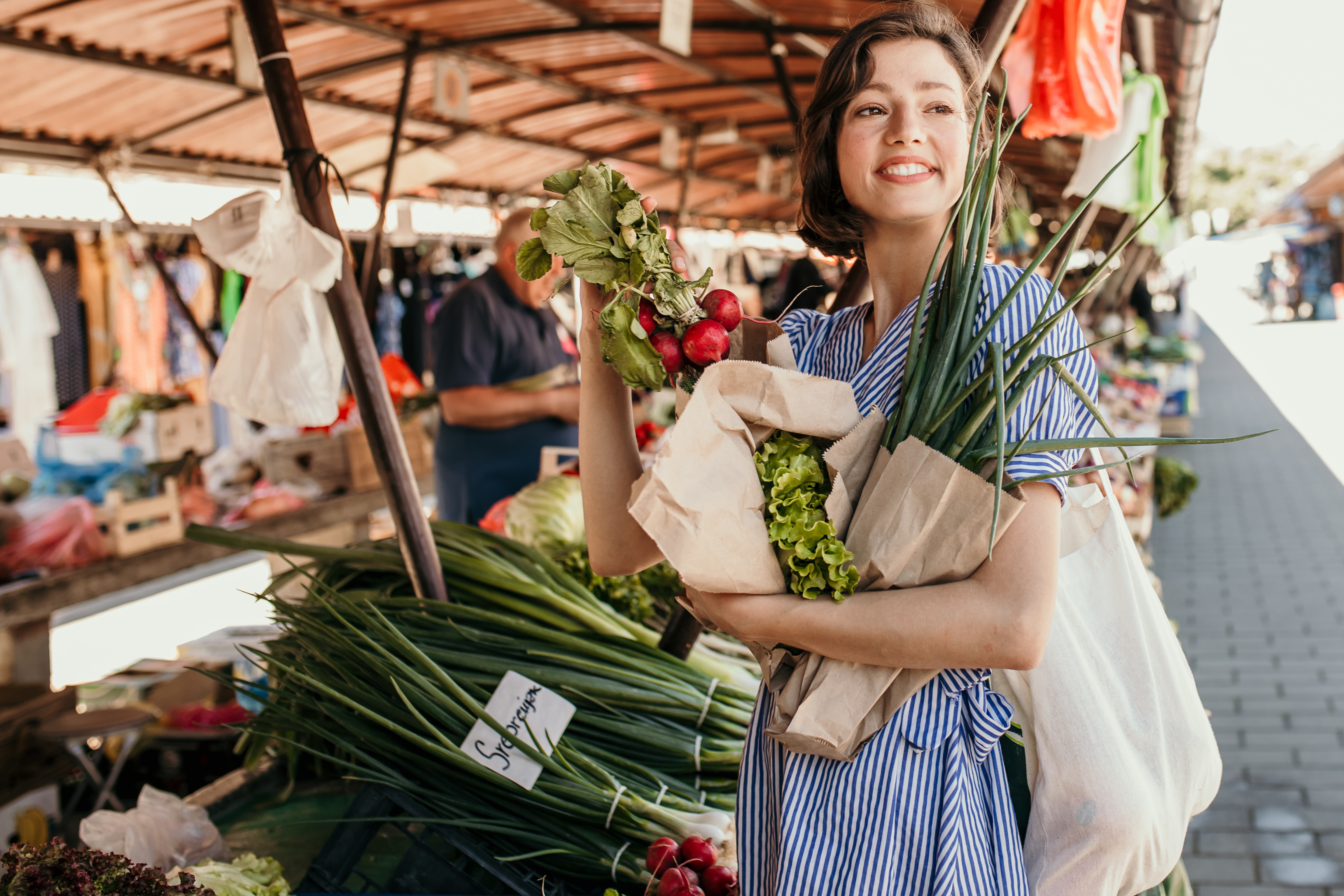
2. Bring Your Own Bags: Farmers markets are not grocery stores, and vendors are unlikely to have heaps of plastic bags. Bring a sturdy reusable bag or a basket that can fit everything you’re looking for.
3. Bring Patience — and Cash: The experience of browsing a farmers market is half the fun, so give yourself enough time to explore and be discerning. Do a lap and see whose produce looks the freshest. Bring a friend and treat the shopping experience as an opportunity to meander and catch up. And bring cash: Many vendors prefer to work with old-fashioned money.
4. Know What’s in Season: Before heading to the farmers market, research what kinds of crops are in season in your area. Although some farmers markets, particularly large urban markets, will feature as many products as your local grocery store, the locally grown, in-season stuff will be freshest.
5. Look Beyond Produce: Farmers markets are not all about fruits and veggies. You can also find local meat producers, honey makers, and all kinds of artisans. Farmers markets offer a great way to source your food from known sources, allowing you to run a more sustainable and ethical kitchen.
6. Be Friendly: One of the best ways to score the freshest ingredients for your next dinner party is to build relationships with farmers market vendors. They are a wealth of information and will be able to steer you to the best they offer, as well as give you tips for what to look for and when.
7. Open Yourself to Inspiration: It’s advisable to come prepared with a list of items you may need for the week. But also, be open to discovering some unexpected finds. A farmer may direct you to something fresh and new that’s recently arrived that will upend your meal plan with delicious results.
Create your own farm-to-table with our guide to growing your own food.

The Ultimate Texas State Park Guide: East Texas Edition
We explore the eastern state parks in Texas.

A Deep-Fried Deep Dive Into Texas’ State Fair Food
How the Corny Dog became king and other stories.

3 Oktoberfest Celebrations in Texas
From traditional food to big, blowout festivals, here are our favorite ways to embrace German culture this fall.

A Total Solar Eclipse Is Coming Through Texas!
Here’s how, where, and when to experience this rare astrological event.
Family-Friendly New Year’s Eve Events Across Texas
Out with the old and in with the new.

Guide to the Best Arcades in Texas
Go for the air conditioning; stay for the high scores.