Please sign in as a member or guest below to access it.
Please sign in as a member or guest below to access it.

Kirk Burnett arrives at the fire station at 6 a.m. As a driver engineer, he has to check his fire engine’s equipment; wash the apparatus to make sure it’s clean enough to be proud of — a symbol of trust and safety for the public; clean the station. He eats breakfast with his fellow firefighters, who are like one big family. It’s a busy sta- tion, so there’s not much downtime. When there is, the diverse fire station crew sits and laughs together, having a cup of coffee and cracking jokes. They’re always “on air” — ready to take whatever…
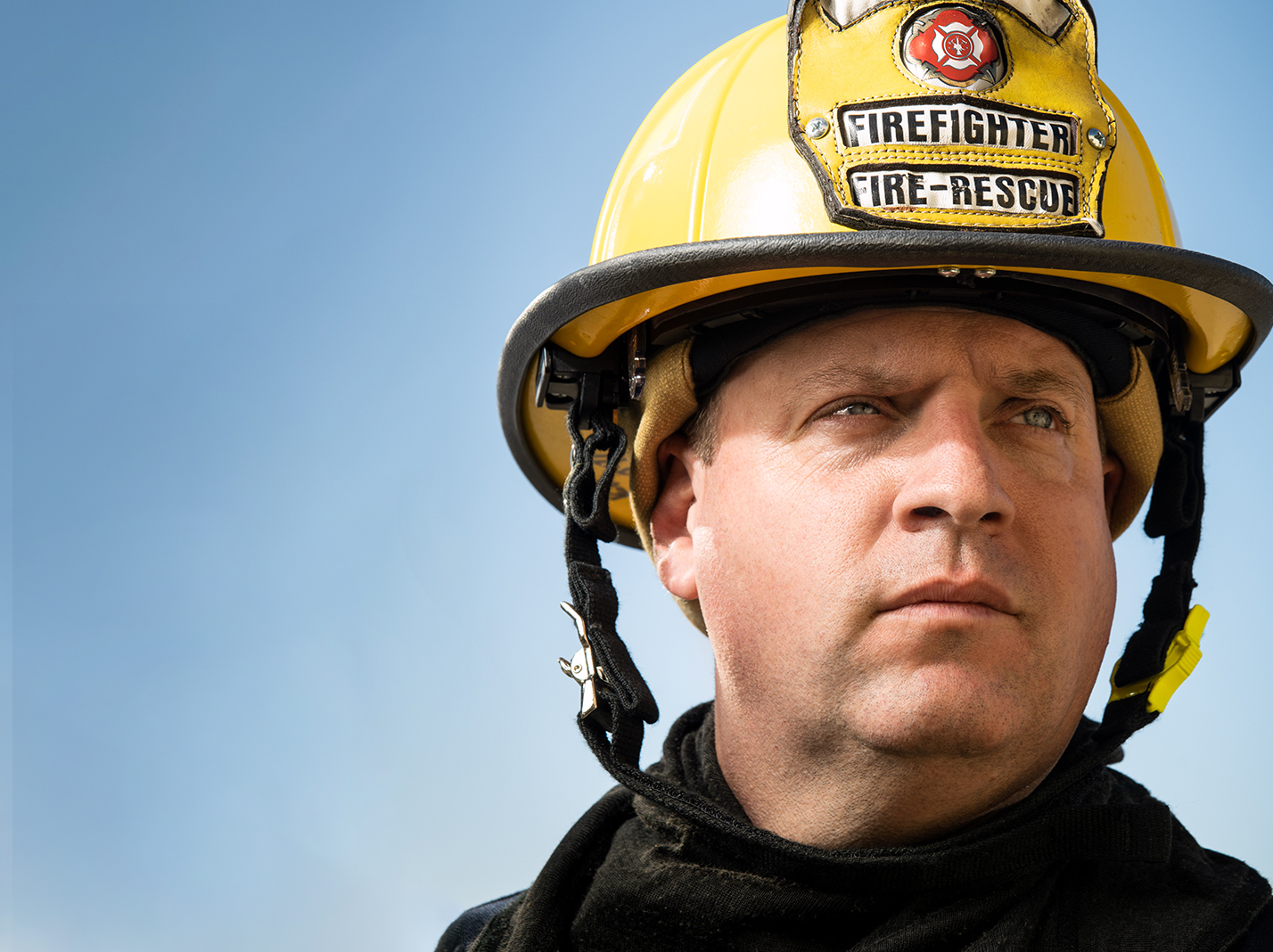
Kirk Burnett arrives at the fire station at 6 a.m. As a driver engineer, he has to check his fire engine’s equipment; wash the apparatus to make sure it’s clean enough to be proud of — a symbol of trust and safety for the public; clean the station. He eats breakfast with his fellow firefighters, who are like one big family. It’s a busy sta- tion, so there’s not much downtime. When there is, the diverse fire station crew sits and laughs together, having a cup of coffee and cracking jokes. They’re always “on air” — ready to take whatever call comes in.
The pandemic hasn’t changed any of that. And yet, it has touched the lives of every firefighter in Texas.
Burnett, a single father of five children, works and lives at the station during his three 24-hour shifts a week. On days off, he works a second job and volunteers. When a tornado hit Bowie, where Burnett is from, he was there with his son Liam helping the town clean up. Both on and off duty, Burnett makes it his mission to help others.
That’s why he doesn’t take the pandemic — or the procedures keeping him, his crew, and the public safe — lightly.
Protocols are updated daily, as their medical director learns, consults with experts across the country, and relays the latest information. “It’s dynamic, and we have to be ready to change just like the virus changes,” Burnett says.
The firefighters wear masks and gloves even on low-risk calls such as helping get a cat out of a tree. On high-risk calls, they limit exposure by staying on the engine unless needed and upping their protective gear.
“We don’t want to risk any of the crew members or any of the public,” Burnett says. “After every run, we wash our hands. We all watch and monitor symptoms. We take our temperatures daily. That’s as a safety to the patient and ourselves.”
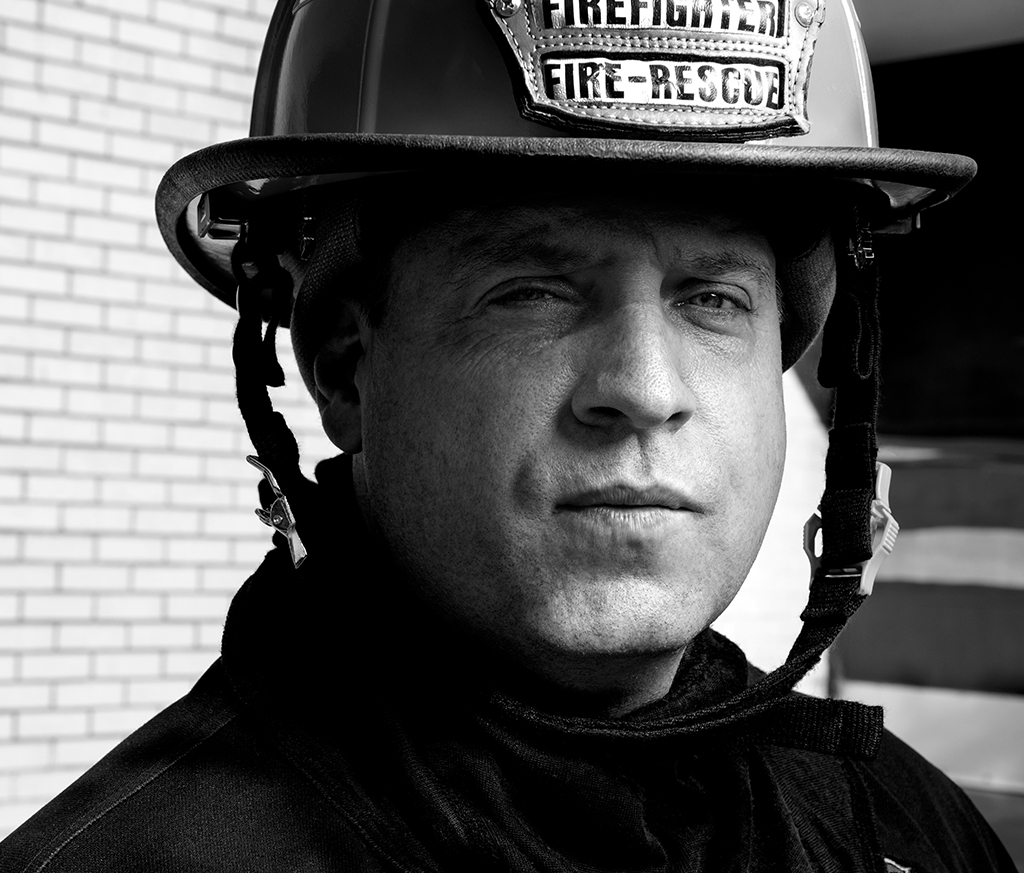
It’s essential no one on the crew gets sick, since they live together in close quarters. Masks are worn in the station too. Although these measures are new, they don’t phase the firefighters, who have been trained before to handle patients with tuberculosis, flu, and even Ebola, which briefly entered Texas six years ago. As first responders, they’re equipped for anything.
“The diseases are frightening,” Burnett says. “But we take precautions. And we don’t mind taking extra precautions, to help keep the public safe in heart and mind, and for us to feel safe. We’ll do everything asked by the medical director. Our priority is to keep the public safe. That’s what I swore an oath to, and we’ll do that to the best of our ability.”
Of course, the pandemic has affected Burnett’s life at home too — his five children all adapted to distance learning last spring, although they are back in school now. His eldest daughter, 19, now in college and living at home, has helped him take care of the younger ones (ages 17, 12, 11, and 6).
Keeping them safe is his top priority. He washes his work clothes at work to avoid wearing them home, especially if he’s come into contact with a sick patient. He was exposed one time over the summer and had to quarantine for 14 days but luckily never tested positive.
“I would do anything in my power to keep them from exposure.“
“The coronavirus doesn’t hit children as hard, but there’s danger there, so I would never expose them,” he says. “I would do anything in my power to keep them from exposure. I do everything to keep them from the horrors of this job, and that includes getting them sick.”
But the Burnett family has stayed safe and stayed strong throughout the crisis. “The best thing about children is that they adapt; they’re resilient. They are strong,” Burnett says. “They won’t let you dwell on your problems too long, because they want your attention. So if you start feeling down, they don’t let you stay that way.”
Burnett takes the same approach. Between being a father, fighting fires, and volunteering, his work seems to be never done — yet he says he’ll look back and only wish he could have done more.
He said he wanted the fire engine to be a symbol of pride, security, and trust. With Burnett behind the wheel, there’s no question.
Kirk Burnett is a Texas Farm Bureau member. Susan Stewart, a Texas Farm Bureau Insurance Agent in Bowie, nominated him for this series. Read about our other first responders, Samuel Askins, Nicole Michels, Ryan Michels, Brigette Munoz, Delaney Sweeney, and Brent Tymrak.
BTS: Texas Settings of ‘Yellowstone’ and ‘1883’
Discover the authentic Texas landscapes and iconic venues that serve as the backdrop for the hit TV series “Yellowstone” and its spinoff, “1883.”
Veterans Say Camp Cowboy Turns Lives Around
For many veterans, the real struggle begins after they leave the service.
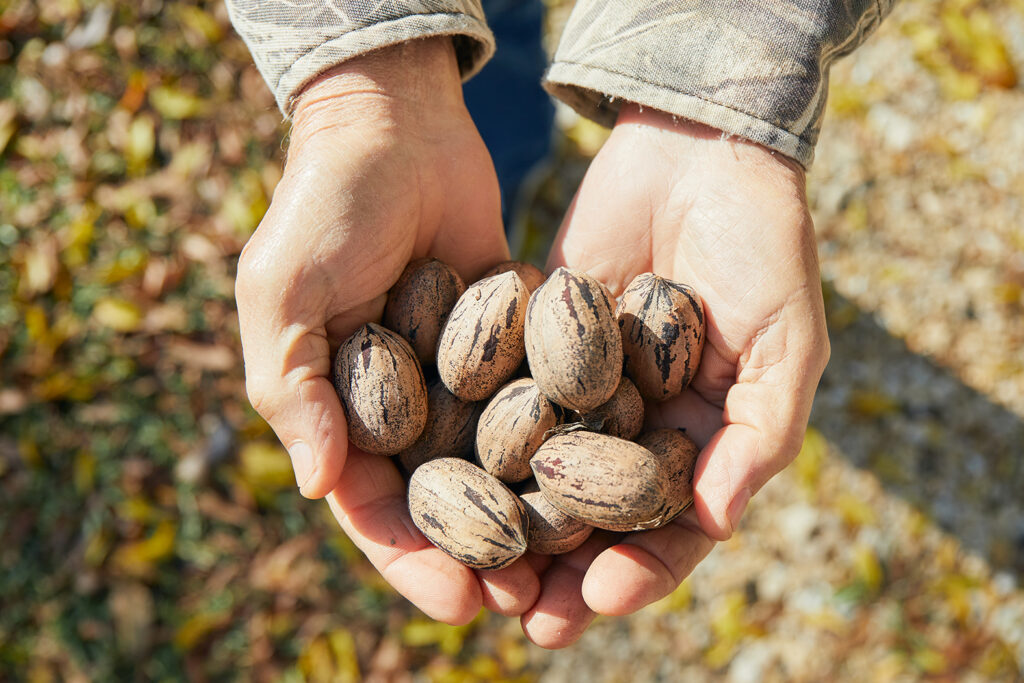
Texas is nutty for pecans.

The 9 Best Places to See Fireworks in Texas
From quaint small-town parades to majestic urban festivals, here is where you will want to be to celebrate America’s birthday.
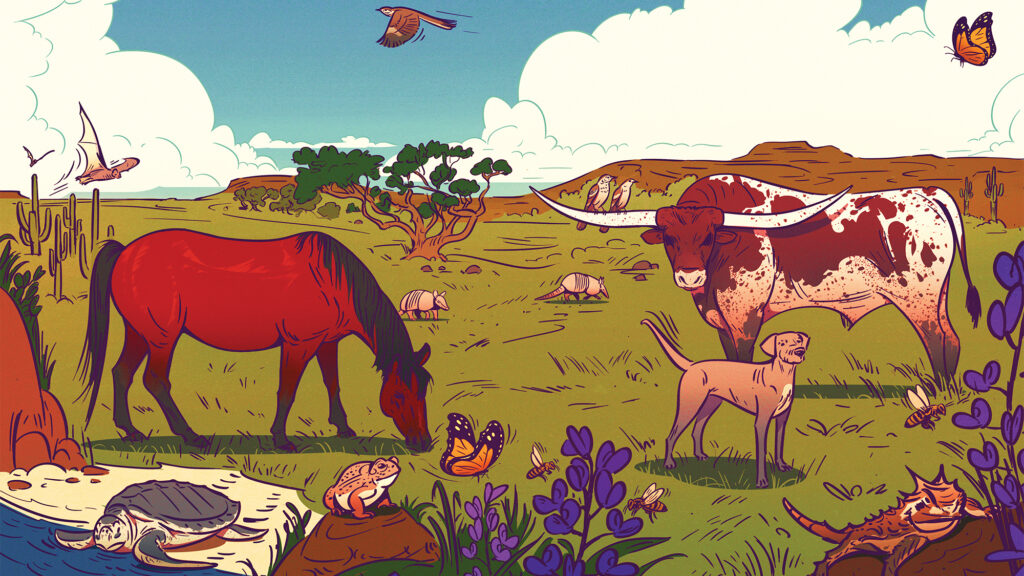
Fourteen and counting.
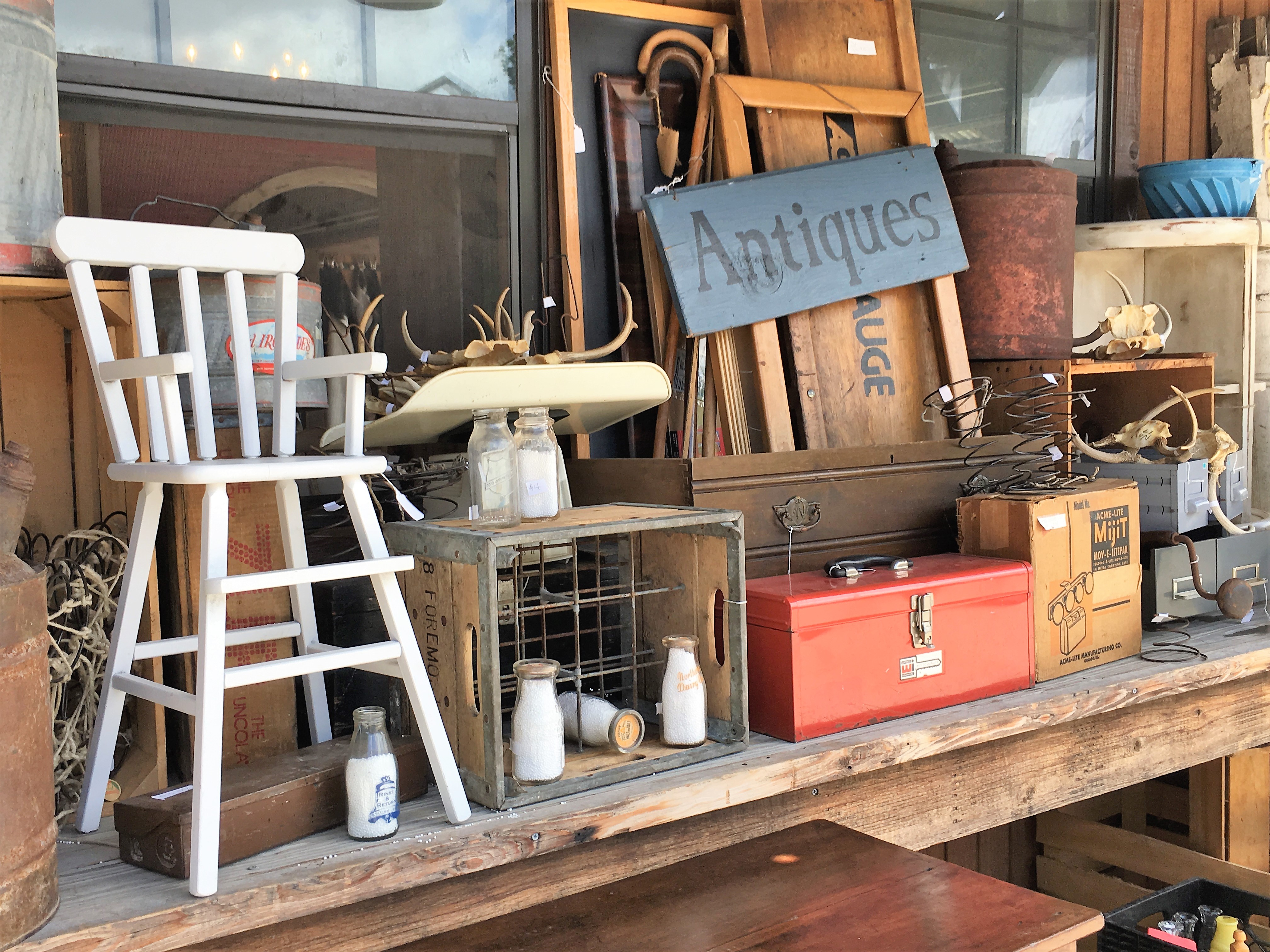
12 Spots to Hunt for Texas Antiques
These treasure-hunting grounds are well worth a detour from the road.