Please sign in as a member or guest below to access it.
Please sign in as a member or guest below to access it.

You don’t have to have a green thumb to plant a lovely garden you can enjoy for years to come.
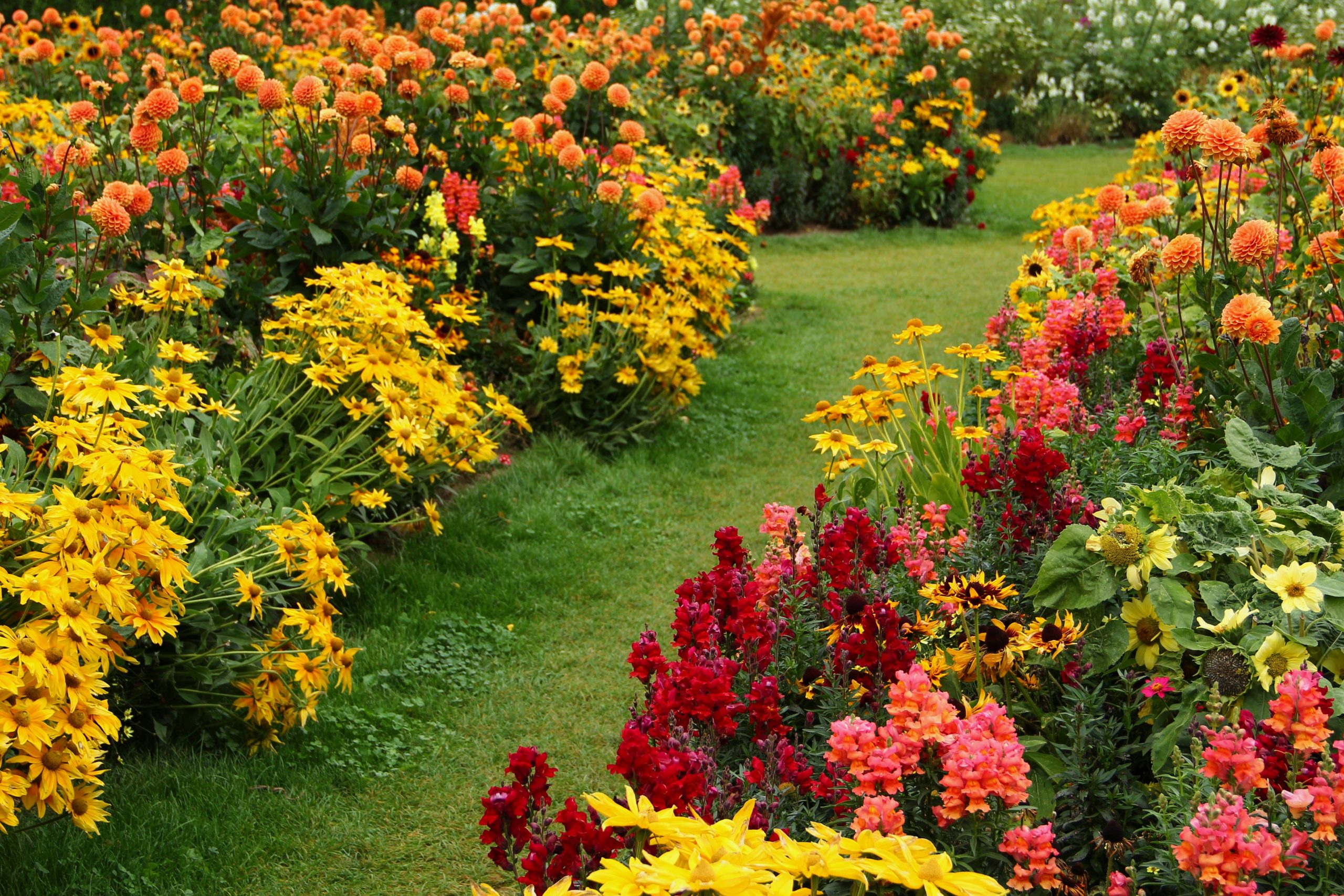
Fall is the perfect time to plant if you want your yard to burst with color come springtime. Not only will the cooler temperatures make gardening more enjoyable, but fall planting gives plants plenty of time to establish their root systems before the summer heat returns.
Plants that bloom for a single season are fine, but do your future self a favor and consider choosing perennials. They require no more work than annuals, and you get to enjoy them for years to come.
Plants can be annuals, which live their entire life cycle in one season, or perennials, which live for years, dying back during the winter and returning in the spring. Perennials usually require some TLC on the front end but are then resilient and self-sufficient.
Whether you plan to harvest your plants or enjoy their beauty, planting perennials will save you both the expense of new flowers and the effort of planting them each year. Perennials also cause much less soil disturbance than annuals, making them an environmentally beneficial choice.
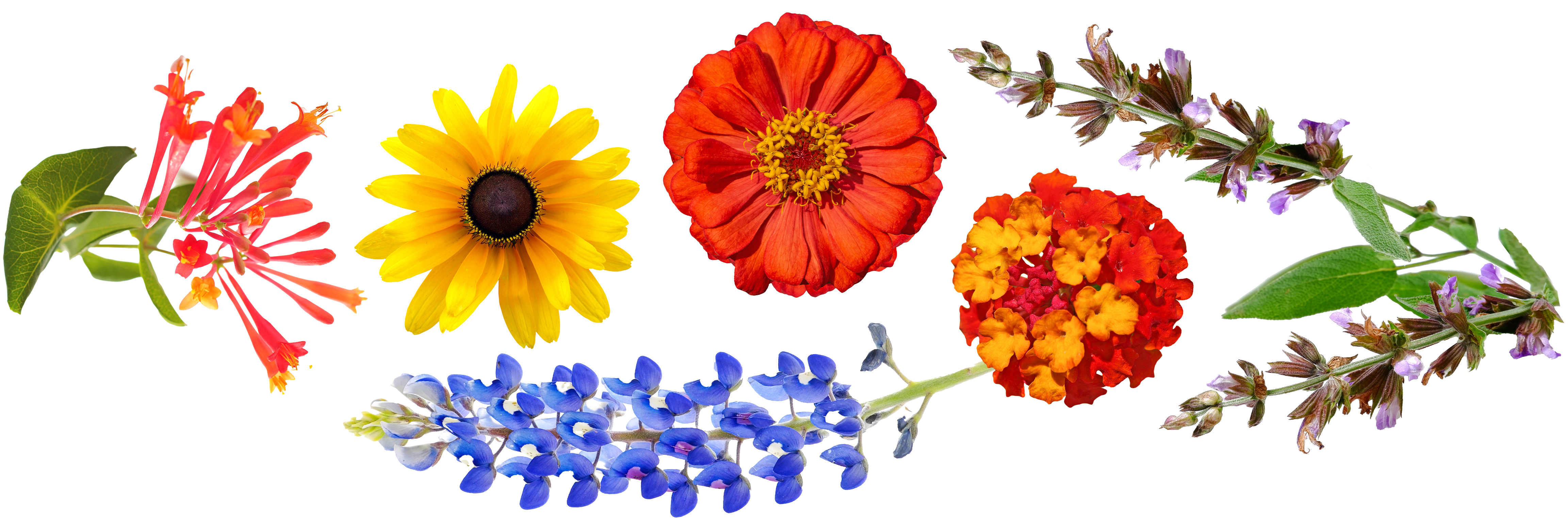
What are your hopes for your plants? Do you want something you can eat? Something pretty? Something to fill an empty space or soften a harsh fence? Keep those qualities in mind as you look through some Texas-friendly perennials. Most Texas gardening zones, which feature different temperature ranges, soil characteristics, and ideal planting times, span 6b to 10a, so ensure the plant you’re considering is compatible with your area. Talk to an expert at a local plant nursery if you aren’t sure.
These plants grow best in the following USDA Plant Hardiness Zones:
If you’re planting multiple perennials, try to choose some with varying bloom times to maximize the length of color in your garden. For example, coral honeysuckle blooms from mid-spring until June, and black-eyed Susan usually blooms from March to November, while lantana blooms almost continuously from late spring until the first frost.
Typically, plants that bloom in the spring should be planted in the fall, and plants that bloom in the summer or fall should be planted in the spring. Prepare and loosen the soil by pulling any weeds and clearing debris, then add a couple of inches of compost.
If you’re planting multiple perennials, give them enough room, allowing more space for plants that will be larger when mature. (Check the plant’s label, but a good rule of thumb is to plant your perennials half the distance of their mature height.) Surrounding your perennials with mulch will help retain moisture, prevent weed growth, and protect the roots during extreme temperature shifts.
Adjusting to a new environment is tough for a plant, so start by watering daily to ease the stress. Continue for at least two weeks (longer for larger plants), then taper off until you’re watering only once a week or when the top inch of soil is dry. It’s normal for plants to struggle initially, but after a few weeks, they should start improving.
Care for your perennials throughout the growing season by fertilizing and pruning as necessary. Keep destructive insects at bay with organic pesticides or by introducing natural predators such as ladybugs and praying mantises.
During the winter months, consider adding a new layer of mulch to help retain warmth and cover your plants with breathable fabric, such as bedsheets, burlap, or even newspaper, during inclement weather or freezing temperatures. Avoid using plastic sheets, as they can cause condensation to form and freeze underneath, hurting your perennials.
When you want to beautify your outdoor spaces, perennials are a great choice and well worth the up-front investment. Plant something that will thrive in your space, give it some attention to help it adjust, and enjoy its return again and again.
Unsure which plants will thrive in your yard? Our guide to Texas’ gardening zones can help!
Preserving Your Produce Just Got Easier
The ins and outs of drying, pickling, dehydrating, and canning produce.
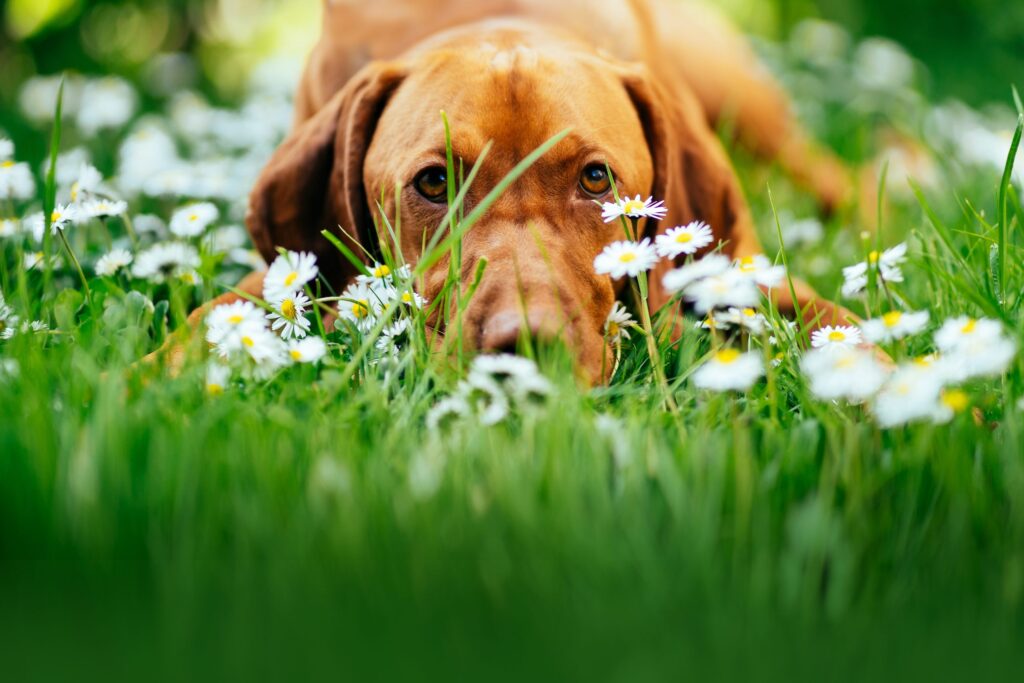
Common household plants can be toxic to your pets. Here’s what to avoid — and which plants to choose instead.
7 DIY Bird Feeders to Brighten Up Your Yard
We’re known for our hospitality. Here’s how to share it with migrating birds.
How a Home Generator Can Reduce Your Risks During Outages
Keep calm and power on.
Enjoy the Bounty of Fall Gardens
Gardening isn’t just for spring and summer. Explore all that fall gardens have to offer.

How to Enjoy Winter Patio Weather
Tips for year-round R & R.