Please sign in as a member or guest below to access it.
Please sign in as a member or guest below to access it.

Brigette Munoz wasn’t used to people knowing much about her job, until it suddenly became one of the most important and most headlined jobs in the world. As a respiratory therapist, she assists in intubating patients, giving them breathing treatments, and getting them on life-saving devices. Lungs have been her expertise for the past 11 years. That’s put her on the front lines of the COVID-19 pandemic. The coronavirus has put respiratory therapists in high demand at hospitals in hot spots across the U.S., which became flooded as the virus spiked. “At first, I kind of thought it’d blow over…
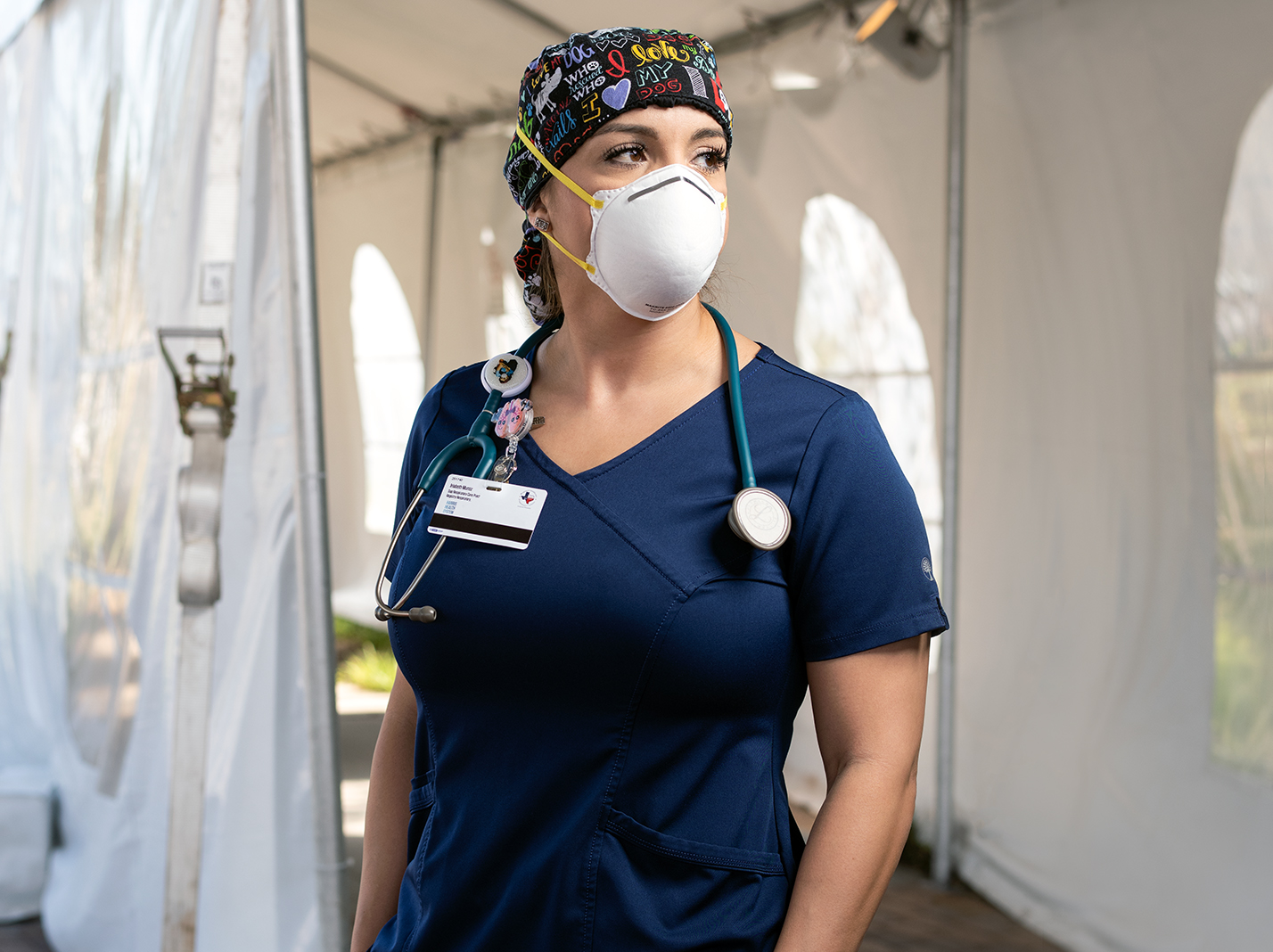
Brigette Munoz wasn’t used to people knowing much about her job, until it suddenly became one of the most important and most headlined jobs in the world.
As a respiratory therapist, she assists in intubating patients, giving them breathing treatments, and getting them on life-saving devices. Lungs have been her expertise for the past 11 years. That’s put her on the front lines of the COVID-19 pandemic.
The coronavirus has put respiratory therapists in high demand at hospitals in hot spots across the U.S., which became flooded as the virus spiked.
“At first, I kind of thought it’d blow over — it’ll be like the flu or a bad cold,” Munoz says of those first days when news of the virus reached us. “We’re used to dealing with patients who have acute and chronic lung diseases. So it didn’t scare me at first. I thought, this is what we do. Then we started seeing how quickly it spread.”
In March, Munoz and her colleagues at Lyndon B. Johnson Hospital in Houston watched news of New York and waited. The idea of running out of PPE was unthinkable. Could it really happen? Where were all their COVID-19 patients? When would it hit Houston?
“It was because we were all in quarantine. Then, boom — once everything opened, in June, July, and August, then out of nowhere we were hit by a train. Everything we had read was real.”
Fortunately, Munoz says, their hospital was able to learn from those that had been hit earlier. They made makeshift ICU units. They had the equipment, ventilators, and bypass machines they needed, as well as PPE including masks, gloves, face shields, and gowns — and extra scrubs so they wouldn’t have to wear their work clothes home.
“We were lucky,” Munoz says. “They did a lot to accommodate patients and us. I felt safe working there. I never felt like they were putting our health at risk.”
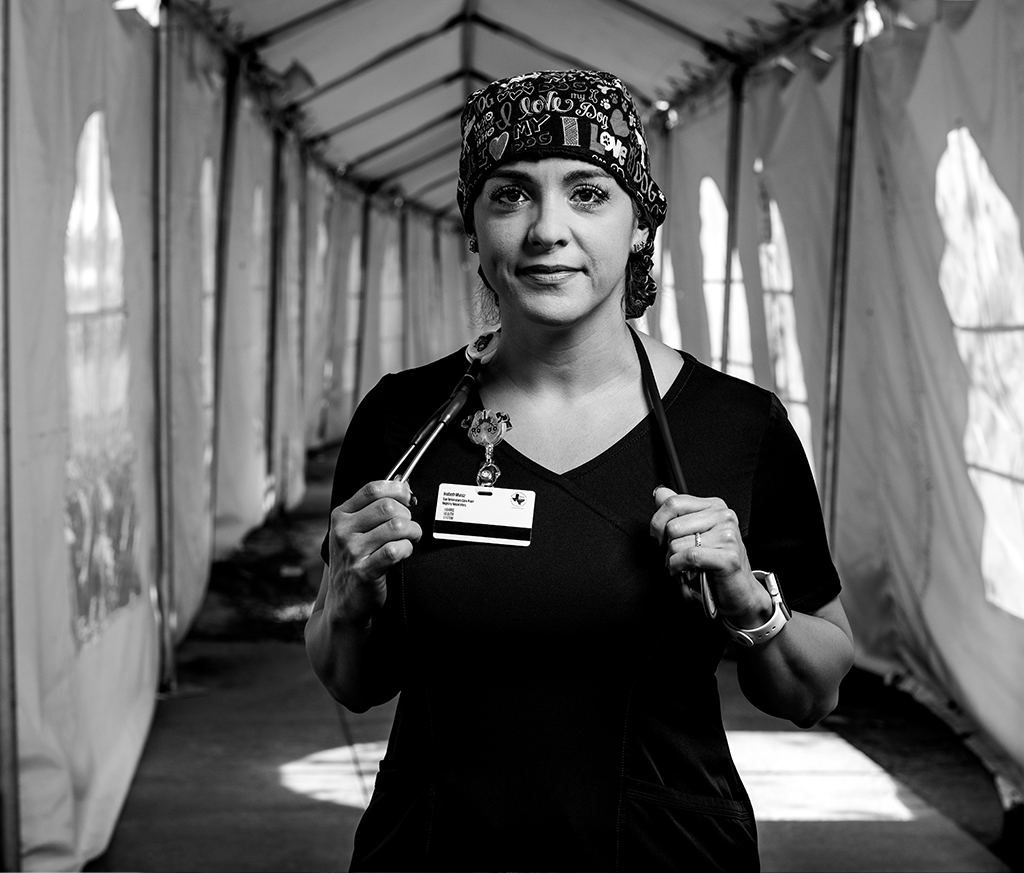
But as their cases mounted, she struggled with the fear of treating a new virus. “This is not like your regular flu or your regular patient,” she says. “I was really scared for the patients.”
And while she treated COVID-19 patients every day, there was the possibility that she’d bring it home with her to her husband and son, both of whom have asthma. “Those were really big triggers for me,” she says. “Should I not be going home? Should I go to a hotel? I didn’t know what to do. I was really scared.”
Worst was the emotional burden of watching patients pass away alone, unable to be with their families. “That part, when I think about it, makes me really, really sad in my heart. We were there, and we held their hands, but I don’t feel like it’s the same as having family members there to comfort them,” Munoz says. “Being Hispanic, we have huge families, and usually all of our families are there. Everyone’s there. Even if we can’t do anything, we’re there.”
So she told her family and friends to please do their part and stay safe.
“I can totally see how it happened — how it got to where it got to in June and July. People thought because they opened everything up, everything was OK. But if they had asked me, I would have told them, ‘This is what’s going on. A lot of people are sick and dying, and it’s unnecessary.’”
Despite the heavy challenges of this time, Munoz found strength.
“As time went on, I knew that I knew what to do,” she says. “I’m not going to
say I wasn’t scared. But we just did our jobs and did what we could do to save the patients. I ended up thinking, I’ll just do the best I can and make it work.”
“I’m not going to say I wasn’t scared. But we just did our jobs and did what we could do to save the patients.”
Since that first peak, the volume has become more manageable, but the cases continue — and are on the rise again across Texas.
“We treat everyone as if they have COVID-19,” Munoz says. “We wear our surgical mask, full protective gear, shield, gown, N95.”
It’s become easier mentally, as she’s seen that they are able to protect themselves. Two respiratory therapists contracted the virus, but the other 35 or so have not. “I started seeing that the more cautious we are, the better,” Munoz says.
Still, as things continue to open, Munoz worries that outside of the hospital, not everyone is taking precautions.
“It’s not going to go away. I’m scared there will be another peak in cold and flu season and as things open back up. There would be plenty of times when we were trying to keep a patient alive, and a doctor would say, ‘But this is all fake, right?’ And we would all shake our heads, because people are saying it’s fake.”
Even amid concerns about rising cases, Munoz knows she and her colleagues know what to do, and no matter the challenges, they’ll continue to show up for their patients.
Brigette Munoz is a Texas Farm Bureau member. Her mother, Marie Lee-Rodriguez, a Texas Farm Bureau Insurance Agent in Houston, nominated her for this series. Read about our other first responders, Samuel Askins, Kirk Burnett, Nicole Michels, Ryan Michels, Delaney Sweeney, and Brent Tymrak.
© 2020 Texas Farm Bureau Insurance

Roundup: Guide to Texas Wildlife Spotting
Explore the wild side of Texas’ great outdoors at sanctuaries and nature preserves across the state.
A Look Inside Arlington’s National Medal of Honor Museum
‘Ordinary Americans, extraordinary actions.’

How to Become a Backyard Birdwatcher in Texas
Pick up a book and binoculars, and you’re on your way.

Colorful Cascarones and Other Easter Traditions
Do you know where cascarones started? Learn about these colorful cute crafts and other Easter traditions from around the world.
Creative Care Packages to Send Your College Kid
Whether they're homesick freshmen or seasoned seniors, all students love getting goodies from home.
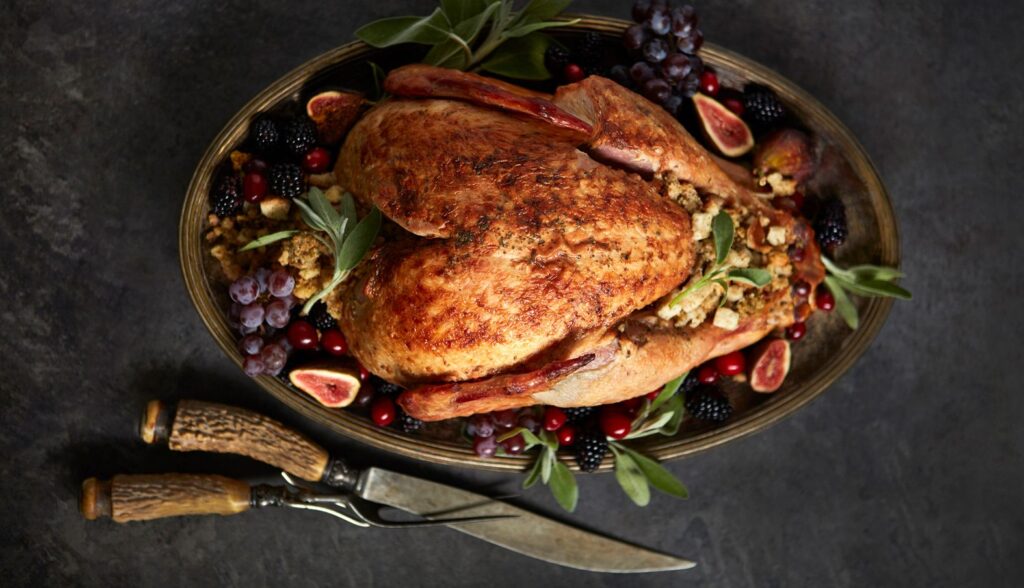
Turkey Guide for a Stress-Free Thanksgiving
Answering your turkey concerns, from choosing the right size to picking the juiciest recipe.