Please sign in as a member or guest below to access it.
Please sign in as a member or guest below to access it.

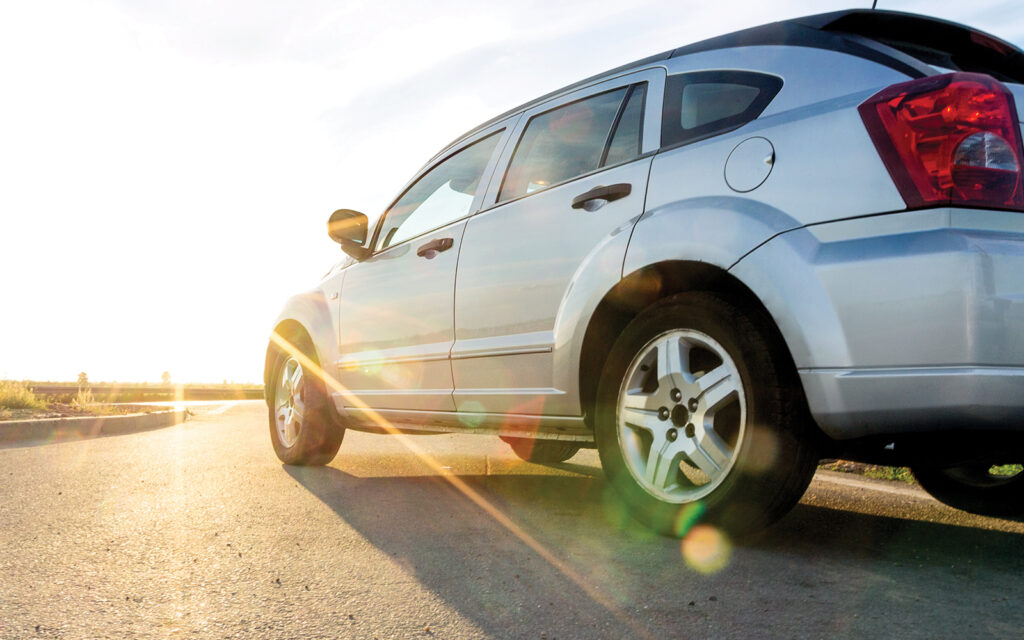
It’s raining, it’s pouring, and ideally, your spring commute is boring. Follow this guide to ready your car for unexpected spring storms.
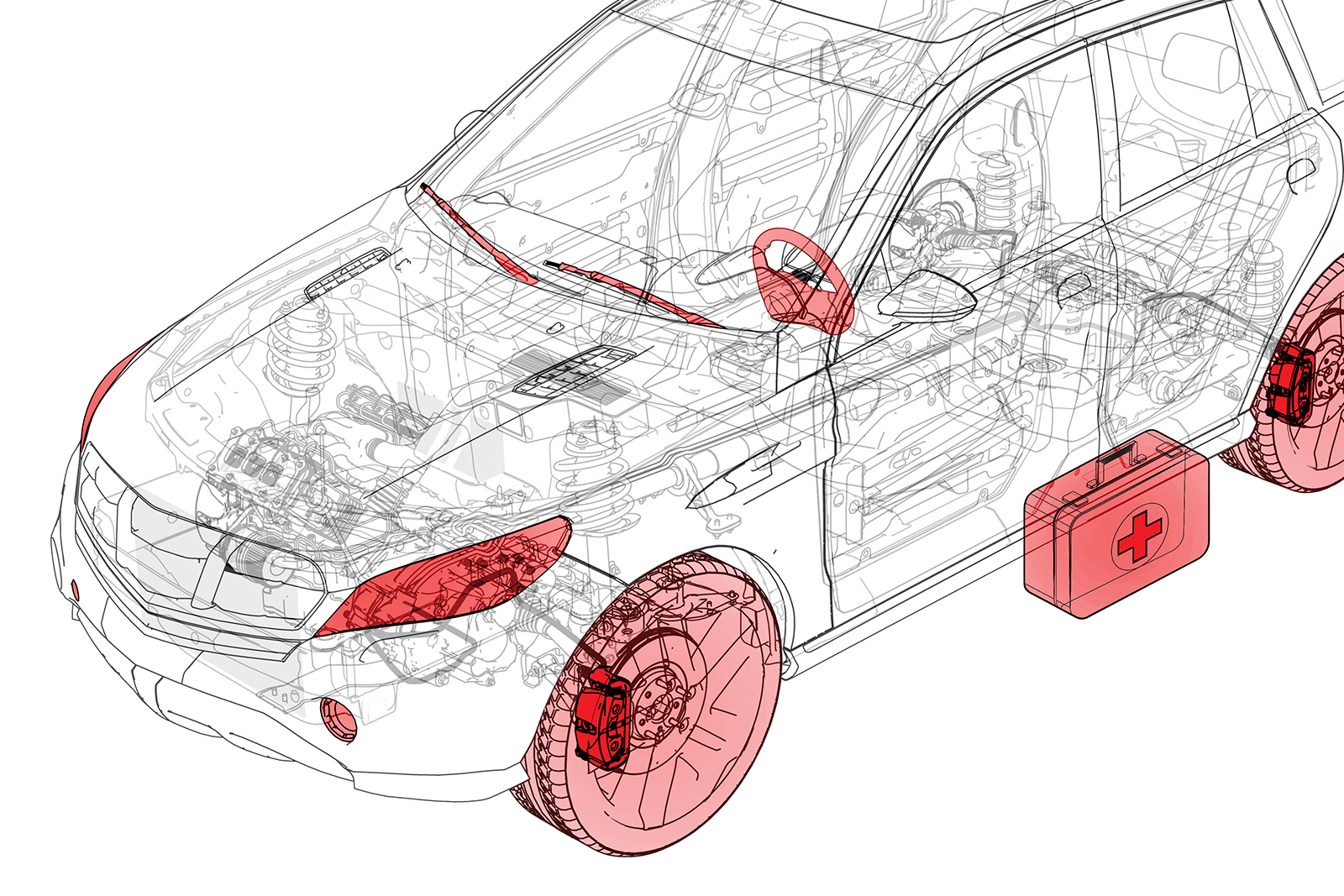
It’s raining, it’s pouring, and ideally, your spring commute is boring. Follow this guide to ready your car for unexpected spring storms.
If you’re in a road accident that’s partially caused by weather conditions — like if you skid across ice and rear-end another car — it may seem like you’re not at fault, the weather is. But unfortunately, the weather cannot be found accountable for accidents (thanks, Mother Nature!), so fault would be determined the same way any other accident would be. The good news is that if your car loses a battle with nature (say, a flood) the damage can be covered under your comprehensive policy.
Paula Stiles-Altman, a Texas Farm Bureau Insurance Agent in Stanton, answers common questions drivers face this season.
Do you have an evacuation plan for sudden spring storms? Follow this guide.
Coverage and discounts are subject to qualifications and policy terms and may vary by situation.

Protecting Older Drivers on the Road
Know before you go.

Your Car Was Broken Into or Stolen. What Next?
Take a deep breath and follow this guide.

The Best (and Safest) Malware-Protection Software
Malware, or malicious software, can be downloaded onto your devices without you even knowing, putting your private information at risk.
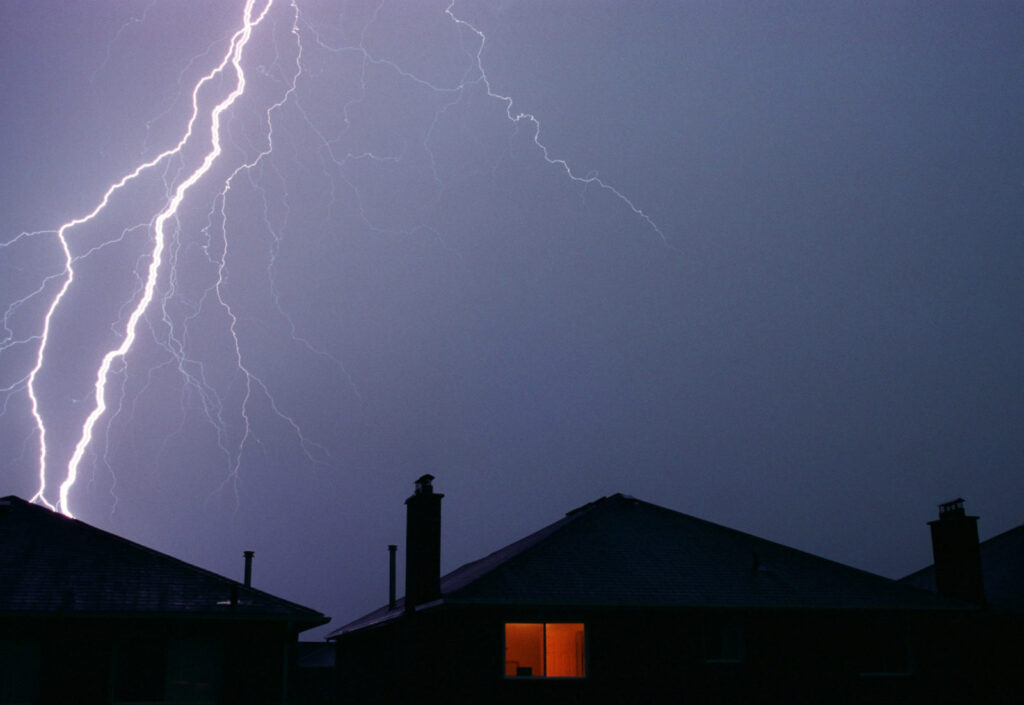
Protection From Lightning Strikes
Some acts of nature are not covered under your normal policies.

How Risky Is the New Car Sharing Trend?
Peer-to-peer car rentals are all the rage, but they come with risks.
Mercury Rising: Are you Safe from the Texas Heat?
Texas' summer sun sends temperatures soaring — are your loved ones protected?