Please sign in as a member or guest below to access it.
Please sign in as a member or guest below to access it.

Nail polish can be more dangerous than just picking the wrong color.
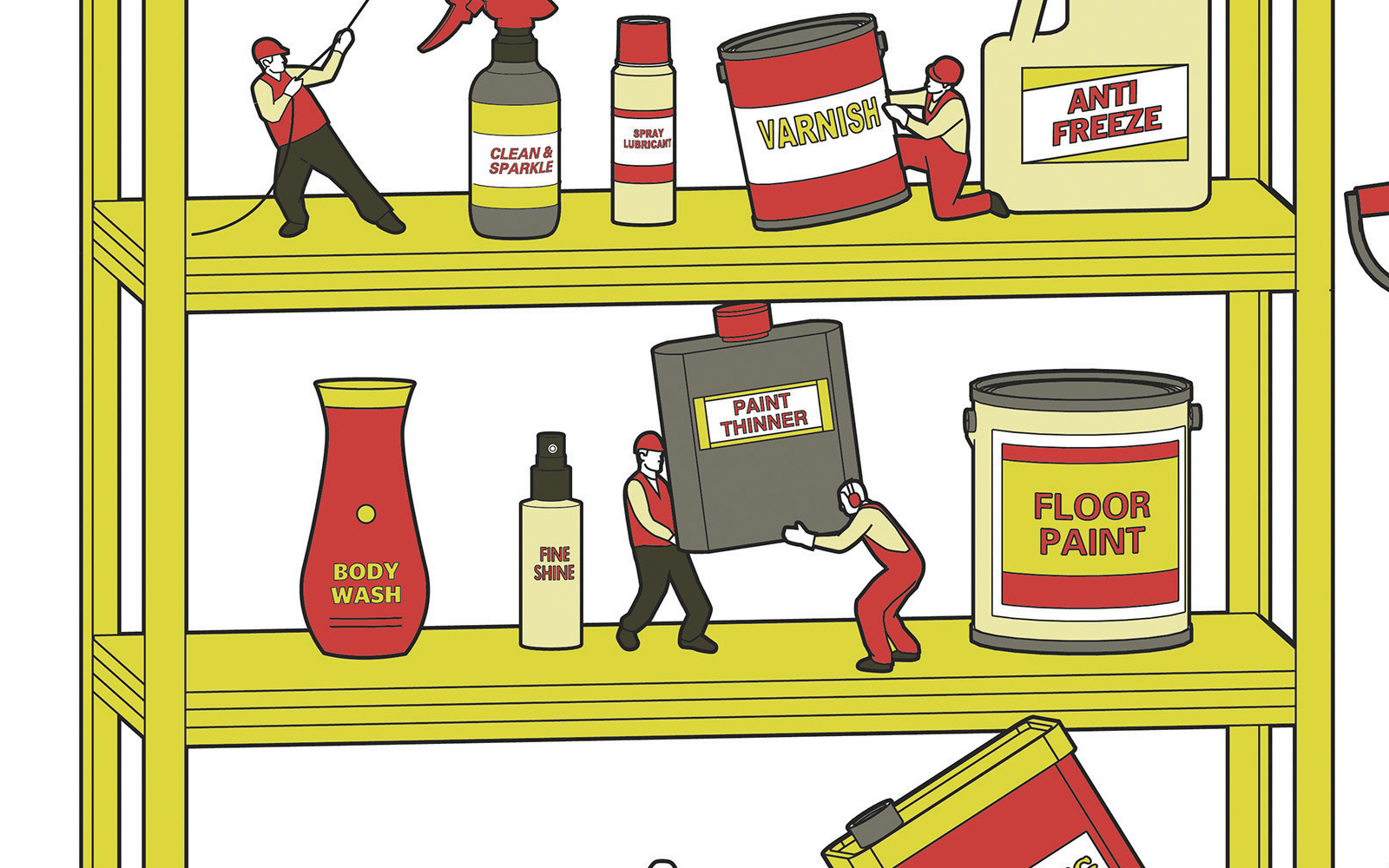
Take a look around your home. Chances are there are some highly flammable liquids lurking nearby. Some, like the gas can in the garage, are obvious. But what about nail polish remover?
In 2015, a Texas woman suffered severe burns when she was removing her nail polish too close to a candle. According to the National Fire Protection Association (NFPA), she was just one of the approximately 2,500 people who are injured by combustible liquid-fueled home fires every year. These fires are responsible for approximately 470 deaths and $1 billion in property damage annually.
U.S. law defines a flammable liquid as one that has a flash point, or temperature at which it can ignite, below 100 degrees. According to the Federal Hazardous Substances Act, products that fall into this category have warning labels. So what should you do when you see one? For starters, don’t remove nail polish near a candle — and be aware of the seemingly innocuous household items that can quickly cause house fires.
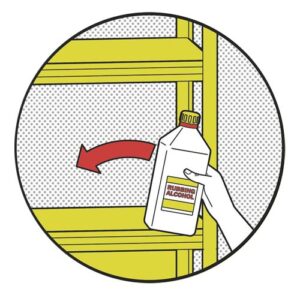
These materials should be kept out of direct sunlight, away from heat sources like fireplaces and hot-water heaters, and in a place where they can’t easily fall over. It only takes a little static electricity to transform a spilled mess into a flaming catastrophe.
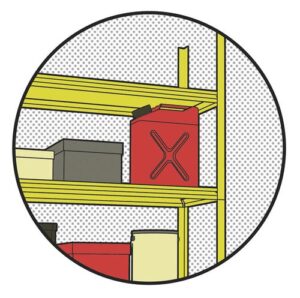
This should only be stored in an approved container with the lid kept tightly shut. It is best kept out of the main living area, in a garage or a shed. The NFPA recommends storing gasoline out of reach and out of sight from kids. Lastly, stockpiling gasoline at home is extremely dangerous, so only store as much as you need.
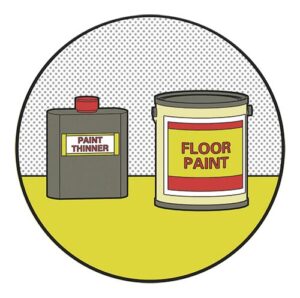
Never combine flammable liquids. Also, resist the temptation to transfer them into more visually appealing or space-maximizing containers. While this might seem like a nice idea, the original packaging is always the safest option. Transferring also increases the risk of spills.
As a homeowner, you are responsible for many of the things that happen in your house, whether you are directly responsible for them or not. While you may take every possible precaution, others in your home may not. That’s why it’s important to make sure you are covered in the event of unfortunate incidents.
“Homeowners need adequate liability protection,” says Robbie Miller, a Texas Farm Bureau Insurance Agent in Darrouzett. “They also need to make sure that their liability is enough.”
A meeting with your local Texas Farm Bureau Insurance Agent should put your mind at ease. Just keep an eye out for warning labels and be careful with that nail polish remover.
Coverage and discounts are subject to qualifications and policy terms and may vary by situation.
Are your prepared for the unpredictable? Read how faith, family, and Texas Farm Bureau Insurance helped this North Texas family weather an unseasonal Christmastime tornado.
Which Navigation App Should You Use?
Comparing Google Maps, Waze, and Apple Maps.
It’s just like riding a bike. Almost.
Four tips to prolong their longevity and how to replace them yourself.

6 Emergency First-Response and Safety Courses
Be prepared for anything with these courses.
Remain Calm: Fender Bender Tips and Guidelines
Minor car accidents can shake you up. Know what to do in a fender bender by watching this video.