
Please sign in as a member or guest below to access it.
Please sign in as a member or guest below to access it.

How to live together harmoniously when your household spans the ages.

It’s more than the scenario for a great comedy — it’s a story that’s becoming more familiar to Americans. A millennial college grad moves back in with her parents in the face of student loan debt, or a retired couple find themselves in the spare bedroom of one of their children’s homes. But how does it affect your insurance?
When family moves in, it’s a good idea to talk to your Texas Farm Bureau Insurance Agent to make sure you’re familiar with your coverage. In most cases, your immediate relatives’ belongings would be covered under your homeowners insurance policy. If someone outside your immediate family is moving in — such as a cousin, an uncle, or someone not related — their belongings would be covered in most instances under your homeowners policy. Check with your Texas Farm Bureau Insurance Agent for clarification in such cases. With renters insurance, regardless of how you’re related, everyone needs their own policy.
Keep in mind that if your insurance does cover their belongings, they wouldn’t necessarily be paid the benefits if something was damaged. “If you own the policy, you’re the only person who’s going to get paid anything,” says Marcia Allen, a Texas Farm Bureau Insurance Agent in Tarrant County. She suggests adding parents or adult children who live with you to your policy, which makes things easier if anything ever does happen. “It’s less sticky if whoever is living there is listed as an additional insured,” she adds.
If those moving in are bringing valuable collections with them, you’ll want to double-check that the full contents of your home are protected — at least as much as they can be. This means reviewing and adjusting limits on existing policies. If you make modi cations to your home to accommodate extra occupants, this may affect your insurance as well.
Depending on the circumstance, even if a relative’s belongings are covered by your homeowners policy, he or she might want to consider personal liability insurance. Take this example: Let’s say your adult son and his wife live with you, and you have a dog, and they take that dog with them when visiting friends. While there, the dog accidentally scratches someone, causing an infection. The injured person would then seek damages from your son’s family, making it important for him to have coverage of his own.
When it comes to auto insurance, every vehicle and driver should have coverage. If anyone in the family doesn’t own a car but occasionally drives yours, he can get a named non-owner policy. “It’s a very inexpensive policy that makes the person who doesn’t own a car legal to drive,” Allen says. “Sometimes that’s really the right way to do it so you’re not having to add them to [your auto insurance policy].”
Once you have all the insurance arrangements worked out, you can focus on being one big happy family, whoever that might include, all together under one roof.
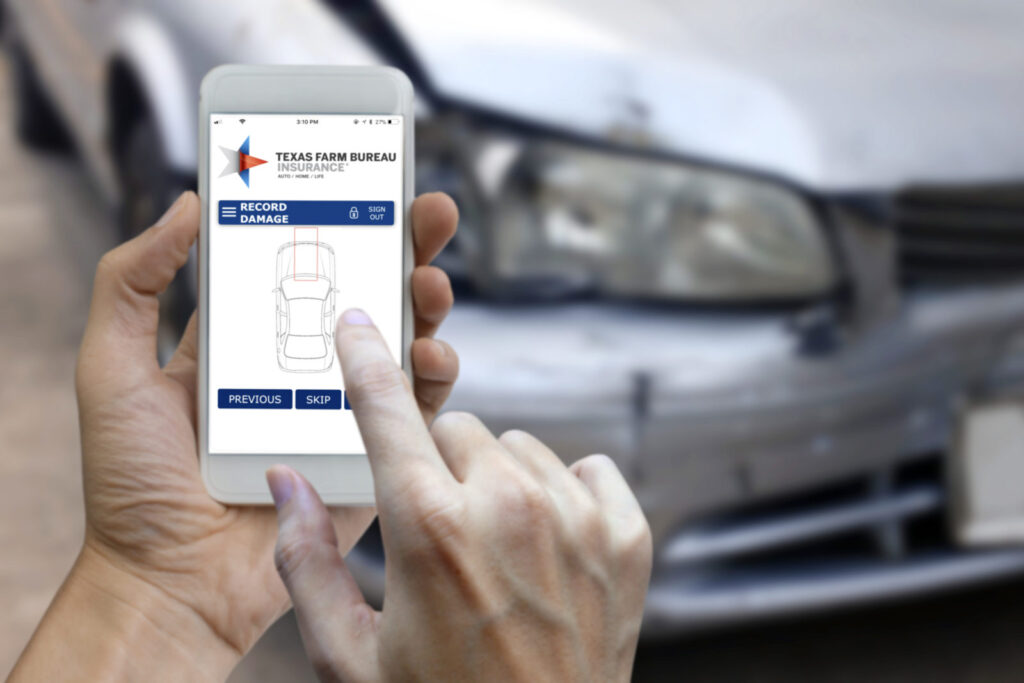
How the New and Improved Texas Farm Bureau Insurance App Can Help You in a Pinch
It’s kind of like having your Agent in your pocket.
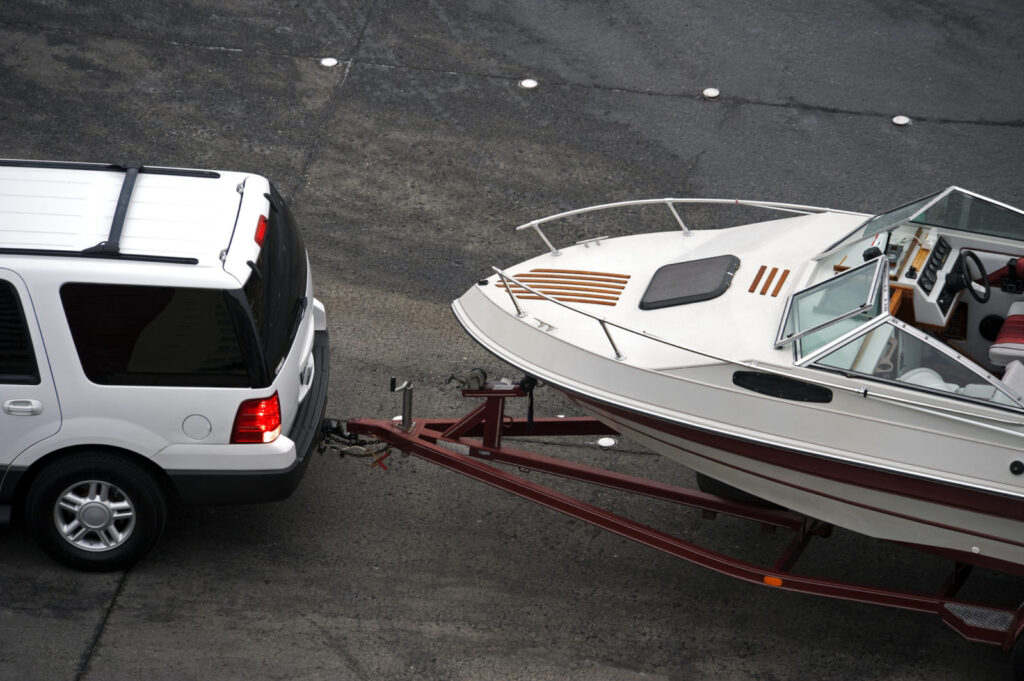
Auto Insurance: It’s Not Just for Cars
You might know the ins and outs of your car’s auto policy — but are your other vehicles insured?

Moving Checklist: How to Buy Your Dream Home
Take it one step at a time and voilà — you are home sweet home.

Manage Your Finances With Smart Payments
Save a tree, manage your home and finances with the click of a button (and never miss a bill).

Having proper auto insurance is part of being a responsible driver. Texans drive a lot, and the state’s highways and byways can be dangerous places. In 2021, the state’s annual “vehicle miles traveled” reached 288.227 billion, an increase of 10.61% over the 2020 total, and there were 15,764 crashes resulting in serious injury, according to […]

Concerned About Liability? Try Umbrella Insurance
When you need an umbrella, you really need it. The same is true of this insurance policy.