Please sign in as a member or guest below to access it.
Please sign in as a member or guest below to access it.

The flavor, fragrance, and flair of herbs give gardeners more bang for the buck.
Beauty just isn’t enough these days. Many gardeners want plants that also offer up fragrance and flavor.
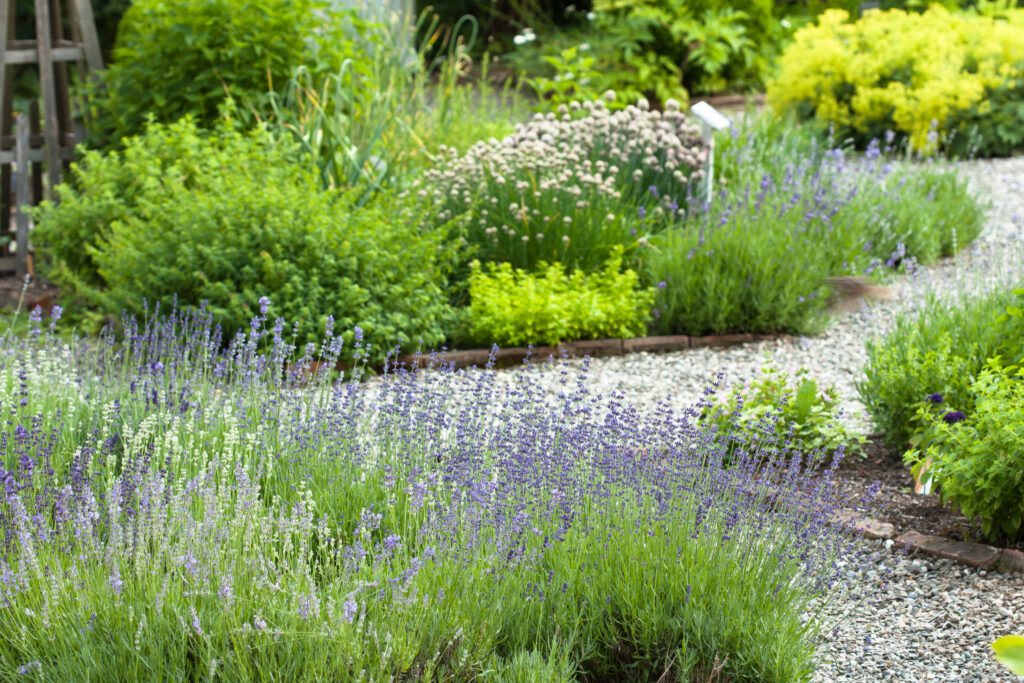
Edible plants such as herbs continue to gain favor with home gardeners, who are using them in new and unexpected ways. Once confined to their own garden space, herbs are serving dual purposes as both culinary favorites and tough landscape plants that create texture and beauty in ornamental gardens.
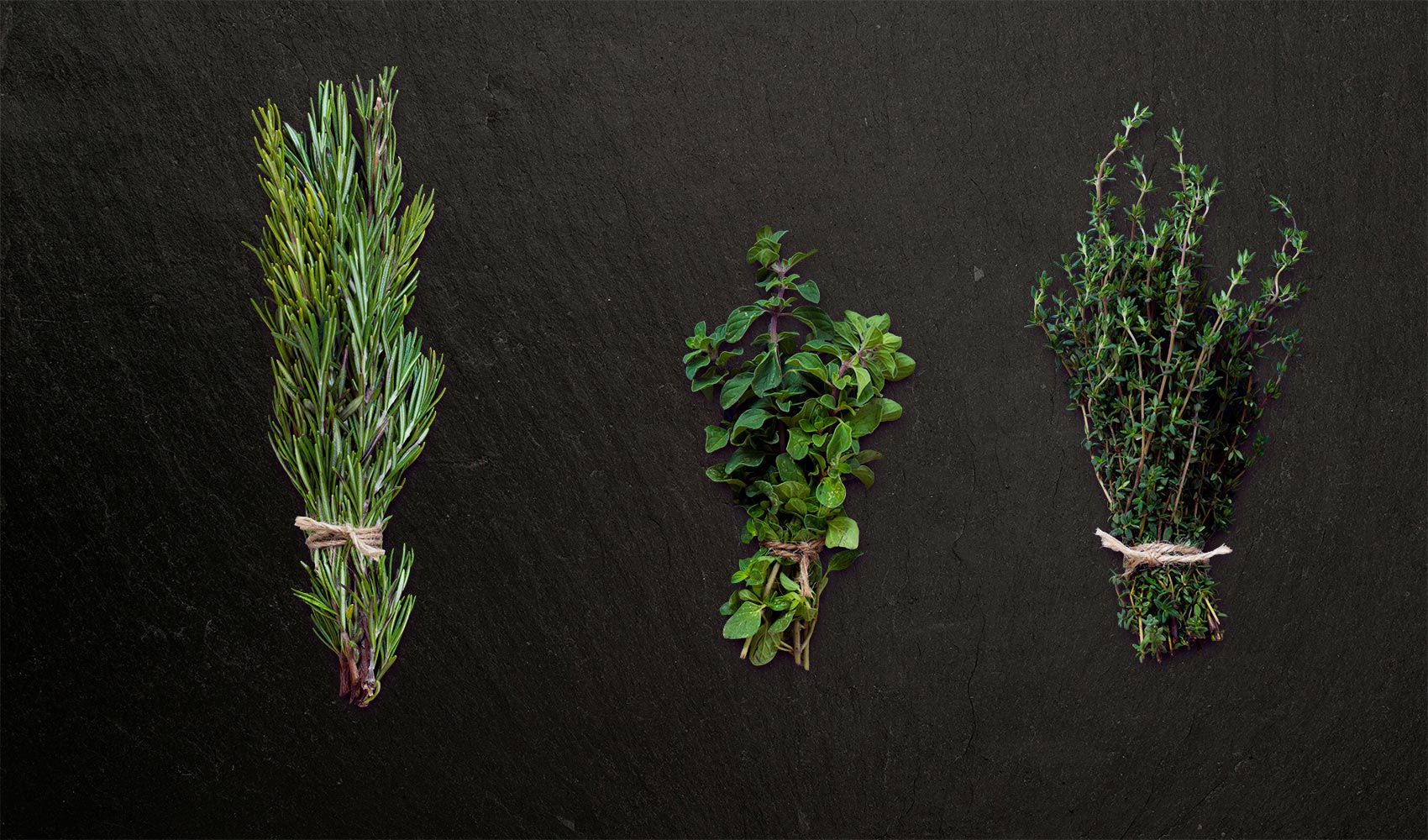
Now that spring is upon us and warm temperatures are on the horizon, look for heat-tolerant herbs to plant. Rosemary, oregano, and thyme are three Texas-tough perennial herbs you can plant in your garden now.
This plant’s fragrant evergreen foliage and semiwoody stems combine to create a versatile and aromatic landscape shrub. There are many varieties to choose from, and most produce a profusion of small blue flowers sporadically throughout the year. These blossoms are also a valuable food source for honeybees.
Rosemary can grow up to 5 feet tall and almost as wide, making it a stunning landscape specimen. Use trailing varieties as ground cover or let them spill over retaining walls. You can snip and use fresh rosemary leaves year-round. For best results, place rosemary plants in a sunny spot with well-draining soil.
Many unfamiliar with this herb are surprised to learn oregano is a tough perennial in much of the state. Its trailing habit makes it perfect for lining the edges of perennial flower beds, covering bare patches of earth, or adding interest to terraces. Oregano is also an excellent container plant. There are a number of oregano varieties to choose from, each sporting slightly different foliage, blooms, and flavors. The flowers attract numerous pollinators to the garden.
Oregano plants are hardy and tolerate less-than-perfect soil. Their foliage turns brilliant shades of fall colors as temperatures cool, and the plants are typically semievergreen through the winter. Provide full sun to part shade, and snip foliage as needed all year.
If you’re looking for something on the smaller side, thyme could be the perfect solution. It’s one of the most versatile culinary herbs, but this compact beauty is also a charming addition to many landscape settings. Upright varieties are perfect for the fronts of landscape beds or as additions to containers. Creeping varieties grow flush to the ground, making them ideal for planting between stepping-stones. Creeping thyme is sometimes used in place of traditional lawns. The key to growing healthy thyme is providing soil with good drainage, as it doesn’t like wet feet.
Try a few herbs in your garden this season. We promise your landscape — and table — will reap the benefits for seasons to come.
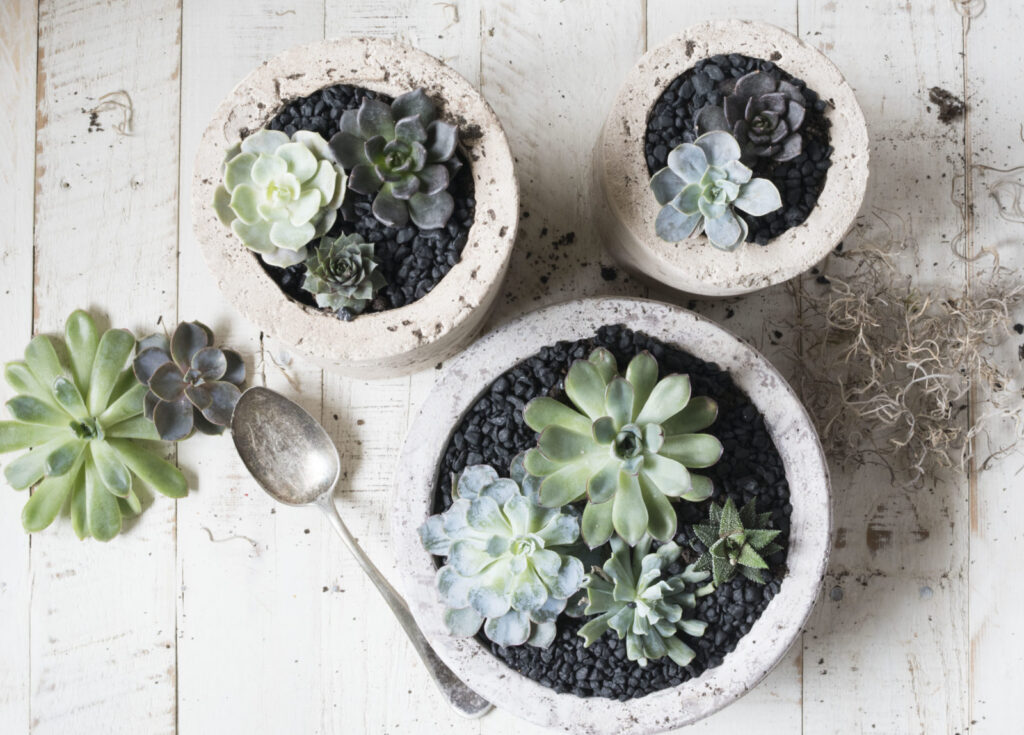
A Guide to Succulents (the Plants Made for Texas)
Succulents are low-maintenance and impossibly good-looking. And they love Texas as much as you do.
Plant a Family Garden, Grow Little Green Thumbs
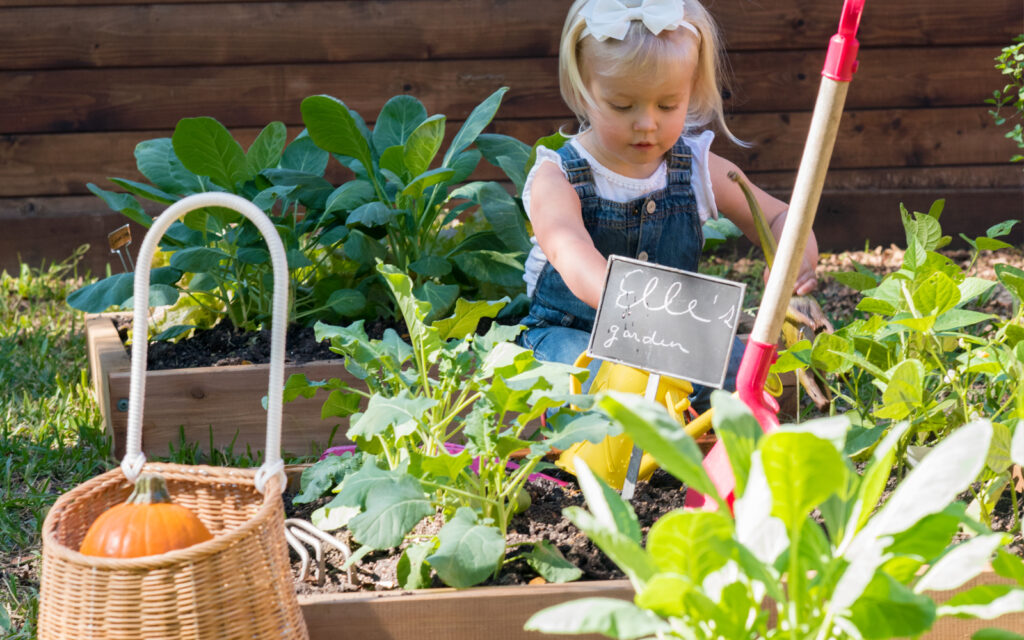
Now is the time to wrangle up the kids, tune up the bicycles, and get outdoors. It’s also the perfect time for planting.
How to Prepare Your Lawn for Spring
Five steps to spring your grass back to life.

6 Ways to Keep Your House Warmer This Winter
A few simple steps could help your home stay cozy all season long.
How Strategic Landscaping Can Improve Home Security
Plant a little extra security in your yard.

The Insider’s Guide to Holiday Decoration Etiquette
The good neighbor’s guide to decking the halls without being put on the HOA’s naughty list.