Please sign in as a member or guest below to access it.
Please sign in as a member or guest below to access it.

Avoid property damage and injuries during football season with this grill safety advice.
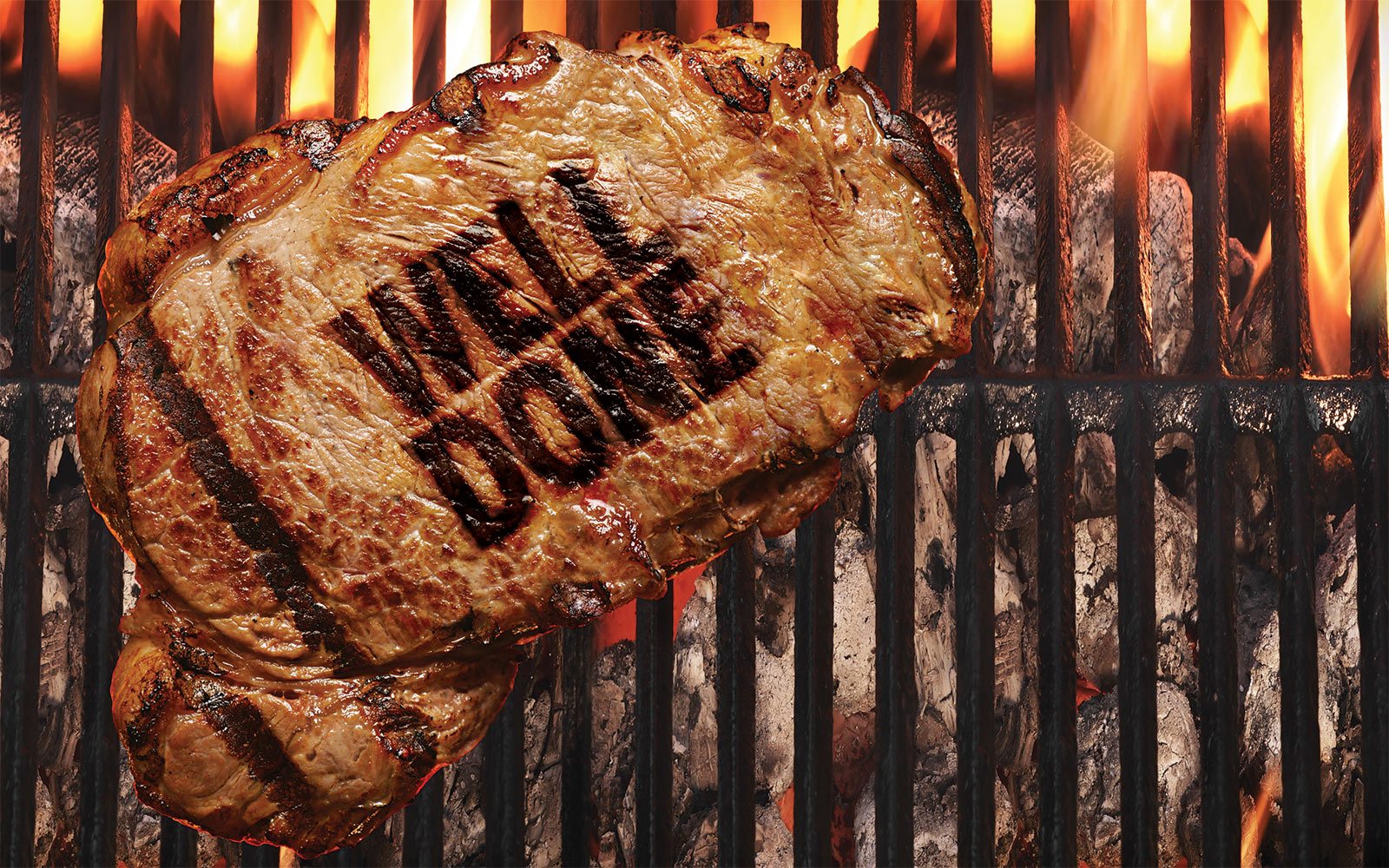
From Friday Night Lights to Saturday college kickoffs and NFL Sunday afternoons, football season practically demands an open flame and some burgers, brats, and dogs. But leaving a grill to check the score or getting distracted while bringing the heat can lead to disaster.
In 2014, the Texas State Fire Marshal’s Office received reports of 160 fires directly tied to outdoor cooking — from grilling to barbecuing to using small hibachis. The incidents caused more than $800,000 in damages, plus injured one firefighter and three civilians. Initial figures showed 119 grilling-related fires in 2015, with $836,000 in property losses and six injuries.
It can happen in an instant. Sparks fly, propane explodes, and residue on a charcoal grill’s grate ignites, burning the cook.
“Barbecue pit mishaps make up a lot of YouTube videos,” observes Hubert Hines, a Texas Farm Bureau Insurance Agent in Harris County. While viewers might laugh at mishaps related to shrieking chefs surprised by sudden flare-ups, such incidents can be quite serious — and even deadly.
When Hines drives through Houston, with its large population and abundance of townhomes and apartments, he worries about the grills he sees on small patios.
“Before I became an agent, I wouldn’t have thought twice about it,” he says. But now he knows the risks that can result in losses, claims, and lawsuits over injuries.
He notes that a grilling-related fire can happen anywhere — on the third floor of an apartment building or in a wide-open yard. And it can happen any time of year in Texas, where grilling isn’t confined to summer or football season.
“We grill, and we grill all year long,” Hines says.
Knowing the risks can help you avoid them. “There is nothing more Texas than barbecue and football,” says State Fire Marshal Chris Connealy. “If you rely on some common sense tips to make sure you grill safely, you can watch your team catch fire, not your backyard.”
Stay focused. Accidents happen when grillers take their eyes off the flame. Maybe guys start tossing around a football during a tailgate, leaving the hibachi smoking in the back of a pickup truck, Hines says. But even the most experienced grill-meisters get distracted — laughing with friends or topping off a beverage after turning on the gas.
Try not to panic. “When there’s a sudden flare of flame, the grill can get knocked over, spreading hot coals,” warns Ben Gonzalez, a spokesperson for the State Fire Marshal’s Office in Austin. Lighting the grill can be dangerous, whether using lighter fluid and charcoal or a propane grill. Pay close attention during this crucial phase.
Clean the grill. Before you light the flame, make sure the grill is clean. “Not pristine,” Gonzalez says. But clean the buildup on the grate and on the grease trap below. That’s what can become fuel. “And you’ll have flames where you don’t want them,” Gonzalez says.
Stay by the grill. Leaving a fire unattended for even a second can lead to excess heat, which might ignite surrounding items — deck railings, overhangs, dry branches, and the like.
Avoid grilling on a windy day. Embers can blow right off a pile of coals and spark a fire.
Use your propane or charcoal grill outdoors only. “Seems like it would be common sense, but we have people with enclosed patios who may feel comfortable grilling there,” Gonzalez says. However, it’s just not safe.
Place the grill away from structures. Don’t grill under the eaves of the house, for instance.
Avoid spraying lighter fluid onto a fire once it’s lit. Flames can travel back up the stream and cause burns.
Watch children and pets around grills. Never walk inside and leave them alone near an active grilling station.
Call the fire department if you smell gas near a propane grill. “That should be a warning sign,” Gonzalez says. “Maybe something’s rusted through or there’s a loose fitting. Call for professional help.”
Don’t fumble your safety preparations. Make sure the only frustration at your next backyard barbecue comes when the opposition scores a touchdown.
The culinary experts at Epicurious.com outline the essential tools needed to master your next backyard cookout — and stay safe:
Hubert Hines, a Texas Farm Bureau Insurance Agent in Harris County, reminds policyholders during their annual 360 Review® that they can be held liable for injuries and damages at their home. That includes grilling incidents that appear to be accidents.
“It will come up on a review when we talk through the covered perils and liability coverage,” he says.
Even if you tried to handle the lighter fluid, but your friend insisted on lighting the grill himself before he got burned, he could still try to bring a lawsuit against you.
“I don’t care how close you are to friends or family. We live in a very litigious society,” says Hines. “No matter how much someone loves you, they still have to pay their medical bills.”
That’s why adequate personal liability coverage is essential, along with enough property insurance to cover damages.
Coverage and discounts are subject to qualifications and policy terms and may vary by situation.
How to Share the Road in Texas
Roads are not just for cars. They’re designed to handle all sorts of traffic.
Which Alarms Does Your Home Need?
Four alarms we recommend for every house in Texas.
No one plans for a car accident but knowing what to do next can make it a little easier to navigate.

Full hearts. Wagging tails. Can’t lose.

For boating, swimming, and splashing around.
8-Step Witness Response Guide for Car Accidents
Did you witness a collision? We spell out eight ways to offer assistance.