Please sign in as a member or guest below to access it.
Please sign in as a member or guest below to access it.

Is your family prepared to ride out winter power outages during an icy Texas winter?
When the lights go out and the air in your home goes cold and stale, your cozy winter wonderland can turn into an icy tundra in just a matter of hours. Often, it’s too late at that point to take shelter somewhere else. Is your family prepared to ride out winter power outages?
Dr. Angela K. Burkham has one piece of advice for power outages: “Think like a pioneer.” This means relying on wood-burning, knowing what fabrics to wear, gathering the family in one room, and being aware of your core body heat.
Bundle Up. Before electricity, families relied on fireplaces and wood stoves for warmth.You can too, if yours are well-maintained and you have firewood on-hand. Even so, old-fashioned homes got chilly, and layers were the key to retaining body heat.
“Start with a cotton base layer and add a wool or wool-blend top layer, then a vest or a coat,” advises Burkham, who leads the family and consumer sciences program at Texas A&M AgriLife Research and Extension Center at Amarillo. “A tight-fitting hat that covers your ears and gloves will also help hold in your body heat.”
Use Hand-Warmers. These small packets fit right in your winter gloves and activate when you need them; they require no heat source, pose no fire risk, and can give off heat for several hours.
Layer Your Bedding. “Pioneers layered their bedding and topped it with a natural-fiber heavy quilt,” Burkham says. “Natural fibers, like cotton and wool, retain body heat but let the bedding ‘breathe’ so moisture doesn’t get trapped.”
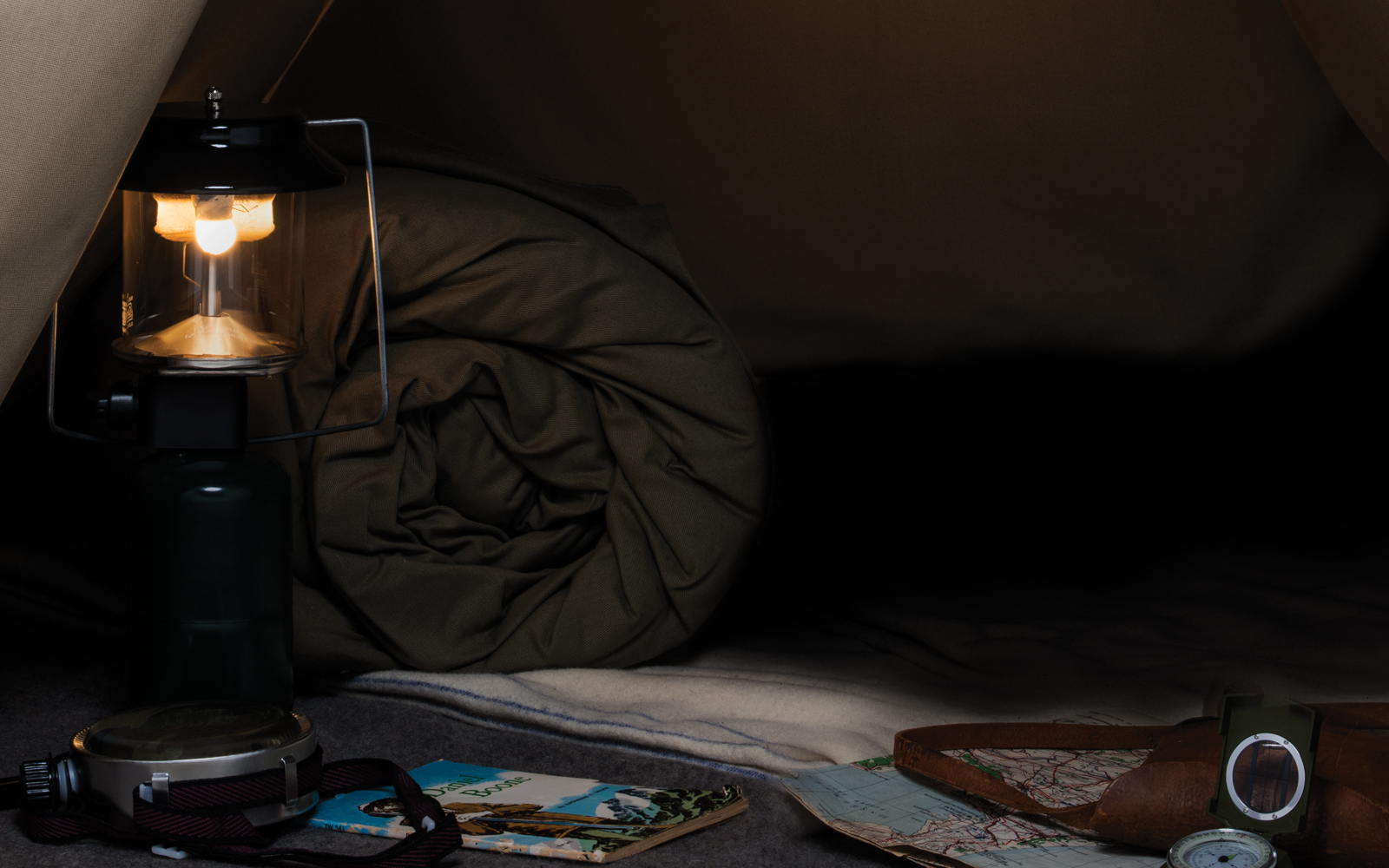
Camp Out Indoors. If you don’t have enough quilts and blankets to go around in an emergency, break out your camping gear, such as cold-weather sleeping bags.
Drink Something Hot. Burkham advises against using camp stoves indoors because of the fire and carbon-monoxide risks. If you can safely go outside for a bit to heat up mugs of soup, tea, or cocoa, “Those can help raise your core temperature and warm up your hands,” she says.
Huddle Up. Especially if it will be hours or days before your power comes back on, Burkham recommends trying to “Live in one room of the house as much as you can. Keep the doors to the rest of the house closed and huddle up to conserve warmth.” If you have children, a box of games, books, and crafts can make the time pass quickly.
Move Around. Huddling up doesn’t mean sitting still. “Half an hour of physical activity can raise your core body temperature for an hour afterward,” Burkham says. Stop before you break a sweat, though, to prevent chilling.
Seek Shelter in Time. The best preparation for winter power outages may be to avoid the problem altogether by following storm warnings. “If you know a big storm is coming and emergency responders are suggesting that people come into town to a shelter, it’s a good idea to go on in before the storm arrives,” Burkham says. A shelter may not have all the comforts of home, but it will almost certainly have heat during the storm — something the pioneers would have appreciated.
Winter storms can tear up roofs and cause other property damage. Call your Texas Farm Bureau Insurance Agent today to make sure your property insurance policy covers your needs.
Coverage and discounts are subject to qualifications and policy terms and may vary by situation.
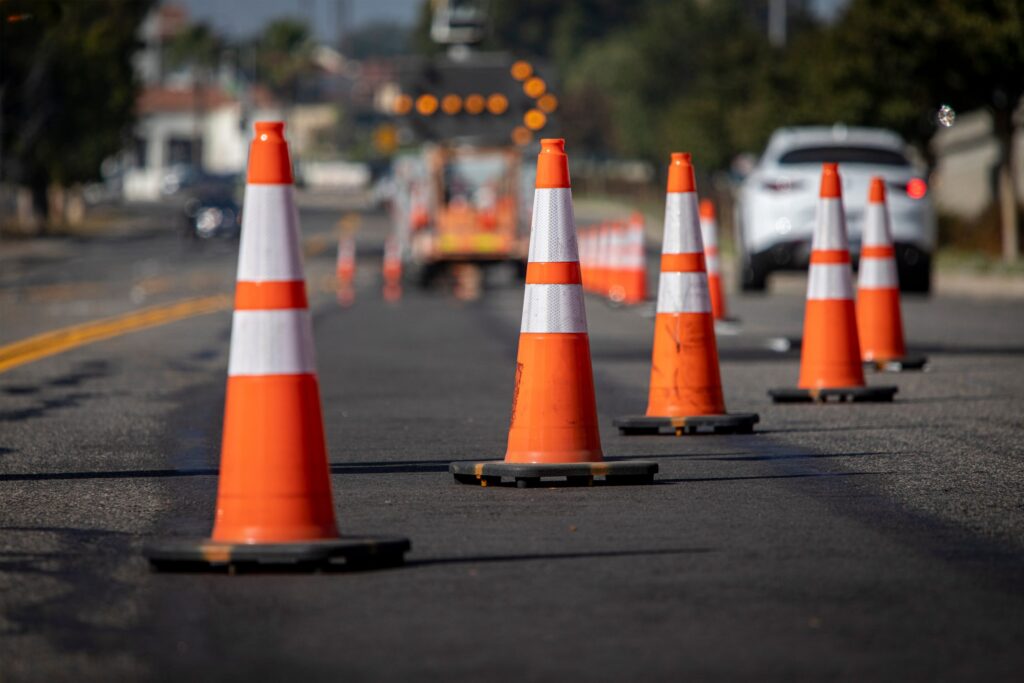
We break down the do’s and don’ts of driving in a construction zone.

Smart Tips for Smart Home Security
Protect your home from cyber threats.
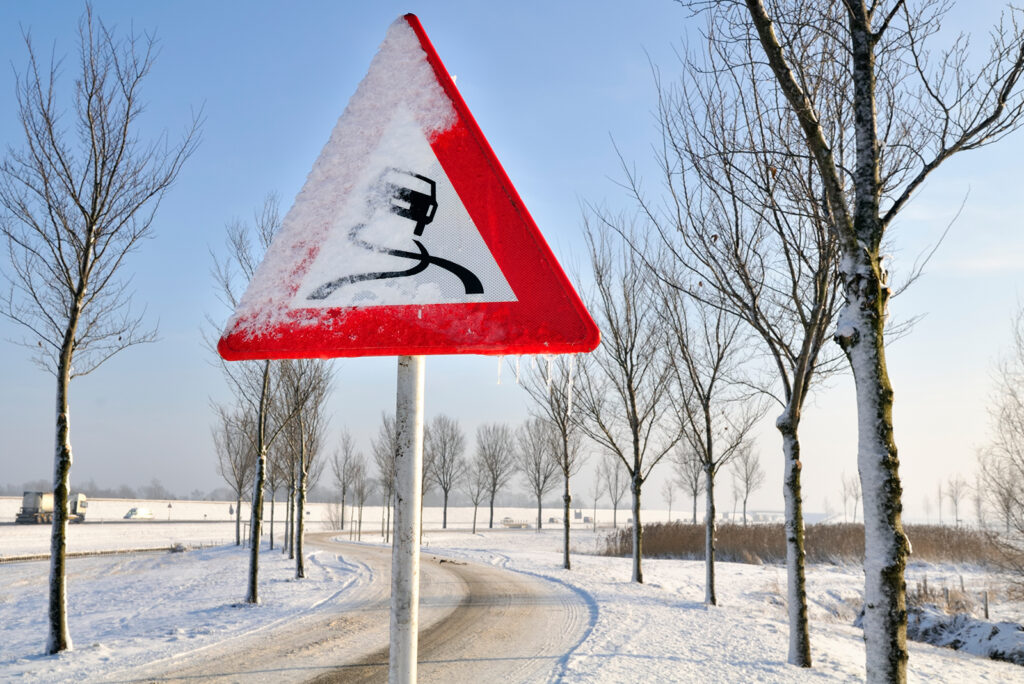
An Insurance Agent’s Winter Driving Tips
One of the hardest things about Texas is that we don’t have a consistent winter. But with a little preparation, you can take care of yourself and those around you by following these simple steps to winterize your ride.
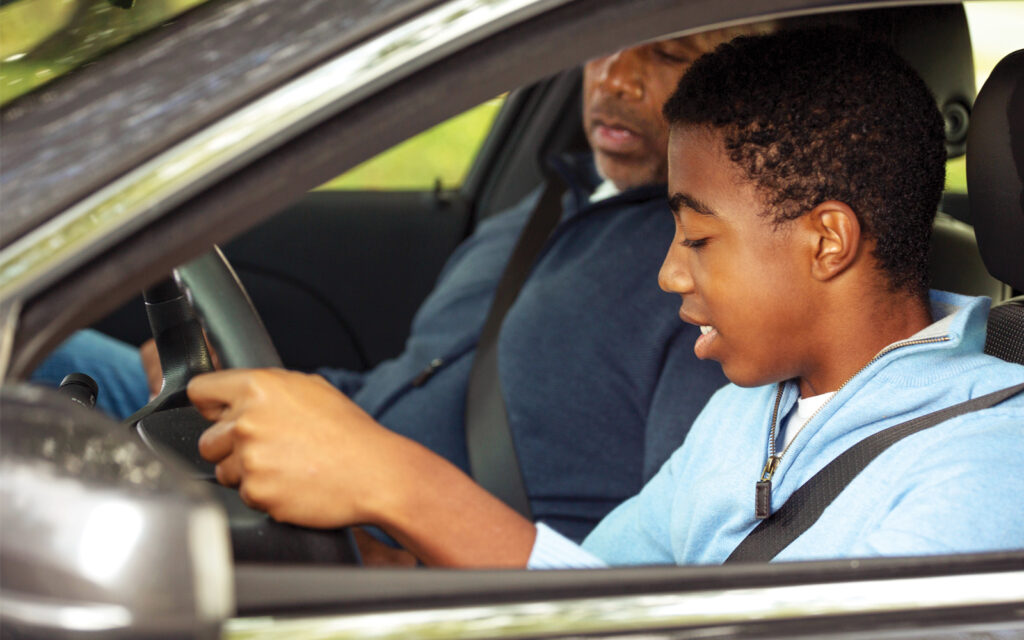
Welcome to Dad’s School of Driving
As a parent, you want to do everything you can to teach your teen safe driving skills and habits.
How to Toddler-Proof Your Home
Keep your little ones out of harm’s way at home.
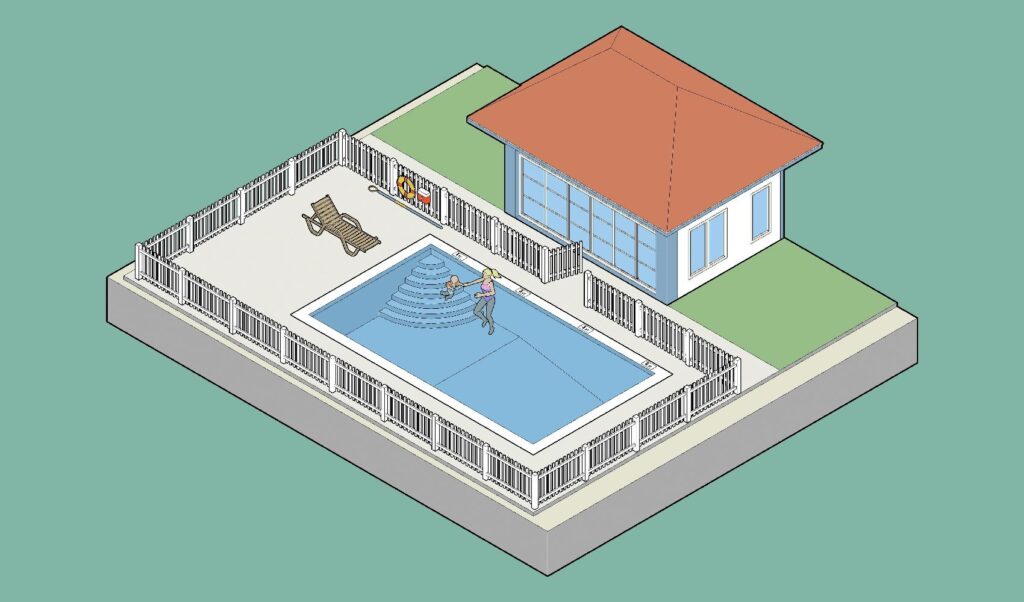
Before springing into the swimming pool this season, keep safety top of mind.