
Please sign in as a member or guest below to access it.
Please sign in as a member or guest below to access it.

A little maintenance goes a long way in the winter months.
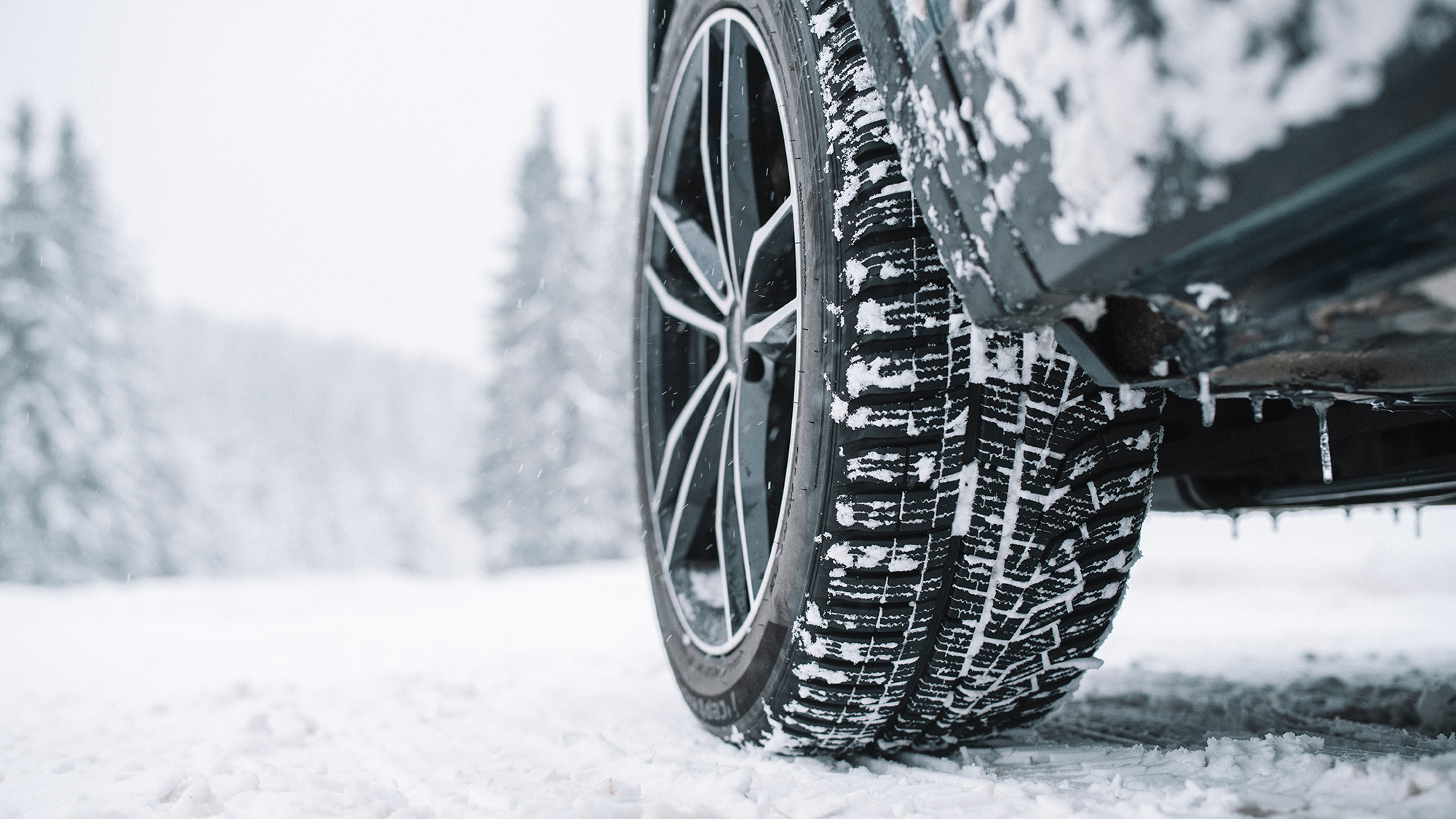
When the temperature drops, our cars feel the chill too. Weakened batteries, decreased tire pressure, and brittle wiper blades are all potential casualties of the cold. This year, Texans are in for a wetter-than-average winter with periodic cold snaps, according to Farmers’ Almanac.
But with some preparation and a solid understanding of cold weather’s impact on our vehicles, you’ll be driving smoothly all winter long.
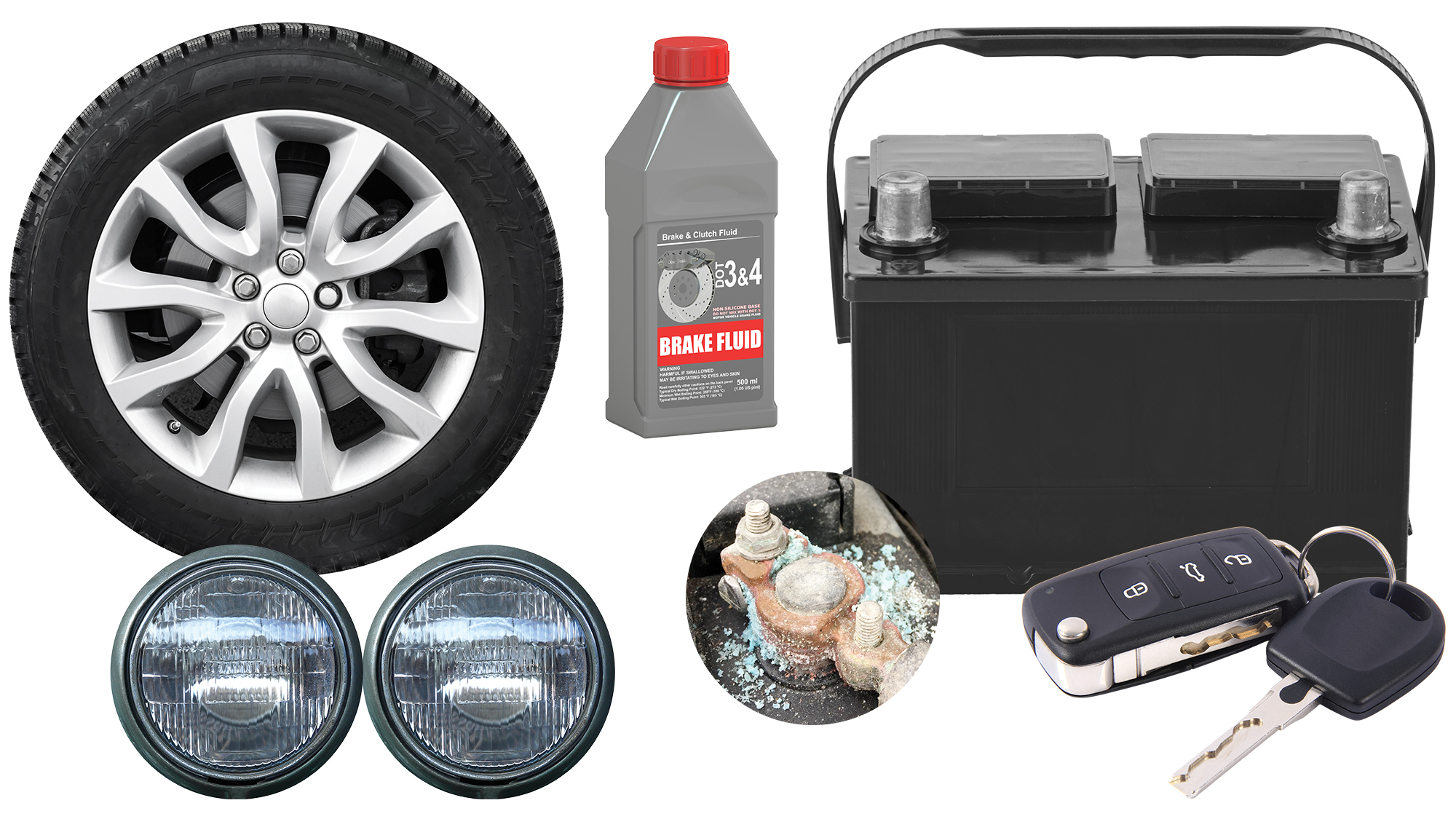
Colder temperatures slow down the chemical processes that produce electricity, reducing the battery’s capacity. Plus, features such as the heater, defroster, and heated seats use more power, placing more strain on a battery.
Some telltale signs that your battery may be on its way out:
Tires naturally lose pressure over time, but colder weather expedites that loss. Cold air becomes denser as molecules slow down, taking up less space and causing the pressure to drop. Typically, tire pressure drops about 1-2 psi for every 10-degree temperature drop. Low tire pressure can lead to lower gas mileage, increased braking time, reduced tire grip, and a shorter tire lifespan.
Fluids keep things moving in our cars, whether that’s cooling the engine or enabling the brakes. In extreme cold (temperatures below minus 20 degrees Fahrenheit), brake fluid and engine and transmission oil can thicken, making them less effective. Texas isn’t likely to experience temperatures that low, but it’s still important to have your fluids checked before winter.
When the temps drop, auto insurance can help cover some winter weather-related mishaps. The type determines what’s covered. Collision insurance kicks in should you slide across a patch of ice and hit a guardrail, fence, or another vehicle. Comprehensive insurance protects against perils such as falling ice, hail, or a tree branch.
But routine wear and tear, such as a dead battery or deflated tires, isn’t covered under auto insurance because it’s considered maintenance. Auto insurance is intended to help cover unexpected, accidental, and unforeseen events — not predictable, anticipated costs associated with owning a vehicle.
Consider adding roadside assistance coverage to your auto insurance policy for 24-hour access to a dispatch service. This optional coverage also covers services such as repairing flat tires and towing to a garage or service station.
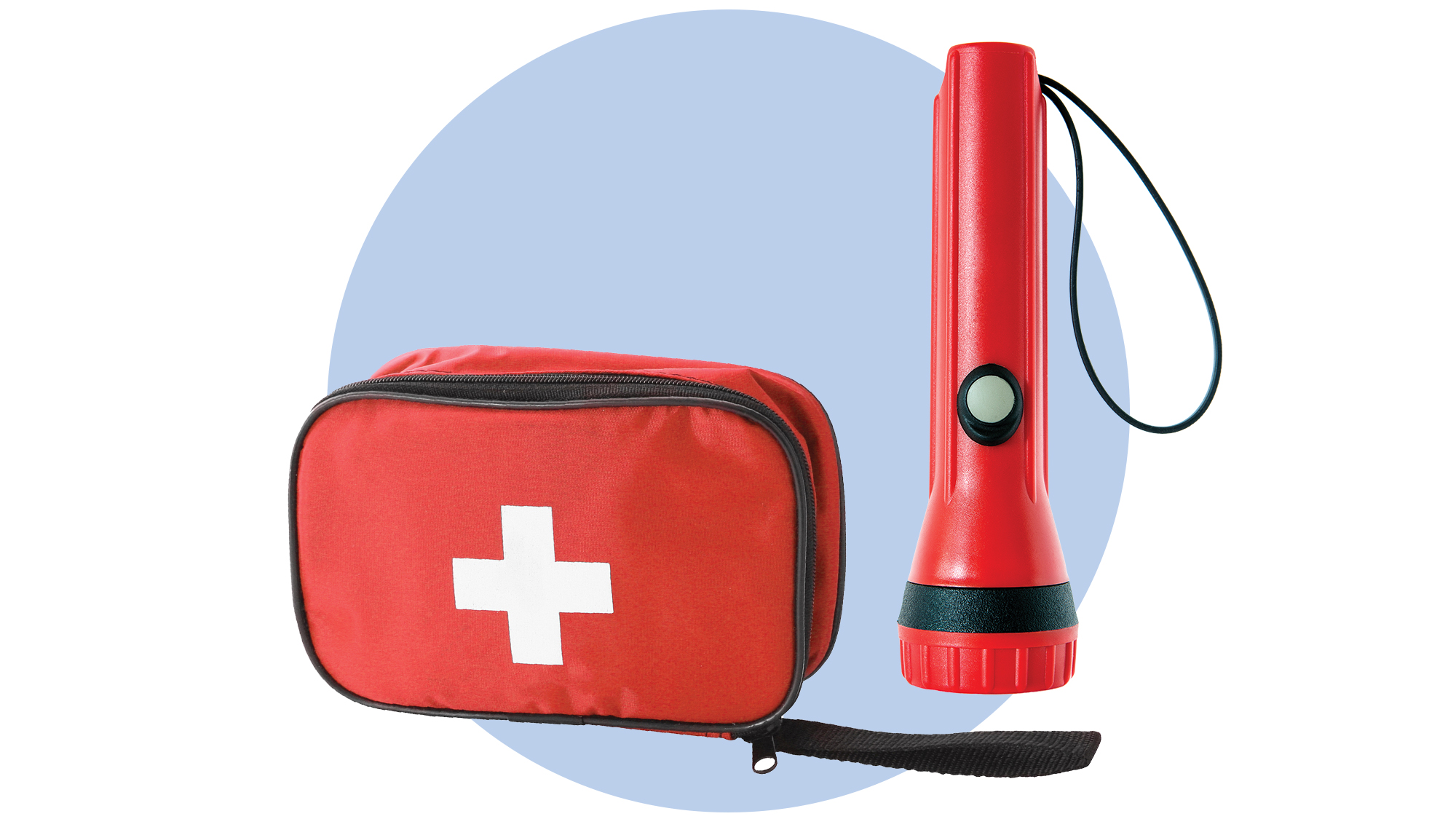
Even with a well-maintained car, weather and road conditions can be unpredictable and largely out of drivers’ control. Keep a winter emergency kit in your vehicle:
Before Old Man Winter arrives, go through this annual car-maintenance checklist to keep your vehicle in tip-top shape for the season ahead.

Nine tips for staying alert while walking.

How to Help Elderly Relatives Transition from Driving
While maintaining their independence.

6 Ways to Help Prevent Package Theft
Prevent theft with these simple best practices.
Prep Your Home for Texas’ Next Ice Storm
Don’t get left out in the cold.

’Tis the Season for Focusing on Health: A Winter Wellness Guide
Texas’ wild winter weather swings can wreak damage on our immune systems. Following a few simple tips can help protect your health and wellness this season.
Are your prepared for the unpredictable? Read how faith, family, and Texas Farm Bureau Insurance helped this North Texas family weather an unseasonal Christmastime tornado.