Please sign in as a member or guest below to access it.
Please sign in as a member or guest below to access it.

If you haven’t had much luck with plants, it might not be a black thumb — your garden may just need a little troubleshooting.
If you haven’t had much luck with plants, it might not be a black thumb — your garden may just need a little troubleshooting. In Texas, a few common challenges tend to cause most plant problems. Address these likely culprits, and you may discover you’re better with plants than you thought
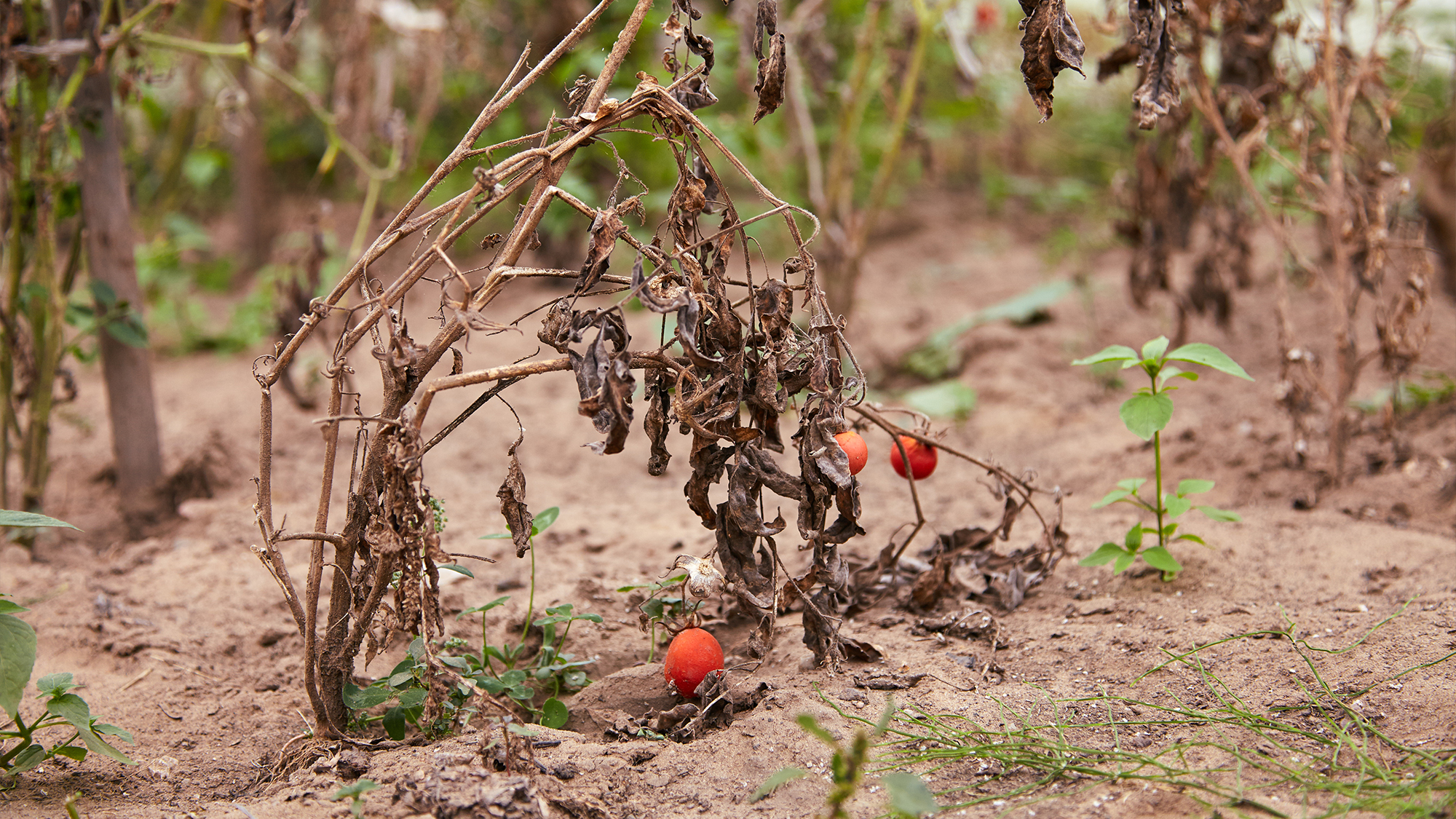
Unsurprisingly, the intense heat and long dry spells during Texas summers can be tough on plants. A common guideline is to provide about one inch of water per week, either from rainfall or supplemental irrigation. During periods of drought, or when temperatures climb above 100 F, many plants will need additional water to stay healthy.
It’s not just how often you water that matters, but also when and how. Watering early in the morning allows plants to absorb more moisture before it evaporates in the heat of the day. Plants are also less stressed in the morning and can use water more efficiently. In most cases, a deep, infrequent watering is more beneficial than frequent shallow watering, which can encourage weak, shallow root systems.
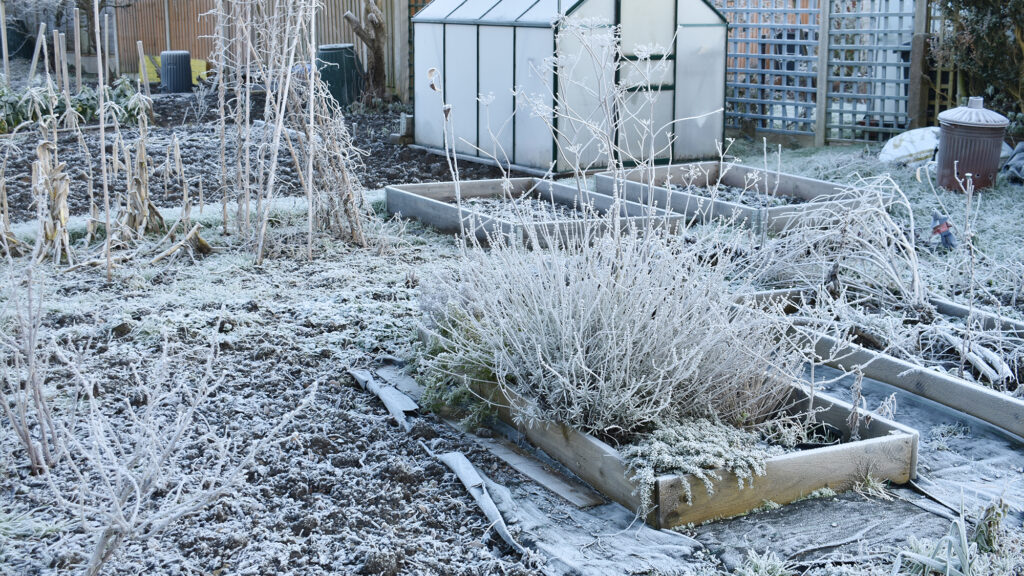
While Texas plants are generally adapted to heat, sudden freezes and temperature swings can be deadly. When water inside plant cells freezes, it expands and can rupture cell walls. Some plants die completely and rely on seeds to return, while others regrow from hardy root systems once temperatures rise.
You can help protect plants during freezes by covering them. Blankets can work in a pinch, but lightweight frost cloth is less likely to damage delicate foliage. Covers should extend all the way to the ground to trap heat rising from the soil. You can add supplemental heat by placing a jug of water under the cover near, but not touching, the plant. Remove coverings during the day so plants can absorb sunlight and avoid overheating. A layer of mulch can also help insulate soil, though it should be spread thin enough that water can still penetrate.
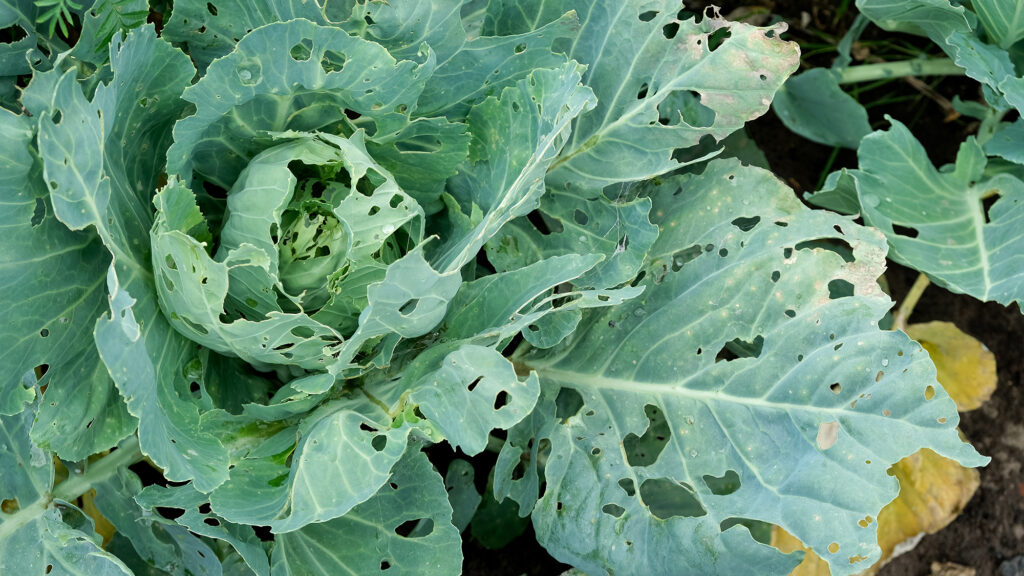
Texas is home to a vast number of insect species, and some will inevitably find their way to your garden. Common culprits include aphids, squash vine borers, cutworms, and snails or slugs. Chewed leaves, holes, or sticky residue can all be signs of pest activity.
Start with the simplest solution: Use a strong spray of water to knock pests off plants. If that’s not effective, mix a small amount of dish soap (about 1–2 teaspoons per quart of water) and spray affected areas. The soap helps break down insects’ protective coatings and can deter further infestation.
For crawling pests, such as slugs and snails, diatomaceous earth can be sprinkled on the soil surface. Made from the fossilized remains of microscopic aquatic organisms, it damages soft-bodied pests as they move across it.
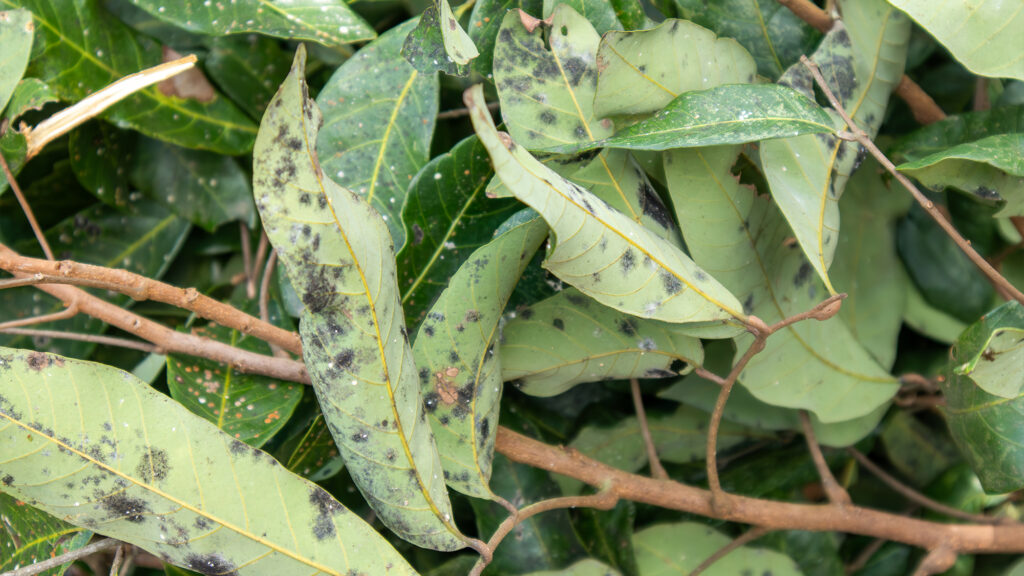
Plant diseases are often caused by fungi, bacteria, or viruses and can be worsened by excess moisture and poor air circulation. Brown patches in lawns or dark spots on leaves can be signs of fungal issues, especially after heavy rain or overwatering.
Start by adjusting your watering habits — avoid watering at night, aiming for early morning instead. Improve air circulation by pruning dense growth, removing weeds, and spacing plants appropriately. For lawns, avoid cutting grass too short, as slightly taller blades can improve resilience and airflow.
If problems persist, fungicides such as copper-based products (often sold under names like Kocide) or neem oil may help. Neem oil is generally considered low toxicity for humans and many beneficial insects when used as directed, but both treatments can be harmful to aquatic life, so avoid using them near ponds or waterways and follow all label instructions carefully.
For more information, contact the Texas A&M AgriLife Extension Service, which offers disease control assistance for home gardeners across the state.
Hand watering is another technique that takes some extra time and care but can help certain plants thrive.
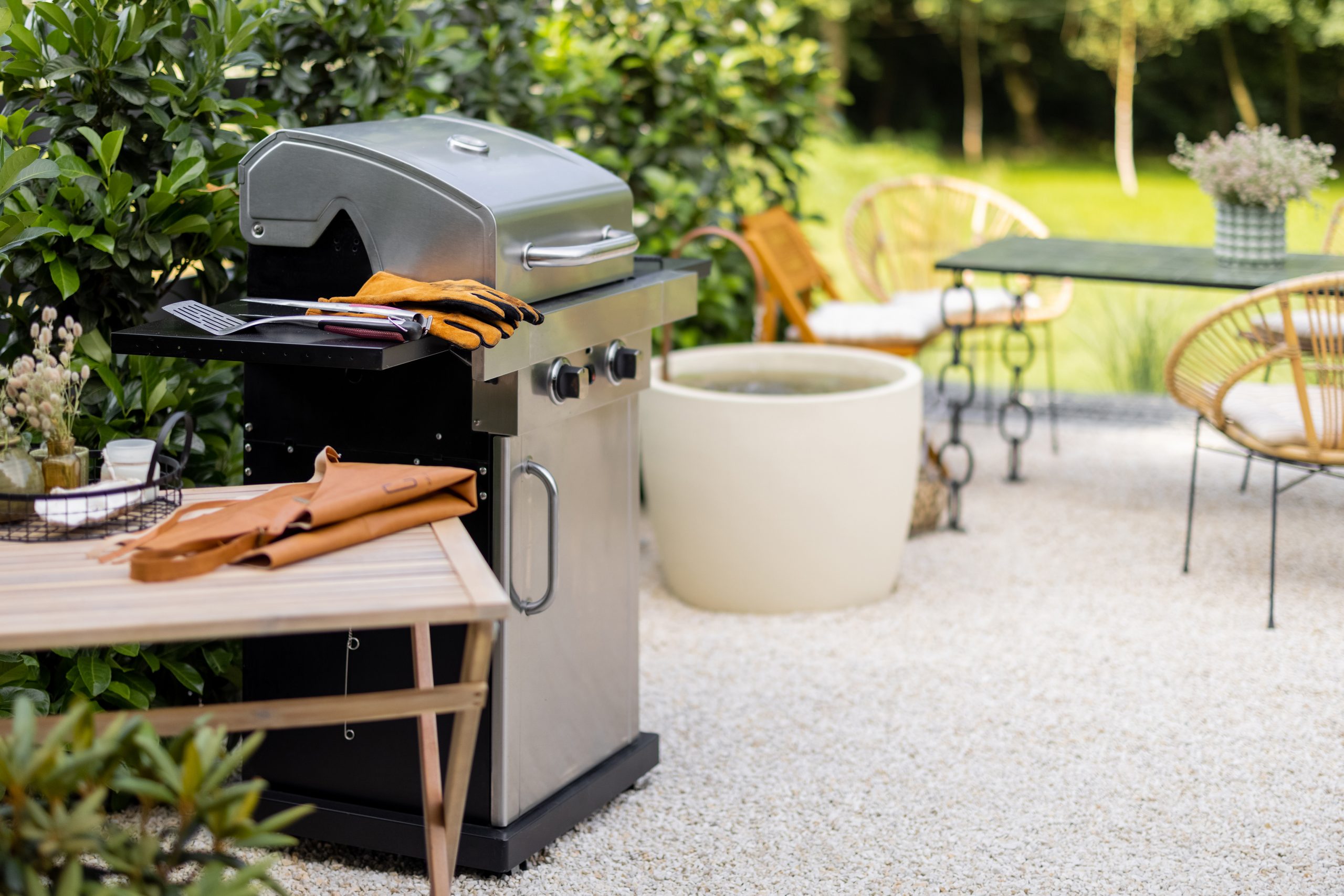
Grill Maintenance Made Easy: Tools, Tips, and Tricks
Don’t forget to scrub behind your grates.
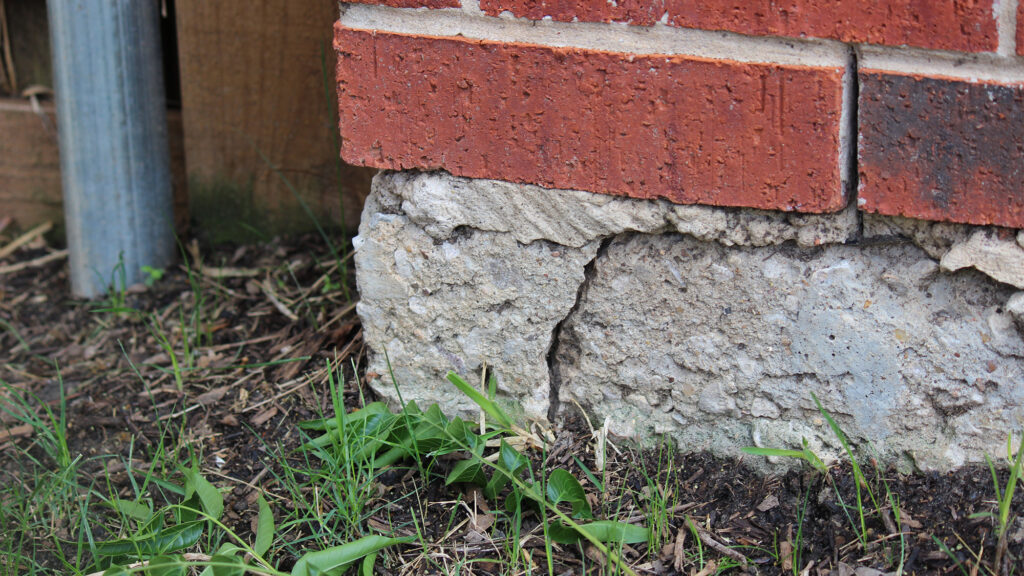
A Texas Homeowner’s Guide to Slab Leaks
What’s hiding underneath your home?

10 Texas Wildflowers and Where to Find Them
We love bluebonnets as much as any Texan, but they’re only the surface.
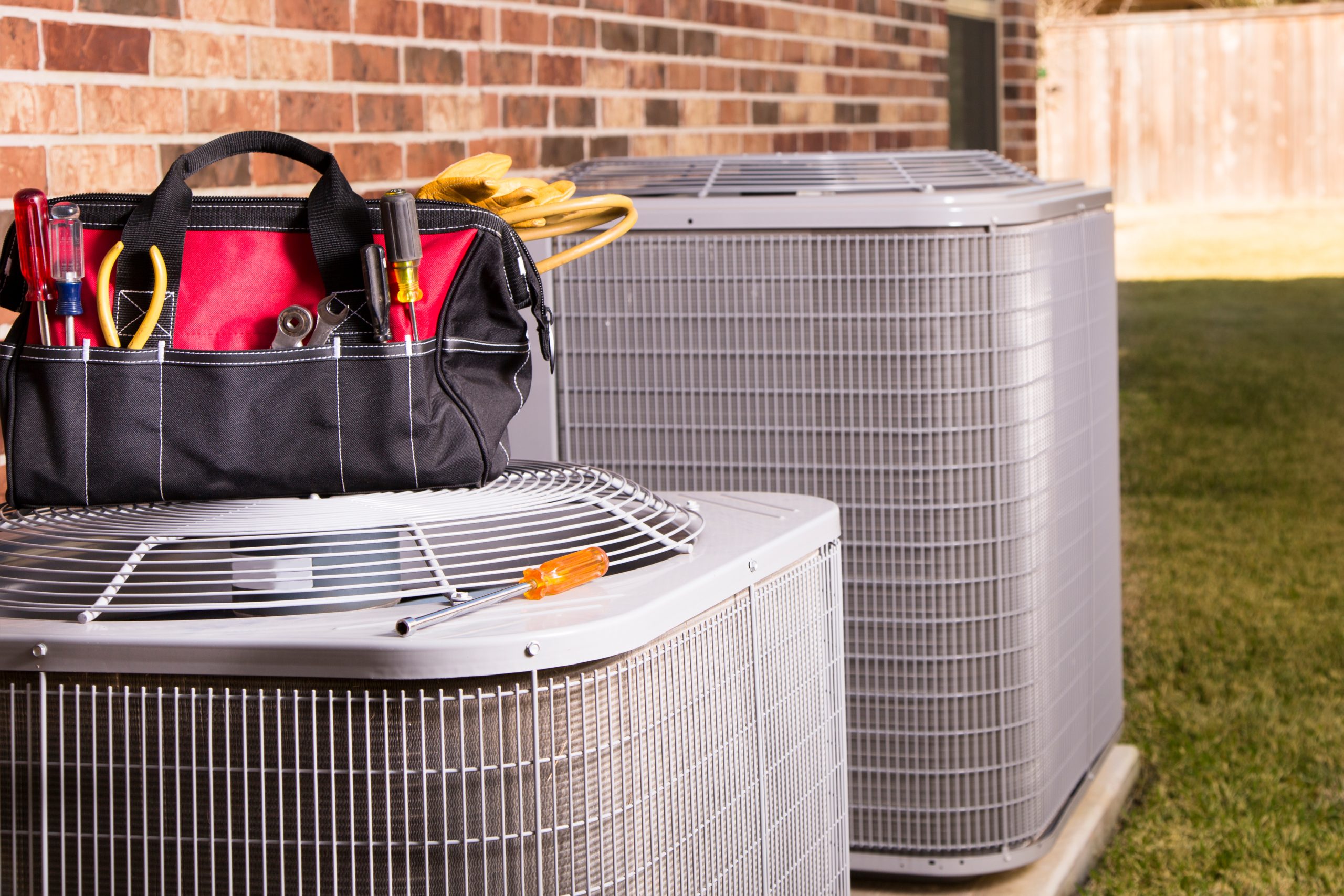
How to Care for an Outdoor HVAC Unit
Keep your home’s MVP in the cooling game.

Before you settle on your dream home, follow this guide to make sure your flip is not a flop.
A Beginner’s Guide to Modern Homesteading
Discover how to start your journey to a more mindful existence — right where you are.