Please sign in as a member or guest below to access it.
Please sign in as a member or guest below to access it.

Off the grid and onto adventure.
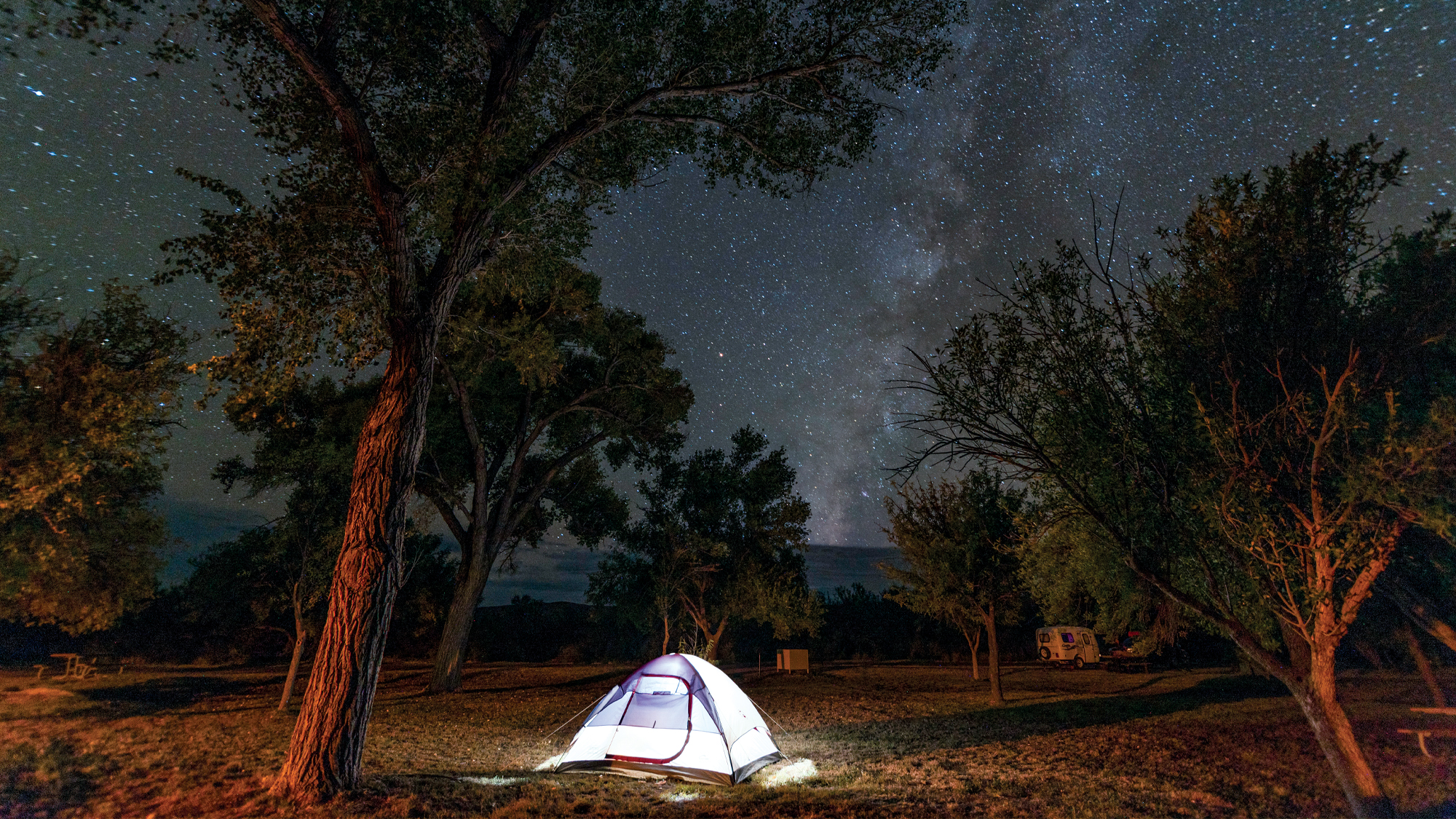
Camping has a way of simplifying life in the best way. Busy days fall into a relaxing rhythm in nature: setting up the tent, cooking in a cast-iron skillet, and winding down under the stars. Admittedly, it’s not all poetry — someone still has to remember to pack toilet paper. But camping has a way of slowing things down enough to leave room for wonder. Small moments, like waking up with the birds and sipping coffee by the lake, feel big.
For the pragmatists rolling their eyes a little, camping has practical appeal too. It unglues kids from screens and usually costs less than a trip to an amusement park. It may take some planning, but you’ll head home feeling recharged and reconnected with the great outdoors.
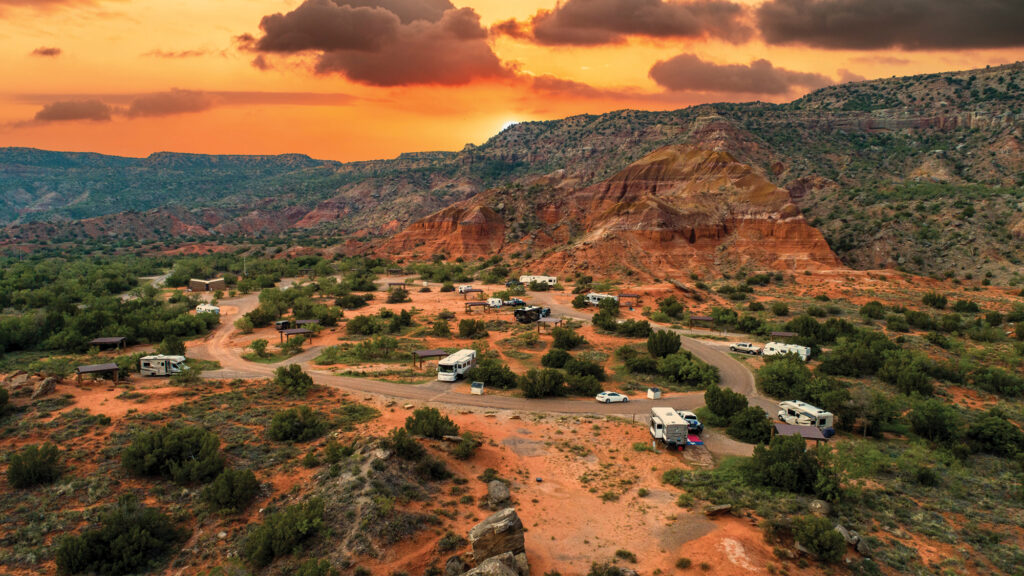
Whether you long to hammock in the trees or kayak on the bayou, the Lone Star State has more than a few scenic places to pitch a tent, park an RV, or book a cabin. Texas state parks are an easy starting point for new campers and families with young children, thanks to amenities such as restrooms, showers, designated campsites, and nearby marked trails.
Popular campsites can fill up fast, especially during summer, so it’s important to book early — but don’t skip the fine print. Make sure the campsite fits your needs, whether that means room for multiple tents or access to RV hookups. Review policies on pets, quiet hours, campfires, and cancellations to spare any unwelcome surprises later. No matter where you are, there’s an adventure waiting not too far.
From dinosaur tracks to star-studded skies, North Texas offers the kind of camping that feels adventurous without being overwhelming (or too far from civilization).
For kids who need a little extra convincing, Dinosaur Valley is an easy sell. True to its name, the park features real dinosaur tracks in the Paluxy River, visible for exploring when the water is low.
Copper Breaks makes a strong case for staying up past bedtime. This International Dark Sky Park is renowned for its incredible stargazing opportunities.
Clear rivers, shady trails, and splash-friendly swimming holes make Central Texas and the Hill Country especially inviting for summer camping.
Pedernales is ideal for families who want big scenery without a huge undertaking. Short hikes, scenic overlooks, and cool-off spots provide adventure without exhausting everyone by noon.
Close to the city but still a real escape, McKinney Falls is especially appealing for first-timers. Visitors find gentle waterfalls, fishing and swimming creeks, and campsites with plenty of creature comforts.
For campers who like their fresh air with a salty breeze, the Gulf Coast offers beachy campsites, shallow surf, and laid-back summer fun.
If your preferred campsite comes with sand between your toes, Mustang Island does not disappoint, with soft sand, shallow surf, bird-watching, and all the easygoing charm of the coast.
In West Texas and the Panhandle, camping comes with dramatic scenery and the kind of views that make you feel wonderfully small.
Known as the “Grand Canyon of Texas,” Palo Duro offers dramatic views, kid-friendly trails, scenic drives, and canyon-floor campgrounds that don’t require expert-level outdoor skills.
Big Bend takes more planning, but the payoff is unforgettable, with desert beauty, starlit skies, and the kind of adventure your family will talk about for years.
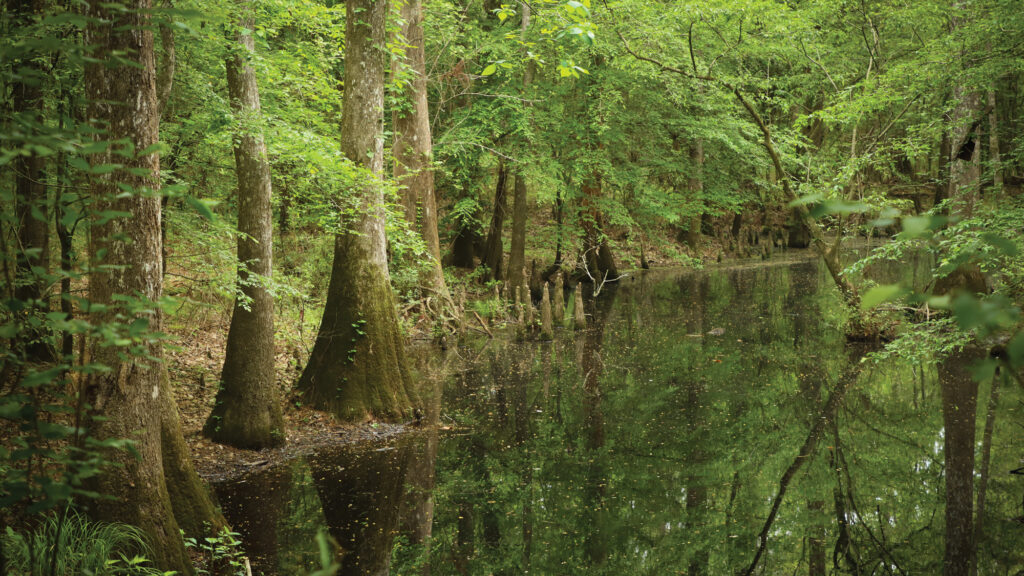
East Texas and the Pineywoods offer a greener, quieter kind of camping, where tall trees, winding waterways, and thick woods invite families to slow down and explore.
Big Thicket is a good fit for families ready for a more rustic outing, with trails and waterways winding through forests and bayous rich with wildlife.
This one is a no-brainer for families with train-obsessed kids. Families can camp and fish at Cherokee Lake and, if you prebook tickets, climb aboard a vintage 1920s train for a trip that feels part camping, part time machine.
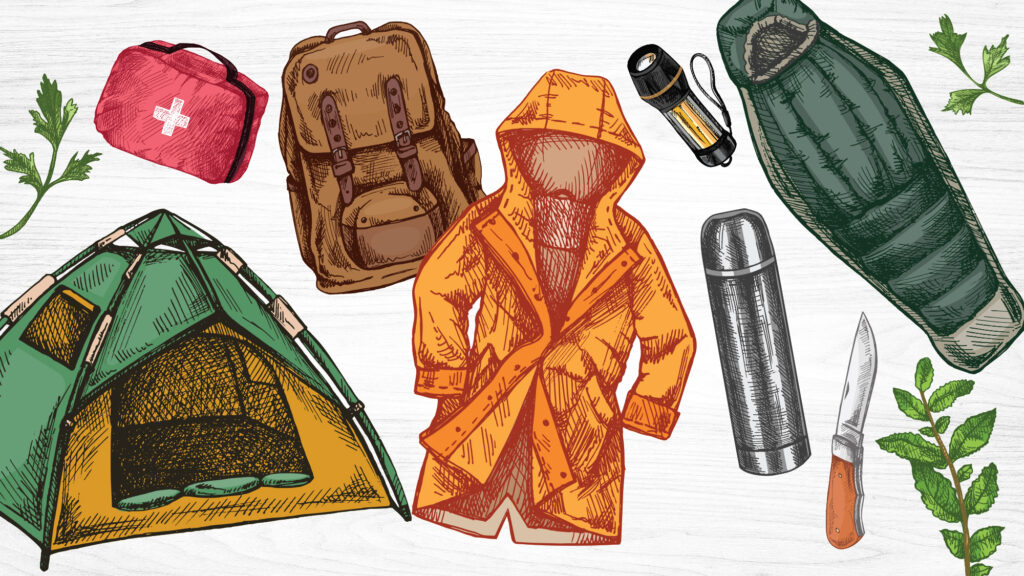
Creating a successful and restful campsite begins back home, so don’t forget to pack these before hitting the trail.
Texas summer heat can turn a fun camping trip into a miserable experience in a hurry, so staying cool should be part of the plan. If anyone in your group starts feeling dizzy, nauseous, weak, or unusually tired, get them into the shade, offer water, and let them rest right away. Here are a few best practices to keep in mind while camping any time of year, but especially in the hotter months.
Stay hydrated by drinking water throughout the day, not just when you feel thirsty. Consider packing extra so you have plenty for cooking and cleanup too.
Save strenuous hikes and activities for the mornings or evenings when temperatures are lower.
Dress for the forecast with lightweight, light-colored clothing, sunscreen, and hats. Cooling towels can also go a long way.
High heat and drought conditions can also trigger burn bans, so check local fire restrictions before you light a campfire. If they are allowed, stick to an existing fire ring, keep the blaze small, and never leave it unattended. Before you call it a night, make sure the fire is truly out. Douse it thoroughly, stir the ashes, and check that everything is cool to the touch. In dry conditions, even a few forgotten embers can create a dangerous situation.
While it’s a bit easier to control where you choose to set up your tent, camping outdoors can mean sharing space with Texas wildlife. It’s critical to keep all food sealed and secure, and never leave snacks, trash, or coolers sitting out overnight, which can attract everything from insects to bears. Before slipping into sleeping bags or putting on shoes, give them a quick shake just in case an uninvited guest has crawled inside.
Never try to feed or approach animals, even if they seem calm. Give them plenty of space — after all, they probably weren’t expecting guests in their home.
Before you head out, go over our kids’ guide to spotting wildlife with your little campers so they can learn the tracks, sounds, and behaviors of animals they may encounter on the trail.
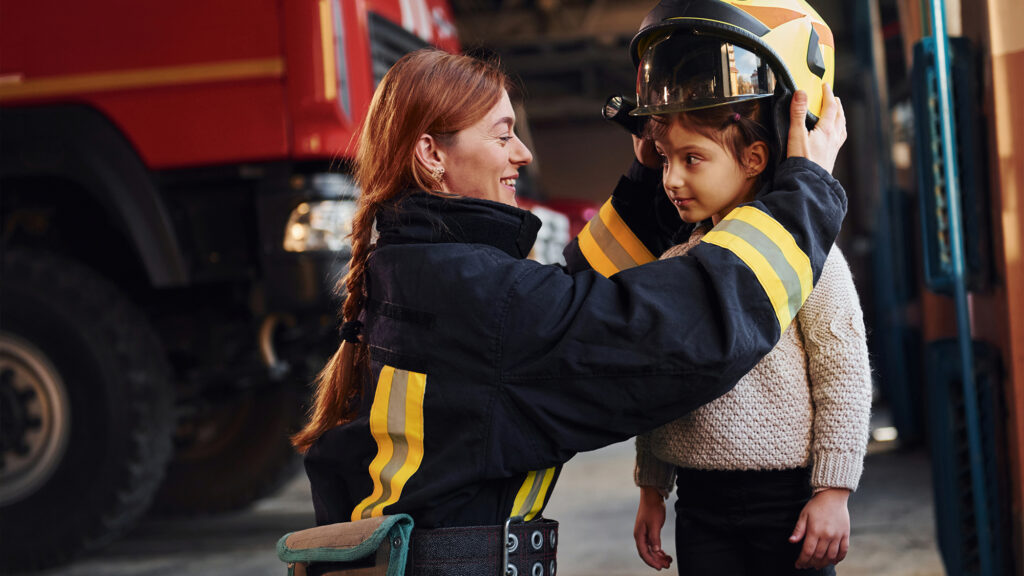
Support First Responders in Your Neighborhood
Meet and thank Texas’ everyday heroes.
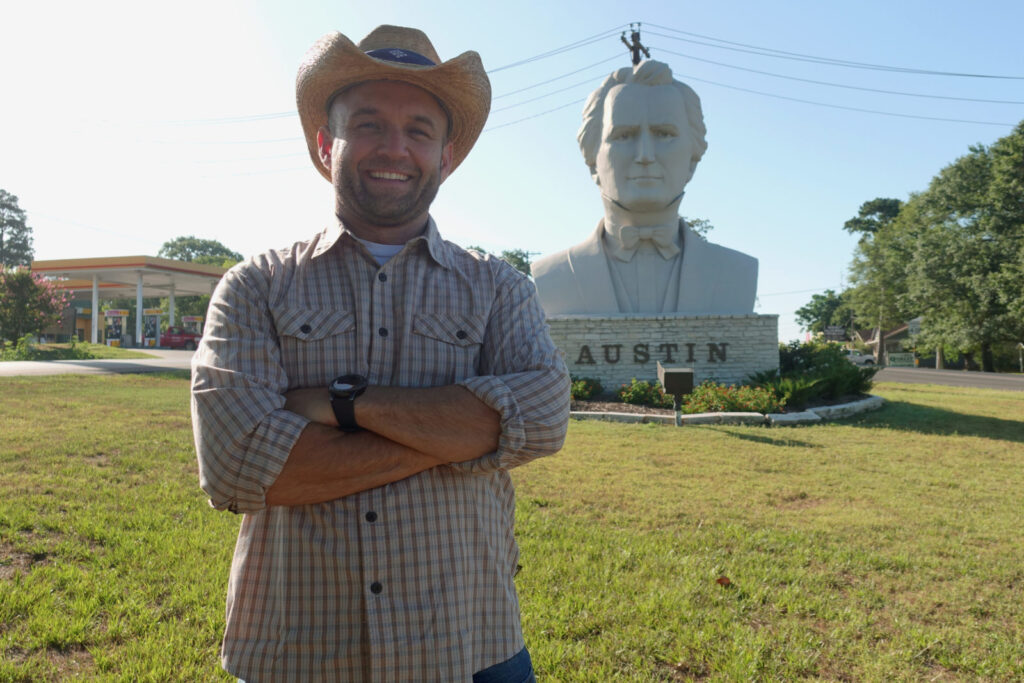
I call Bellville Texas’ spiritual center. Come pay homage to the site where we settled our first capital city — and meet some of the characters living near there today.
Our First Responders: Delaney Sweeney
Delaney Sweeney works with just one other veterinarian at Wilkinson Veterinary Clinic in Alice. When the pandemic arrived, all other veterinary clinics in the area shut to all but emergencies, leaving Sweeney and her fellow vet to see what felt like all the animals in the county. For two to three months, their daily pet […]
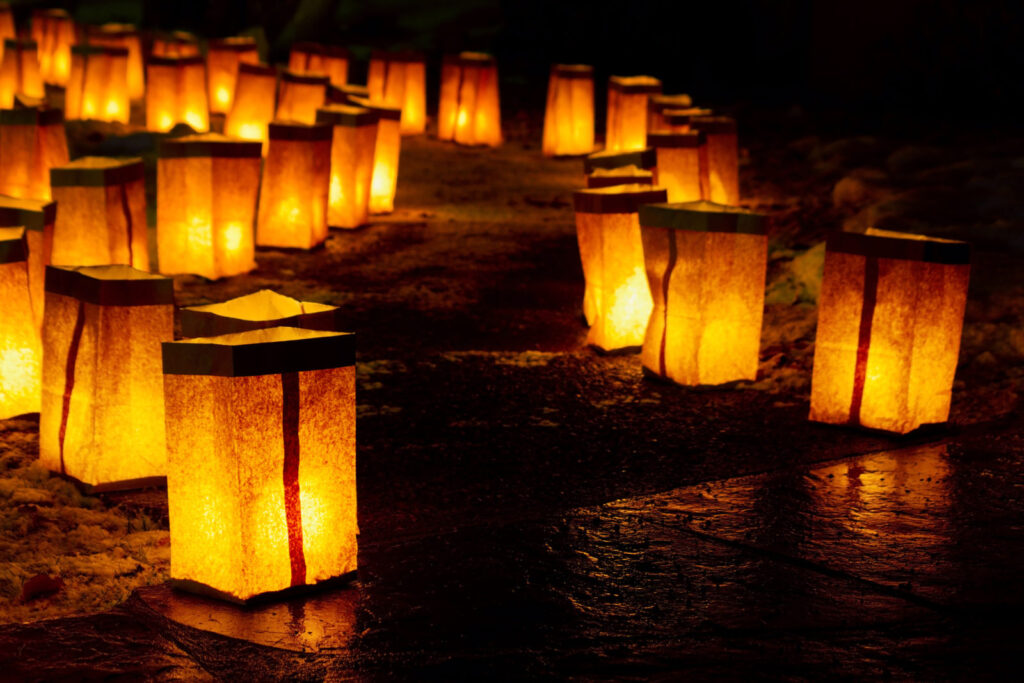
Make Holiday Magic With Luminarias
Holiday light game: strong. And about five centuries old.
Cool off and fuel up at one of these unique coffee spots.
The story behind a photographer’s incredible encounter — and how the bobcats living under the porch became her whole world.