Please sign in as a member or guest below to access it.
Please sign in as a member or guest below to access it.

Costs, coverage, and choosing the right RV for your next destination.
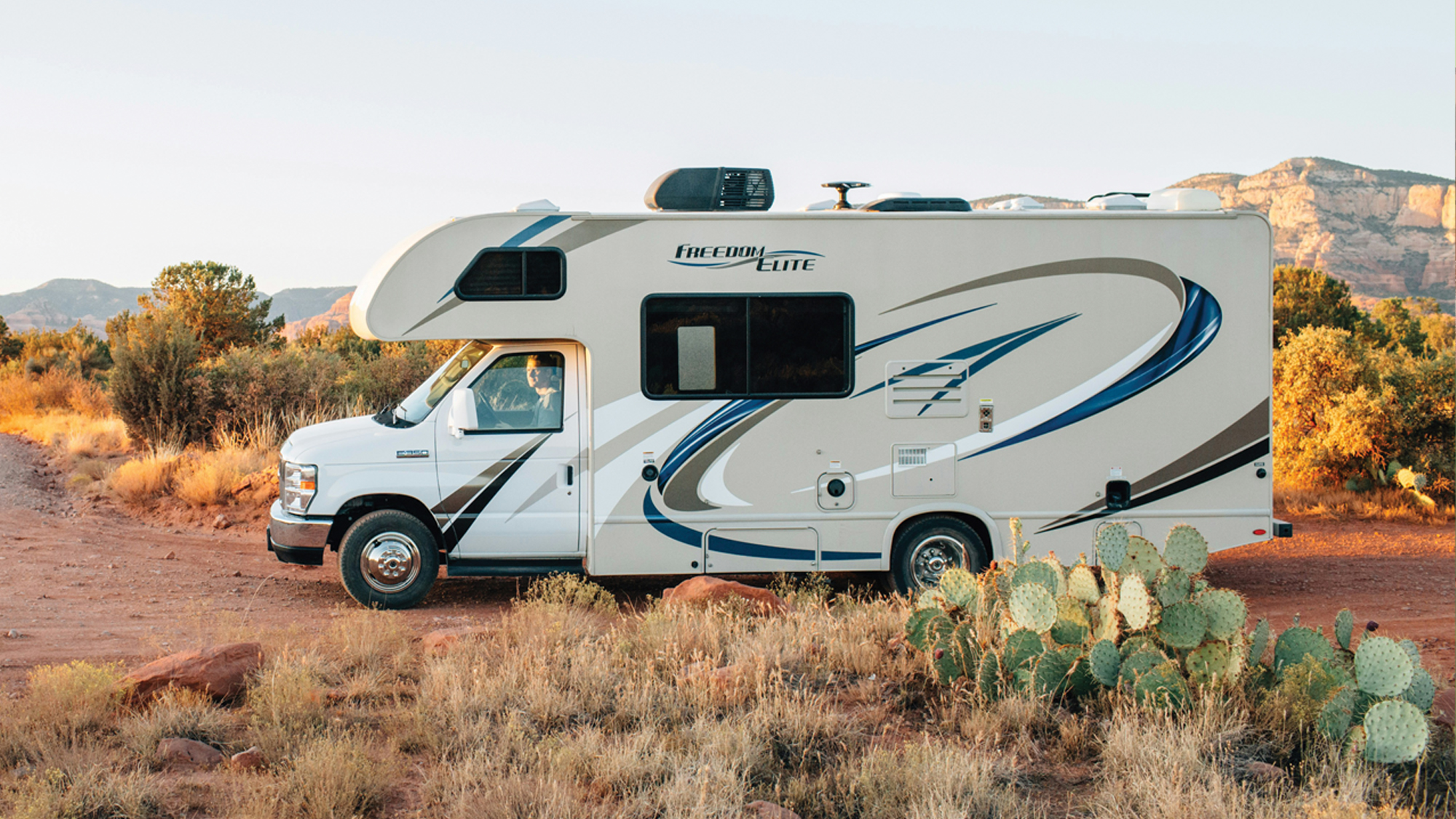
Owning a motor home represents a certain level of freedom. The open road, flexible travel, and creature comforts wherever you park for the night are a great way to experience the Lone Star State and beyond.
But before you drive off into the Texas sunset, it’s important to understand the different types of RVs and how the right one can fit your lifestyle. This first-time buyer’s guide covers everything from RV types and associated costs to insurance and storage considerations.
Depending on your budget and the size of your traveling party, there are several options for a motorized RV: Class A, Class B, and Class C. Overall cost varies among the different types.
Class A is the largest, most expensive, and most luxurious option, reaching upward of $600,000 or more. Most average 30–45 feet, so if you’re the one behind the wheel, they can take some getting used to.
Class B motor homes look like an extended van. They average 22 feet in length and cost between $100,000–$200,000, depending on the interior, which can include a self-contained bathroom, a TV, and a small refrigerator.
Class C is the truck/camper combo built together on one frame. Ranging in size from 20–30 feet, they can cost between $50,000–$200,000.
Owning an RV is a big investment, and the initial purchase is only the beginning. Keep long-term expenses in mind, such as fuel, routine maintenance, storage, and campground fees. Insurance premiums are another consideration when buying an RV.
“Get with your insurance Agent and go over your liability coverages,” suggests Tanya Jackson, a Texas Farm Bureau Insurance Agent in Bellville. “The value of what you’re [driving] down the road is greater, so you need to make sure you don’t have [just] state minimum limits.” Texas drivers must have at least 30/60/25 coverage: $30,000 per person for bodily injury, up to $60,000 per accident, and $25,000 for property damage.
Having both collision and comprehensive coverage is an RV owner’s best bet, Jackson says. Collision insurance helps cover damage after a crash (or a failed encounter with road debris or potholes), while comprehensive coverage covers most everything else, from theft to weather-related damage. A comprehensive policy also helps cover damage from tire blowouts, which Jackson says are common with RVs.
You may want to consider adding an umbrella policy to increase your liability limits. Texas Farm Bureau members with homeowners policies have a 10% extension that covers them while they’re away from home, Jackson says. Still, you want to make sure your liability limits match the assets you might be carrying in your RV.
Also be aware of possible policy exclusions that might require additional coverage. For example, awnings on RVs typically aren’t covered, Jackson says, leaving owners unprotected against windstorm damage.
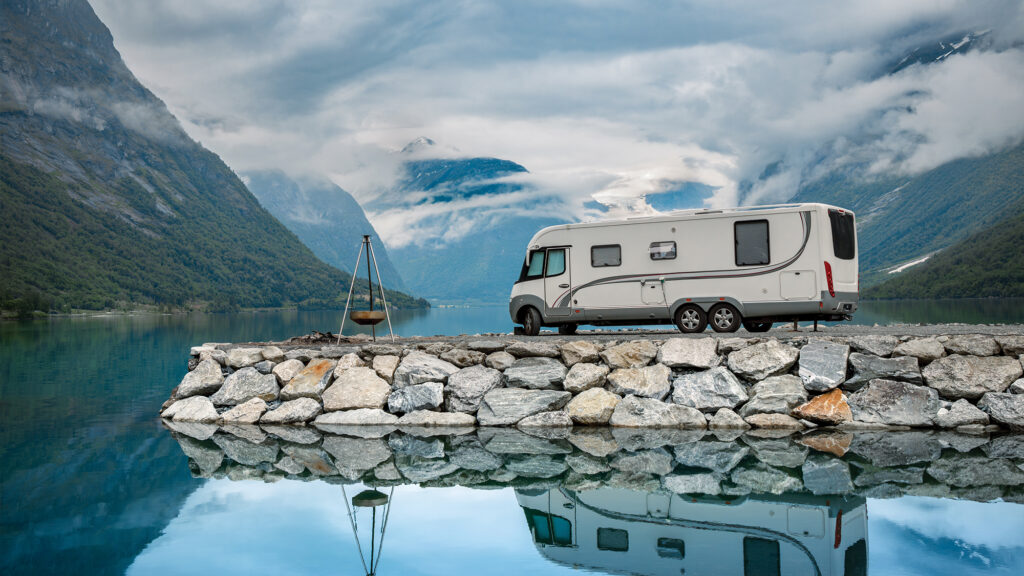
There’s no shortage of RV options on the market. There are pros and cons to choosing between a new and used model.
New RVs often come with a manufacturer’s warranty, current features and tech, better fuel efficiency, and little to no maintenance issues. But new RVs have a higher price tag and depreciate faster.
With a used RV, buyers can typically save on up-front costs. But older models usually don’t have a warranty and may require more maintenance (and hard-to-find replacement parts).
Proactively exploring storage options — an often-overlooked part of RV ownership — can save money and misery in the long run. Even if you have the space to spare, some homeowners associations prohibit parking motor homes in driveways or on the street. That can lead to renting space at a storage facility, which can cost several hundred dollars a month, depending on factors such as the RV’s size and the storage facility’s amenities and services.
The good news is Texas Farm Bureau will cover the RV, whether it’s parked outside your home or at a storage facility, Jackson says. By taking time to understand RV options and considerations, first-time buyers can navigate the road ahead with confidence.
Looking for the perfect maiden voyage for your RV? Check out one of these unique Texas festivals, celebrating everything from onions and watermelons to rattlesnakes and mysterious far West Texas lights.
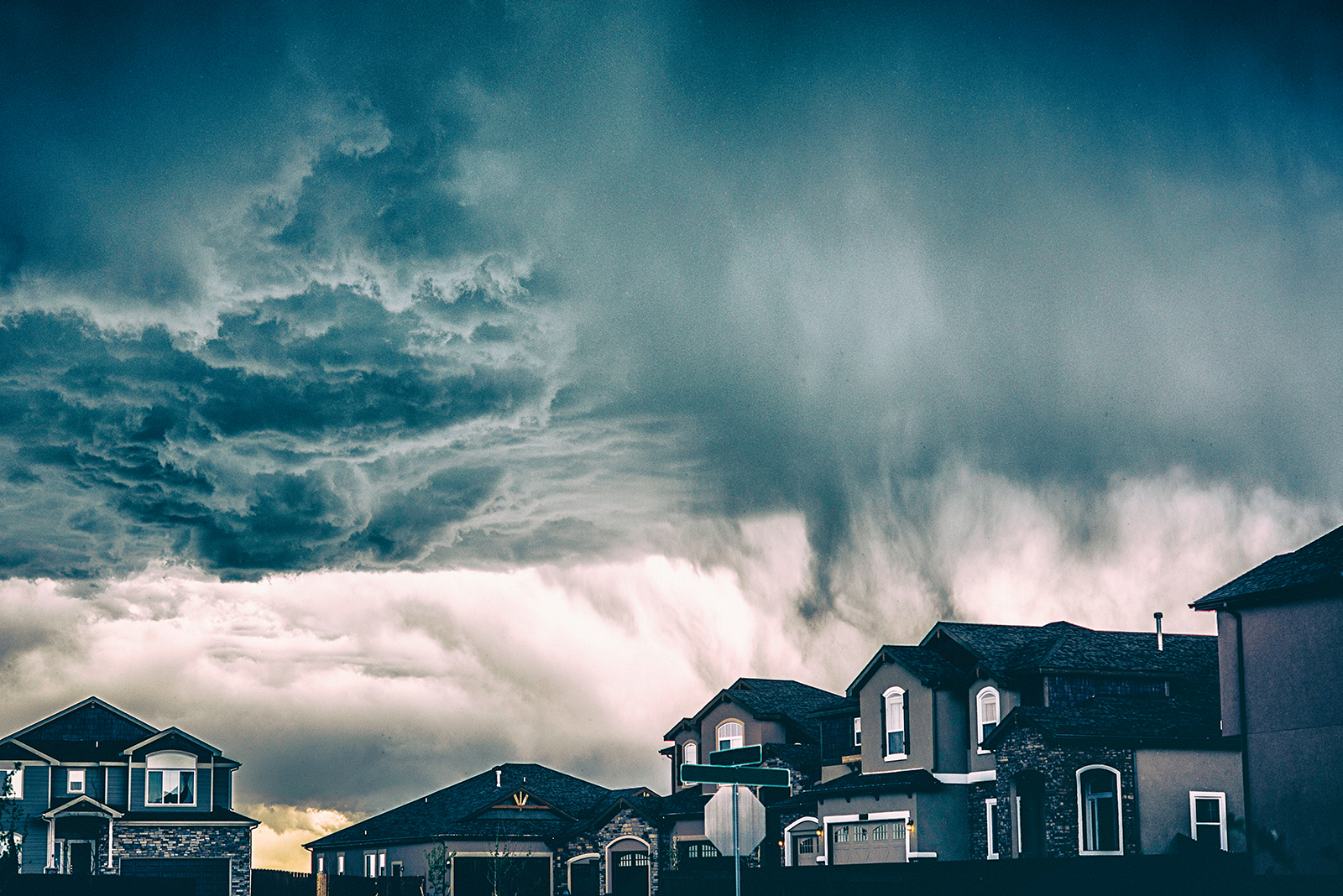
Last October, Texas suffered the costliest tornado damage in its history.

What you need to know before handing over the keys.

Could Your Home Renovations Affect Your Insurance?
If you’re updating your home, you may need to update your home insurance.

As these fledglings move out of the nest once and for all, they'll need to consider the kinds of insurance they'll need to have to protect their vulnerable position.This guide to understanding the fears of grads can help.

Make your wishes known.

Insurance for the Next Chapter
Retiring? It’s time to rethink your insurance policies.