Please sign in as a member or guest below to access it.
Please sign in as a member or guest below to access it.

Texas-shaped, Texas-sized, Texas-loved.
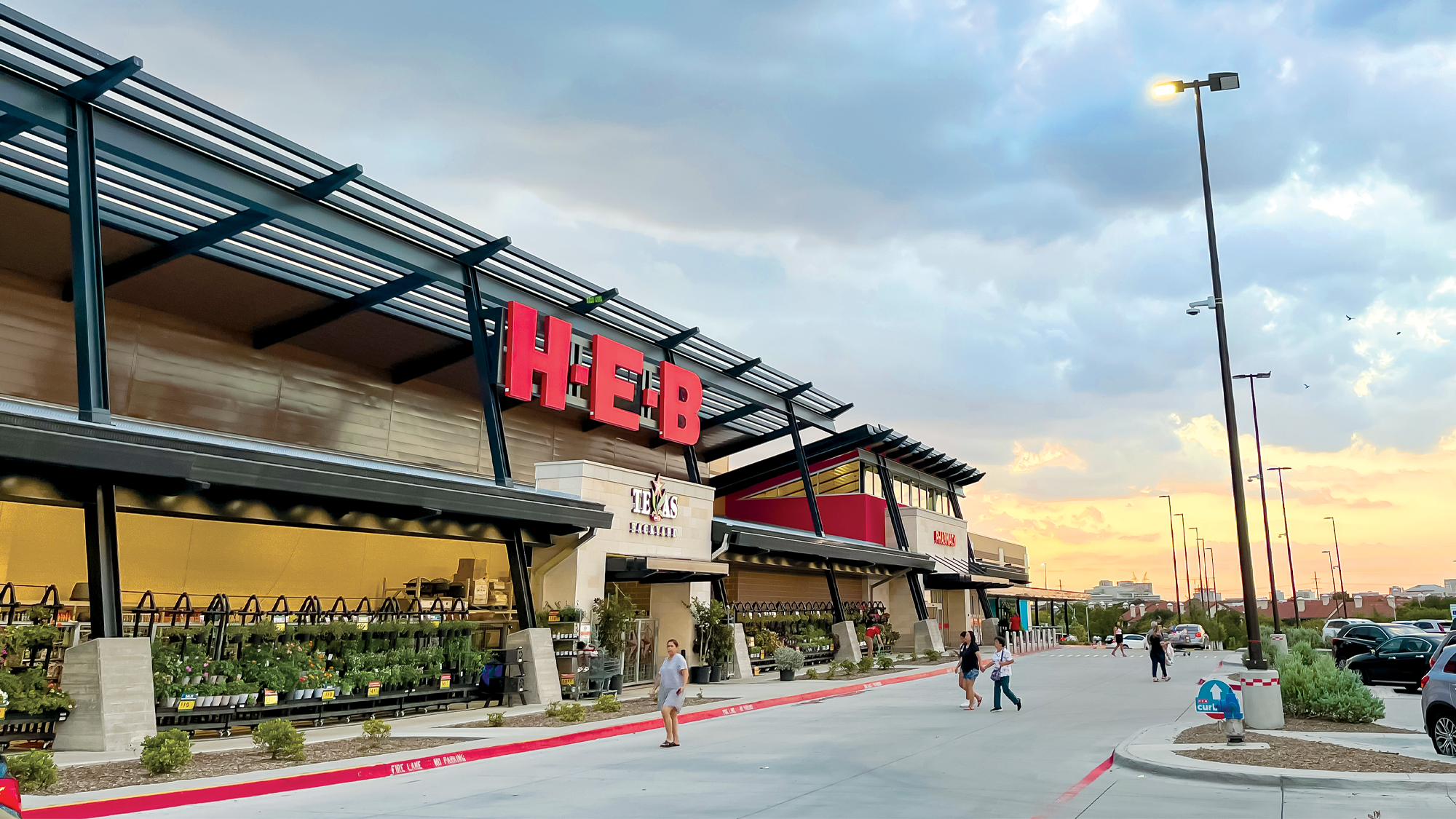
Among great names such as Whataburger, Blue Bell, and Dr Pepper, in the immortal Pantheon of Lone Star State brands, there’s a trinity of red neon letters that dazzles everyone in Texas and baffles everyone in the other 49 states: H-E-B.
To Texans, it’s like Trader Joe’s meets Buc-ee’s. It’s like Disney. It’s like Eden. But to outsiders, Texas’ loyalty to H-E-B can look excessive, even a little unhinged. In fact, H-E-B can’t make sense to anyone but Texans. It doesn’t need to. H-E-B belongs to Texas and is as proud as anyone of it.
The story of H-E-B began in 1905, when Florence Thornton Butt moved her family from Mississippi to San Antonio and then to Kerrville, just south of Fredericksburg, where she rented a two-story building for $9 a month. On the ground floor of the property, she opened Mrs. C. C. Butt’s Staple and Fancy Grocery, a little venture occupying only a single room and funded on a meager $60 loan. Her youngest son, Howard Edward Butt Sr., grew up delivering groceries by wagon, but by the 1920s, he’d taken the special began to take form.
Howard introduced several retail innovations in the ’20s and ’30s: low-cost distribution strategies that eliminated middlemen, self-service shopping, three new locations in the Rio Grande Valley, and a specialty in low-priced goods that helped the grocer survive (and feed financially struggling locals) during the Great Depression. Because of that attention to detail, during an era of extreme economic despair, Howard’s business began raking in millions of dollars annually. He quickly expanded to nearly 20 stores across Southwest Texas and began outlandish marketing strategies and grocery giveaways — one of which involved throwing tagged live chickens and handfuls of nickels off the roof of a store.
Howard’s stores changed names a few times over the years, but his brand was quickly becoming iconic in the area. So, in 1942, he rebranded for the final time, settling on his own initials, which every Texan now knows: H-E-B.
Unlike many of its competitors, H-E-B remained private and family owned throughout the 20th century; to this day, it’s still almost entirely controlled by the Butt family. By 1991, the year Howard passed away, his chain had grown to 175 locations with 30,000 employees and was already one of the largest private companies in the country.
As a matter of fact, it’s the fifth-largest private company in the United States today. That’s because, in the 35 years since his passing, Howard’s children have ensured his legacy has remained properly Texas-sized. H-E-B now runs more than 455 stores in Texas and Mexico, which altogether employ more than 170,000 people.
Despite its behemoth supermarket status, H-E-B has remained unequivocally committed to prioritizing local, long-term relationships over short-term profits. In essence, H-E-B is loud and proud about being Texan — and Texans are likewise loud and proud about H-E-B.
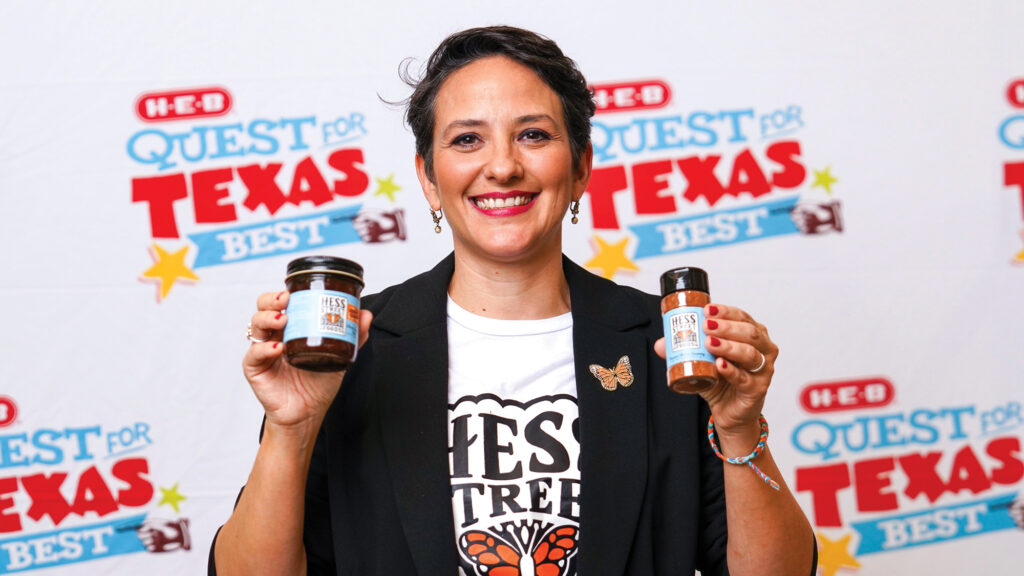
You can identify the truly Texas born by their reverence for H-E-B. Drive around Houston for 10 minutes and see how many H-E-B bumper stickers you can spot. Some fanatics will proudly show you their “In H-E-B We Trust” tattoos before you even ask to see them. And you don’t even have to ask that mom where she bought her newborn’s “H-E-Baby” onesie. Why all the love for a supermarket brand? Because H-E-B deals in a business that’s hard to excel in authentically.
No, it’s not groceries. It’s Texas pride. A good litmus test for a brand’s Texas pride is to look at its selection of Lone Star State-inspired merchandise. H-E-B sells literally hundreds of items shaped like Texas, from the edible (tortilla chips and chicken nuggets) to the inedible (cast-iron skillets and birdbaths). In the stores you may also find boot-shaped candles and tumblers and a rubber ducky sporting a cowboy hat. A novelty for some; Texan for all.
Beyond the gimmick (as fun as it is), there’s really no store in Texas so chock-full of Texas. H-E-B distributes more than 6,000 locally sourced items that are grown, harvested, or made right here in Texas. Its shelves are flowing with Hill Country honey, Gulf Coast seafood, Czech kolache, South Texas tamales, East Texas coffee, and mom-and-pop salsas from every corner — not to mention Whataburger sauces and a line of products branded under H-E-B’s own labels and produced in the state.
But the spirit of Texas is overwhelming in an H-E-B, even beyond its products. In some ways, even the largest, most urban H-E-B locations in 2026 still retain some of the small-town, Southern charm of Mrs. C. C. Butt’s Staple and Fancy Grocer. H-E-B employees, or “partners” as they refer to themselves, are famously friendly. So friendly, even, that they might hand you a hot, fresh-baked flour tortilla as you shop — on the house. The carefully cultivated employee culture not only elevates the shopper experience but also makes H-E-B a great employer. It’s regularly ranked as one of the best places to work in Texas.
The in-store culture is hardly a clever HR strategy enforced with an iron fist any more than its products are merely a shtick. It’s all a manifestation of the homespun Texan virtues that H-E-B was raised on.
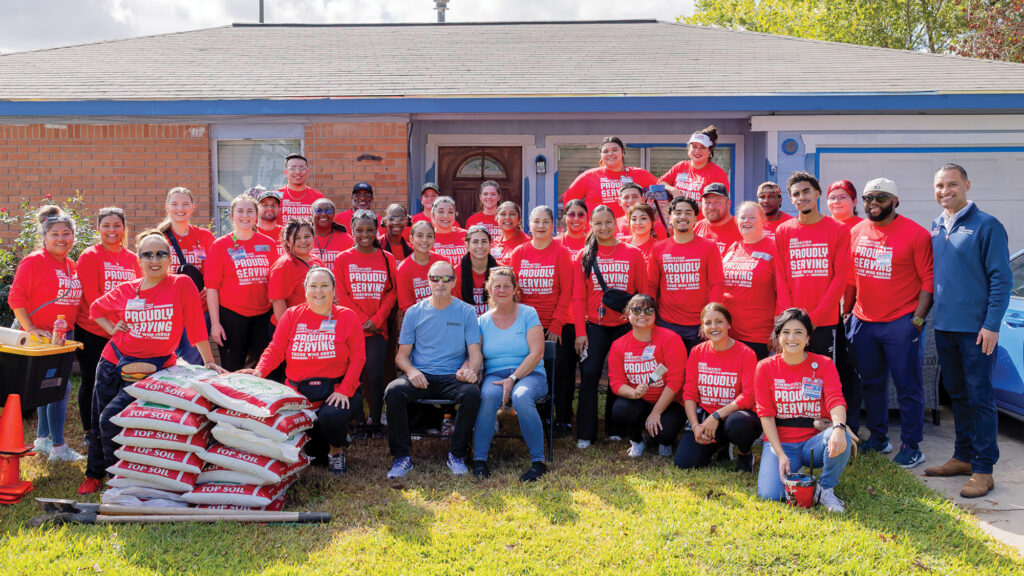
H-E-B’s corporate brand was built on community, and its public actions demonstrate that foundation. Since its earliest days, H-E-B has embraced a “Helping Here” philosophy, standing by its fellow Texans through thick and thin. On a basic level, H-E-B has donated around 5% of all pretax earnings to local charitable organizations for nearly a century. On a more intangible level, H-E-B has truly proved its presence as a neighbor for Texans in the worst of times.
When a natural disaster strikes Texas, H-E-B responds. It deploys mobile kitchens, disaster relief units, and a host of employee volunteers to the affected communities. The brand has contributed tens of millions of dollars in relief support in the last decade alone. Most notably, H-E-B provided $6 million in relief support after Hurricane Harvey made landfall in 2017. During the COVID-19 pandemic, H-E-B provided more than $5 million to seniors, children, low-income families, and first responders. And while the Hill Country — including Kerrville, H-E-B’s birthplace — faced catastrophic flooding in the summer of 2025, H-E-B not only donated $5 million to nonprofits but also deployed three disaster relief sites in the region to distribute water, food, and other essentials to affected families.
Fans have called H-E-B the “FEMA of Texas” for its logistical brilliance in emergency response and support efforts that are proactive rather than reactive. The company employs a full-time emergency preparedness team, which works 365 days a year to track and address disasters of all sizes — from massive hurricanes to localized power outages.
“All of our employees are from Texas, all of our leaders live in Texas. It’s not only a matter of are we a retailer in the state of Texas — it’s part of our makeup and our DNA,” Justen Noakes, H-E-B’s former director of emergency preparedness, told Texas Monthly in 2017. “When you talk about these disasters and how they impact H-E-B, it’s how they impact our home.”
The Most Texas Texas Road Signs
With more than 79,000 miles of roads, Texas has a lot to warn drivers about — from tolls and tractors to pelicans and bears.
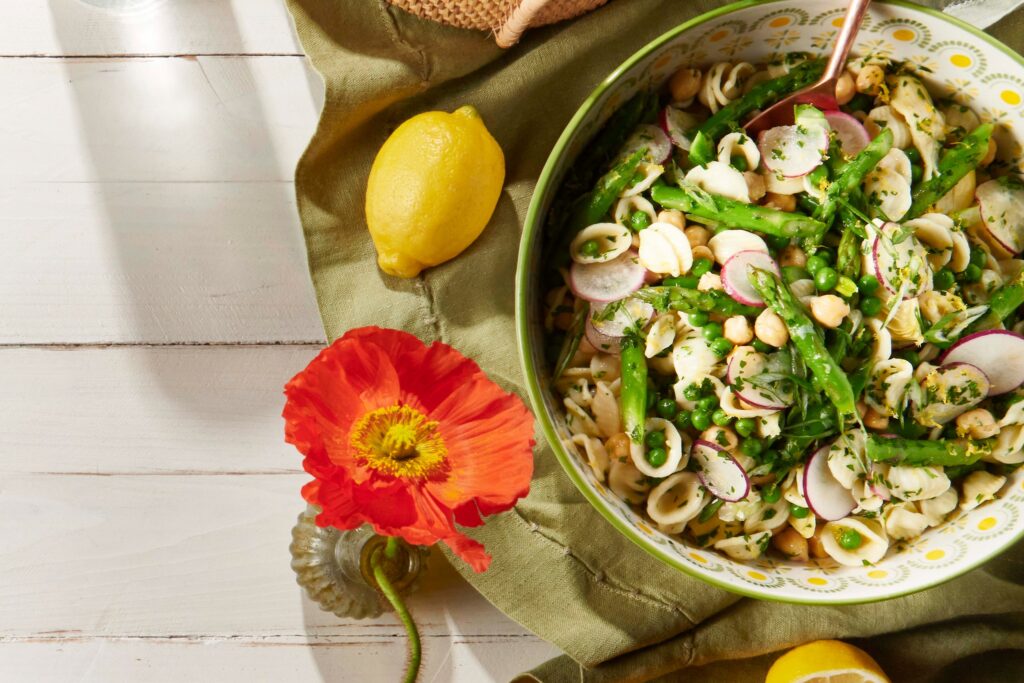
Lemony Spring Pasta Salad Recipe
Tenderness is the theme of the day with spring vegetables.
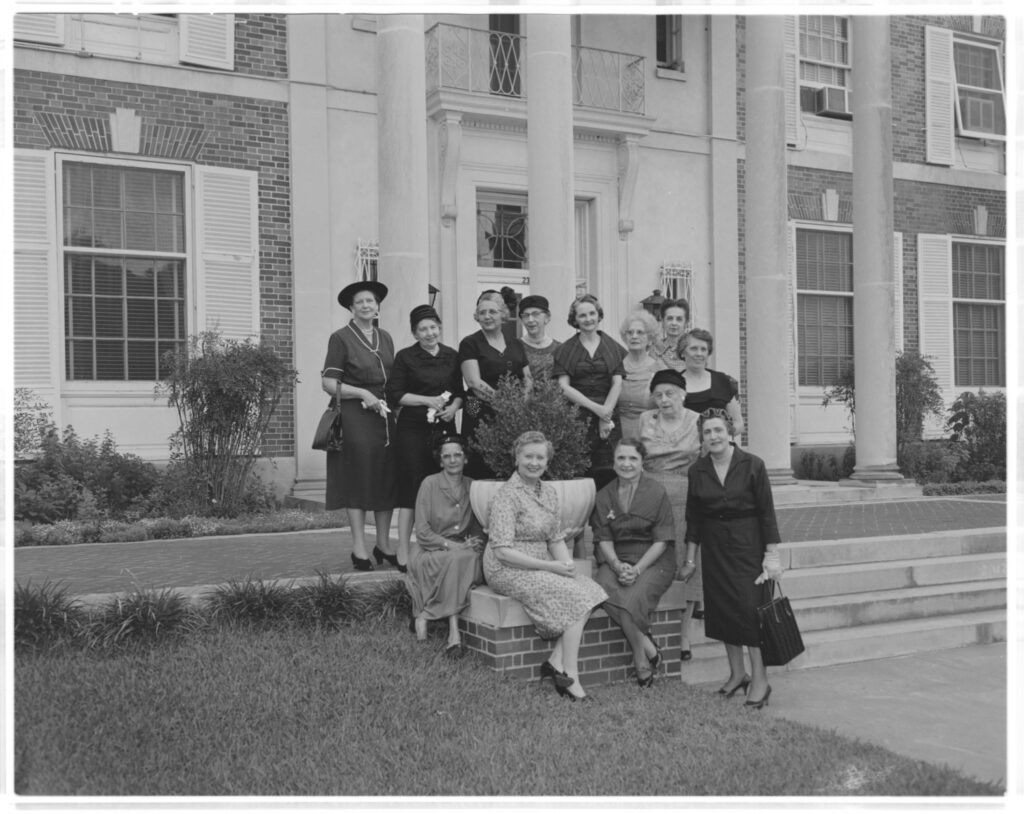
Get to Know the Strong Women of Texas History
Women don’t always get a lot of space in the history books. Sometimes, you have to write your own history.
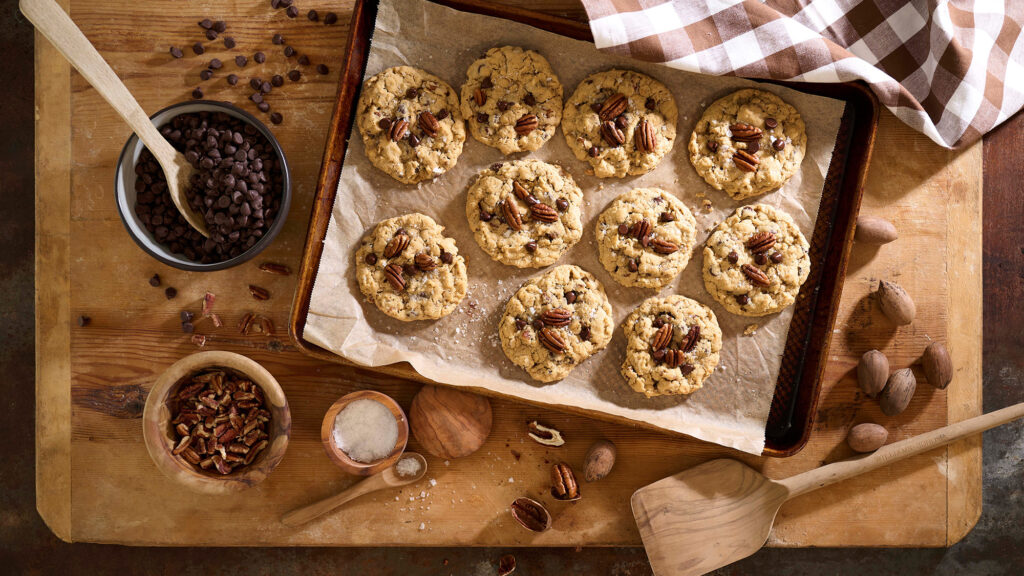
Saddle up, cookie lovers.
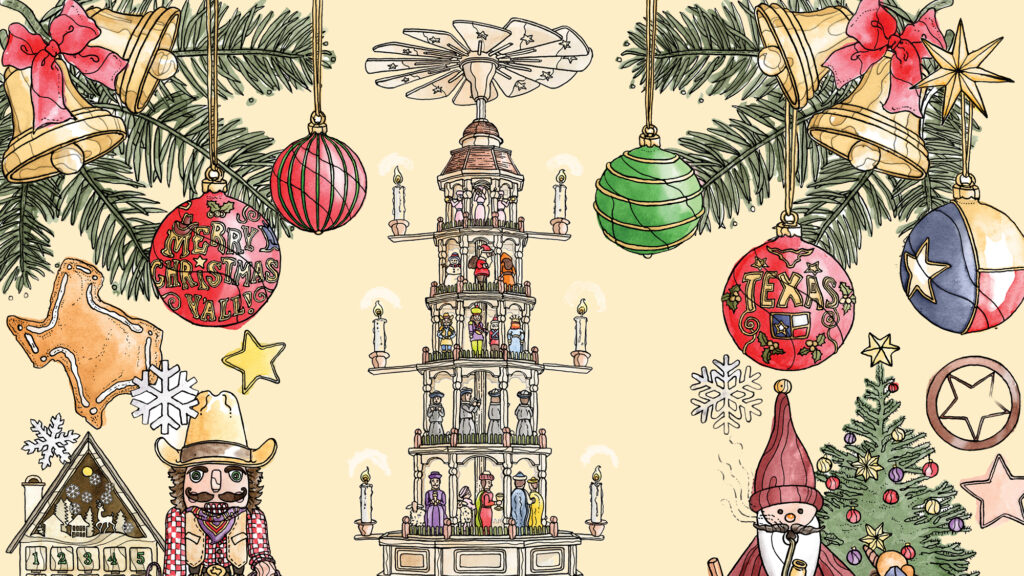
How German Traditions Shaped Christmas in Texas
Nutcrackers, candlelit pyramids, Moravian stars, and more.
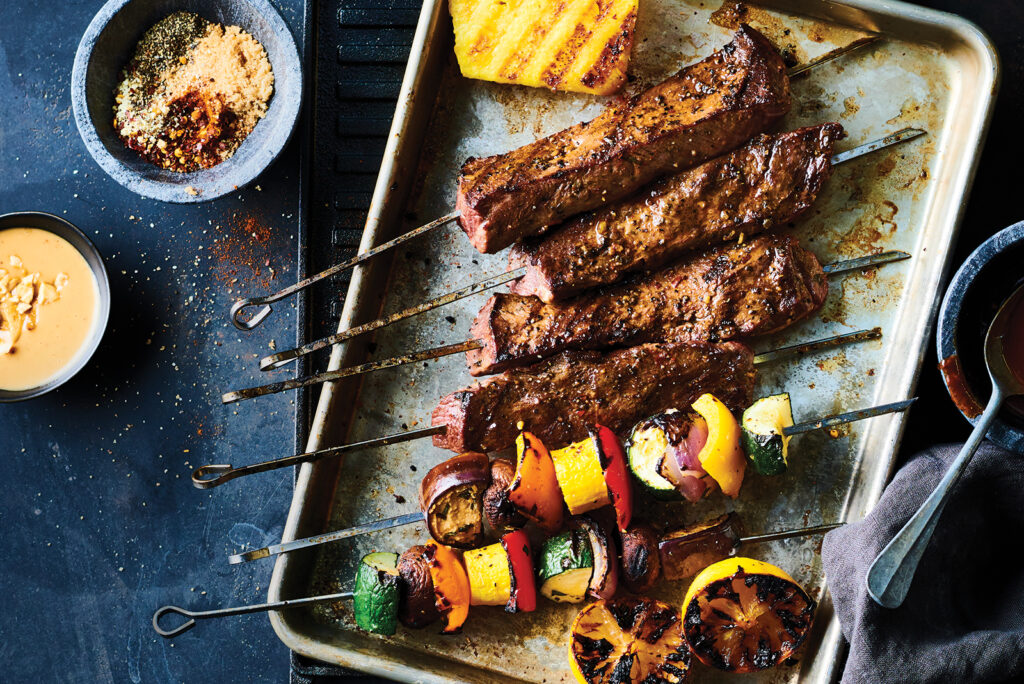
Pile on whole mushrooms, red onions, winter squash, and pineapple for a festive, colorful meal.