
The Grandfather and Grandson Getting Kids Outside Again
As dusk falls in South Texas, Bruce and Briggs Hoffman cruise the rugged dirt roads in search of wildlife. The grandfather-grandson duo hopes to spot white-tailed deer, javelina, coyotes, jackrabbits, and any other critters that might show up on the family’s La Trinidad Ranch. Every rut the truck hits jolts Briggs and sets his blond hair bouncing, but the 7-year-old is too busy gazing out the dusty passenger window to notice.
Suddenly, Briggs exclaims: “Look there, Big Daddy! A buck!” Like most children, Briggs finds the natural world exciting. Studies show that kids of all ages and all socioeconomic backgrounds love exploring nature and being outdoors. Most, however, aren’t as lucky as Briggs. Statewide, our children average a mere 10 hours a week outside, and most of that takes place during highly structured activities such as organized sports. In addition, says Jennifer Bristol, coordinator of the nonprofit partnership Texas Children in Nature, “Several research entities have shown that, depending upon their age group, kids spend 7 to 11 hours per day with media.”
At the same time, Texas has seen a significant increase in childhood obesity, diabetes, and myopia (nearsightedness). And as children’s health has deteriorated, so too has their grasp of how the natural world works.
“Kids are much more sedentary than ever before, and, as a consequence, they’re less healthy and very disconnected from nature,” explains Bristol. “The good news is that it’s a very solvable issue.”
Unstructured play — especially outdoors — builds creativity and problem-solving skills. When kids interact outside with others during such activities, they learn communication skills and team building. Exploring the natural world also helps children navigate their own inner worlds by encouraging them to test boundaries, experiment, and make meaningful connections.
“When they’re outdoors, they learn stuff they can’t from a textbook,” says Bruce Hoffman, a Texas Farm Bureau Insurance policyholder who serves on the board of the nonprofit Wildlife in Focus, the parent organization of Kritters 4 Kids.
“We use photography in our Kritters 4 Kids program to teach kids about ora and fauna,” explains Hoffman. “Many kids know so little about Texas that when they see a photo of something like a bobcat, they think it’s from Africa.”
Playing outside without an agenda not only teaches kids valuable lessons, but also improves their physical well-being. “Sports are fantastic, but they require muscle memory and repetition of motion, whereas when kids run and jump and play at their own speeds and their own rates, back and forth between high and low energy in non-repetitive ways, it really helps with their natural muscle development,” says Bristol.
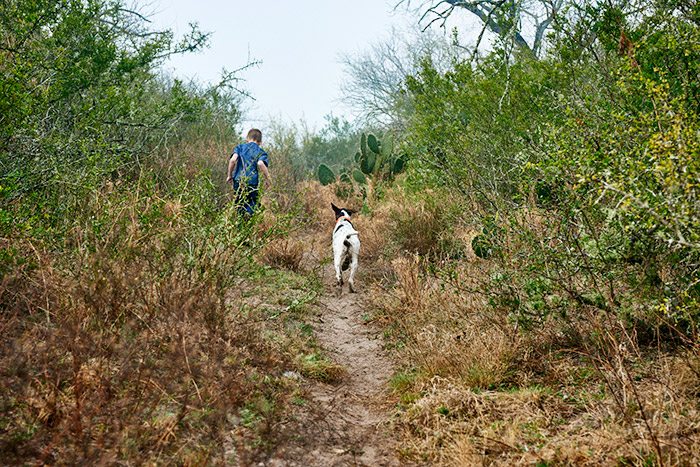
But how do we get our children outside during the harsh Texas summer? “Actually, kids don’t usually seem to notice the weather unless I mention it,” says Bristol. “So that’s tip No. 1: Don’t dwell on the heat.”
However, since you likely can’t ignore it, Bristol suggests being most active during mornings and evenings. Hiking in the shade and activities in or near water also create cooler experiences. For a special summertime treat, explore one of Texas’ many caves, where inside temps stay a steady 68 degrees!
Summer is also a super season for nighttime fun. Kids love campfires. Even when a burn ban or a tired parent means no ames, a flashlight camp re is completely doable. “Kids gather ’round and simply play with flashlights. You know kids — anything with a flashlight is fun,” Bristol says with a laugh. Flashlights offer up more fun during night hikes when kids can search for sparkling spider eyes. Star parties are another awesome in-the-dark activity, and many local and state parks offer them year-round.
You don’t have to leave your neighborhood to find fun outside. Camp in your own backyard and take the Great American Campout pledge. The event is sponsored during the last weekend in June by the National Wildlife Federation. For those who live in an apartment or condo, see if you can hold your campout on a school or church grounds or check the Great American Campout website for a public campout in your area.
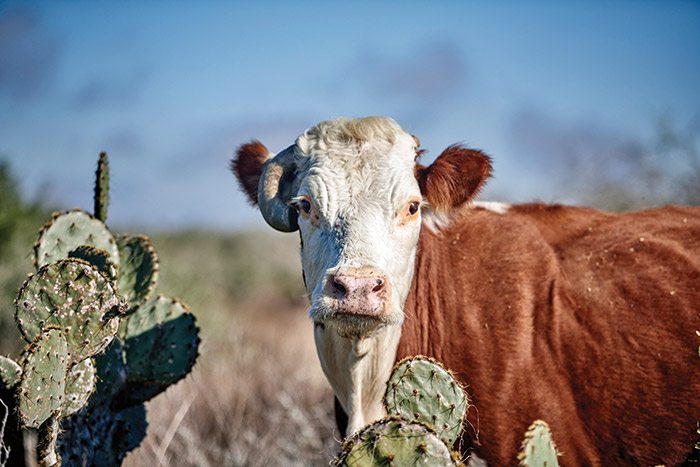
But don’t let plans for fun turn into loads of work. “People get caught up in thinking that in order to have a relationship with the outdoors they need a grandiose plan to go to a national park or the seashore or something along those lines,” Bristol says. “But nature’s right there, in your own community. Nature’s actually all around us.”
It’s adults who often are looking for that big experience. But for kids, it can be as simple as mixing dirt and water, making whistles from blades of grass, or throwing rocks in a creek. As adults, we tend to forget that sometimes. And, warns Bristol, don’t make technology the bad guy. “We used to say, ‘unplug, unplug, unplug,’ but technology is here to stay, so instead we should ask, ‘How can we use technology to get kids outside?’”
Smartphone apps, in particular, come in handy for helping kids better experience the world around them. “Humans love to name and order things and apps assist us with that,” says Bristol. App-based field guides, especially, serve as terrific tools. Audubon, for example, has bird guide apps that use phone GPS to tell you possible birds in your location that match the description of one you’ve spotted. Other apps help you name plants, identify animal tracks, map stars, and take part in geocaching. “Keep in mind, however, that the idea behind using technology is to get kids outside so they can have a more fun and safe experience in nature,” cautions Bristol. “Technology shouldn’t be the activity itself.”
No matter the activity, it’s important for adults to remember that the goal is for kids to engage in some degree of free and natural play. They need unstructured time — even within a structured or organized activity — during which they can come up with their own ideas, games, and activities. “The idea is to let kids do it their way,” says Bristol. “Adults are definitely nearby, but that’s just to make sure that kids are safe and that everyone’s playing nice.”
Bruce shrugs and grins. “We don’t worry about him. We discuss possible dangers before he heads for the door, then usually sneak out behind him.”