
Tailgating Do’s and Don’ts
Gearing up for a tailgate is like preparing for battle: You brush down your grill, shake out your lawn chairs, dress the part, and ready your snacks for game day. It’s a lot of work, but no matter how well your team plays, it’s always a win if you spend the day gaming and grilling with your favorite fans.
Whether you’re a seasoned tailgate host or a fan attending your first tailgate ever, follow these tailgating do’s and don’ts to avoid any party fouls.
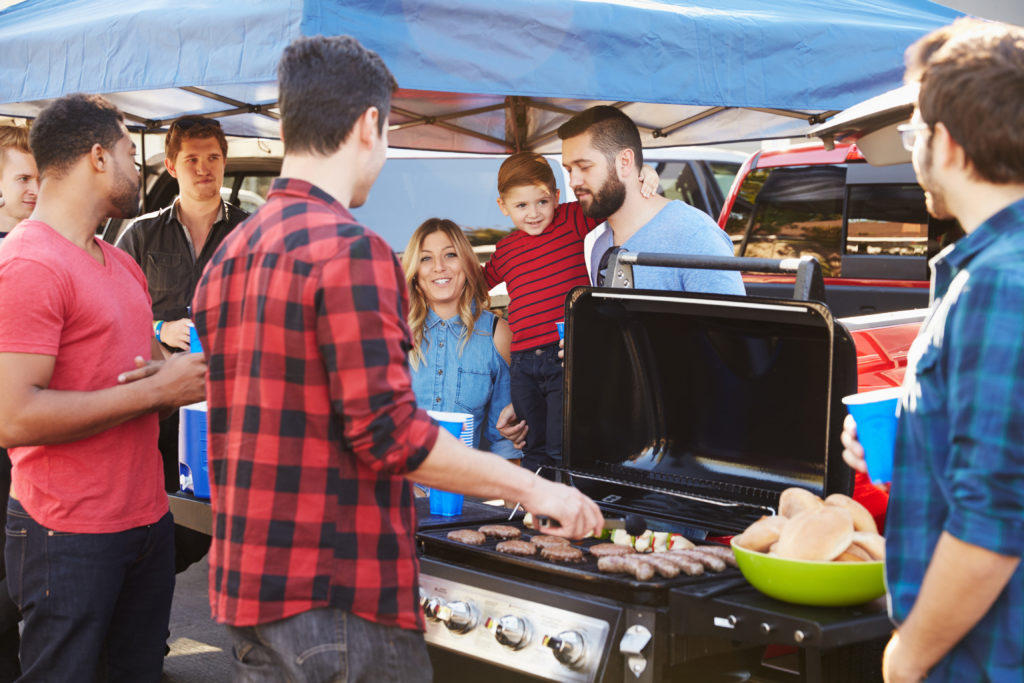
Host Do’s
Check up on your school’s tailgating rules. For example, you should know:
- Where you can tailgate.
- When to set up and break down.
- Whether payment or special passes are required.
- How much space is allotted per tailgater.
- Policies on open flames, occupancy limits, loud music, etc.
Set expectations for guests. Let them know if there’s an open invitation for them to bring additional friends and what you’d like them to bring (a monetary contribution, snacks, or just their appetite).
Make friends with your neighbors. No one remembers everything they intended to bring to a tailgate. Offer to share when appropriate and they’ll likely return the favor!
Make friends with the local authorities. They have a long day ahead of them, and they’re keeping your tailgate safe. Offering them water or even a bite to eat along with some friendly chitchat as they walk by can make everyone’s day.
Host Don’ts
Scrimp on water. Especially on warm, sunny days. Encourage everyone to grab a bottle of water and bring a Sharpie for them to write their name on the label.
Leave extension cords strewn about in high-traffic areas. Tape them down to the ground. Make sure your tent is properly secured as well. You don’t want a strong gust of wind to uproot the party!
Forget to make a contingency plan for potential party fouls, such as extreme heat or rain. Bring a generator in case of electricity loss and a fire extinguisher in case the grill/smoker gets out of control. Decide how you want to handle unexpected or unruly guests. These types of guests can manifest from both teams!
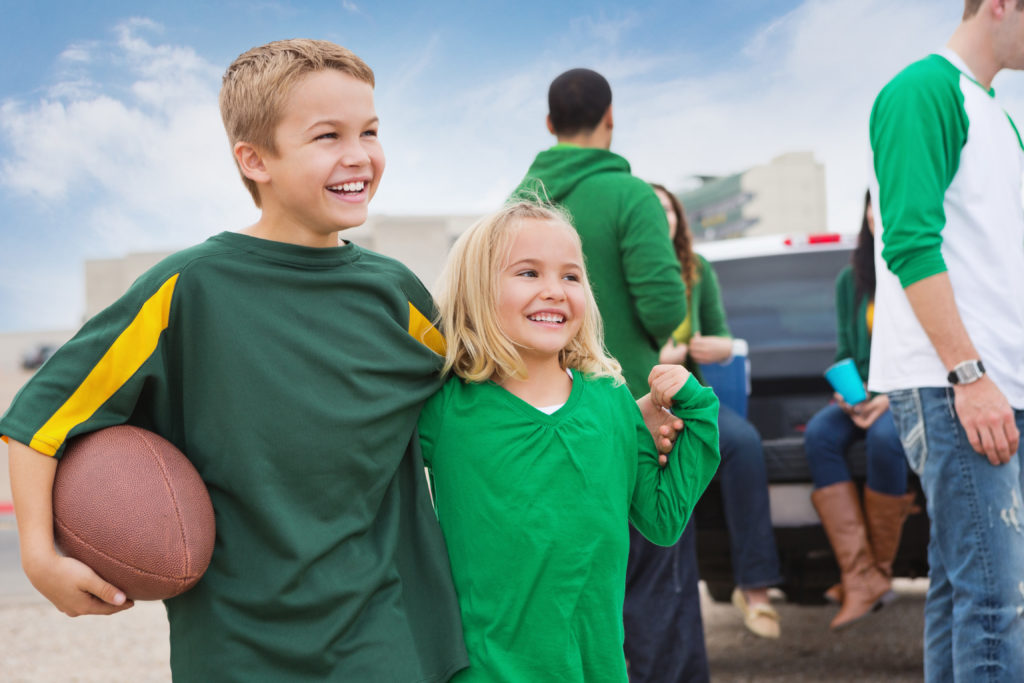
Guest Do’s
Be respectful. Often, hosts like to claim the same territory for future games. You don’t want to do anything to jeopardize their spot. Treat the space as you would their home.
Keep an eye on little fans. There are a number of things in and around tailgates that can be dangerous for kids. Establish boundaries with them before you go so they can run and play safely together.
Guest Don’ts
Come empty-handed. Hosts have a lot on their plate. Check in to see how you can contribute to the party, whether it’s bringing an appetizer or offering to help pay for food, drinks, parking permits, gas, etc.
Forget to BYOC. Bring your own chair and cooler!
Full Hearts, Full Bellies. The meat. The camaraderie. The memories. Tailgating season is nigh. Do you know what snacks you’ll bring to your first game of the season? These game day recipes are sure to be a win.
© 2022 Texas Farm Bureau Insurance