
5 Artisans Keeping Traditional Crafts Alive in Texas
The modern world moves fast. It is built around convenience and immediate gratification. From the products we buy to the entertainment we consume, the market for our dollars and attention is designed to deliver quickly, cheaply, and in high quantities. But in recent years, perhaps in a reaction against our fast-paced, consumeristic world, there has been a revival of interest in traditional crafts and artisanal trades once thought lost to the past.
We want to introduce you to some of the most exciting artists and artisans working with traditional crafts in Texas today. They include a young woodworker hoping to revive a sense of permanence through his furniture, a quilter who expresses four generations of tradition through her brilliant designs, and more.

Laverne Brackens, Quilter
Laverne Brackens was born in 1927 in Fairview, where she learned the art of quilting as a child by assisting her mother at quilting circles with friends and neighbors. Although she worked for most of her adult life as a cook, Brackens returned to quilting after retiring in 1987. She has developed a vibrant, improvisational technique, sometimes waking from dreams in the middle of the night inspired with new ideas for the brilliantly colored designs that have made her a world-famous quilter.
In recent years, as the art world has come to appreciate the deep history, tradition, and beauty of African American quilt making, Brackens’ work has been included in exhibitions from the High Museum of Art in Atlanta to the Museum of Craft and Folk Art in San Francisco. The prolific quilter still sells her work out of her East Texas home, and she has passed the tradition down to her daughter and grandchildren.

Andy Rawls, Woodworker
There’s a small pine box that sits on the windowsill in Andy Rawls’ woodworking shop outside Boerne. The box was the first piece Rawls ever made, and when he looks at it now, he can easily spot all the little imperfections and mistakes. That’s why he likes it; it stands as a reminder of the elusive nature of his craft.
“I realize I’ll never master it,” Rawls says. “I’ll only pursue it.”
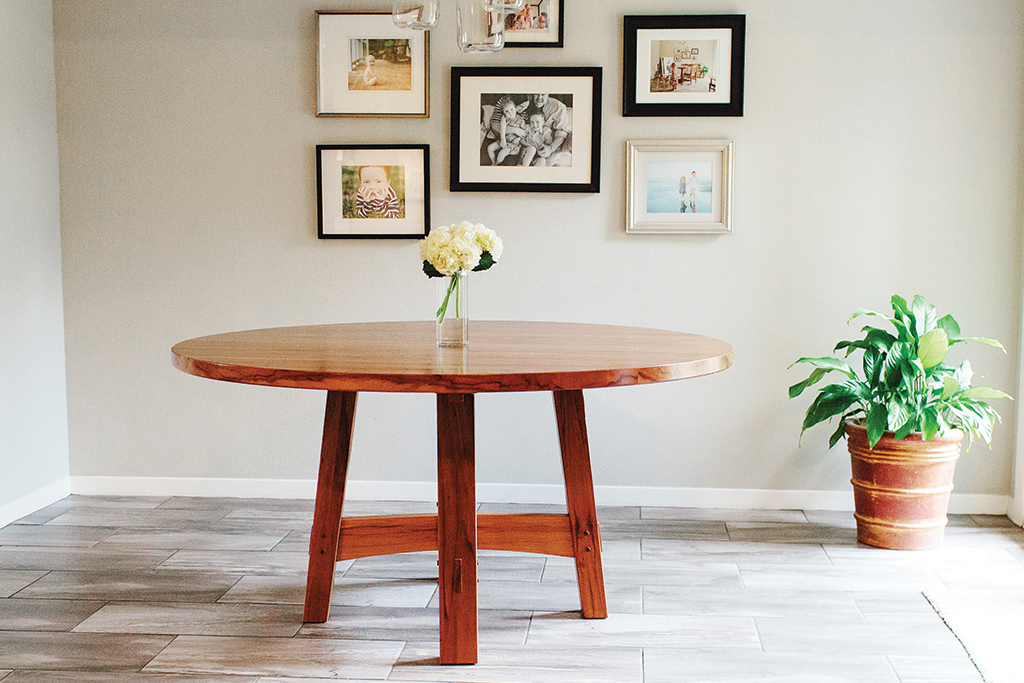
Rawls started Andy Rawls Fine Texas Woodcraft in 2012, working out of his garage. He wanted to start a custom wood furniture company that focused on simple forms, durability, and quality craftsmanship. Rawls believes the mass- market furniture that fills many homes today is destined for the landfill, and we are losing an appreciation for the kind of objects that are passed down through generations and carry with them a family narrative and history.
Rawls crafts elegant bedroom sets, dining room tables, living room furniture, and other home goods. His business has grown slowly but steadily, mostly by word-of-mouth. That’s how Rawls like it: keeping things personal.


Christine Miller, Weaver
When Christine Miller was in elementary school, she passed her time at recess knitting. “I have had yarn and thread and fabric in my fingers from a very early age,” Miller says. “I learned how to sew and knit and embroider. I sewed my own clothes. I did needlepoint.”
While at the University of Texas at Austin, Miller took a class in weaving. The bug bit. Over the next 50 years, her career as an artist, artisan, and educator has revolved around weaving and the fiber arts. Her work ranges from brilliantly colored silk scarfs to hand-woven metal fabric sculptures but is always bound up in a celebration of the material. In recent years, Miller has worked to share her love of working with fiber as an artisanal craft and a fine art material.
“From the minute we are born, we are wrapped in cloth,” Miller says. “We live our lives in cloth, we put cloth on our bodies, we put cloth on our beds. Fiber is ubiquitous. It’s everywhere. Because it is so ubiquitous, we take it for granted. It is so common that you don’t think of it as a valuable material.”

Mark Craven, Shipwright
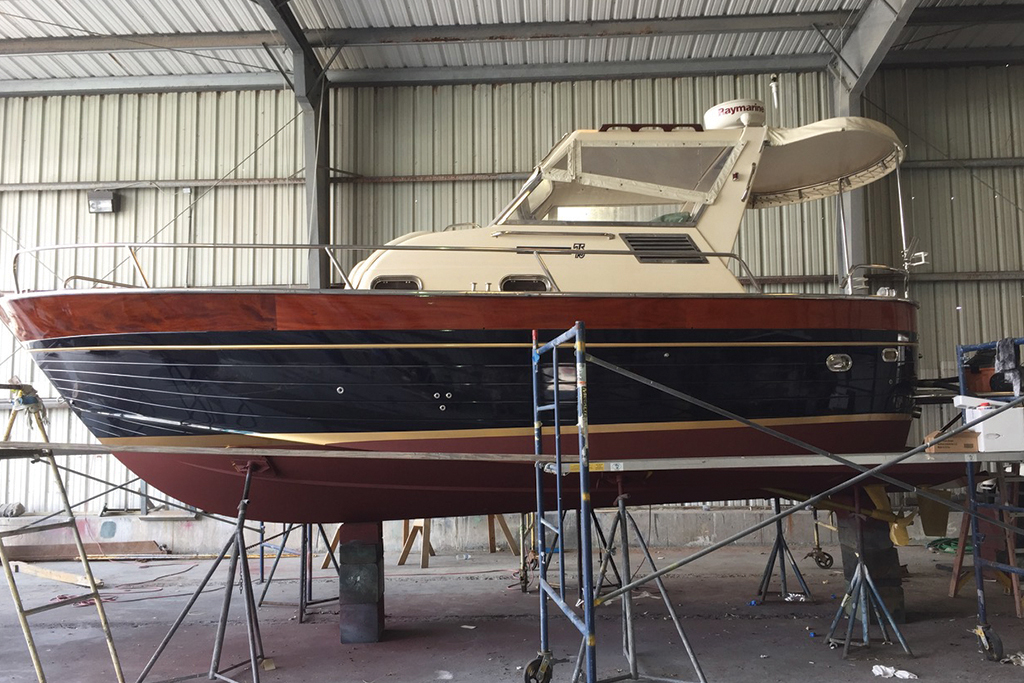
Mark Craven grew up in Houston and San Antonio, but his career took him to California. By his late 20s, Craven had grown disillusioned with the corporate world. A sailor, he decided to quit his day job and apprentice for a Danish shipwright for eight years in San Francisco to learn the ancient craft of building handmade wooden boats.
“I got exposed to it by hiring a shipwright to work on my own boat, and that sparked interest,” Craven says. “The appeal was something very unique and satisfying work that is not redundant in any way.”
It took Craven 12 years to learn the craft, and even then, he says, it is a trade that he is always refining and perfecting. Around 2008, Craven and his family took time off to sail to South America. When the recession hit, Craven decided it was time to return to Houston. He set up shop near Clear Lake and has been reintroducing his ancient skill to a boating community that largely revolves around fiberglass. Rather than scratch boatbuilding, Craven’s business in Texas focuses on custom boat refits and renovations. He finds the work endlessly rewarding precisely because of how challenging it is.
“It’s very difficult,” he says. “It involves a lot of skills that you don’t learn in school and don’t learn overnight. It’s mental, but it combines hand skills and eye skills. It is probably one of the most skilled craftsman type of positions left.”

James Carthel, Basketmaker
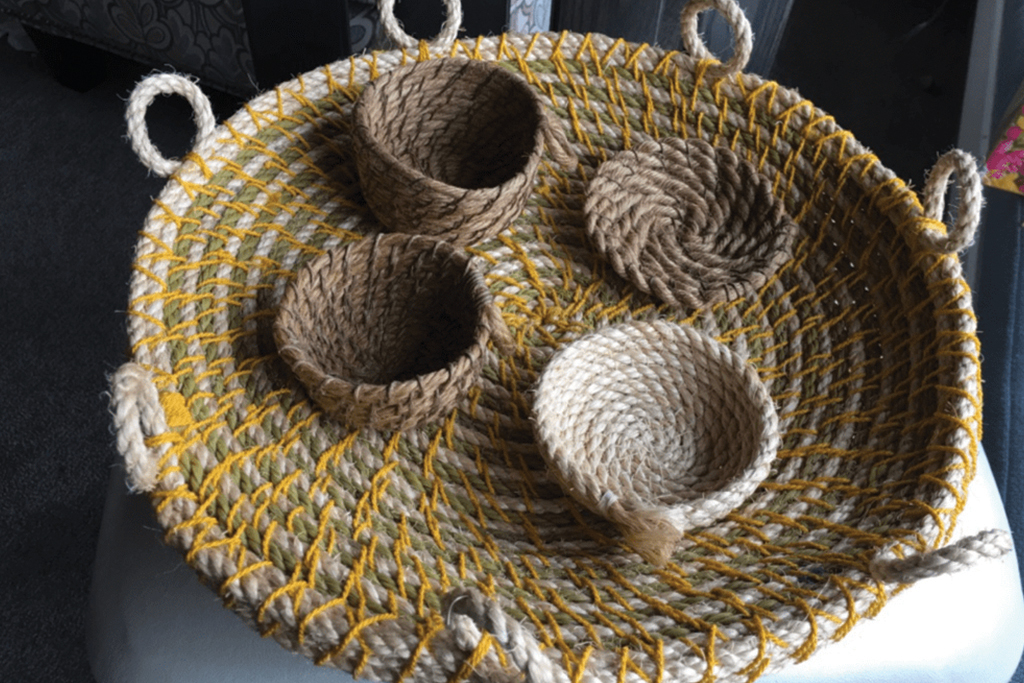
James Carthel was a choral teacher and high school principal for decades before he decided to take a class with the Clear Lake Basket Weavers Guild in 2001. Master weavers showed students how to bend strands of reed, cedar, willow, and honeysuckle into intricate weaving patterns, shaping them into unique basket designs. Carthel was hooked. When he went home, he found himself looking at his yard in new ways, touching plants and imagining how they could be incorporated into new designs.
Now in his 80s and retired, Carthel devotes himself to the traditional craft, learning new styles and historical approaches to weaving baskets. He has developed a master’s touch, weaving baskets that are elegant or whimsical and utilizing a wide variety of fibers, including palm, cedar, yucca, grape, kudzu, grass, and recycled plastic film. Carthel’s creations epitomize what has been lost in much industrial production; his baskets are both beautiful, functional objects and one-of-a-kind creations that express something of the character and imagination of their creator.
Discover more distinctive Texans here.
Illustrations by Tobatron.
© 2021 Texas Farm Bureau Insurance