
A Tour of Texas’ Unique Scuba Diving Spots
Scuba diving: The watersport conjures images of crystal-clear waters in tropical climes, colorful coral reefs off the coast of remote Caribbean islands, and exotic shipwrecks buried under meters of Pacific Ocean waters. And there is scuba diving in Texas that provides some of these kinds of experiences.
But the Lone Star State is also home to some of the most unique (you might even say strange) scuba experiences in the country. Even if you’ve never strapped on an oxygen tank and squeezed into a wetsuit, you’ll be tempted to pick up the sport and explore some of the incredible underwater adventures found right outside Texans’ doorsteps.
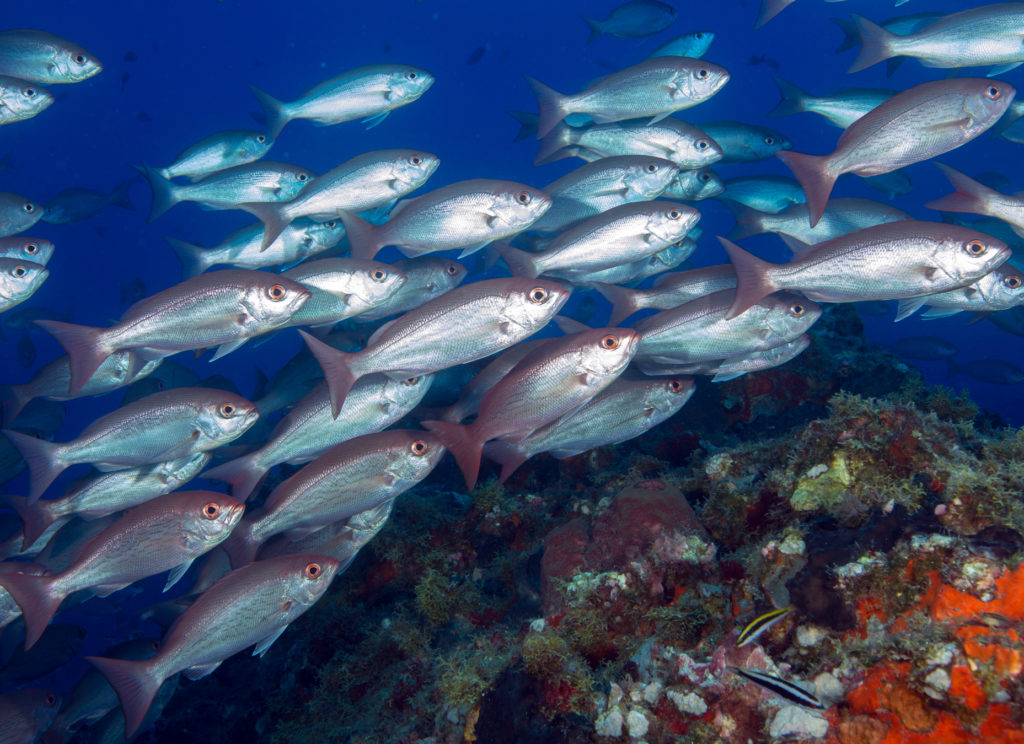
The Flower Garden Banks
One of the only ways to explore this national marine sanctuary is with scuba gear. Located off the coast of Galveston, the Flower Garden Banks consists of 160 square miles of coral reefs that are home to a rich array of aquatic life. Diving the banks, you may encounter hammerhead sharks, manta rays, whale sharks, and more. It is perhaps the best spot for scuba diving in Texas, and any avid scuba diver should add it to their bucket list.
Need to know: Unless you have your own boat, you will need to book a tour through a tour operator. The remote location of the banks can create dangerous conditions, so be sure to prepare ahead of your dive and know the forecast. The dive is best for intermediate to advanced divers.
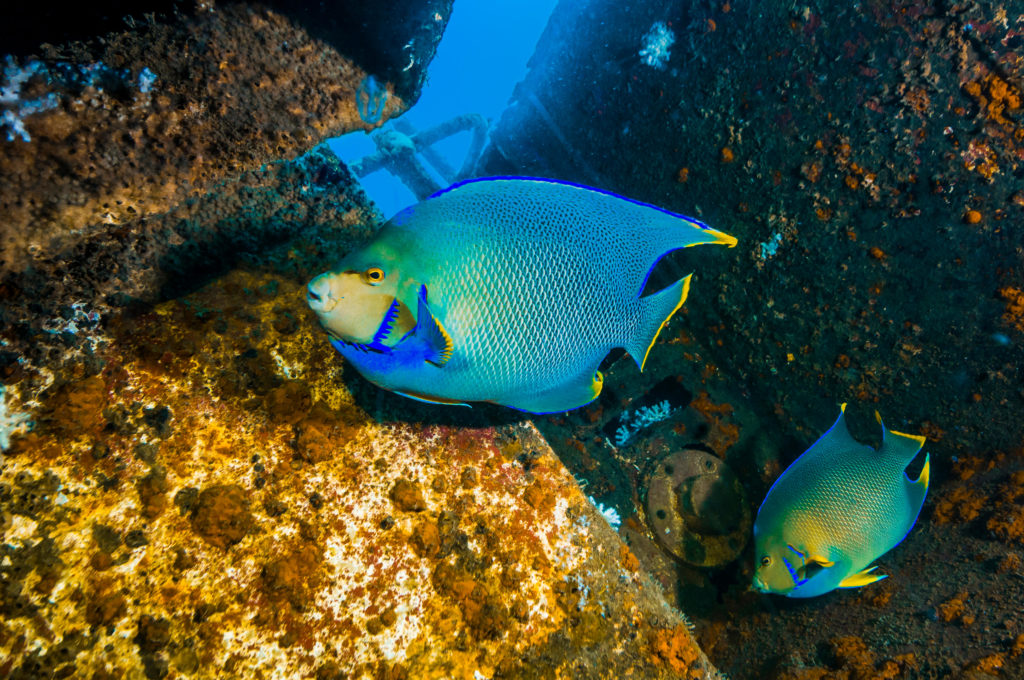
The Texas Clipper
Located about 17 miles off the coast of South Padre Island, the USTS Texas Clipper was a troop transport ship during World War II that was sunk to create the United States’ third-largest artificial reef, at 473 feet. Diving the Clipper is said to be like visiting an underwater museum. Divers can swim through the ship and explore its cavernous interior spaces. The shipwreck has also created a rich and abundant aquatic ecosystem, and divers can experience swimming with tropical fish in turquoise waters.
Need to know: Most divers use a private guide to help bring them to the wreck.
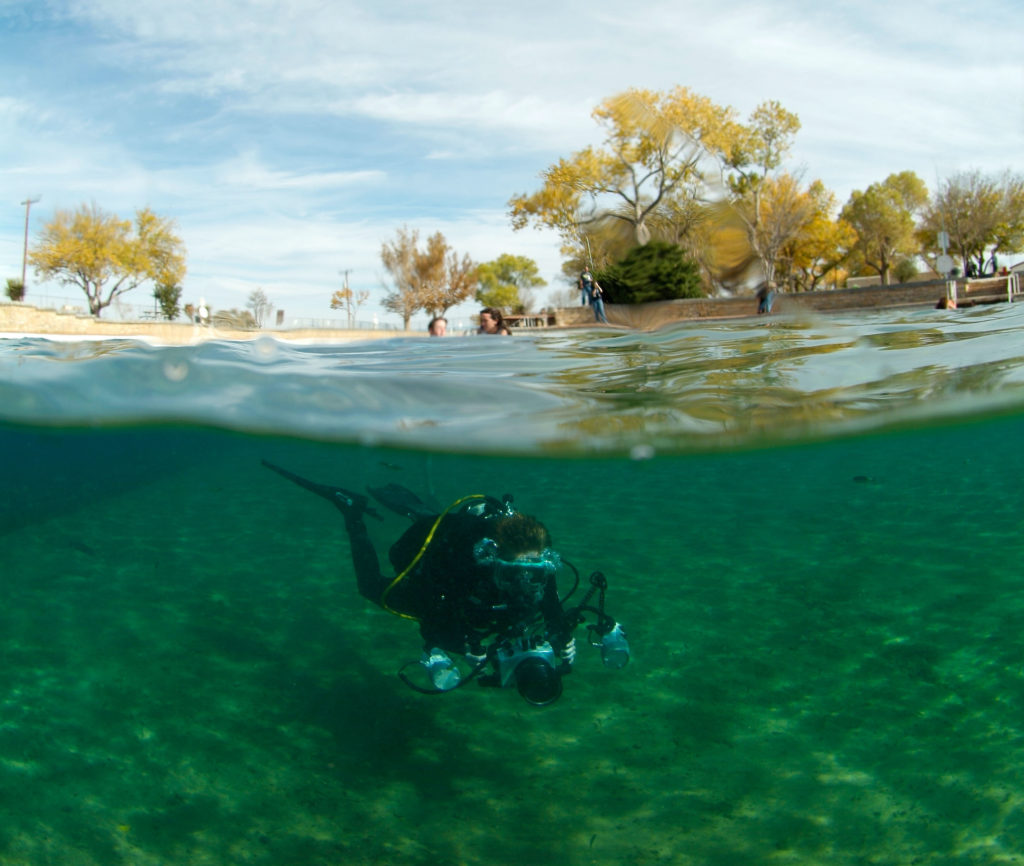
San Solomon Springs
In addition to incredible Gulf dives, Texas is home to a variety of unique freshwater scuba experiences. Few top San Solomon Springs, located in the middle of the West Texas desert at Balmorhea State Park. The natural spring creates an oasis that is home to a diversity of fish species, turtles, and other water-dwelling critters. Because it is fed by an underground natural spring, San Solomon is both crystal clear and enjoys a cool water temperature year-round.
Need to know: Divers must pay a $5 fee and meet the Texas Parks and Wildlife Department’s requirements before they go.
Seven and One Half Fathom Bank
Another great dive near South Padre Island is the Seven and One Half Fathom Bank, about 2 miles offshore. The dive is relatively shallow (the reef is about 24 feet beneath the water surface) but shifting currents can affect visibility. On a good day, divers can expect to see plentiful fish, as well as sponges, tube worms, mollusks, and crustaceans. There are also fossils hidden in the reefs.
Need to know: Finding a boat to ferry you to the site can be tricky if you don’t have your own. Summertime tends to offer the clearest conditions.
Valhalla Missile Silo
One of Texas’ coolest historic dives is located in Abilene, maybe not the first city that springs to mind when it comes to water sports. There you will find a former nuclear missile launch dating back to the 1960s that has been flooded with water. Adventurous divers plunge about 100 feet down into these dark, cold waters (about 58 degrees) for a unique view into a one-of-a-kind wreck dive.
Need to know: Dives are managed by the Family Scuba Center and last around 20 to 25 minutes.
Windy Point Park
This Lake Travis scuba dive spot serves as a training ground for local fire rescue divers, but it also features boat wrecks, underwater sculptures, and lots of aquatic life. One of Windy Point’s most popular features for advanced divers is an underwater canyon wall that drops 100 feet and offers plenty of hidden fissures and chasms to explore. If you want to explore the wall, be sure to bring your wetsuit — even in the hot summer, temperatures drop fast as you descend.
Need to know: The park has an on-site air-fill station, and a number of instructors teach dive classes at the site.
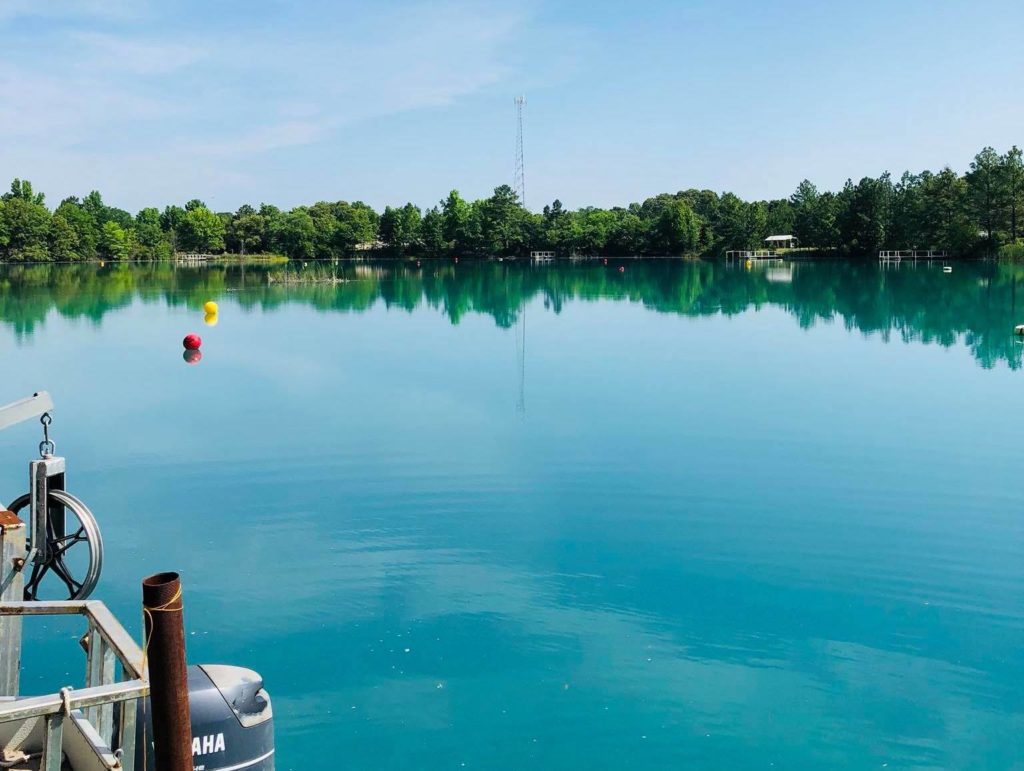
Athens Scuba Park
One of the best spots to learn how to scuba dive in Texas is the Athens Scuba Park. More than 35 wrecks — including an airplane — have been sunk into the 7-acre lake for divers to explore along with the lake’s abundant marine life. The park also hosts treasure hunts, night dives, and other fun activities.
Need to know: The park rents scuba gear and hosts training classes.
Embark on even more Texas adventures here.
© 2021 Texas Farm Bureau Insurance