Please sign in as a member or guest below to access it.
Please sign in as a member or guest below to access it.

No one gives you an instruction manual preparing you for a baby. But here’s a six-step guide to preparing your house.

Nobody gives you an instruction manual for having a baby. However, there are some simple babyproofing steps you can take to make your home safer for your new arrival.
Do you know if your house contains lead? What about a working smoke detector? You may need to consult with a certified inspector or risk assessor to determine whether your house is up to code and safe for children.
The American Academy of Pediatrics recommends that infants sleep in the same room as their parents for at least the first six months. Even when they move to the nursery, it’s important to keep their bed clear of any objects, which could become choking or suffocation hazards.
Modern-day gadgets often mean lots of cords, cables, and chargers strewn about. These can be tripping hazards and shock hazards when plugged in.
The stove is not the only place where a child can get burned. Your home is full of things that you understand but your baby doesn’t.
Just like burn risks, your swimming pool is not your only drowning concern, although it is a big one.
Alan Davidson, a Texas Farm Bureau Insurance Agent in Big Spring, reminds parents to add children to their policies once they are born. He also recommends a child term rider, which people can purchase even before they get pregnant.
“I personally have individual life insurance on my child, and it gave me great peace of mind,” Davidson says.
Becoming a new parent can be a scary experience. However, a little planning and readying your home for a new, very small, inhabitant will go a long way toward protecting that little one you love.
Coverage and discounts are subject to qualifications and policy terms and may vary by situation.

When You Should Start Planting Fall Vegetables
Brave the heat. “Fall you” will thank “today you” for it.
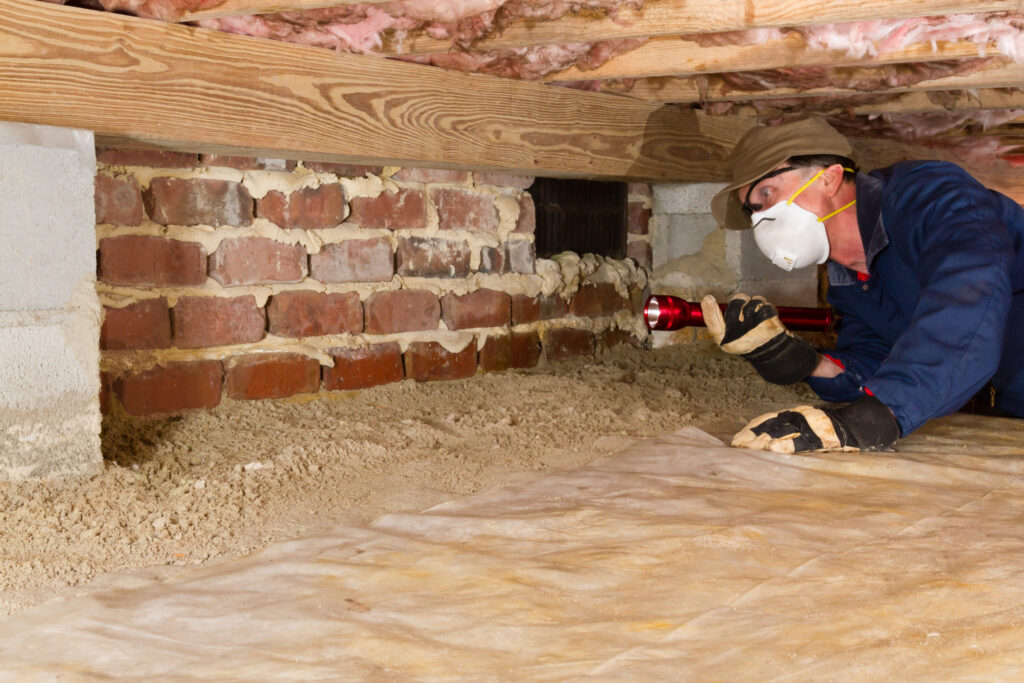
What to Know About Crawl Space Maintenance
What’s under your house?
How to (Properly) Use and Take Care of the Drains in Your Home
Here’s the dirt on drains.
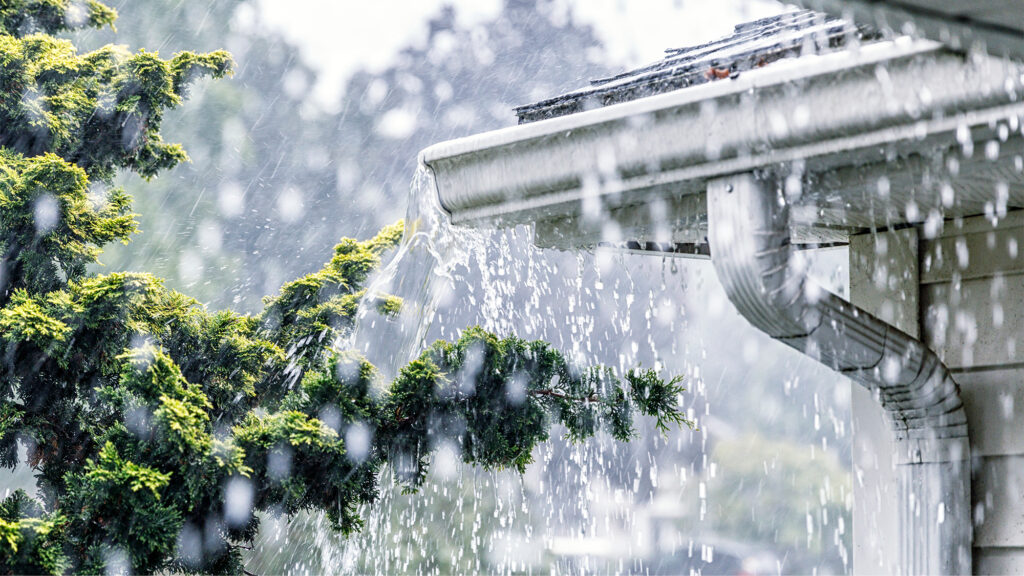
Water Drainage Essentials for Texas Homeowners
Rain, rain, go away (from your home’s foundation)!
Don’t dismiss the power of watering plants by hand.
Your Spring-Cleaning Maintenance Checklist
While tidying your home, consider these smart ways to protect your property inside and out.