Please sign in as a member or guest below to access it.
Please sign in as a member or guest below to access it.

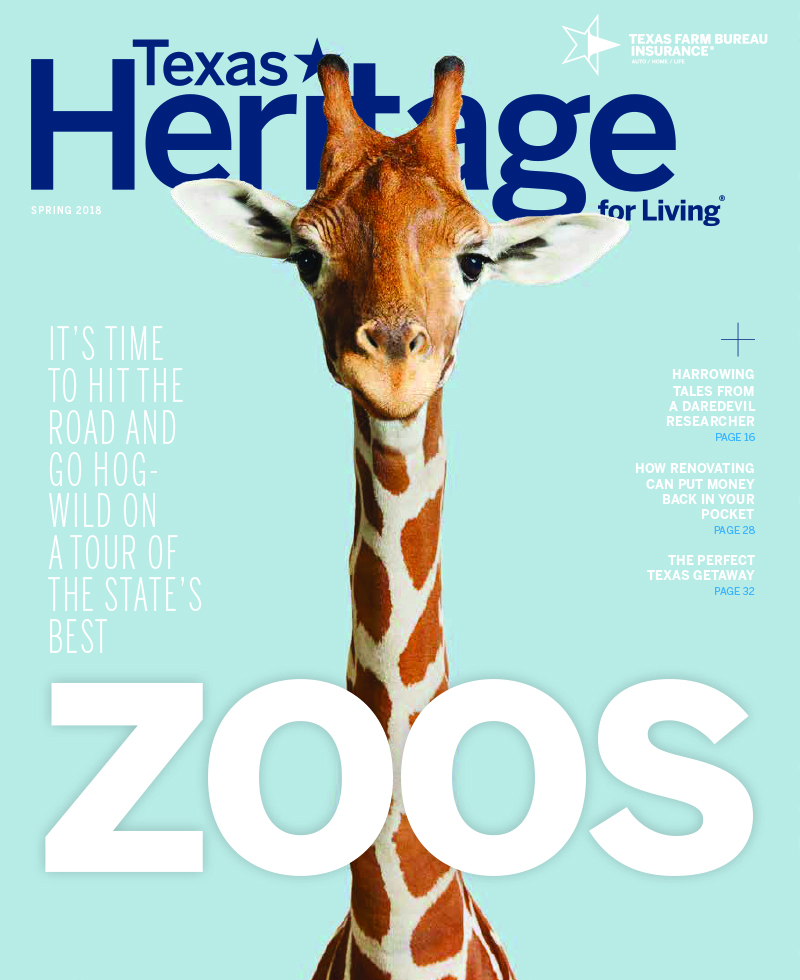
It’s time to hit the road and go hog-wild on a tour of the state’s best zoos.
There are few things people around the world enjoy more than a day at the zoo. According to the Association of Zoos & Aquariums, 183 million people visit one of the organization’s accredited facilities every year. But perhaps the best indicator of zoos’ popularity is the impact they have on the imagination. If it wasn’t for the Canadian black bear that somehow ended up in the London Zoo, there would be no Winnie-the-Pooh. Had it not been for the hyenas, orangutans, zebras, and tigers at India’s Trivandrum Zoo, Yann Martel may not have been inspired to write his Man Booker Prize-winning novel Life of Pi.
Especially for people who live in urban places, zoos are the setting where children may first encounter the wonders of the natural world. In recent decades, zoos have also become important players in promoting science and nature education, and expanding awareness and sensitivity around the need to protect our planet and the many creatures and critters who share it with us.
Texas is lucky to be the home of some of the country’s best zoos. In addition to being fun places to spend a day with the family, many of these zoos are vital education and research centers. Each zoo has its own flavor and character. Here are 10 of the best Texas has to offer.
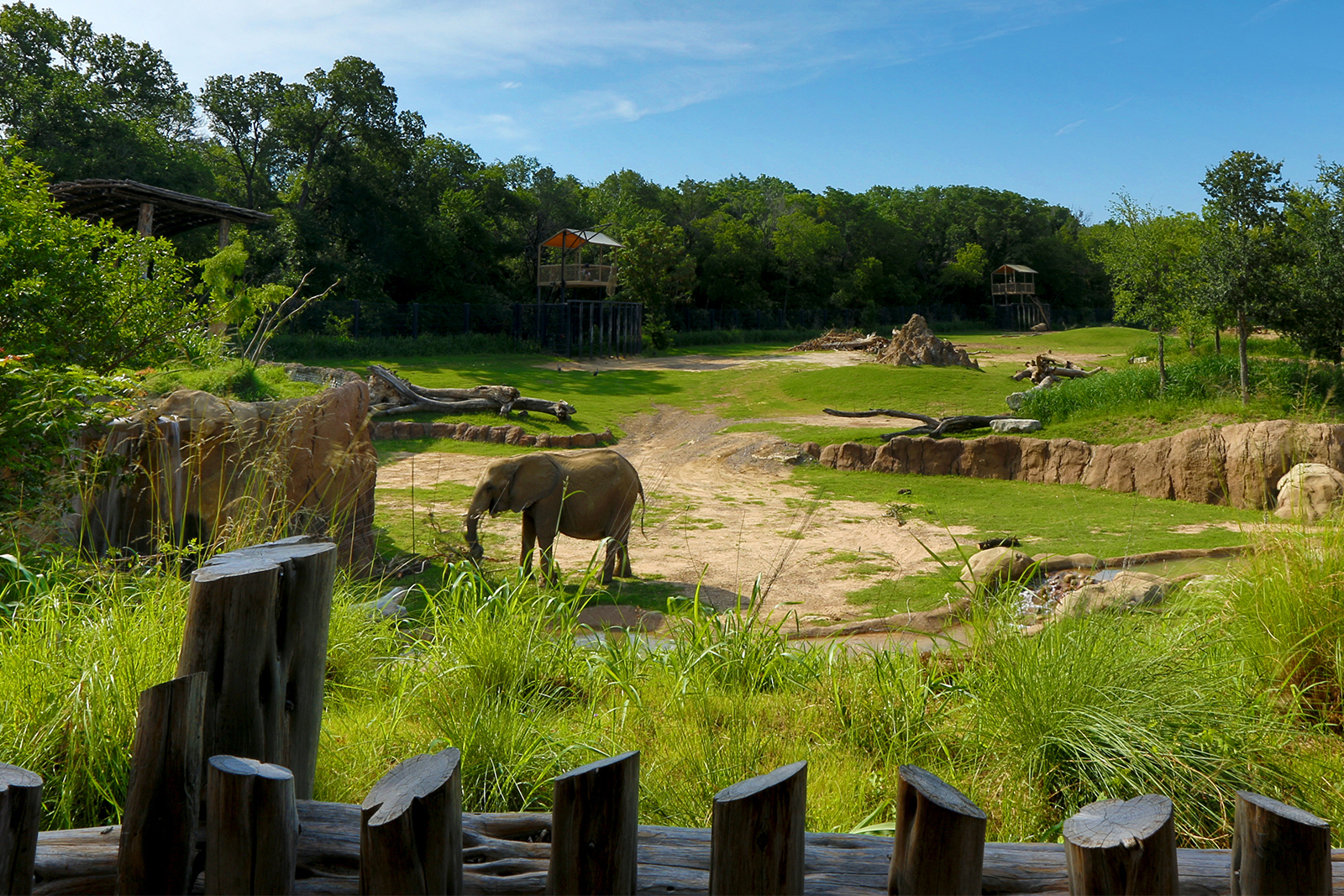
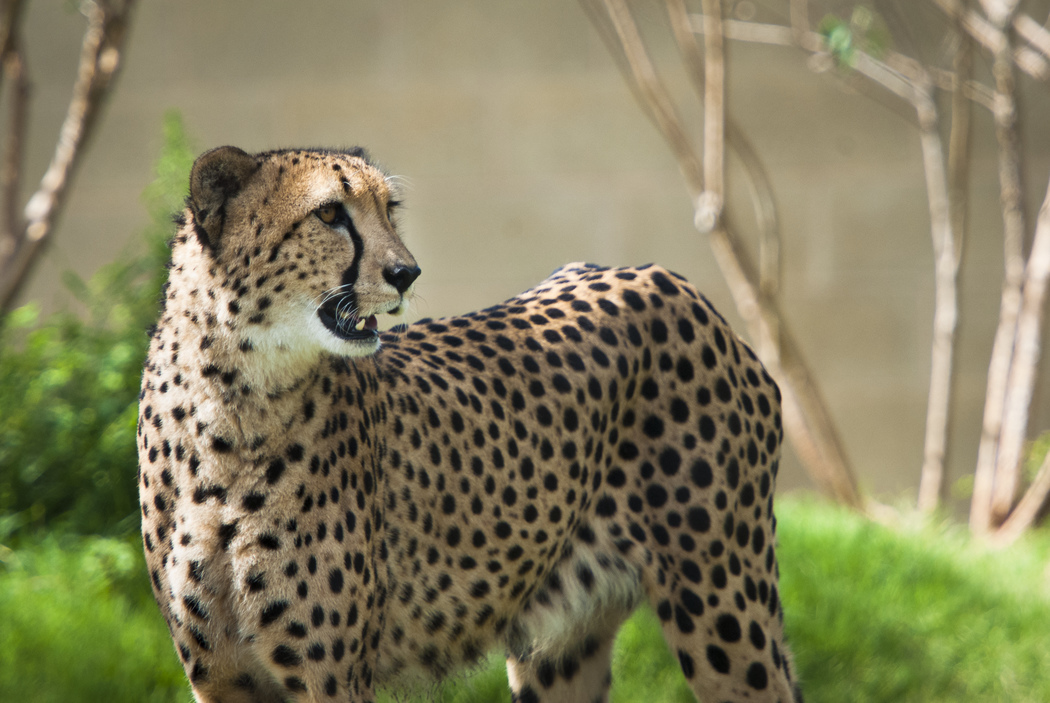
The largest zoo in Texas boasts a gorilla sanctuary, a monorail through exhibits of Asian species, and a refurbished Africa exhibit complete with elephants, lions, and giraffes — which you even get to feed. Don’t miss the brand-new hippo outpost or educational programming inspired by the zoo’s collaborations with groups leading cheetah, gorilla, giraffe, and okapi research.
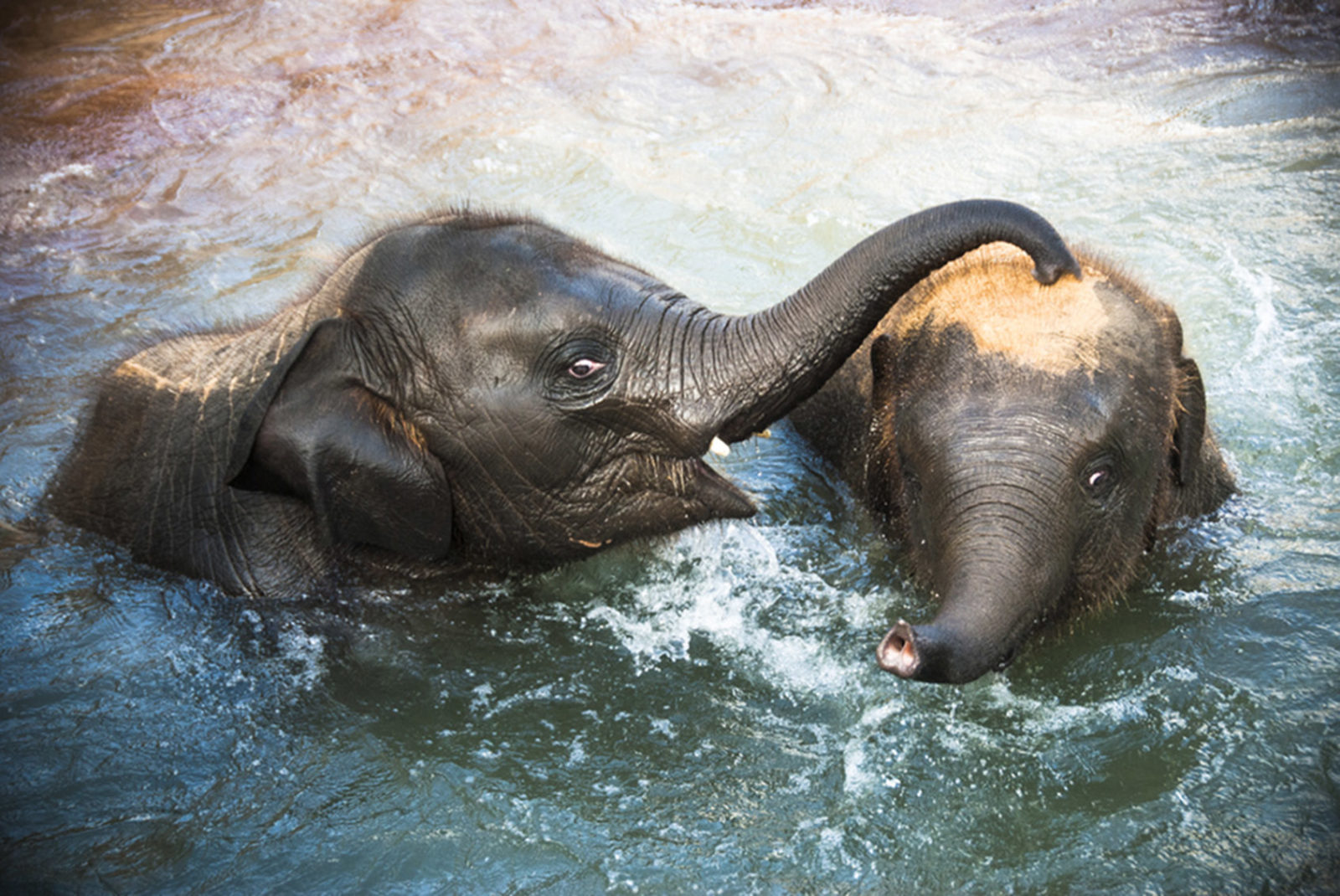
The well-loved Cowtown zoo recently launched a $100 million campaign to expand and renovate exhibit space with an eye on making the zoo experience more “wild.” That will only enhance visitors’ experience of the zoo’s popular highlights, like new baby elephants and gorillas.
Waco’s oft-overlooked treasure is a 52-acre zoological park located on the banks of the Brazos River. Popular attractions include Gibbon Island, a bald eagle habitat, and Galápagos tortoises. But the big show here is the interactive Brazos River Country exhibit, which teaches visitors about the river’s role in the history of the Spanish exploration of Texas and the state’s fascinating, diverse ecology.
The Austin Zoo began in the early 1990s as a goat ranch that took in abandoned goats, pigs, fallow deer, donkeys, and ponies. That mission of rescue and rehabilitation continues today as the zoo takes in animals that are aged, have health issues, have suffered animal cruelty, or are retired laboratory research animals. The zoo’s 300 animals, representing 100 species, live in a lush and beautiful Hill Country setting.
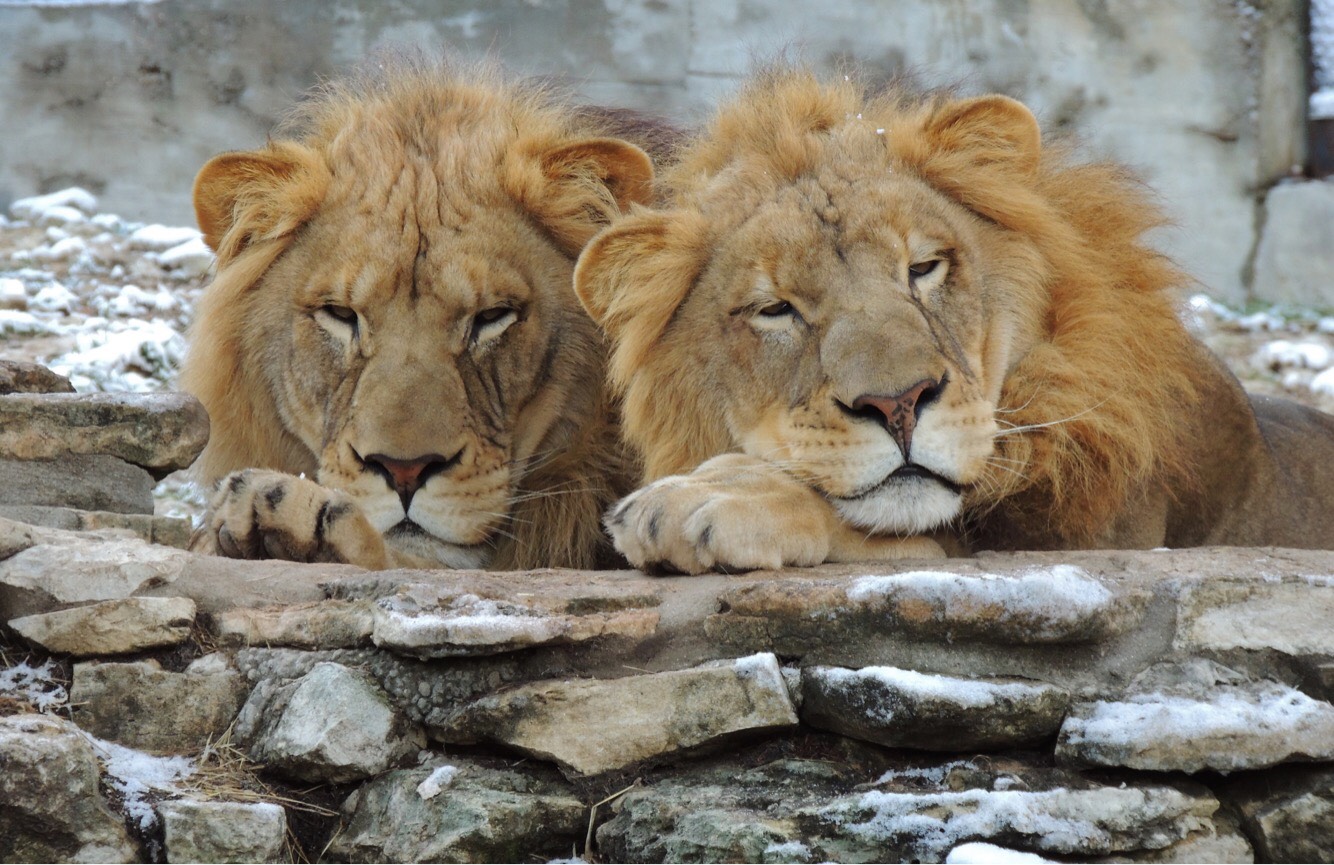
Located in Hermann Park, adjacent to Houston’s Museum District, this zoo lets you get close with the animals. Wander the African forest and Hoofed Run, and get to know the tamarins, otters, meerkats, fruit bats, and saki monkeys in the Natural Encounters exhibit.
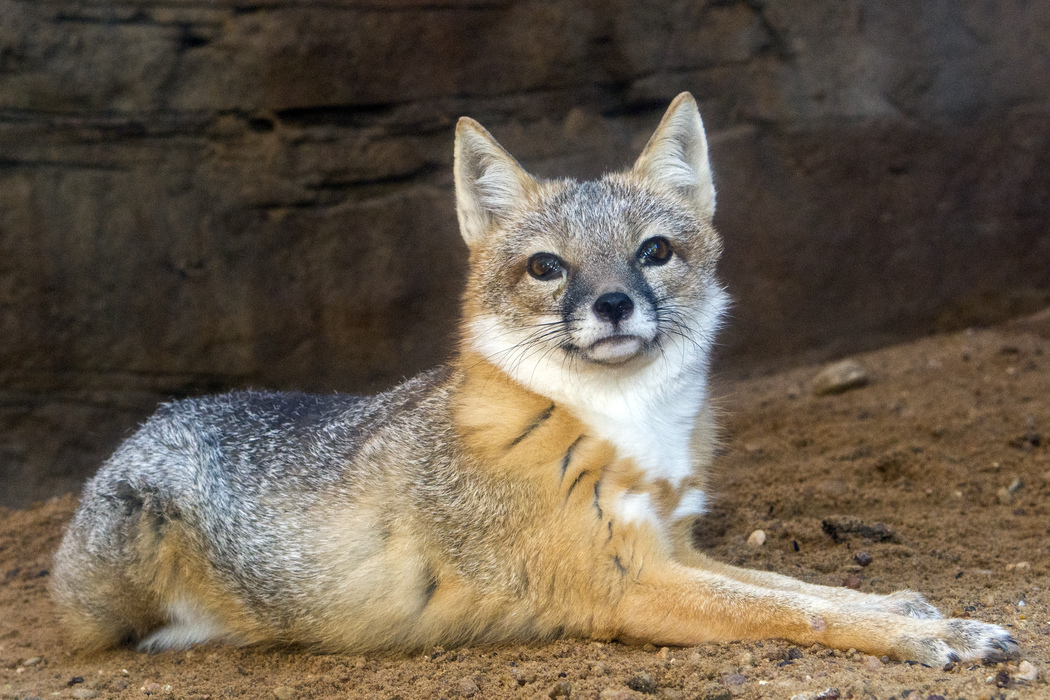
The Tyler zoo that began humbly as a menagerie of parrots, monkeys, and squirrels at a play school has evolved into a fabulous 85-acre zoo with immersive African Savanna, African Aquarium, North America, and South America exhibits. Don’t miss the Wild Bird Walkabout, a free-flight aviary where you can interact with 600 birds.
This little Brownsville zoo punches above its weight. In addition to a great aquatic exhibit and a renowned herpetarium, a wide diversity of zoographical areas are accessible in a short, three-quarters-of-a-mile loop. It is the first zoo to have successfully bred the vulnerable Jentink’s duiker and serves as the principal wildlife rehabilitation center for the Rio Grande Valley.
The El Paso Zoo’s early work with endangered Amur leopards, Aruba rattlesnakes, and Mexican gray wolves has helped preserve those species. Today, you can enjoy encounters with 220 other species at the zoo, including newly added lions, zebras, and giraffes.
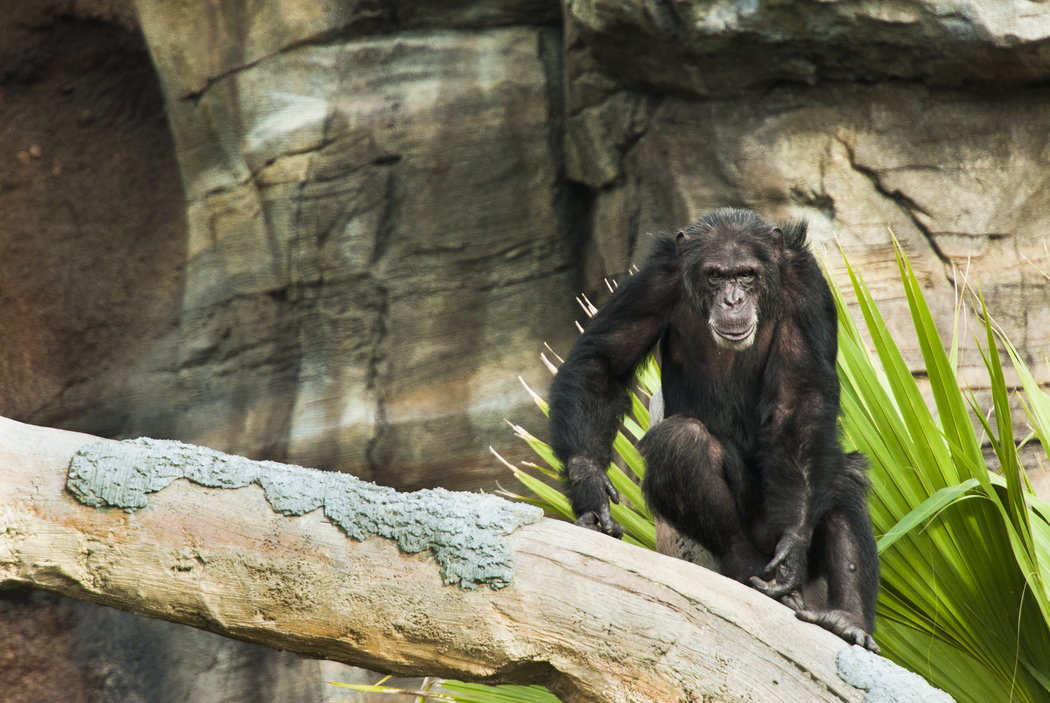
Texas enjoys a handful of safari-style animal parks, which allow visitors to tool around in their own cars and watch as wildlife try to poke their heads through the windows. Few are more charming than Johnson City’s Exotic Resort Zoo, a project of passion from a couple who has gathered 700 animals of more than 45 species onto a scenic Hill Country ranch. Stay overnight in the safari cabins!
The giraffe, one of the most beloved creatures on the planet and a perennial zoo favorite, has quietly declined in population over the course of a half-decade and is now a severely endangered species. This crisis helps fuel the passion behind the Abilene Zoo’s work with breeding and raising giraffes, work the zoo began back in 1968.
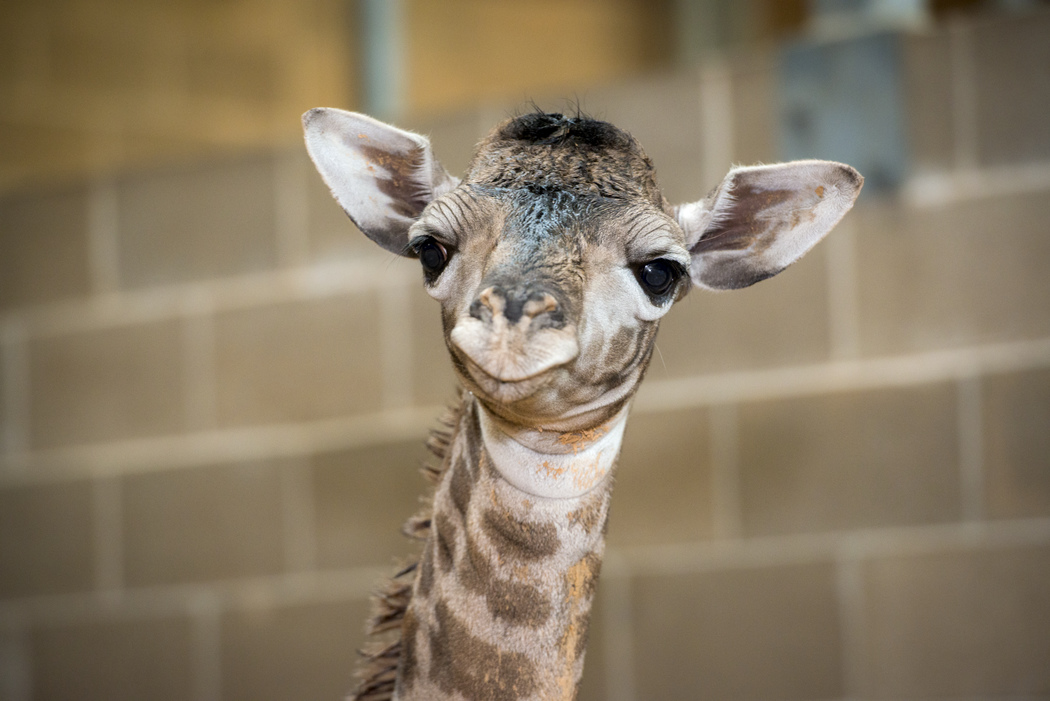
The Third Coast boasts some of the best aquariums in the country. A survey of Texas’ zoological offerings would be incomplete without hitting these spots.
Specializing in Caribbean aquatic life, the Corpus Christi aquarium inspires the imagination with vibrant exhibits of dolphins and sharks, as well as a nursery that presents fish in various phases of the life cycle.
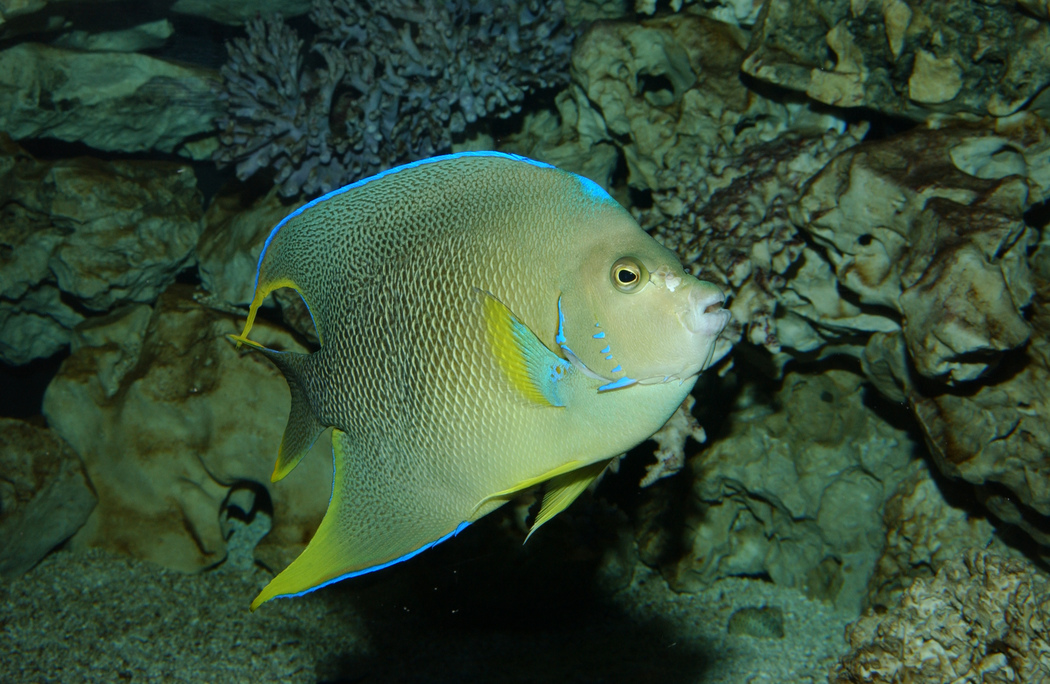
There is perhaps no better place in the state to learn about the wonderful wildlife of the sea and coastline than this Port Aransas-based institute that began offering marine science public education programming more than 30 years ago. Explore and learn about the critters that live in the wetlands, estuaries, and bay ecosystems that neighbor the institute.
Meet one of the Dallas Zoo’s favorite zookeepers.

How to Throw a Texas State Fair at Home
These recipes and activities will bring the Fair home
Where Texas Ends: How Texas Borders Help Define Our Culture
Ever wonder why Texas has a Panhandle? How Cajuns ended up in the Golden Triangle? Where you can taste the only authentic barbacoa?
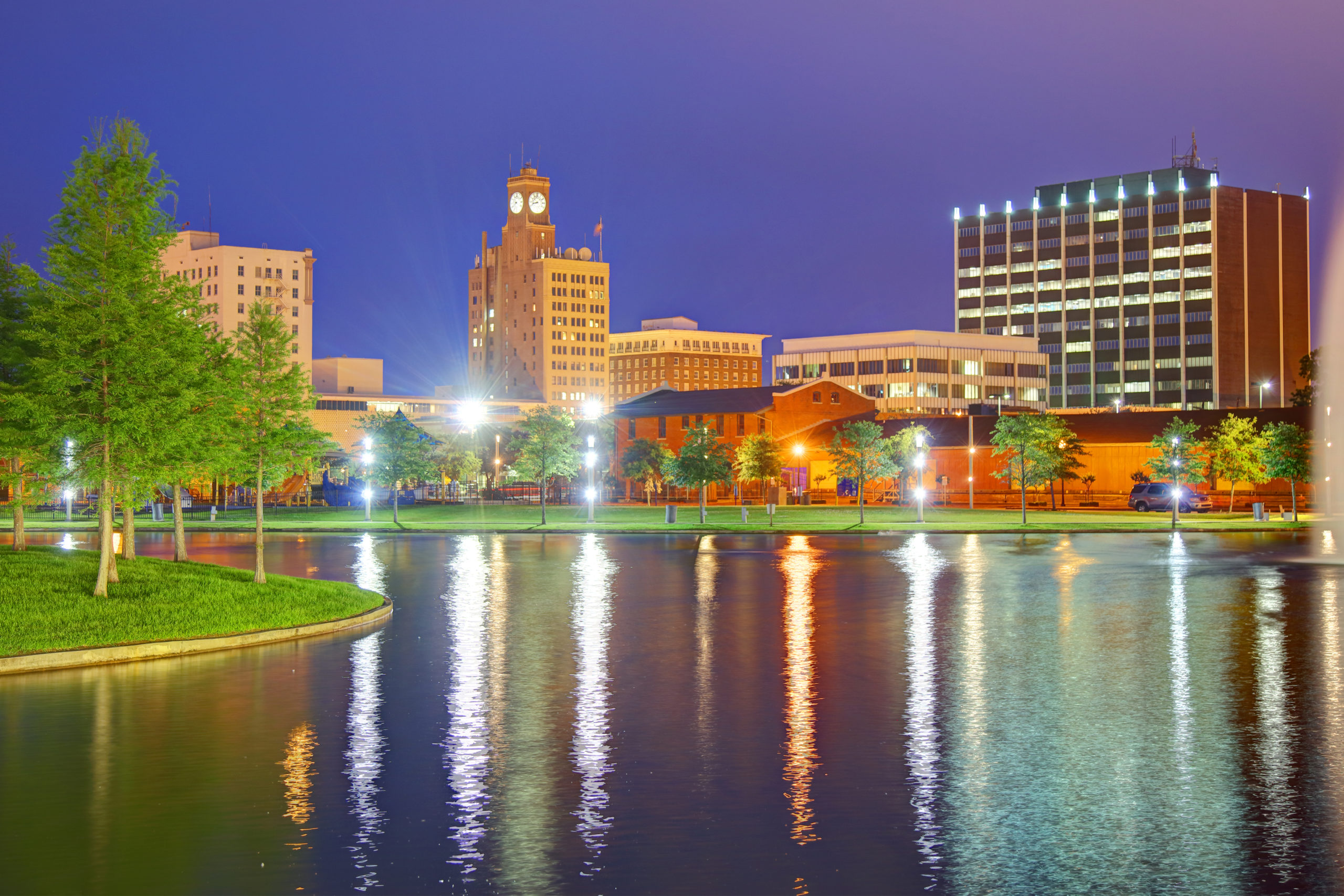
The birthplace of the Texas oil boom yesterday, a Creole cuisine boom today.
Decorate with gourds, go apple-picking, visit pumpkin patches, watch a fall movie, can your produce, and celebrate Oktoberfest with our fall bucket list.
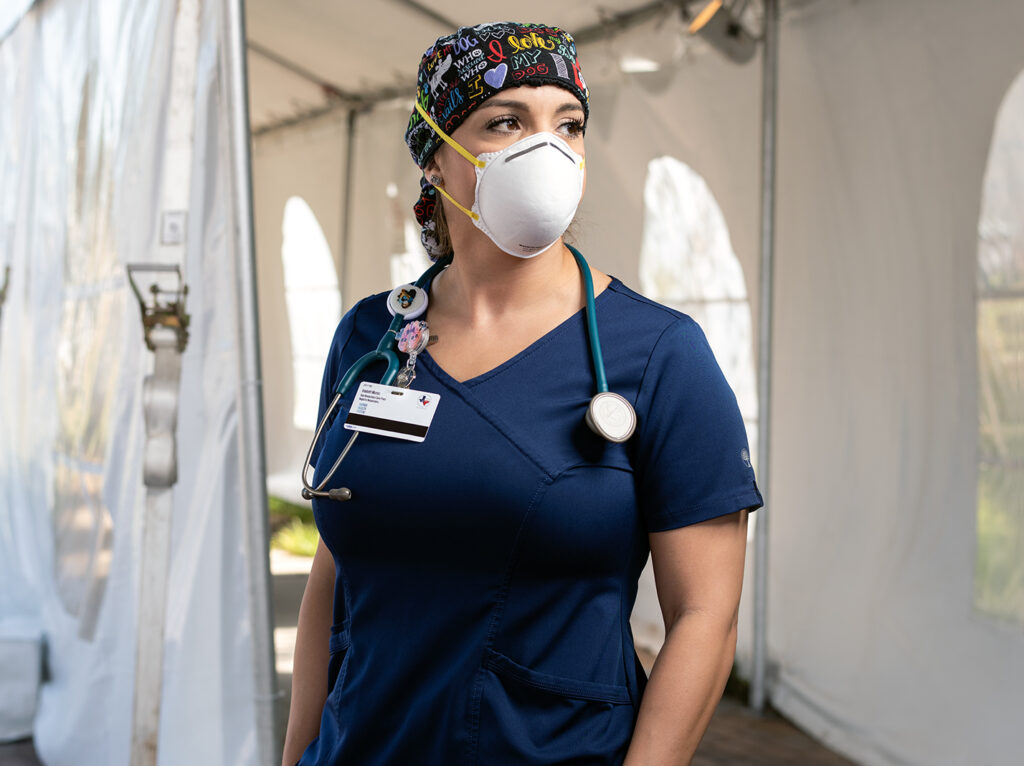
Our First Responders: Brigette Munoz
Brigette Munoz wasn’t used to people knowing much about her job, until it suddenly became one of the most important and most headlined jobs in the world. As a respiratory therapist, she assists in intubating patients, giving them breathing treatments, and getting them on life-saving devices. Lungs have been her expertise for the past 11 […]
Regional Guide to Texas Barbecue
Plus all the places you need to eat it.