Please sign in as a member or guest below to access it.
Please sign in as a member or guest below to access it.

It’s every kid’s dream —and every dad’s dream project.
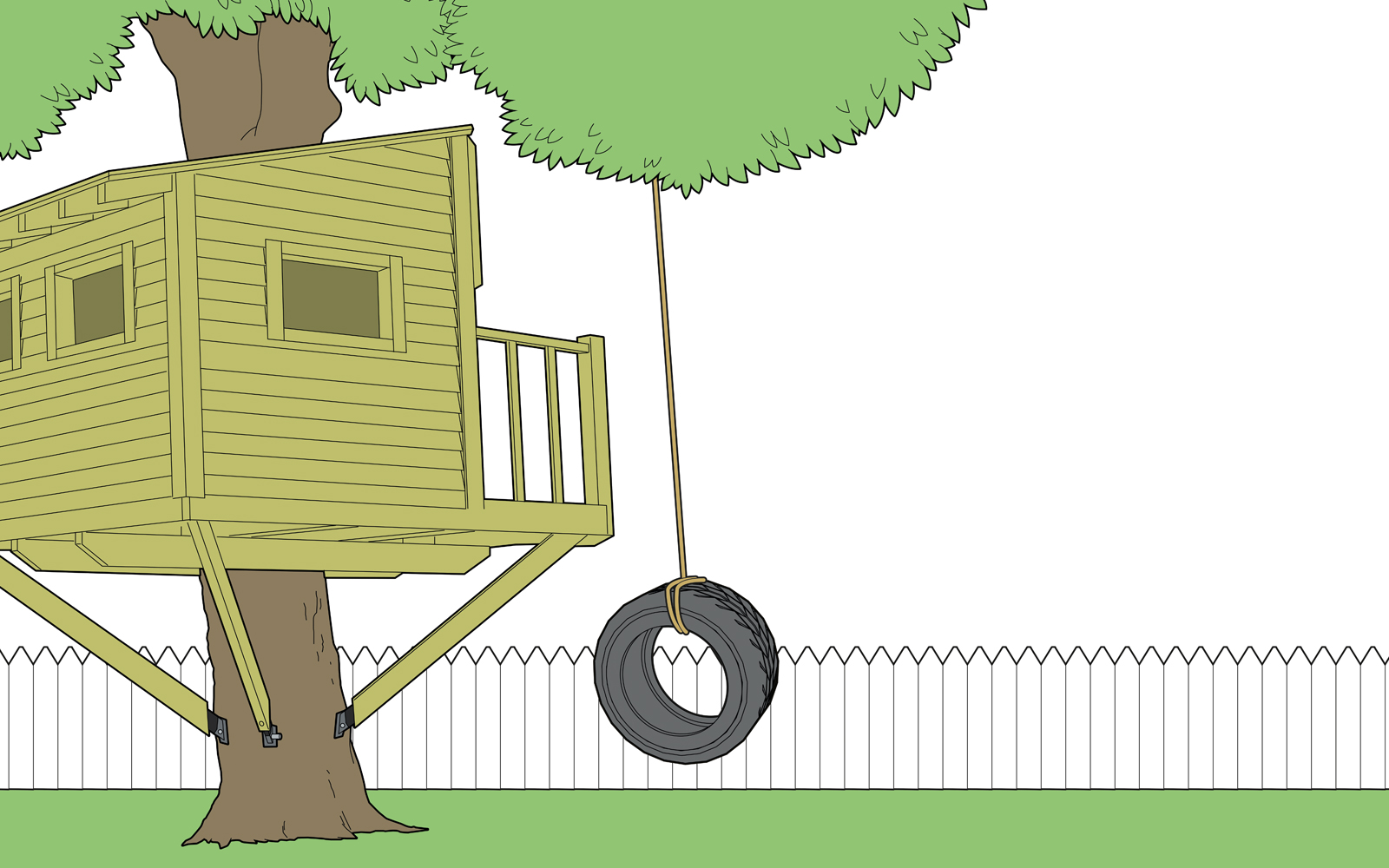
A tree house is every child’s dream — a home away from home, a secret hideout, a base of operations for mischief and imagination. And, let’s be honest, for weekend-warrior dads with a garage full of power tools, it’s the ultimate project. If you’re ready to take on this lofty project, here’s how to get your kids their dream castle in the air.
Designing a stable palace or fortress requires a sturdy hardwood tree, like maple, oak, fir, beech, or hemlock, to support the structure. A cropping of two or more trees may be ideal to distribute the weight of the structure. If you are building on a single tree, try to find one with a V-shaped trunk, which will help balance the tree house’s center of gravity and reduce strain on the tree.
Remember, trees are living things. Just as your kids will eventually outgrow the tree house, the tree will continue to grow during the life of their floating playhouse. Your design should leave space for the tree’s trunks and branches to grow.
As you exercise your secret inner architect, think about the different approaches you could take. There are several great resources online that offer building plans. But at the end of the day, this is your tree house, so make sure it reflects your family’s style and imagination.
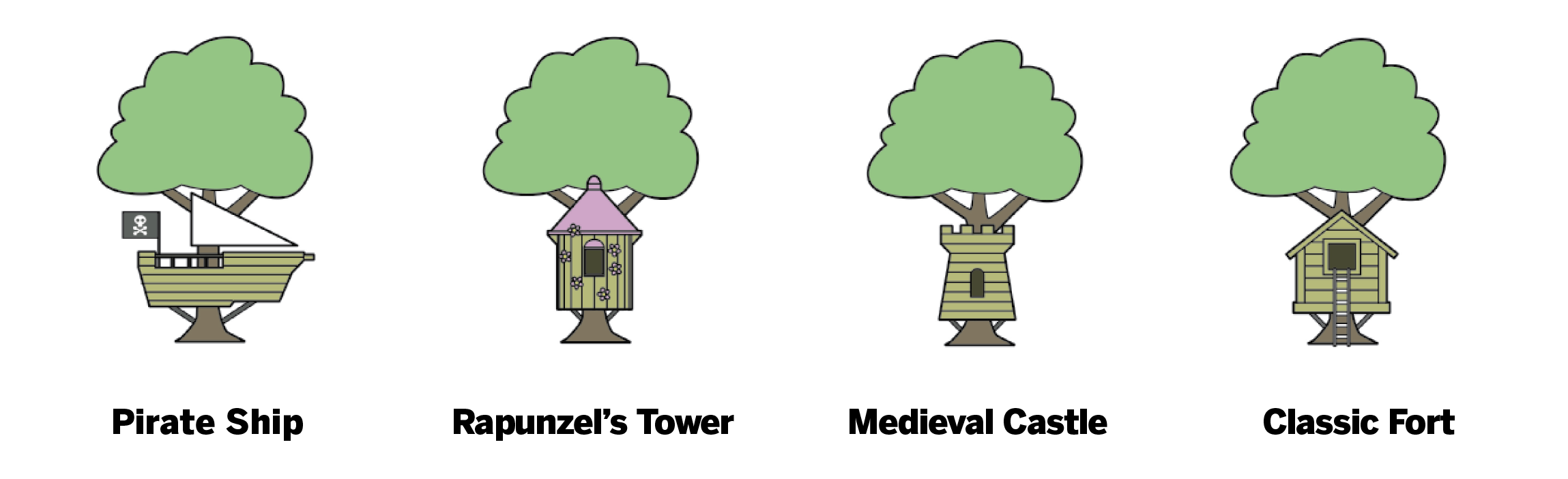
To make sure your tree house is safe and legal, research local ordinances and call a safety inspector out to your property to review your plans and site. According to Luis Villarreal, a Texas Farm Bureau Insurance Agent in Plano, these are four things you should know about insuring your tree house.
Looking for more projects with the kiddos? Try growing a family garden.
Coverage and discounts are subject to qualifications and policy terms and may vary by situation.
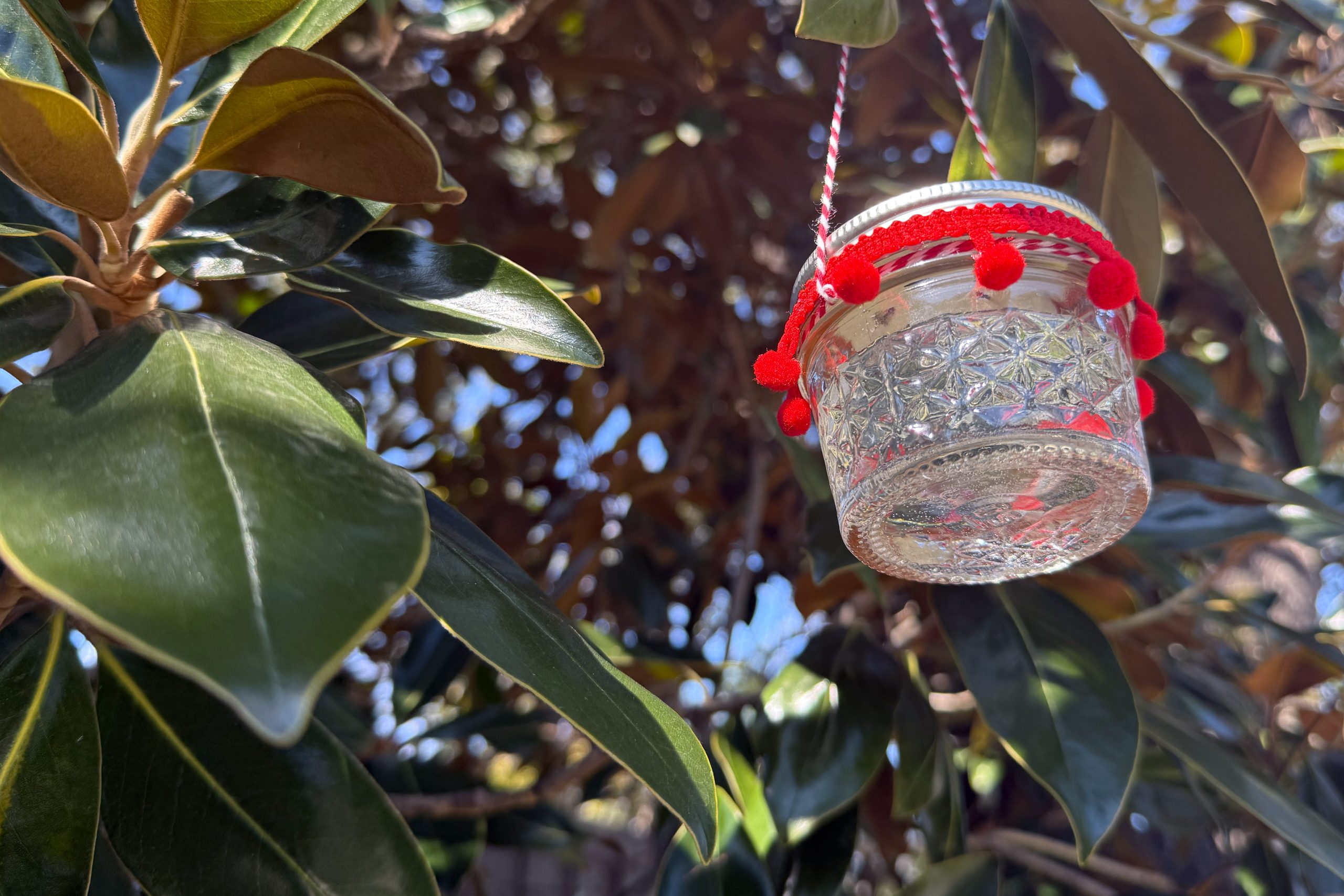
Here birdy, birdy, birdy.
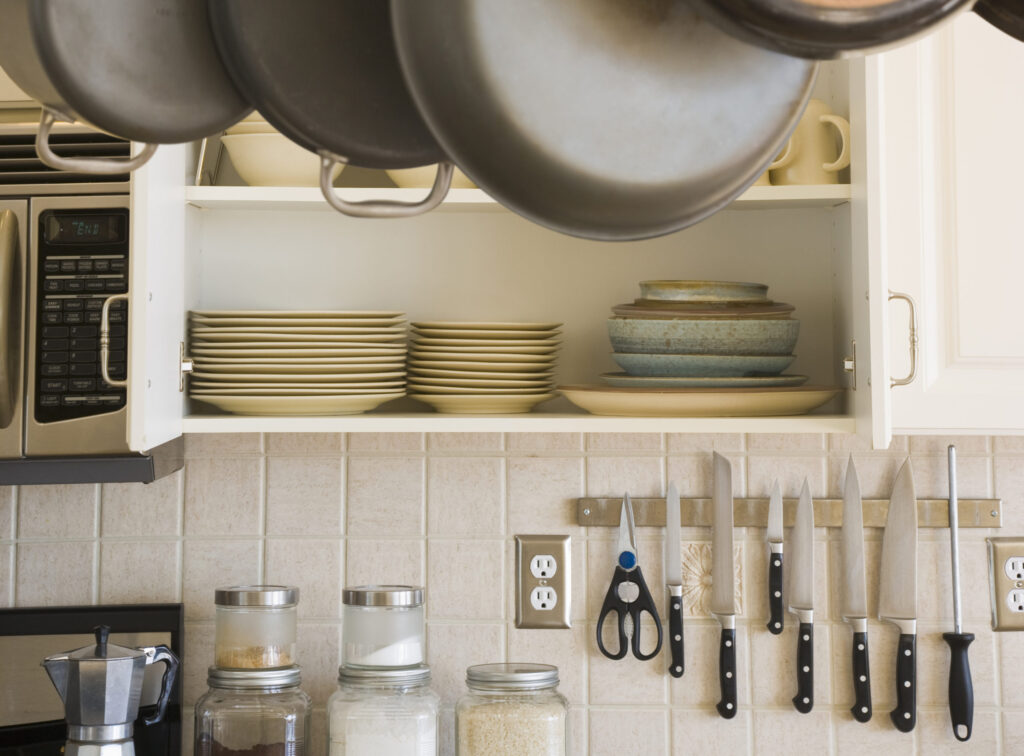
9 Convenient Kitchen Storage Hacks
Hacks and tips for an organized kitchen, from fruit bowls to freezers.

10 Texas Wildflowers and Where to Find Them
We love bluebonnets as much as any Texan, but they’re only the surface.
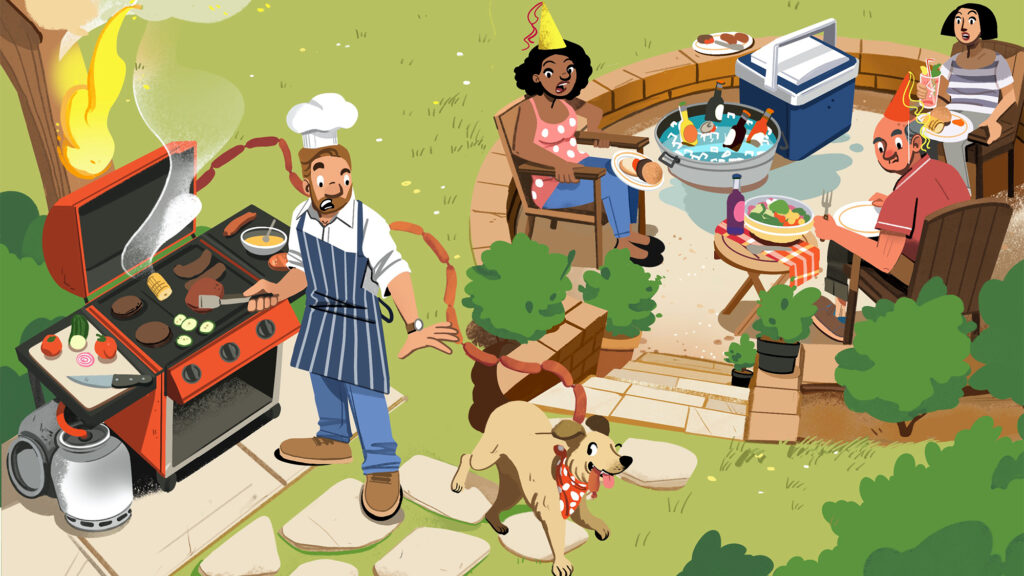
Practical tips for pools, grills, and trampolines.
How to Deck the Halls Without Killing Your Lawn
Protect your garden from your own yuletide enthusiasm.
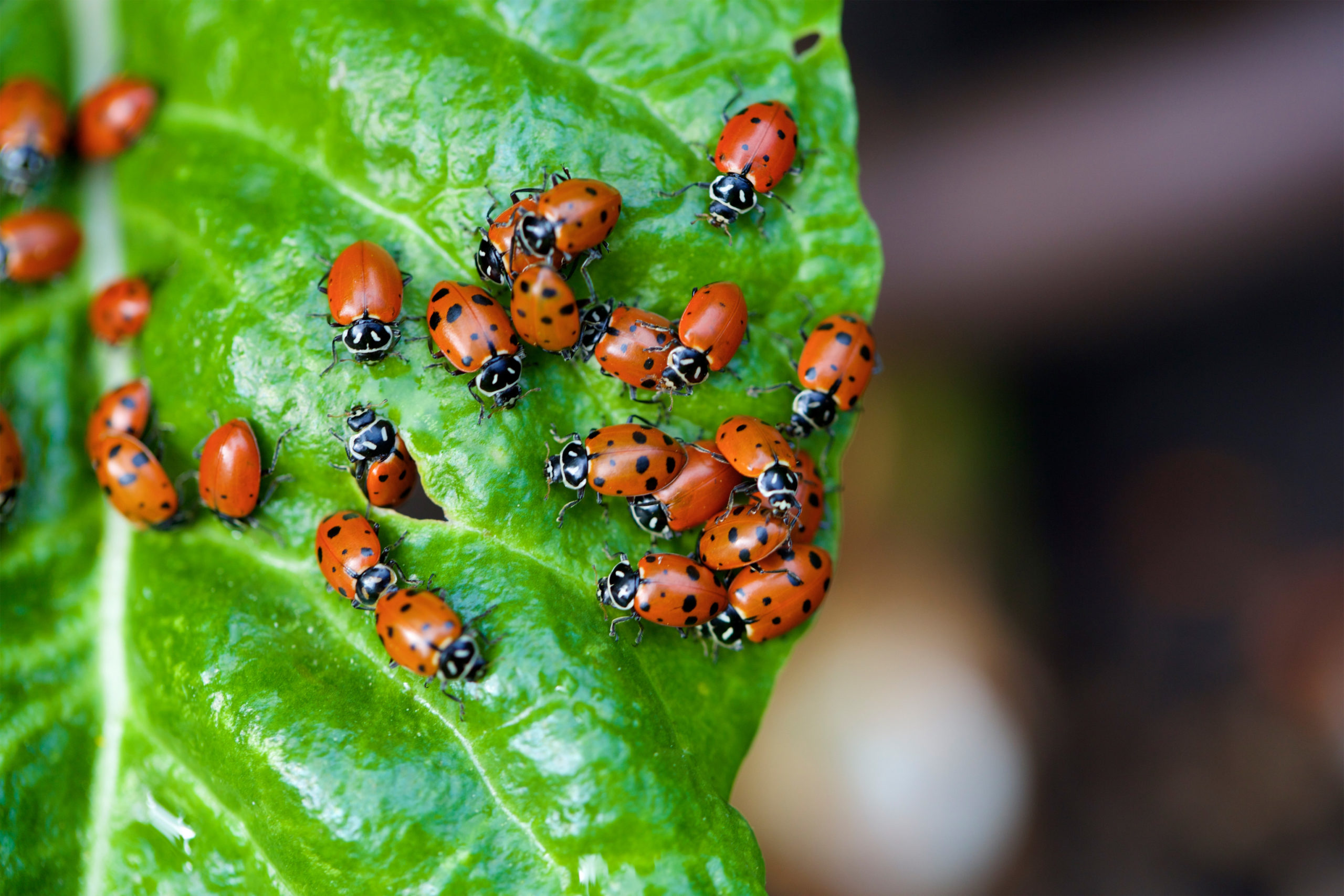
Friend or Foe: Which Critters Are Actually Dangerous to Your Home?
Friend or foe? Find out here.