Please sign in as a member or guest below to access it.
Please sign in as a member or guest below to access it.

Say hello to Texas’ prettiest pollinators.
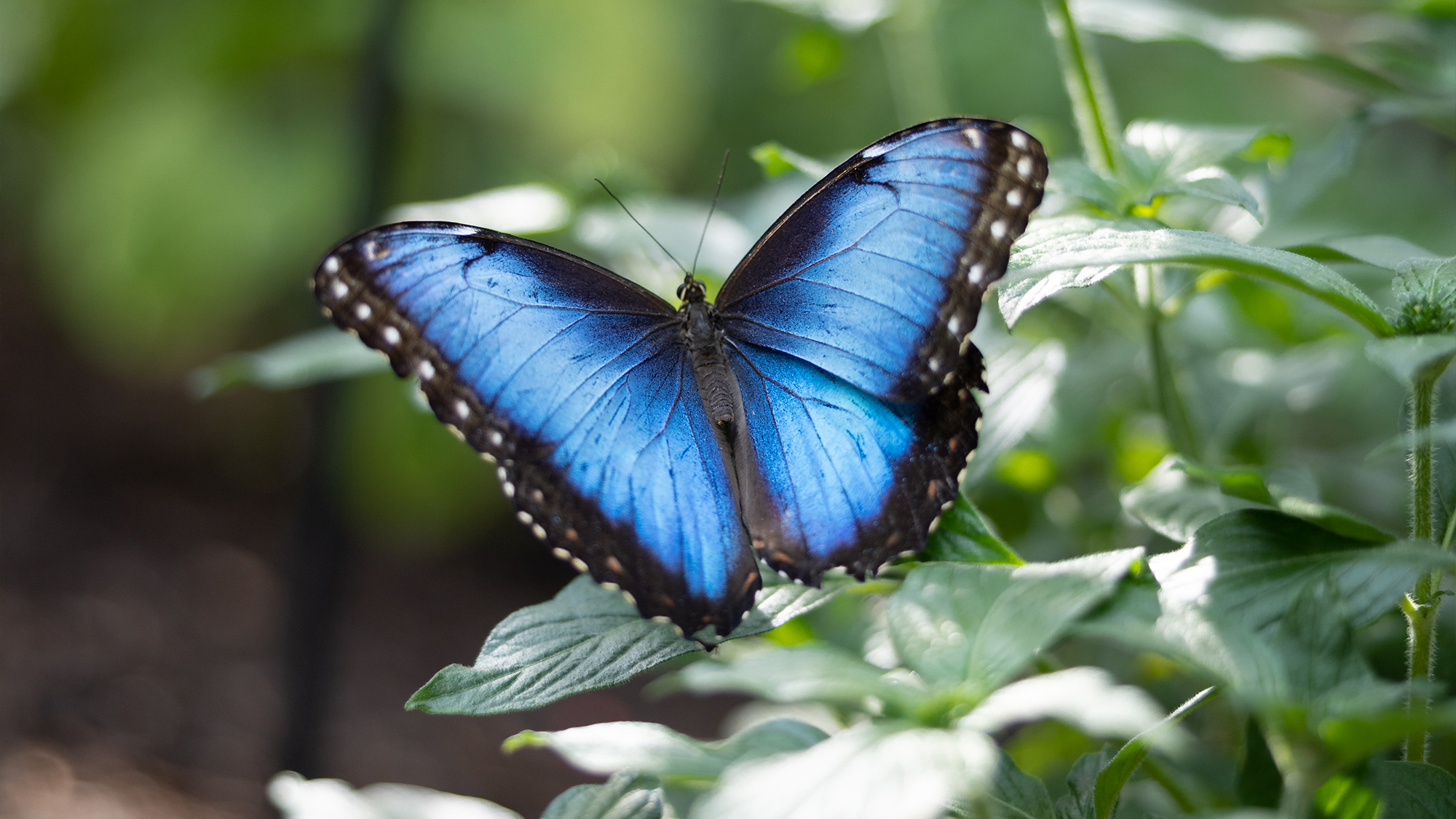
If butterflies set your heart aflutter, you’re in the right place: Texas is butterfly country. The monarch butterfly is our state insect, but it’s far from the only winged beauty worth watching here. Thanks to Texas’ remarkable range of habitats — lush forests in the east, arid deserts in the west, flower-filled prairies in the north, and subtropical scrublands in the south — more than 442 butterfly species have been recorded here, more than in any other state.
Across Texas, butterfly conservatories, nature centers, and gardens give visitors a closer look at these important pollinators and the native plants that help them thrive. Visit one this summer for an outing that feels equal parts whimsical and serene.
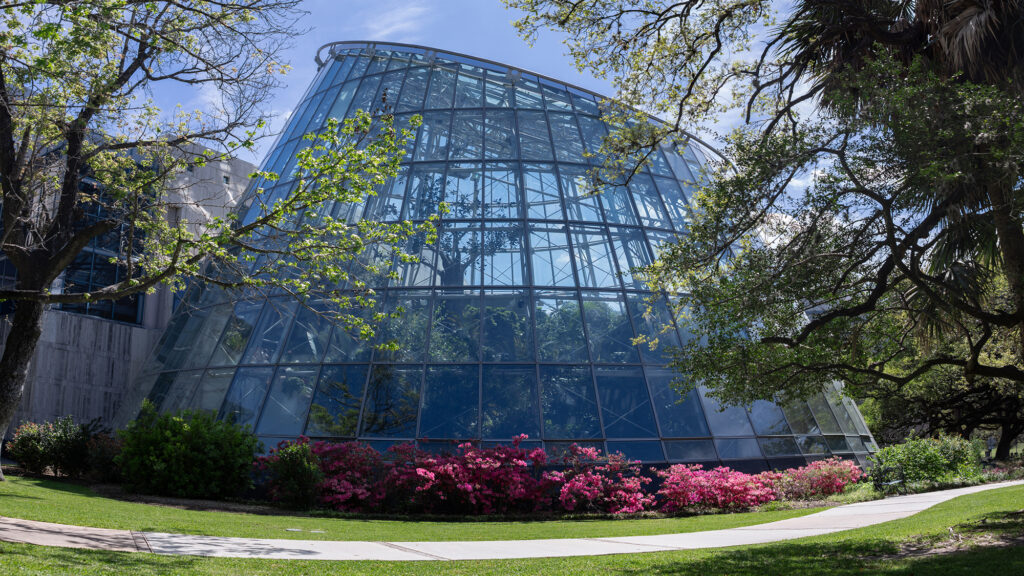
This is one of Texas’ most dramatic butterfly attractions, with a three-story glass rainforest, a 50-foot waterfall, and about 1,500 live butterflies. Its unique draw is scale and immersion; it feels like stepping into a tropical ecosystem. Notable add-on experiences include the Cockrell Butterfly Center’s Flight School, where you can learn how to release butterflies into the rainforest safely, and the Brown Hall of Entomology, where you can take a closer look at beautiful and bizarre insects alike.
If you’ve ever dreamed of planting your own butterfly garden, the Native Texas Butterfly House and Garden is full of inspiration and resources to help you get started. This garden focuses exclusively on native butterfly species and the plants that support them, from the host plants caterpillars need to the nectar-rich flowers that fuel adult butterflies.
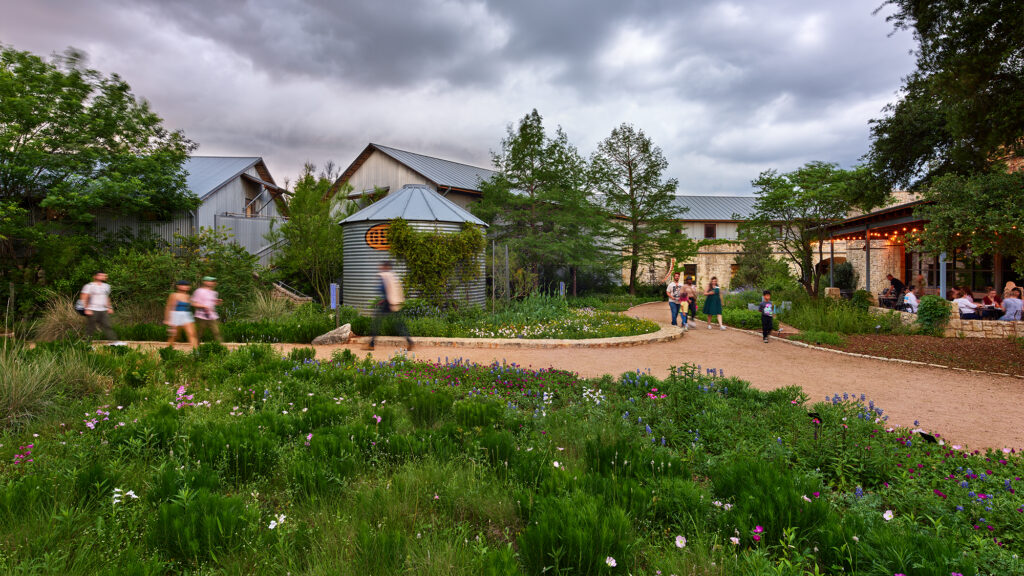
The Lady Bird Johnson Wildflower Center is one of Central Texas’ best places to appreciate butterflies in their natural environment. Built around native Texas plants and pollinator habitats, the center offers a deeper look at the blooms, grasses, and host plants butterflies depend on. Sign up for a class (garden design, watercolors, photography, etc.) or simply wander the grounds at your own pace and see what flutters by.
More than 300 butterfly species have been recorded in the Lower Rio Grande Valley alone, making it one of the most butterfly-rich regions in the country — and an ideal home for the North American Butterfly Association’s National Butterfly Center. Spread across 100 acres, the center features native plant gardens, trails, educational exhibits, and wild and cultivated spaces designed to deepen visitors’ appreciation for butterflies and the habitats that sustain them. Start at the Visitor’s Pavilion, then wander the gardens to see how nectar plants, host plants, and thoughtful conservation come together to support these delicate pollinators for generations to come.
Nestled inside historic Fair Park, Texas Discovery Gardens is a magical place for visitors of all ages. Outside, you can stroll through the 7.5-acre organically maintained garden to spot native butterflies among pollinator-friendly plants. The crown jewel of this tranquil destination is the two-story Rosine Smith Sammons Butterfly House and Insectarium, a year-round, climate-controlled tropical habitat filled with hundreds of exotic butterflies. Don’t miss the emergence chamber — a glass enclosure where visitors can study butterfly chrysalises and moth cocoons up close.
Tucked inside Zilker Park near downtown Austin, Zilker Botanical Garden offers a peaceful break from the bustle of the city. Rather than an enclosed exotic butterfly habitat, its Butterfly Trail keeps the focus local, with an open-air garden designed to attract native butterflies and pollinators. Nectar-rich blooms provide food for adult butterflies, while colorful host plants support hungry caterpillars as they grow.
Inspired to welcome more butterflies to your home? Build a pollinator-friendly container garden for your backyard, patio, or balcony — it’s easier than you might think.
7 Homemade Holiday Crafts and Decorations
Add some holiday cheer to your home with handmade ornaments, candles, and snow globes.
Guide to Kids’ Birthday Parties
Prep tips for parents.
Top 5 Destinations for Sailing the Texas Gulf Coast
From birding meccas to laid-back anchorages.

A Guide to Going Back to School After a Year at Home
This will be a school year unlike any other. Plan ahead.
A Few of the Best Texas City Slogans
Did we miss your favorite?
St. Patrick’s Day Crafts for Little Leprechauns
Shamrocks, rainbows, and pots o’ gold!