Please sign in as a member or guest below to access it.
Please sign in as a member or guest below to access it.

No master chef's or culinary newbie's kitchen is complete without a cast-iron skillet.
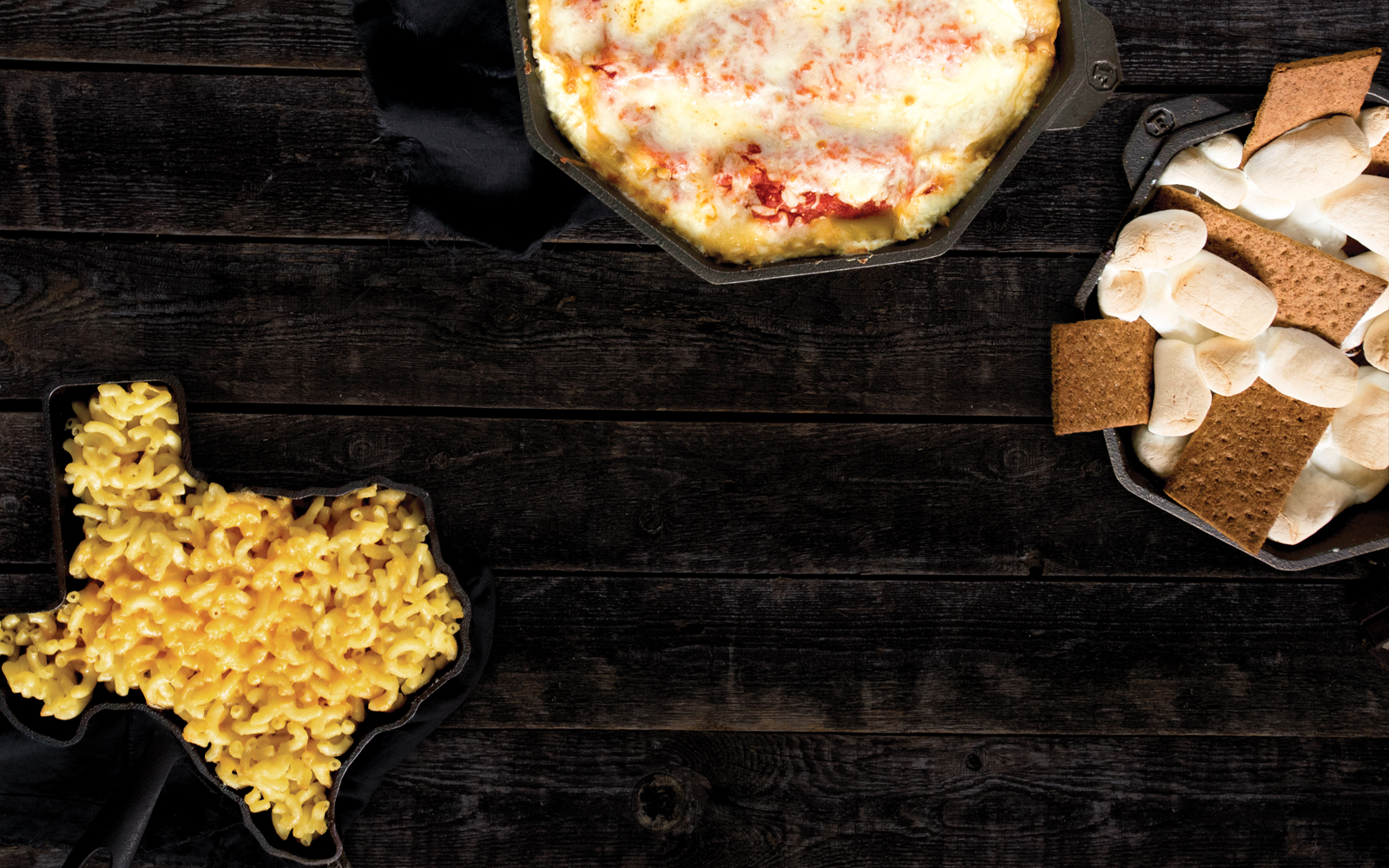
What do cornbread, s’mores, lasagna, and oatmeal all have in common? You can (and should!) cook all of them in a cast-iron skillet. This affordable, durable tool is ideal for culinary newbies — and it stands up to the most rigorous cooking standards. It can travel directly between stovetop and oven, and, if properly cared for, keep cooking flawlessly for decades.
Cast-iron cookware first surfaced in China thousands of years ago. Casting techniques spread to Europe in the 16th century and quickly became a staple in households all over the world. In 1707, Abraham Darby patented the sand-casting method, which is similar to how we make cast iron today. Cast iron saw a production boom in the 18th and 19th centuries. It was so important to daily life that Adam Smith declared it “worth more than gold” in his book The Wealth of Nations. Aluminum and stainless steel’s rising popularity meant cast iron declined in the 20th century, but now, due to its timeless durability, it’s making a comeback.
Cast iron is so durable it’s even possible to resurface a skillet that’s rusted over — but it’s easy to keep it in good shape.
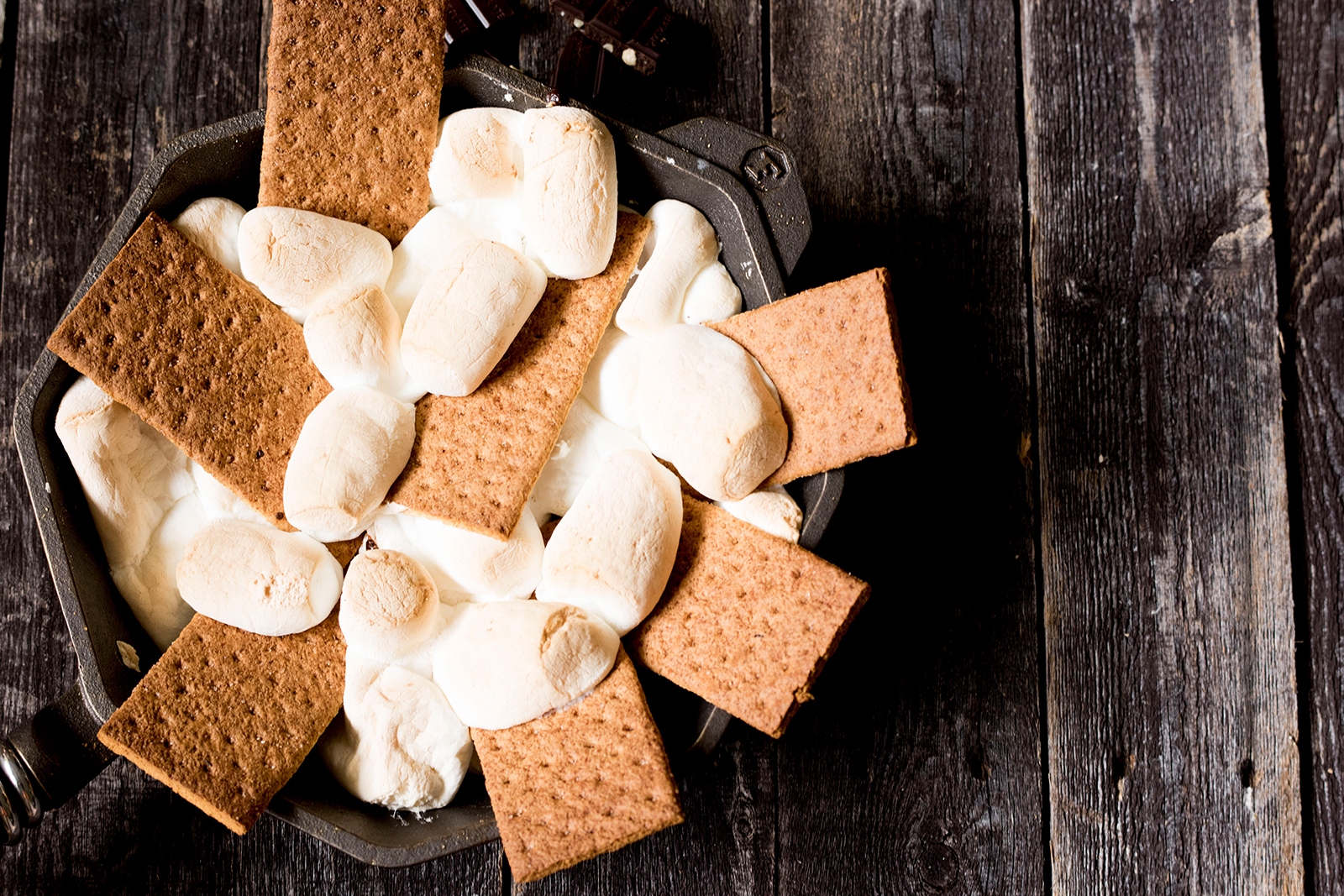
Cast-Iron Skillet S’mores: Layer graham crackers, chocolate bars, and marshmallows in your skillet and broil until toasty brown.
Grown-Up Skillet Mac and Cheese: While the pasta is boiling, combine butter, milk, salt, and cheese in the hot skillet. Whisk often, especially after adding flour to thicken the sauce. Drain pasta and add to the cheese sauce, then top with more grated cheese or bread crumbs for an added crunch. Broil until top is brown and bubbly.
Cast-Iron Toasty Oatmeal: Toast steel-cut oats over medium heat, stirring constantly for five minutes. Add spices and seeds if you like. Pour in hot water (roughly 3 ½ cups of water per 1 cup of oats) and bake at 375 F for 40 minutes.
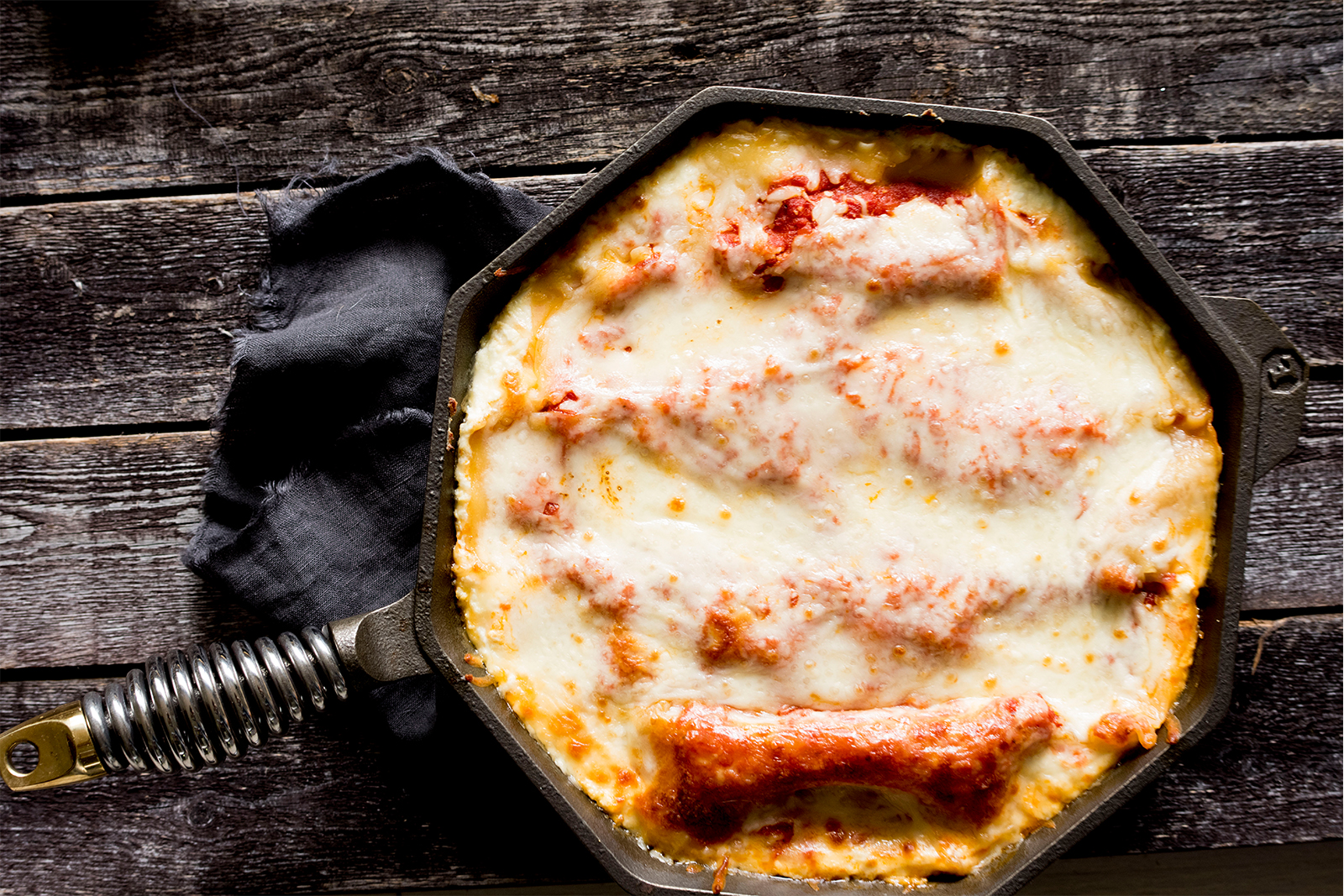
Skillet Lasagna: Alternate no-boil noodles, tomato sauce, and mozzarella and ricotta cheese, then cover and simmer on low until the noodles are cooked and the cheese is irresistibly melted.
For more how-tos and kitchen wizardry, check out our Texas Living page!
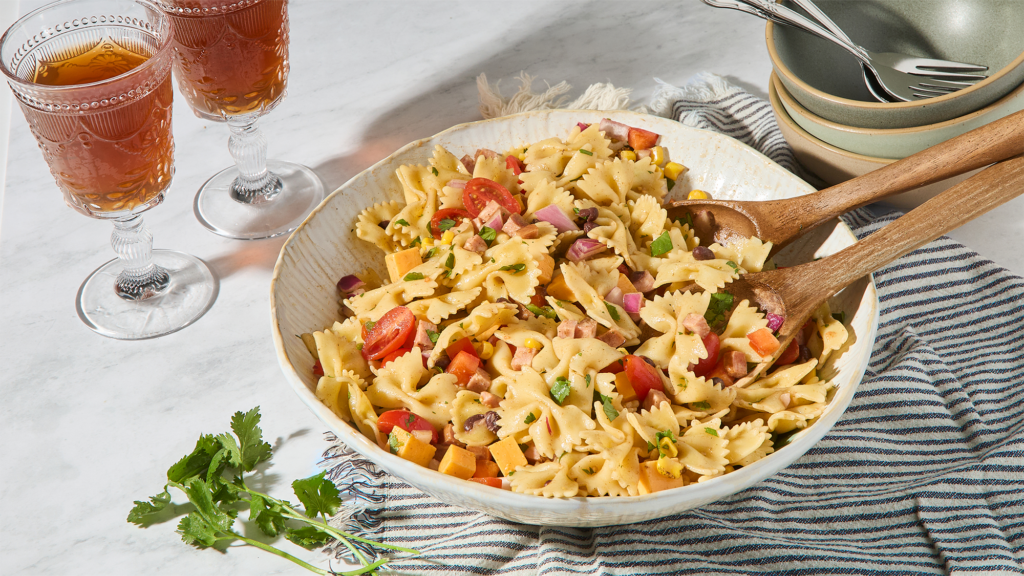
Save this recipe for your next potluck or picnic.
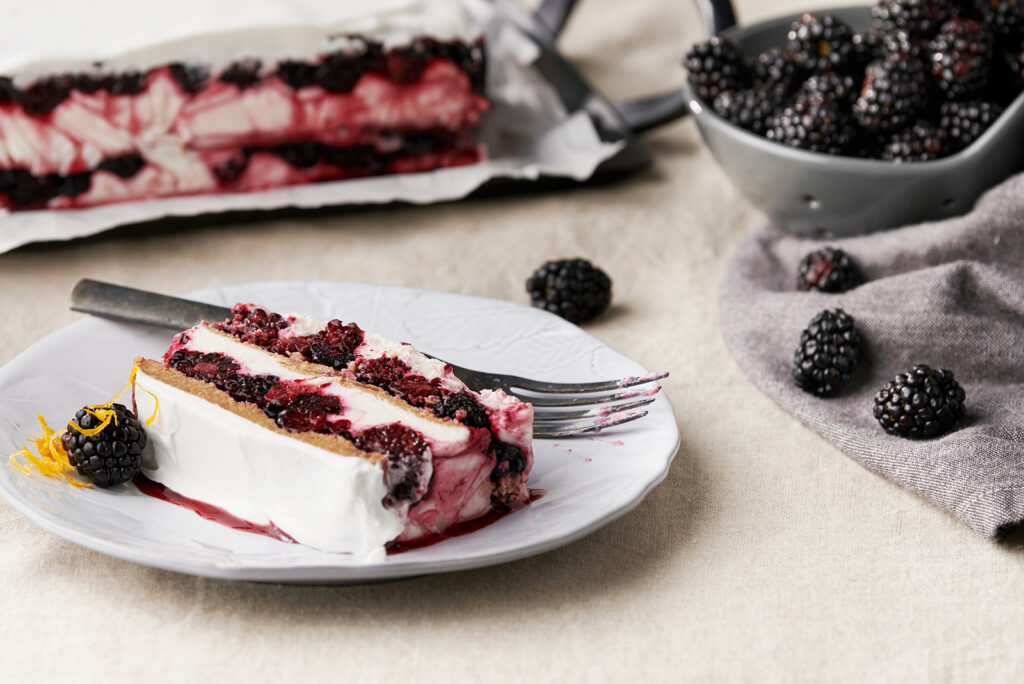
Recipe: Blackberry Icebox Cake
No baking required.
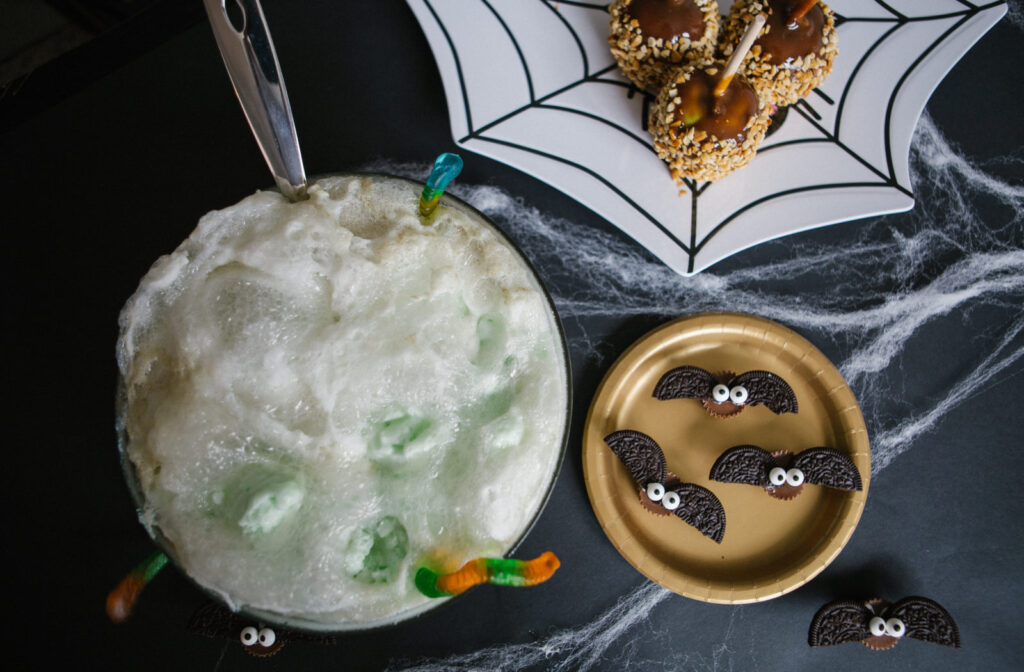
Try These Spooky Halloween Treats
Conjure up an easy-breezy feast with these recipes.
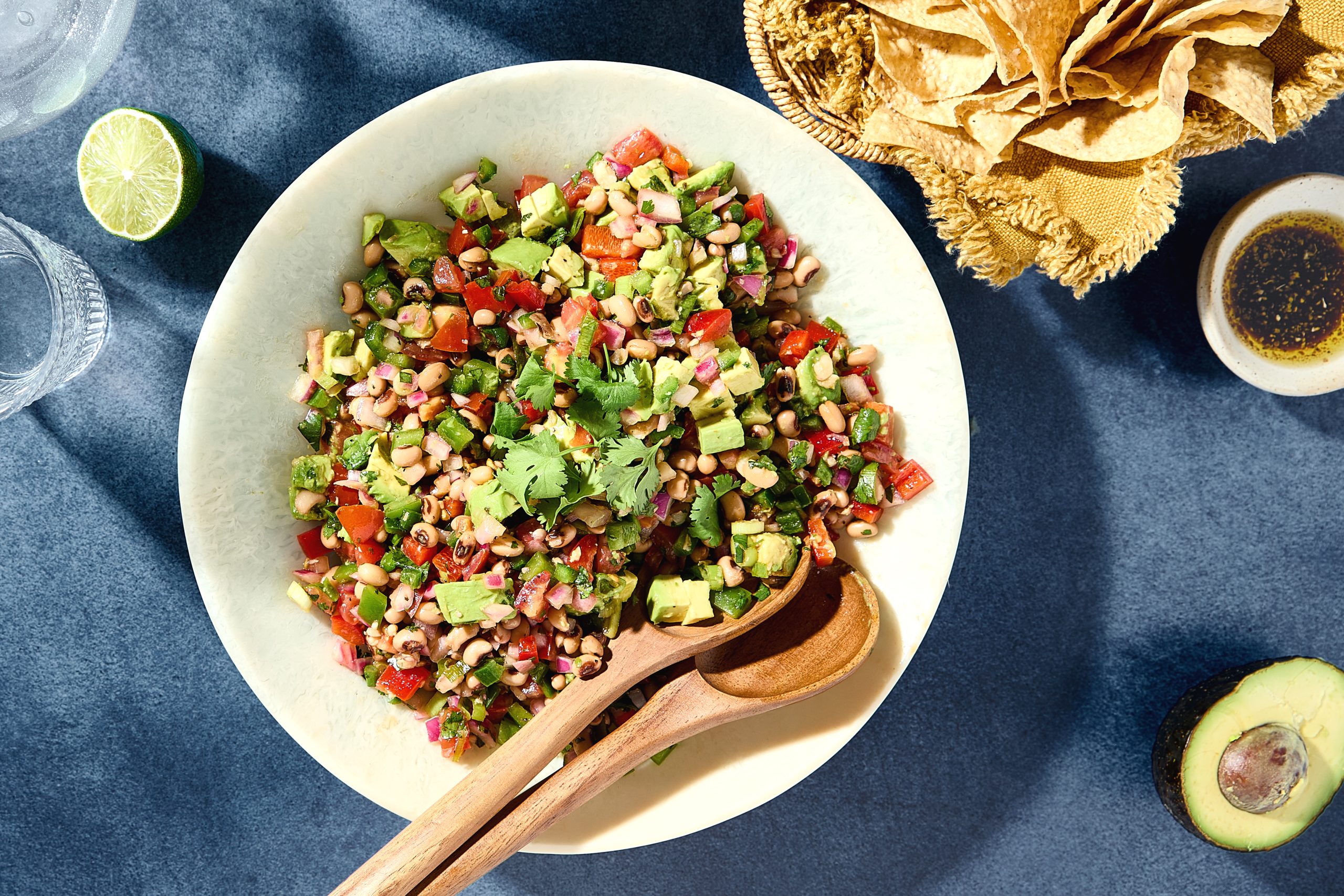
The colorful dish that can be enjoyed as an appetizer, snack, or salad.
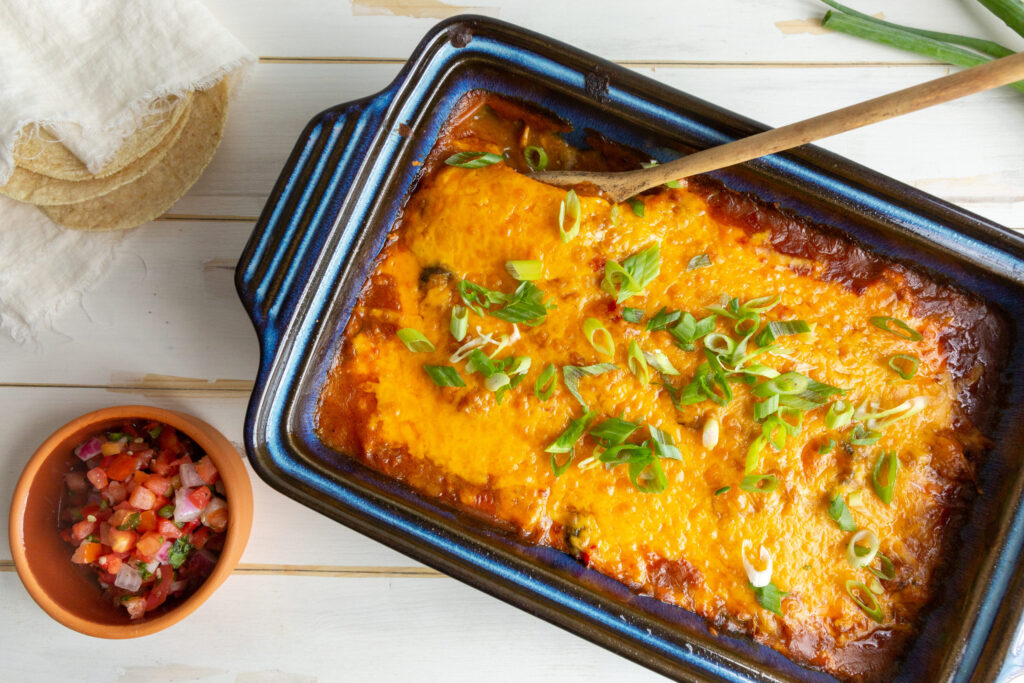
Original King Ranch Casserole Recipe
This 1950s recipe is an original South Texas classic.
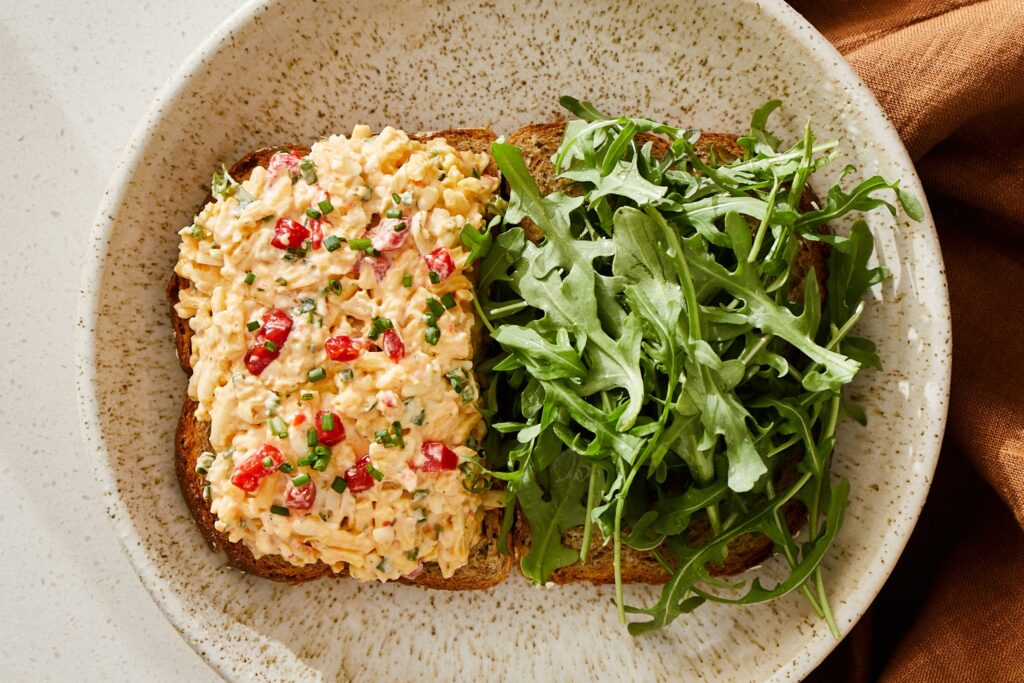
Here, we give you the history behind the creation of pimento cheese, how to make it, and different ways to serve it.