Please sign in as a member or guest below to access it.
Please sign in as a member or guest below to access it.

What Texas parents should know before handing over the handlebars.
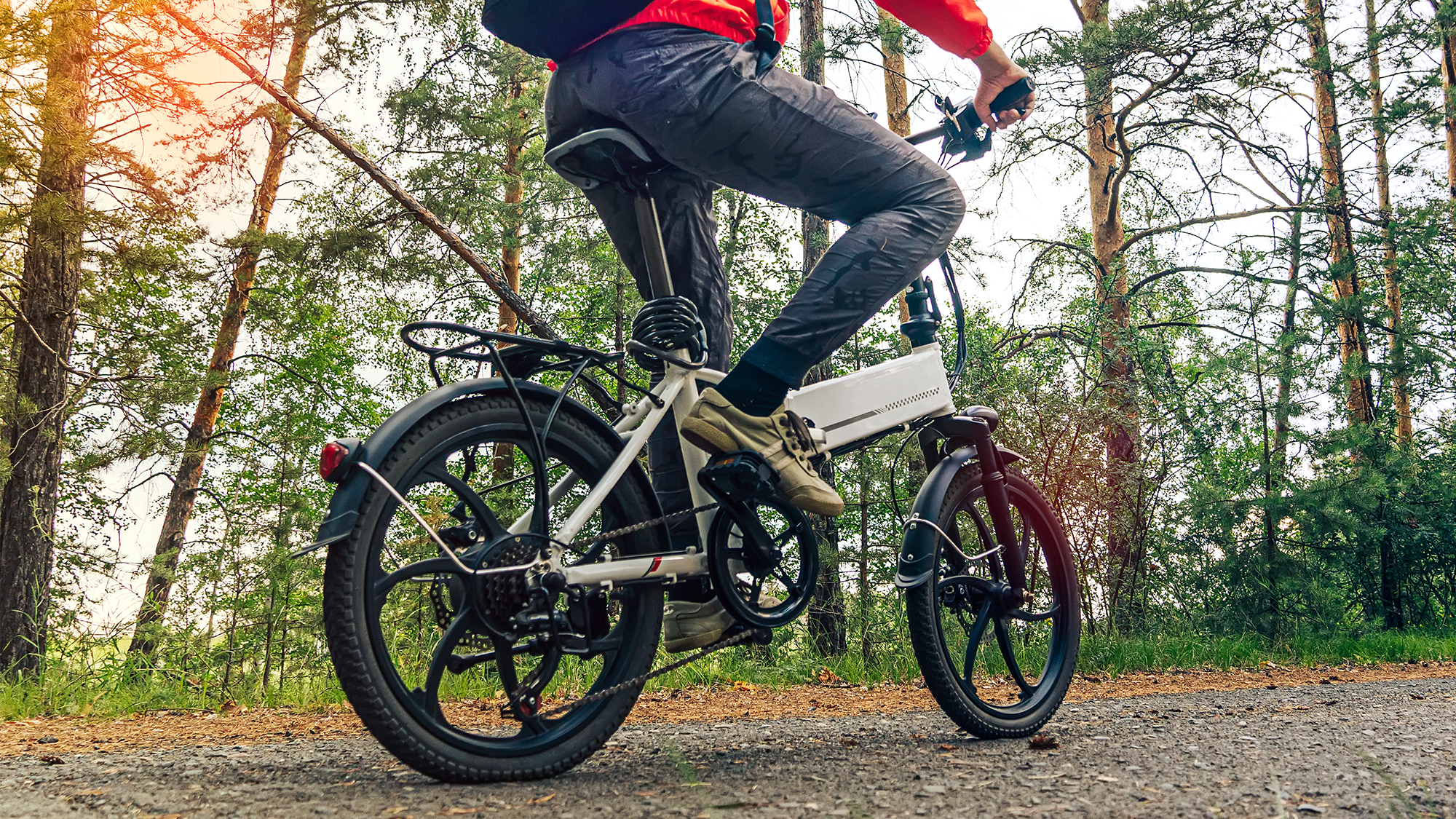
Electric bikes have become increasingly popular with kids and teens, offering a fun way to get around the neighborhood, ride to school, or spend time outdoors. But unlike a traditional bicycle, an e-bike’s electric motor allows riders to travel at much higher speeds, making it important for parents to understand the added responsibilities that come with them.
Before purchasing an e-bike or letting your child ride one, here’s what every Texas parent should know.
Although e-bikes resemble traditional bicycles, they’re equipped with a rechargeable battery and electric motor that provide varying levels of assistance while riding. To qualify as an e-bike under Texas law, the bike must have fully operable pedals and a motor with a maximum output of 750 watts.
Knowing which type of e-bike you’re purchasing can help determine whether it’s appropriate for your child’s age, experience, and riding environment. E-bikes come in three categories in the United States:
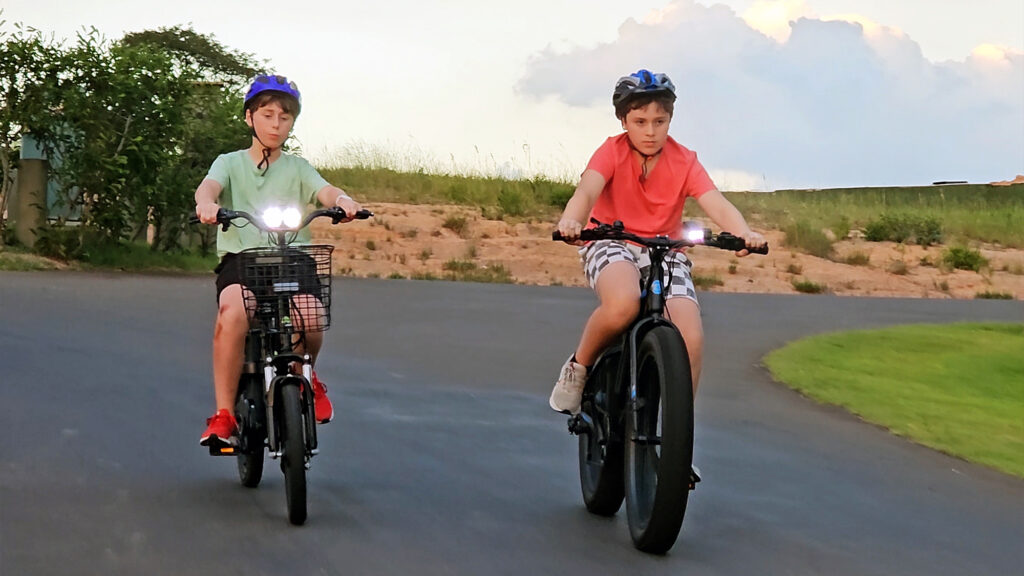
Texas law generally doesn’t require e-bike riders to wear helmets, but that doesn’t mean they aren’t essential. Because e-bikes travel faster than traditional bicycles, crashes can happen with much greater force. Wearing a properly fitting helmet should be the default for all riders, but especially for those operating class 3 e-bikes. Studies show that e-bike riders who don’t wear helmets are almost twice as likely to suffer head injuries as those who do.
No federal law regulates the minimum age to ride an e-bike, and the state of Texas does not set minimum age requirements for class 1 or 2 e-bikes (it does require class 3 e-bike operators to be at least 15 years old). Many e-bike crashes happen because riders overestimate their abilities or underestimate how quickly an e-bike accelerates. Consider your child’s maturity, the safety of the area where they will be riding, and their skill and comfort level navigating the road on a regular bike.
Before your child heads out alone, make sure they understand to:
Texas generally treats e-bikes like traditional bicycles, meaning riders don’t need a driver’s license, vehicle registration, or insurance to operate one. However, local communities may have additional rules governing where e-bikes can be ridden or who may ride them.
For example, Prosper currently requires e-bike registration, and other cities could adopt similar ordinances in the future. It’s also worth checking whether local parks, trails, or schools have their own e-bike policies before your child rides there.
Not every child who can ride a bicycle is ready for an e-bike. The extra speed and weight require quicker decision-making, stronger bike-handling skills, and a greater awareness of traffic and surroundings.
Before allowing your child to ride independently, consider whether they:
One of the best ways to prepare a child for an e-bike is to spend time riding with them. Family rides provide opportunities to practice signaling, scanning for hazards, navigating intersections, and making safe decisions in real-world situations.
For additional peace of mind, regular e-bike maintenance should be conducted to reduce the risk of breakdowns and keep the bike operating safely.
Are your prepared for the unpredictable? Read how faith, family, and Texas Farm Bureau Insurance helped this North Texas family weather an unseasonal Christmastime tornado.
Your Annual Water Heater Maintenance
The Texas Department of Insurance recommends homeowners check their units for rust, cracks, and clogs at least once a year.
Wood-Burning Fireplace and Stove Safety
If you live in the Panhandle, these features may increase the value of your home.
How to Avoid Aggressive Drivers
Try these tips to diffuse anger on the road.
Catalytic Converter Thefts Are Skyrocketing: Here’s What to Know
Reduce your chances of becoming a target with these tips.

Protect your kids and your sanity.