Please sign in as a member or guest below to access it.
Please sign in as a member or guest below to access it.

It’s just like riding a bike. Almost.
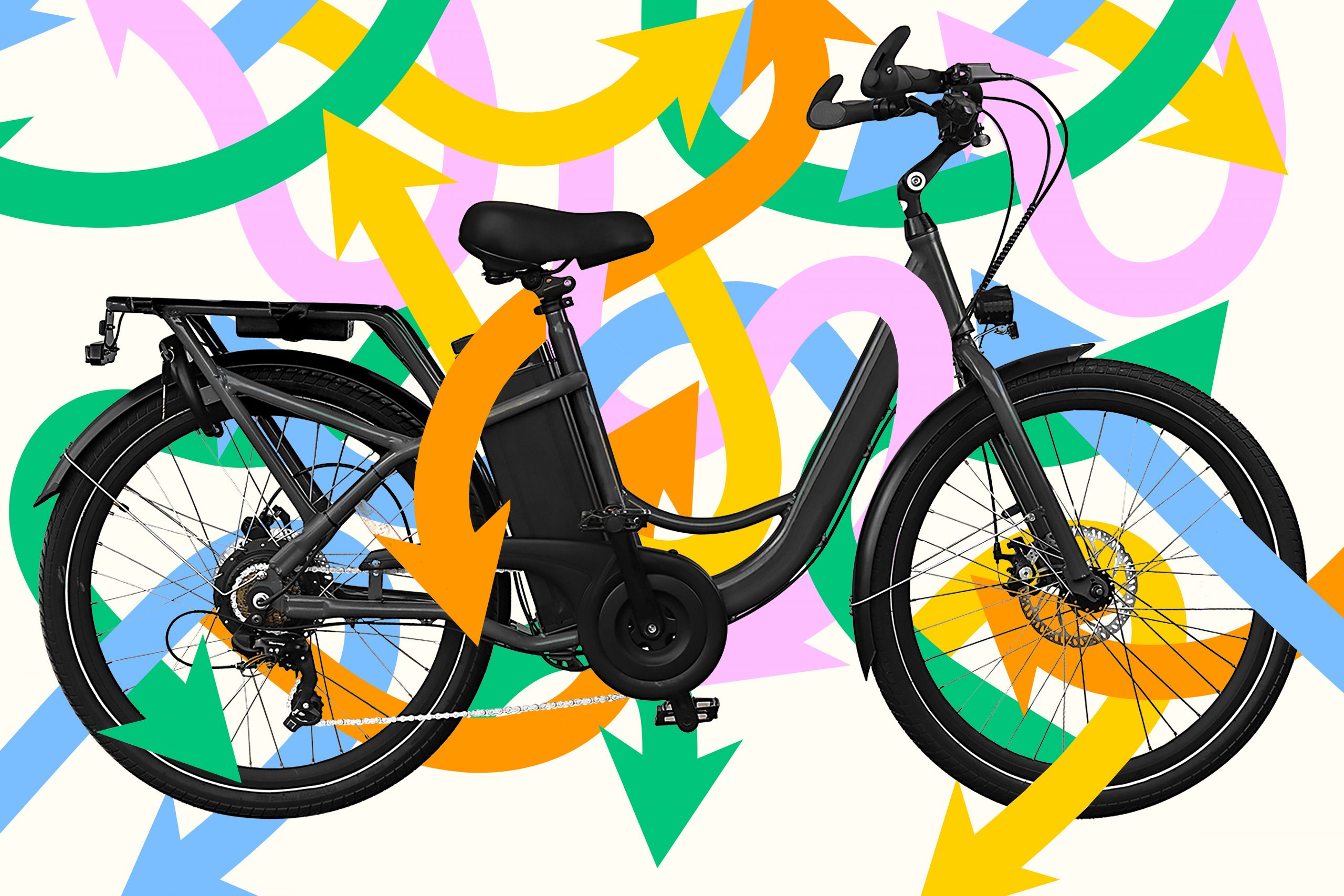
Electric bicycles, or e-bikes, are gaining traction as a more affordable, accessible, and eco-friendly alternative to traditional transportation. No matter what you drive, knowing how to share the road in Texas is important. This guide outlines what you need to know about electric bikes, from road rules to safety tips.
Not quite a motorcycle, not quite a traditional bicycle, e-bikes have an electric motor that assists you with pedaling. In most models, the motor is powered by a rechargeable battery mounted on the bike.
E-bikes have three classifications in Texas:
In Texas, bicyclists are allowed on Texas roads — unless otherwise noted via signage. Electric bikes are regulated like traditional bicycles, meaning the same rules of the road apply to both. As a rider, you should obey street signs, signals, and road markings. Currently, e-bikes are not required to have licensing, registration, or insurance — unlike motor vehicles. But, when in doubt, always check local regulations.
There are several key considerations to remember before taking to Texas’ busy streets on an e-bike.
Take Time to Get Acclimated
E-bikes tend to be much heavier, weighing between 15-25 pounds, because of the motor, battery, and frame. Also, the motor assists the e-bike’s rider. While this is an added advantage, experienced riders say it can take some time to get accustomed to.
Stay Headstrong
A proper helmet is a must when riding an e-bike, as it helps protect your face, head, and brain. According to the Centers for Disease Control and Prevention, a proper-fitting helmet should be:
Make Yourself Visible
Assume that drivers can’t see you. Wear bright-colored clothing when riding. If your bike doesn’t have one, consider adding a headlight and a taillight so you can be seen in both directions. Attaching a bell or horn to your bike can be especially helpful if you ride in loud, busy areas.
Just as you would for a trip to the gym, wear clothes that won’t restrict your movement. Consider investing in riding gloves and sunglasses — these small enhancements will make your ride safer.
Stay Alert
A little defensive riding can go a long way. Scan the area ahead and around you for obstacles and potential dangers. This can include anything from debris and construction to oblivious pedestrians and careless drivers.
Invest in E-Bike Maintenance
Just as you would a car or truck, you’ll want to keep up a regular maintenance schedule for your e-bike.
Learn Hand Signals
Hand signals are a core element of riding etiquette. Plus, they help keep cyclists and drivers on the same page.
Learn more about biking in Texas’ cities.
Rural Road Safety for Winter Weather
Your cheat sheet for safe driving during the holiday season.

3 Family Emergency Plans to Set in Stone
You can never expect health emergencies or natural disasters — but you can prepare for them.
4 Quintessential Rules of the Road
‘Drive friendly — the Texas way.’
Bicycle Safety Essentials for Texas Roads
They say you never forget how to ride a bike, but do you ever forget about bicycle safety?
Practical tips for pools, grills, and trampolines.

A Guide for Expecting Grandparents
A crash course on infant safety for new grandparents.