
Please sign in as a member or guest below to access it.
Please sign in as a member or guest below to access it.

For hurricanes, wildfires, and other natural disasters.
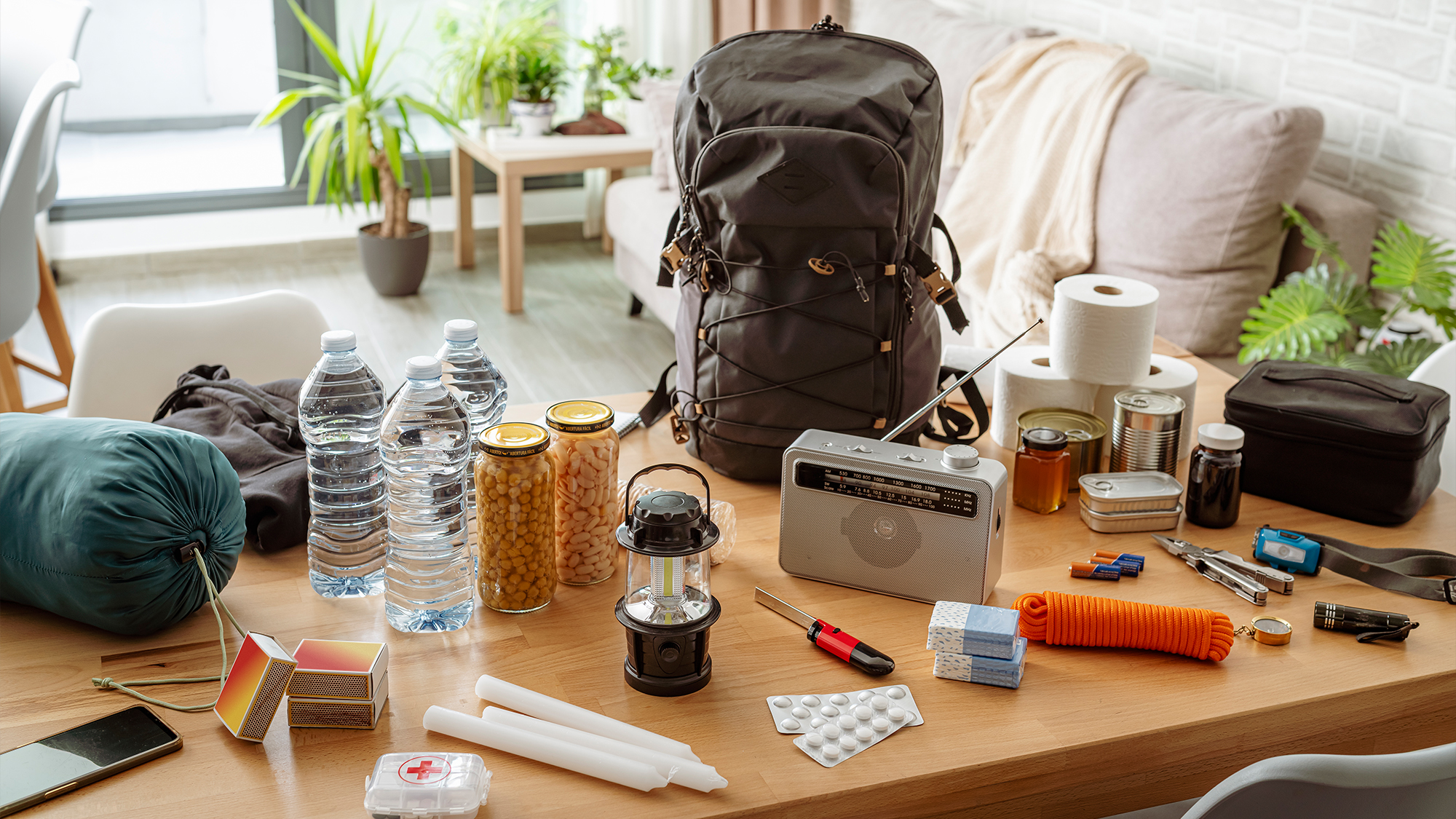
In Texas, emergencies can take many forms, from hurricanes and wildfires to flash floods and tornadoes. When they arrive, there’s rarely enough time to gather what you need or figure out where to go. Preparing ahead can bring some order to the chaos, helping you and your family face a crisis with more confidence.
Here are a few ways to prepare, including building go bags, creating communication plans, protecting important documents, and mapping evacuation routes.
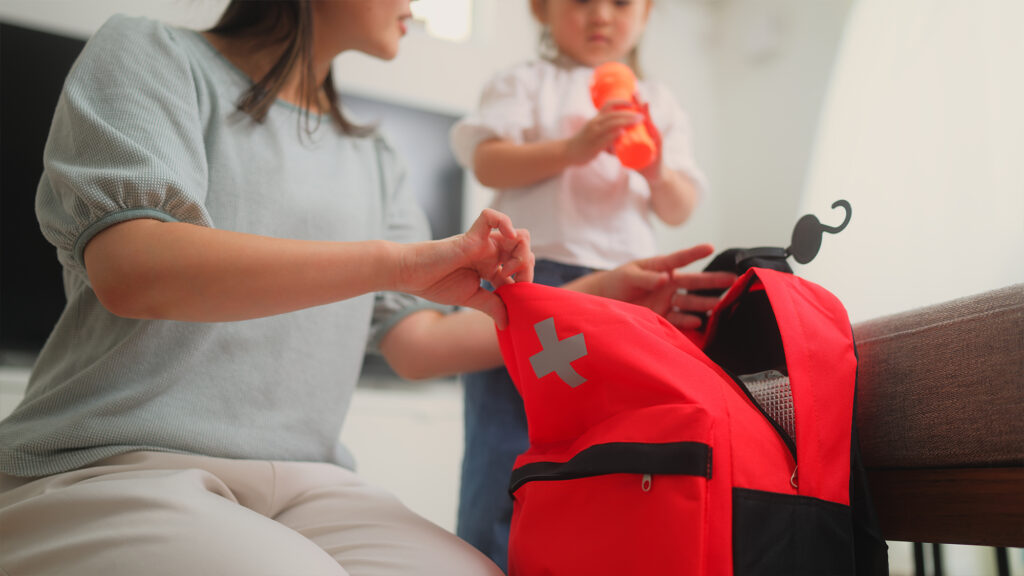
Use the TexasReady disaster supply kit checklist as your starting point. Here are some of the most critical essentials:

Natural disasters can damage more than your home. They can also wipe out the records you need to file insurance claims, prove your identity, or rebuild after an evacuation. Protect important documents by storing originals in a waterproof, fire-resistant container inside your go bag and keep copies in a secure digital folder. Focus on essentials, such as:
In an emergency, family members can get separated quickly. Make a plan ahead of time so everyone knows how to reconnect. Fill out a TexasReady Family Emergency Plan for each family member and keep copies in your go bag, wallets, and backpacks, as well as a digital copy that’s backed up.
Make sure everyone knows how to check in by text, phone, or social media. (For example, use Facebook’s Safety Check feature.) In some cases, text messages may go through when a phone call may not.
Regarding some of the vulnerable family members: Ask your child’s daycare or school for a copy of their emergency evacuation, parent communication, and family reunification plans. Also, microchip your pets and keep the registration information up to date.
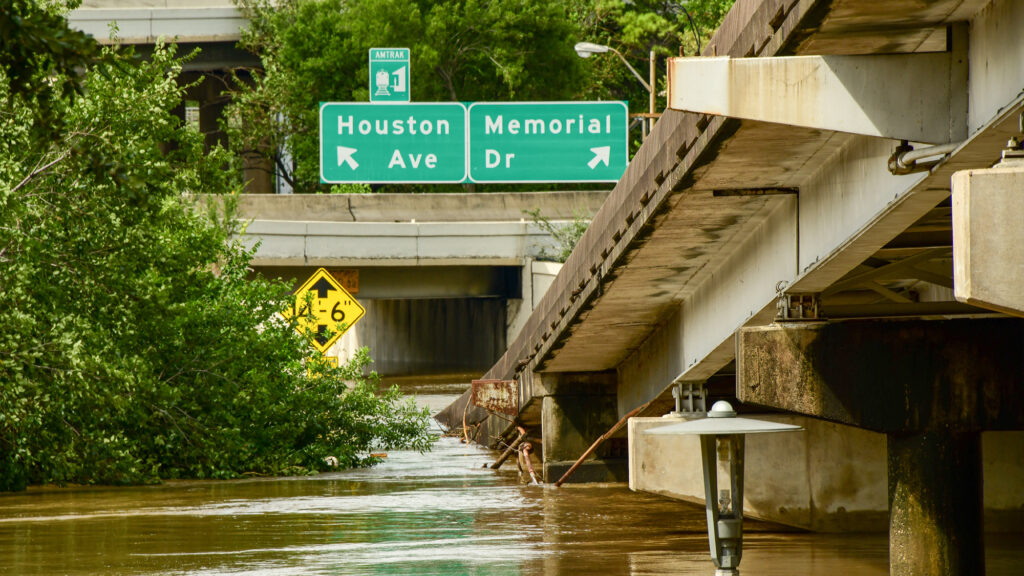
The Texas Department of Transportation provides hurricane evacuation routes by region on its website, along with a statewide evacuation map.
Start there, but do not stop there. It’s smart to map out a few backup routes, too, in case flooding, severe weather, or traffic make your primary route difficult to use. And if there’s a chance you may need to leave, fill up your gas tank early.
When an emergency unfolds, trustworthy information matters. Stay on top of local alerts, weather updates, and trusted community resources so you can make quick, informed decisions:
You’ve made an emergency plan for your household, but is your vehicle ready for severe weather?

Full hearts. Wagging tails. Can’t lose.

Learn the Warning Signs of Hypothermia
Texas is better known for its extreme heat, but the cold can still be dangerous here, especially if you aren’t used to it.

What’s the Best Password Manager for You?
Protect your online data with these invaluable tools.

How to Protect Your Home While You’re on Vacation
As your family prepares for an extended vacation away from home, here’s how to protect your home.
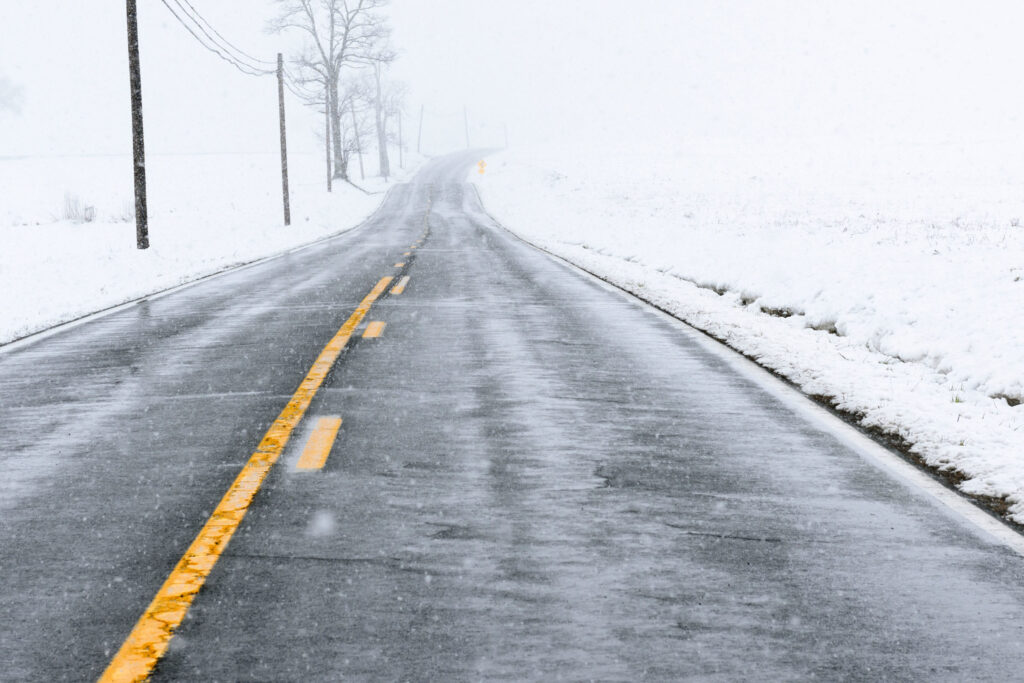
Stay safe driving in winter weather.

Nine tips for staying alert while walking.