Please sign in as a member or guest below to access it.
Please sign in as a member or guest below to access it.

Get a close-up view of giraffes, antelope, snakes, and lemurs.
Spanning more than 250,000 square miles, Texas is full of unique and unusual experiences, some including exotic animals. Our state boasts the ideal climate and terrain for certain exotic animals. In fact, estimates show they’re present in about half of Texas counties, with a majority found in Central Texas’ Edwards Plateau.
So take a weekend trip to watch a cheetah sprint, a rhino sunbathe, and a macaw ruffle its feathers. Or, if bottle-feeding a baby kangaroo or walking with a llama sounds more appealing, that’s an option too. We’ve rounded up 11 of the best humane exotic animal encounters in Texas — and some places that allow you to extend your walk on the wild side overnight.
In Texas, the first presence of “exotics,” foreign species introduced to new environments, dates back to approximately a century ago. In the 1920s, the foreman of the legendary King Ranch introduced nilgai antelope, native to Pakistan and India, to the massive property as part of a wildlife restoration project. He hoped to return certain wildlife, such as deer and turkeys, to the area. Then, in the late 1920s and early 1930s, a San Antonio businessperson bought 2,500 Hill Country acres and filled it with foreign “surplus” animals from the San Antonio Zoo to start a breeding farm.
But what started as conservation efforts morphed into big business over time, with some properties welcoming hunters looking for big, exotic game. (In Texas, exotic animals don’t have the same protections that cover native game animals.) Now, it’s estimated that approximately 5,000 Texas ranches hold 2 million exotic animals, spanning more than 130 species, according to the Exotic Wildlife Association.
An overabundance of exotic animals has led some organizations and properties to care for exotics while offering Texans close encounters with animals from all over the world.
Don’t be fooled by words such as “sanctuary” or “rescue.” Some wildlife breeding facilities and roadside zoos use these terms to entice — and mislead — potential visitors. A sanctuary is “any facility providing temporary or permanent safe haven to animals in need while meeting the principles of true sanctuaries: providing excellent and humane care for their animals in a nonexploitative environment and having ethical policies in place,” according to the Global Federation of Animal Sanctuaries. Animals should live in environments that are as close as possible to their natural wild habitats.
Typically, animal sanctuaries are lightly regulated, but there are things to look for to help determine whether the organization is legitimate:
Do a little research before you go to ensure that your family — and the animals — have a good experience.
First, consider the animal. The interaction should not physically or emotionally harm the animal.
Second, do your research. Seek out blogs, reviews, YouTube videos, and social media posts from past visitors to see what you may actually be experiencing during your visit.
Third, lean on the experts. Look to organizations such as the Global Federation of Animal Sanctuaries and the Association of Zoos and Aquariums for lists of vetted, accredited places.
Finally, ask questions! Most reputable places will happily answer your questions. It’s OK to ask where the animals came from and where the facility’s funding goes.
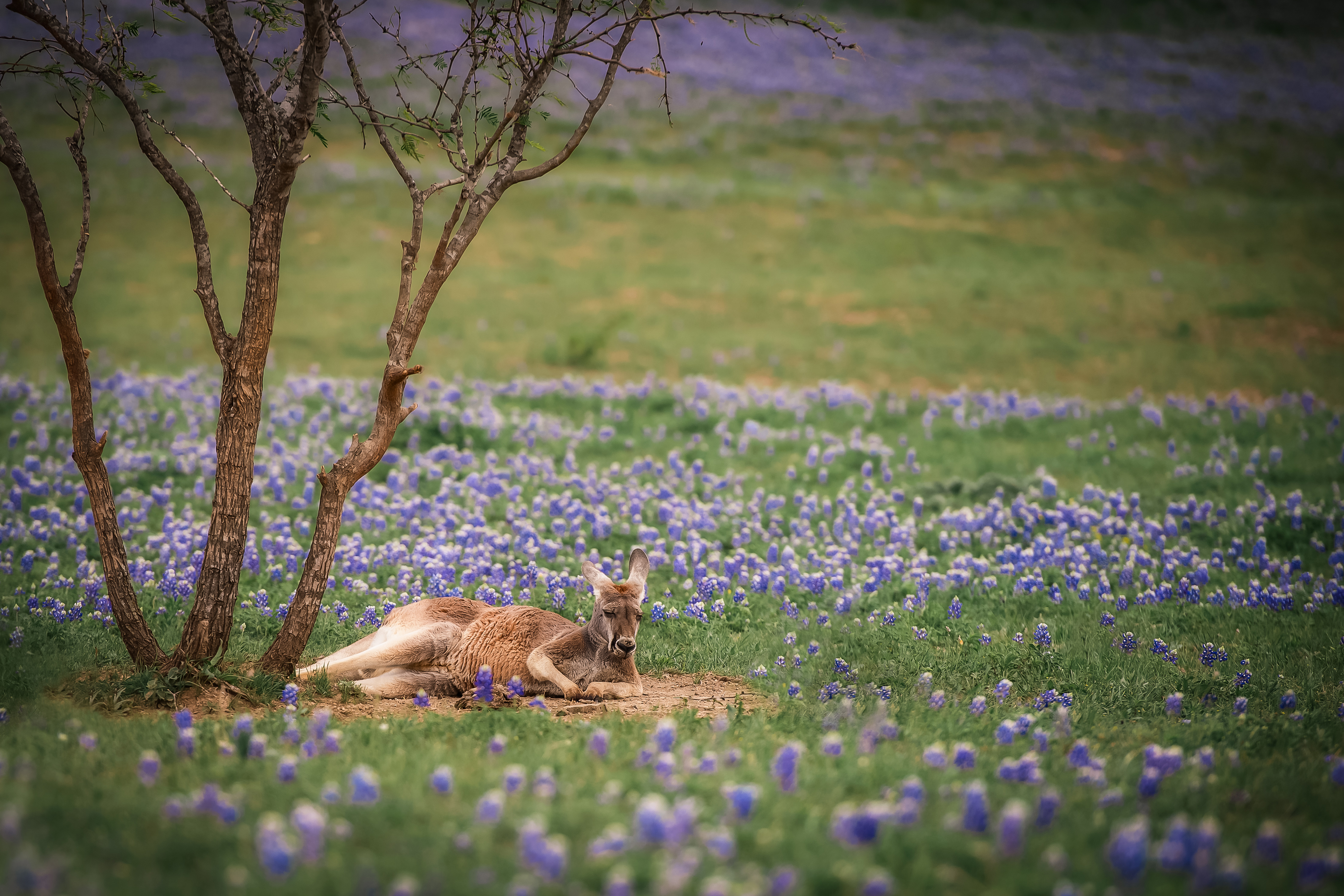
Take a look inside seven of the best humane exotic animal encounters across the state.
Animal World & Snake Farm Zoo
5640 S. Interstate 35, New Braunfels, TX 78132
Formerly and affectionately known as simply the “Snake Farm,” this place has been educating Texans about snakes, reptiles, and exotic animals — and their critical role in our ecosystems — for nearly 60 years. The organization, accredited by the Zoological Association of America, cares for more than 500 species ranging from snakes to camels and is expanding its acreage to house some larger animals.
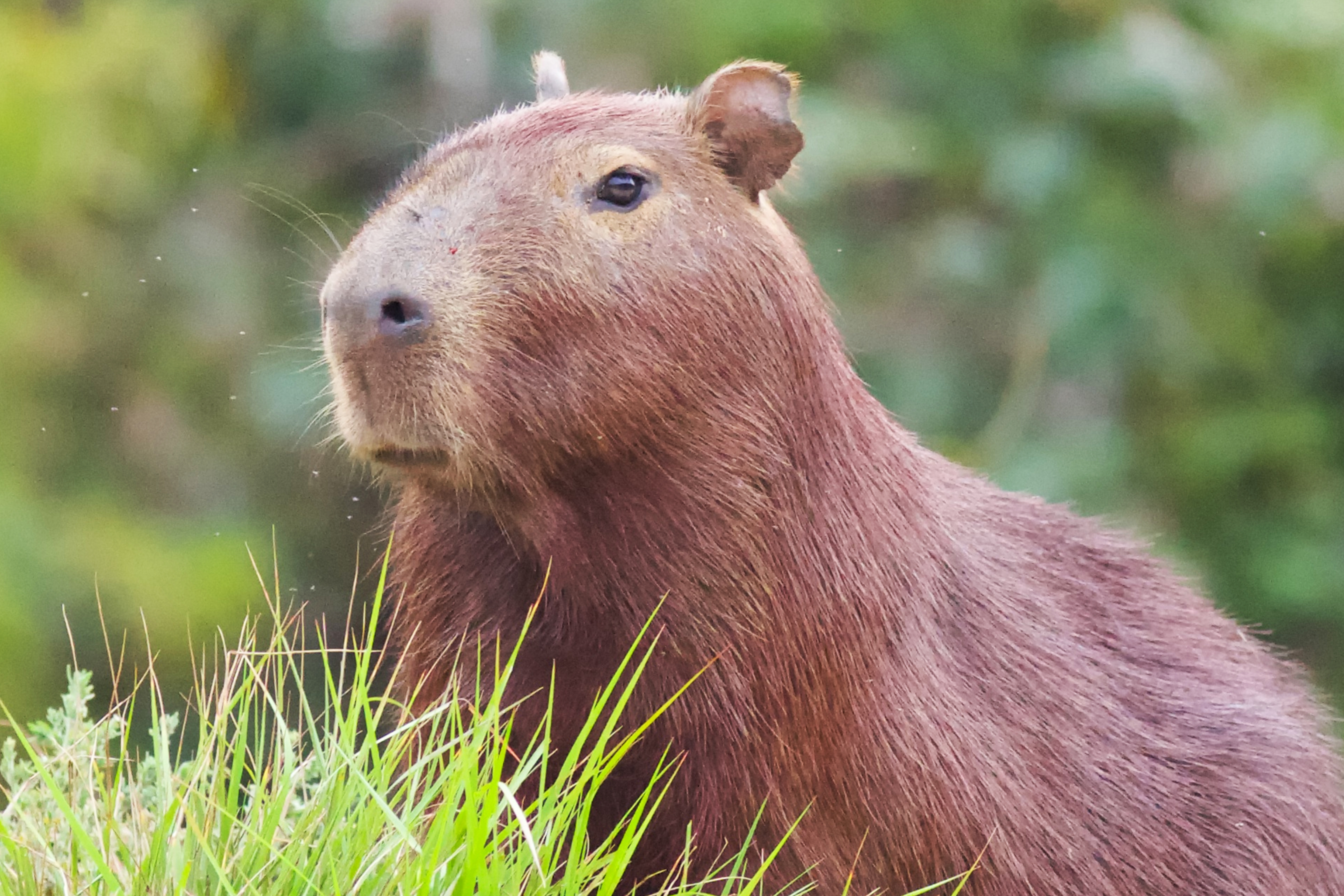
Notable Animals: brown lemur, black mamba, capybara, clouded leopard.
Blue Hills Ranch
2032 Blue Cut Rd. N., McGregor, TX 76657
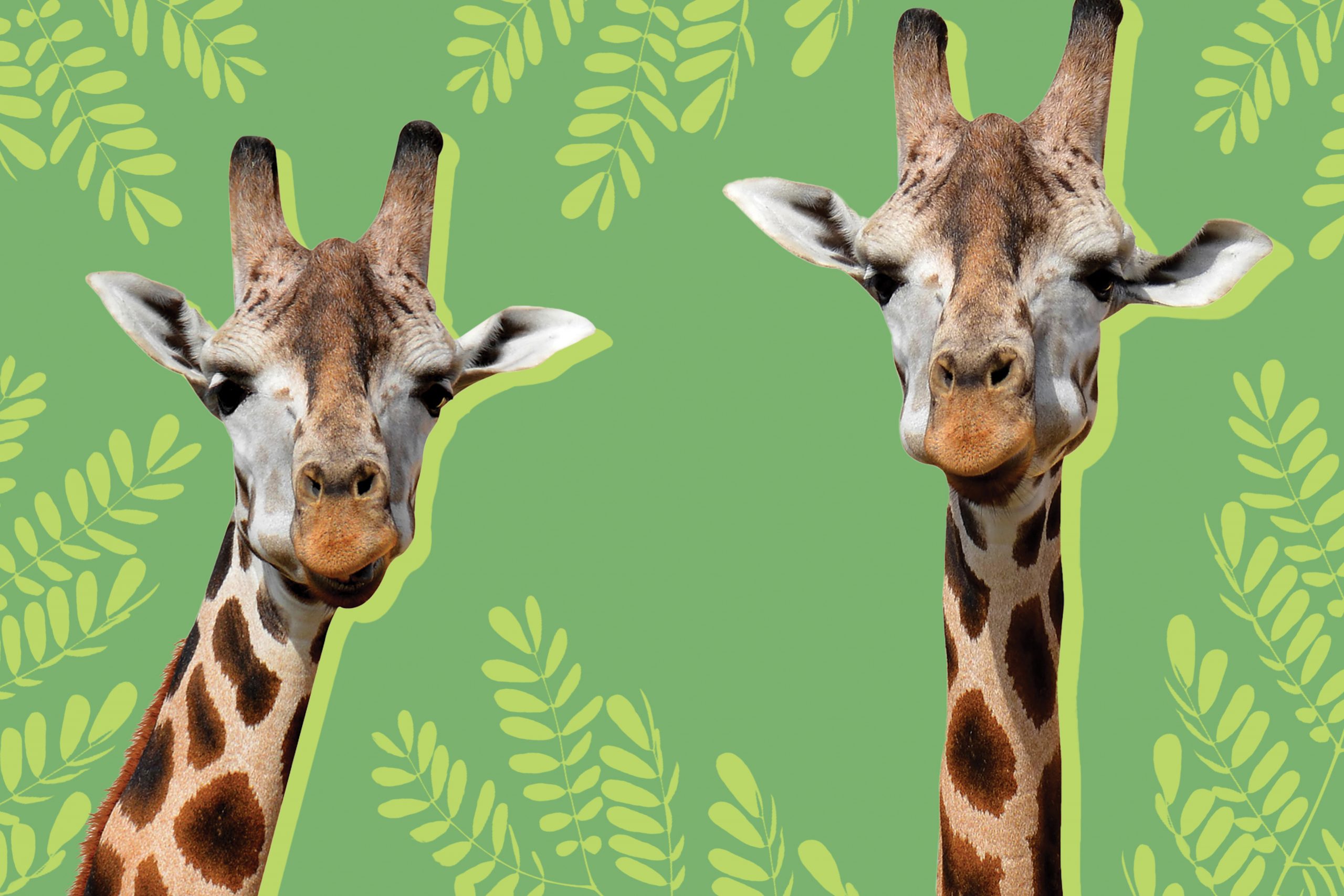
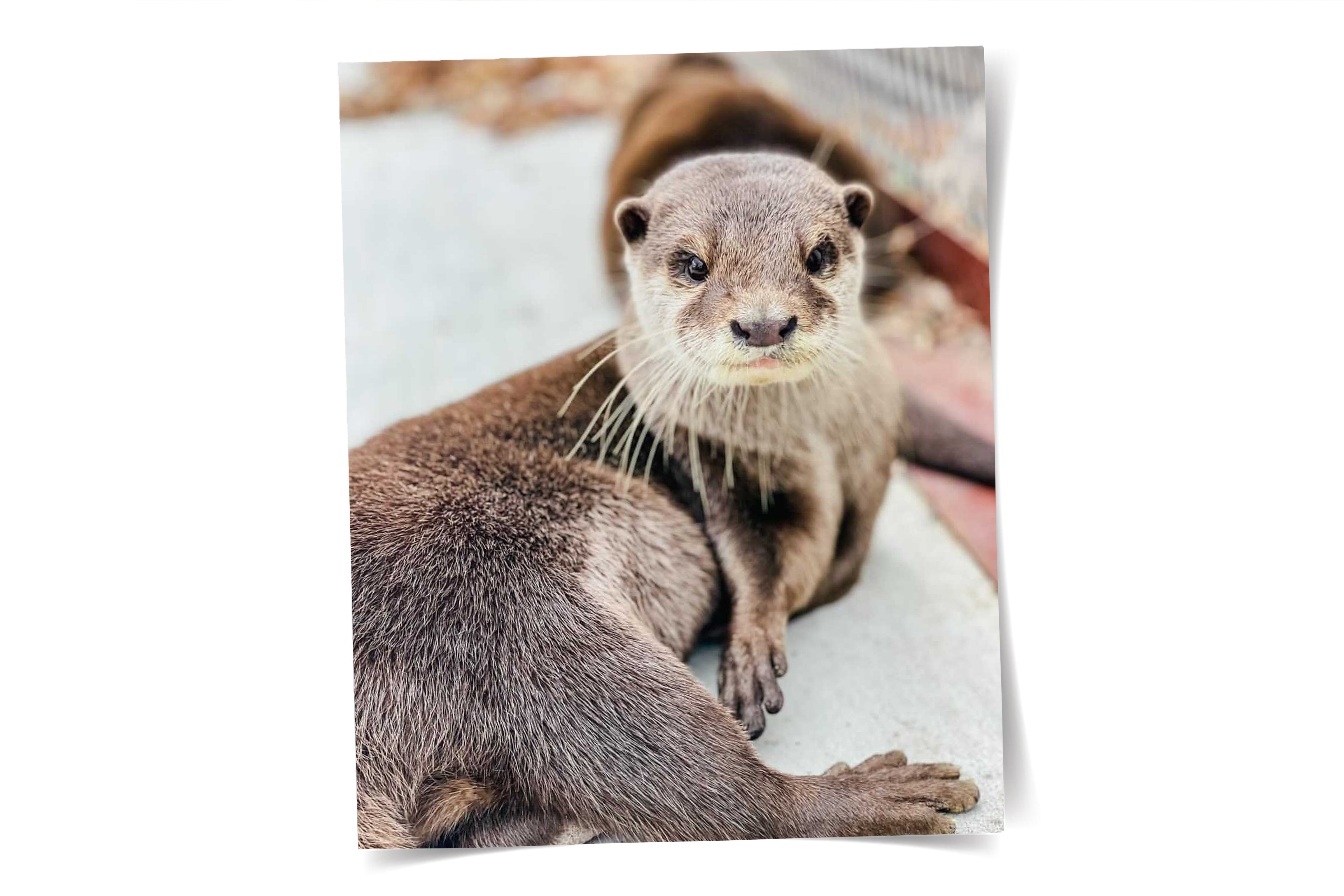
You’ve probably come across Blue Hills on TikTok, where their swimming otters, Otto and Sweet Pea, have made a name for themselves. If you prefer a drier encounter, set up a dinner date with one of the ranch’s tallest residents: a giraffe. Get up close and personal with these amazing mammals as you hand-feed them. While at the 150-acre ranch, you can also book time to bottle-feed Boomerang, the resident baby kangaroo.
Notable Animals: Asian small-clawed otter, mini Highland cow.
Cathy’s Critters
7422 County Road 466, Princeton, TX 75407
Get face time with a llama or bottle-feed a baby goat. For nearly 20 years, Cathy and Kevin Smith have provided North Texas kids with positive, one-on-one contact with animals to help develop empathy and connectedness with the world around them. You’ll find everything from an Egyptian goose and Nigerian dwarf goat to run-of-the-mill cats and dogs spread across the working farm’s 18 acres, which is open to the public most weekends.
Notable Animals: green-winged macaw, fennec fox.
Fossil Rim Wildlife Center
2299 County Road 2008, Glen Rose, TX 76043
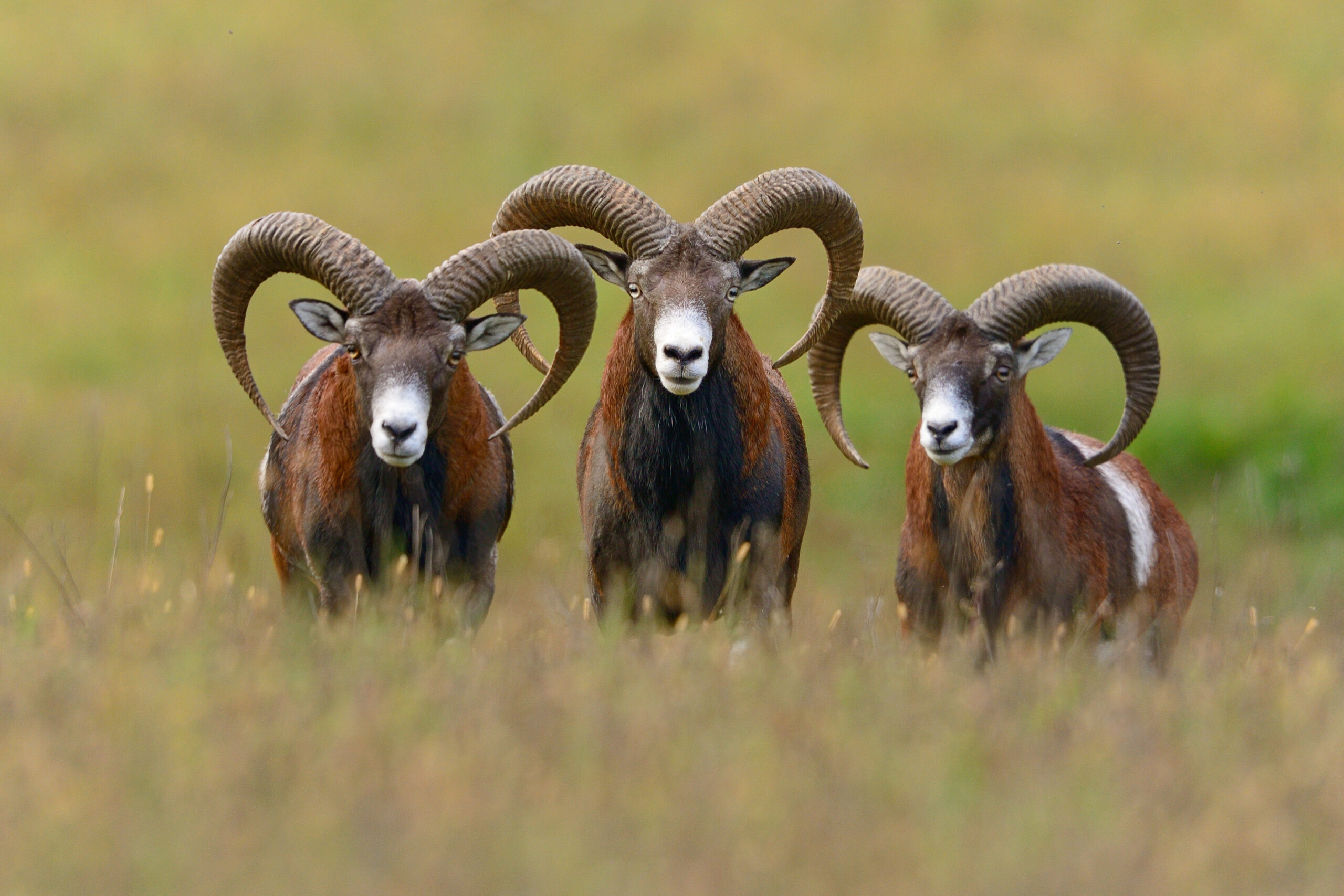
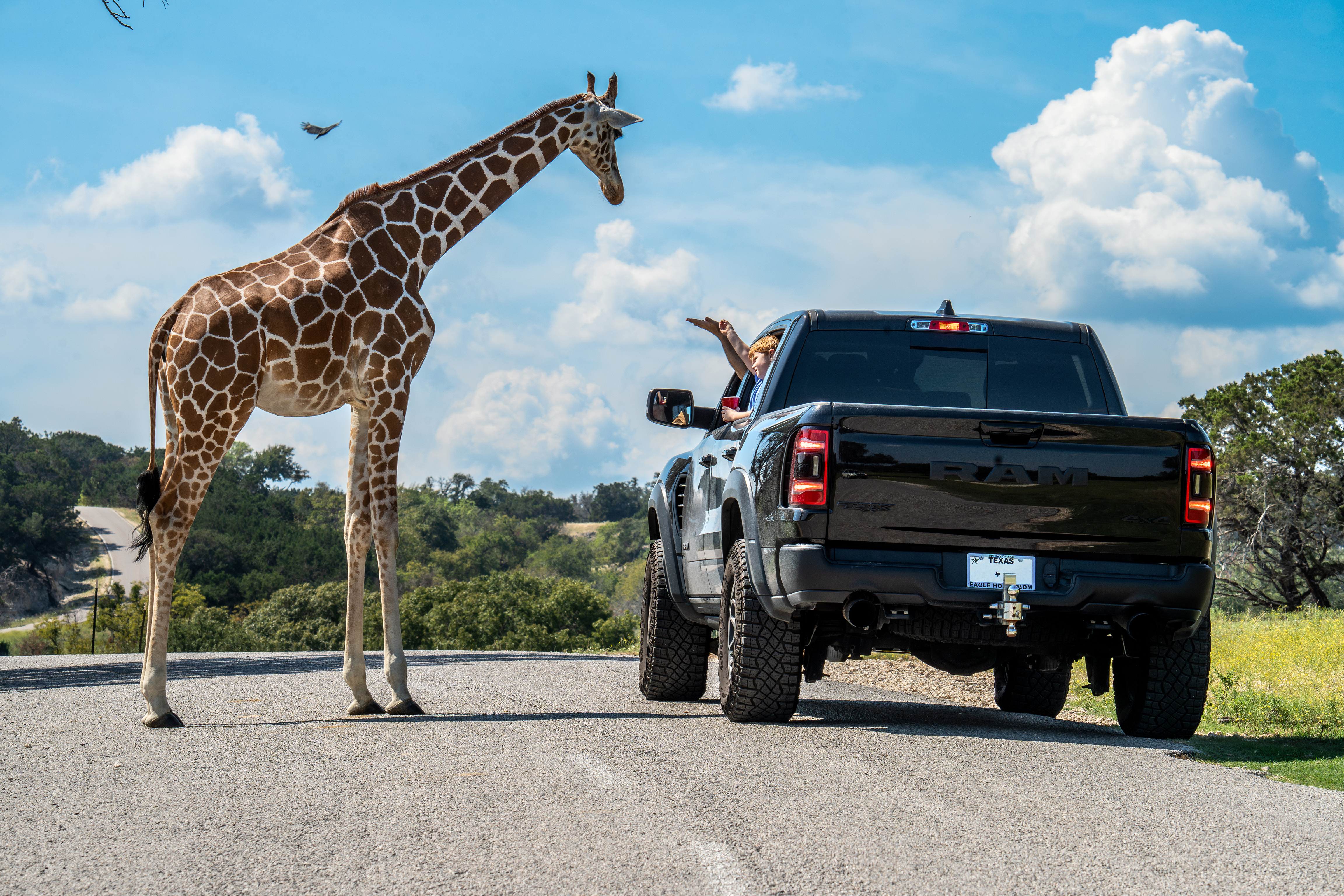
Perhaps one of the most immersive experiences in Texas, visitors can drive through the 1,800-acre park and feed some of the 1,100 animals — all from the safety and comfort of their car window. (Keep in mind: The park prohibits feeding the sable antelope, which have massive, curved horns!) Typically, driving through the park takes about two hours — but brace for a longer journey during peak times. As a not-for- profit organization, Fossil Rim is dedicated to species conservation, responsibly managing natural resources, and public education.
Notable Animals: common wildebeest, cheetah, Mexican gray wolf.
See the ‘World’s Deadliest’ — and Cutest — Cat
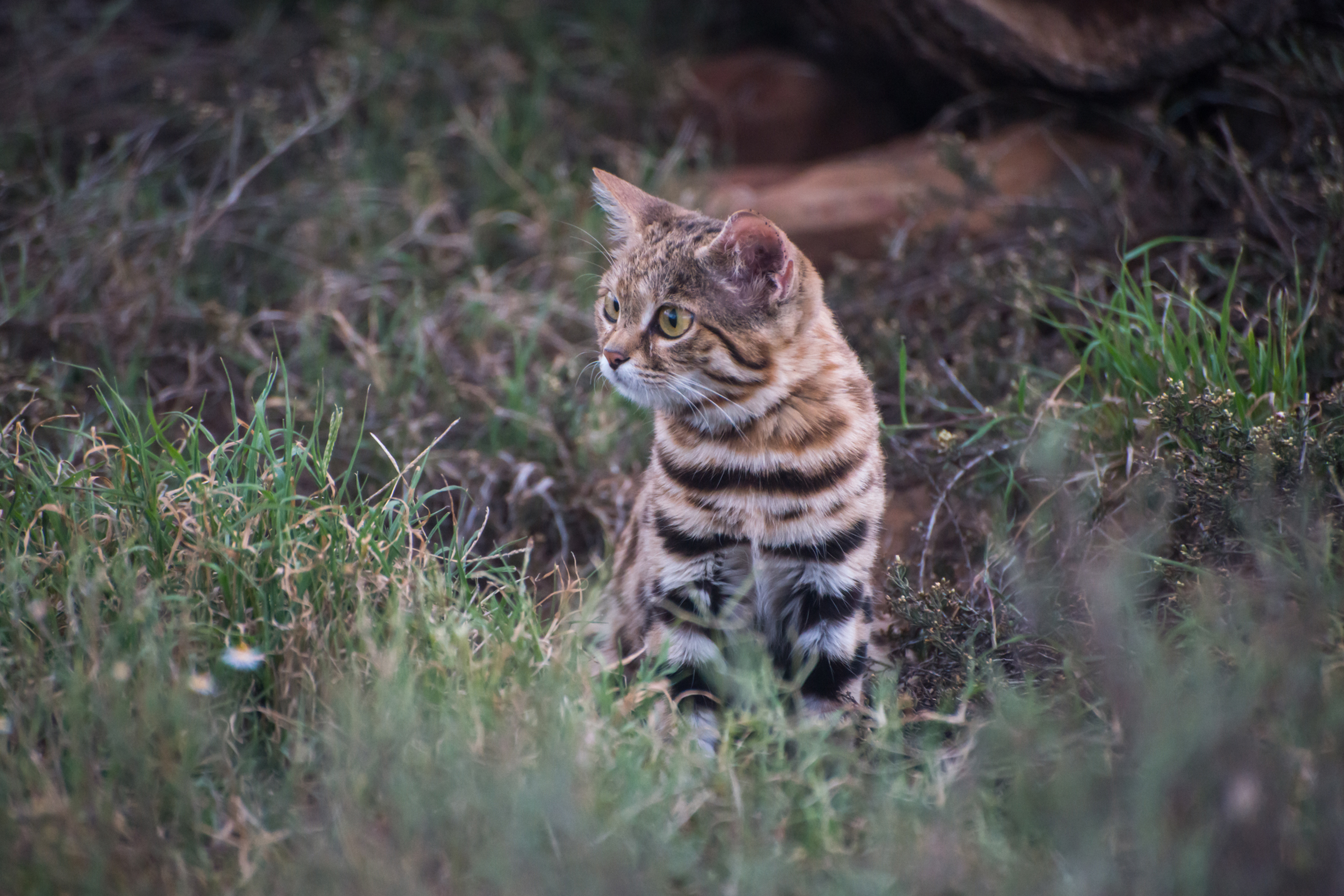
Fossil Rim is home to seven of only about 28 African black-footed cats in accredited North American zoos. These tiny predators, billed as “the world’s deadliest cat” by The Washington Post, are classified as “Vulnerable” in the Red List of the International Union for Conservation of Nature (IUCN).
They may resemble a smaller version of a typical tabby, but these tenacious cats have been known to defend themselves against animals eight times their size. Plus, they can catch more prey in a single night than a leopard might in half a year.
As part of the organization’s conservation efforts, 13 black-footed cats have been born at Fossil Rim since 2015. You can see two black-footed cats at Fossil Rim’s Children’s Animal Center. Keep in mind: It may take a keen eye to spot these elusive, stealthy creatures!
Natural Bridge Wildlife Ranch
26515 Natural Bridge Caverns Rd., San Antonio, TX 78266
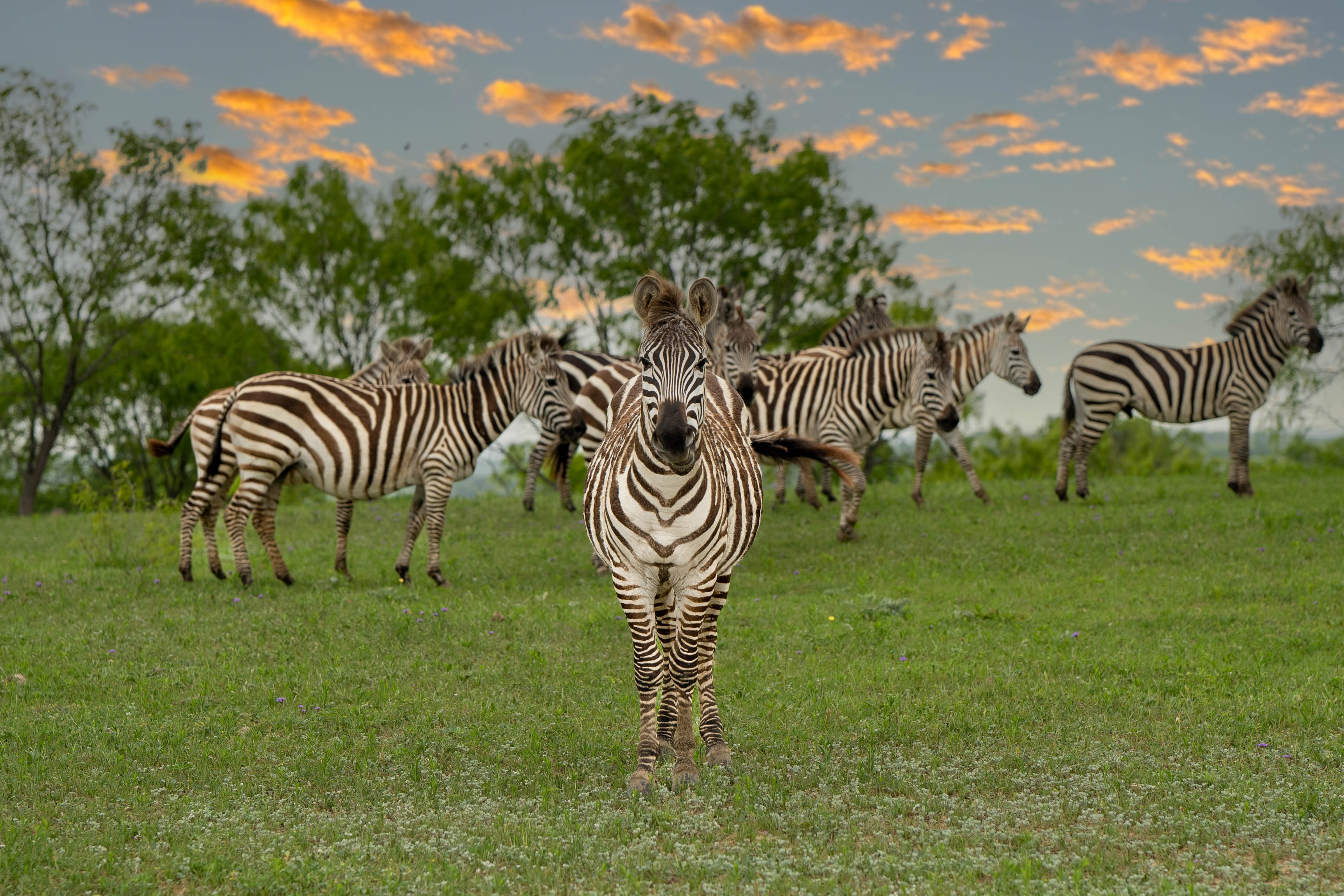
In northeast San Antonio, you’ll find an “African safari, Texas style” with zebras, white rhinos, and even wallabies. Choose your own adventure with self-guided or guided tours or VIP giraffe experiences. Kids will love the ranch’s Prehistoric Experience, where they can play among 25 lifelike dinosaurs towering between 16 and 20 feet tall.
Notable Animals: squirrel monkey, zebra, wallaby.
ShangriLlama
Royse City
Meet llama royalty — King Dalai Llama, Prince Barack O’Llama, and Viscount Pajama Llama, among others — at a replica Irish castle tucked away in Rockwall County. While visiting the 10-acre, castle-themed ranch, you can join the llamas for a two-hour walk through the Enchanted Forest Trail or settle in for “Llama Lessons,” an encounter where you’ll learn 150 llama facts while seated 10 feet from the entire pack. (Llama walks are available November through April, while “Llama Lessons” are open May through September.) ShangriLlama is a private residence, so visitors are given an address when a reservation is made.
Notable Animals: Llamas, of course!
Roam with the Bison
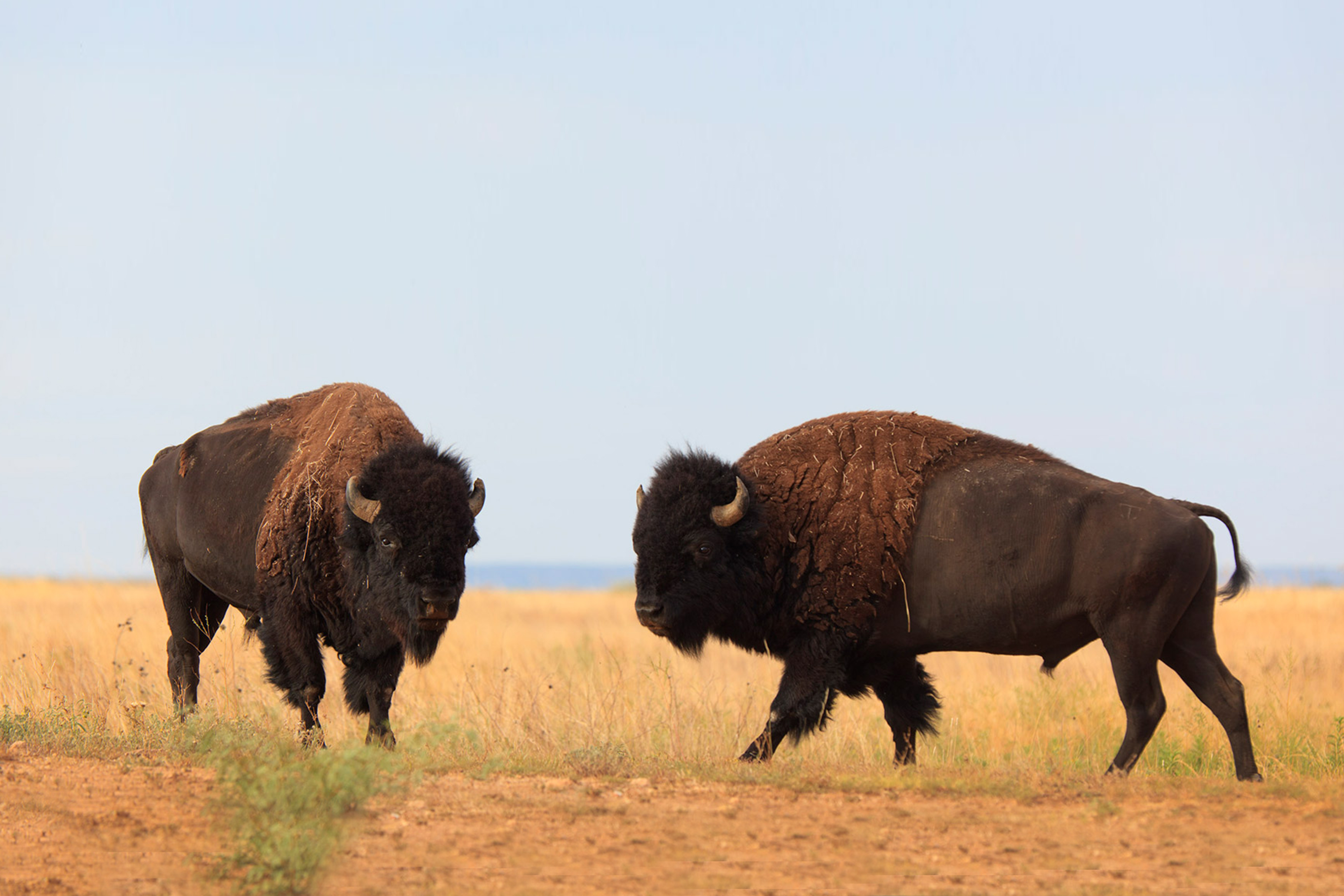
Caprock Canyons State Park’s bison herd is essential in the conservation efforts of the American bison, which are one of the remaining examples of the Southern Plains variety. Bison roam freely throughout the Panhandle park, so keep this “bison etiquette” in mind before visiting North America’s largest animal:
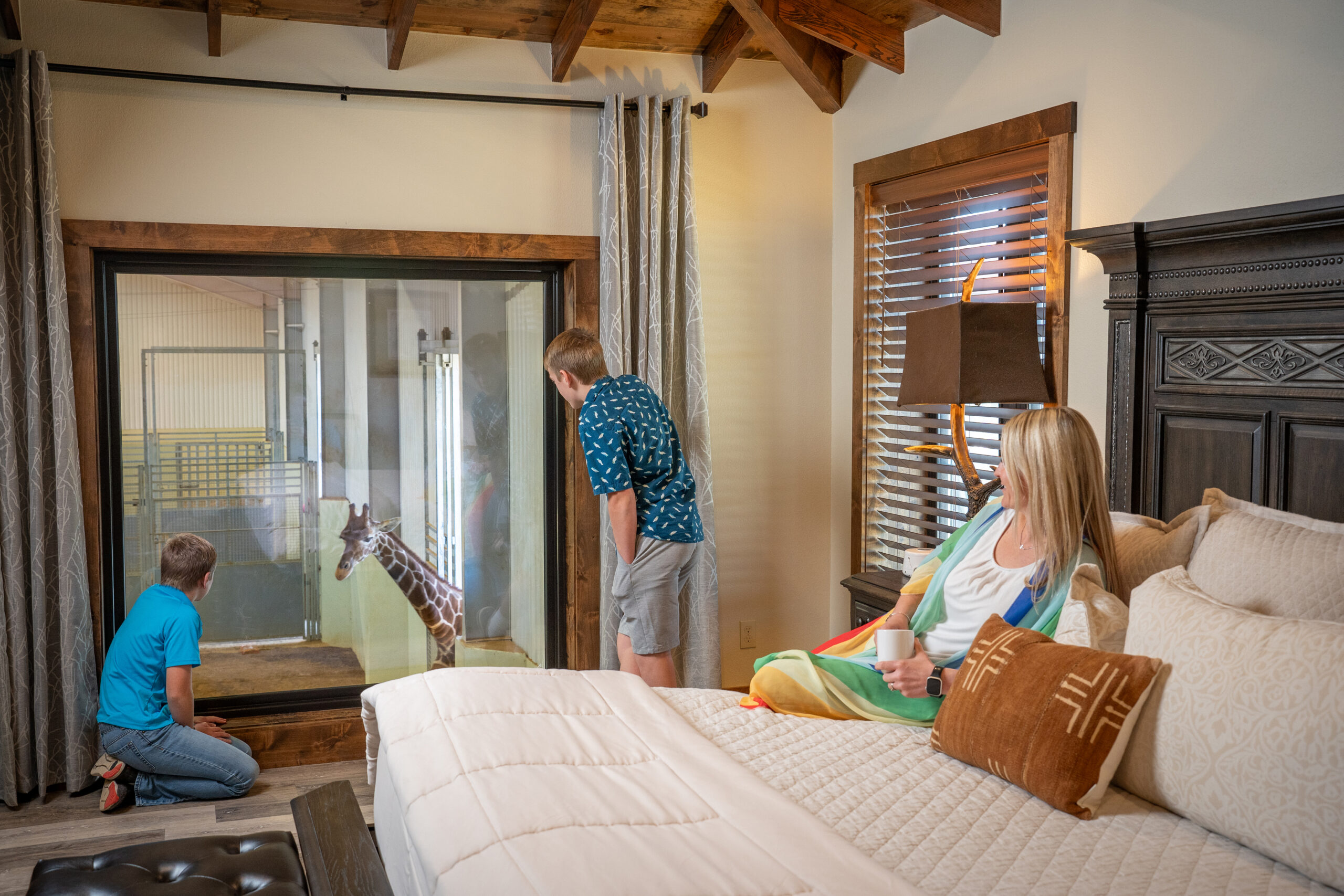
If a day trip just isn’t enough, book a night or two at these five unique stays for an even closer encounter.
Exotic Resort Zoo Safari Cabin Rentals
235 Zoo Trail, Johnson City, TX 78636
What started nearly 30 years ago with a baby Canadian elk named Dottie has grown into nearly 140 acres with camels, sheep, and a lowland tapir. Choose from eight different cabins on the property, each with its own theme. While there, take a private guided tour and wander over to the on-site petting zoo.
The Lodge at Fossil Rim
2299 County Road 2008, Glen Rose, TX 76043
Lean into the Texas charm at this remote getaway located within Fossil Rim. There’s an assortment of rooms to choose from, but the main appeal is the wraparound balcony on the lodge’s second floor. Catch a cotton candy sunset or relax while looking for wildlife in the open pastures. This is an ideal stay for those booking a behind-the-scenes or twilight tour.
Longneck Manor
1749 Beyer Rd., Fredericksburg, TX 78624
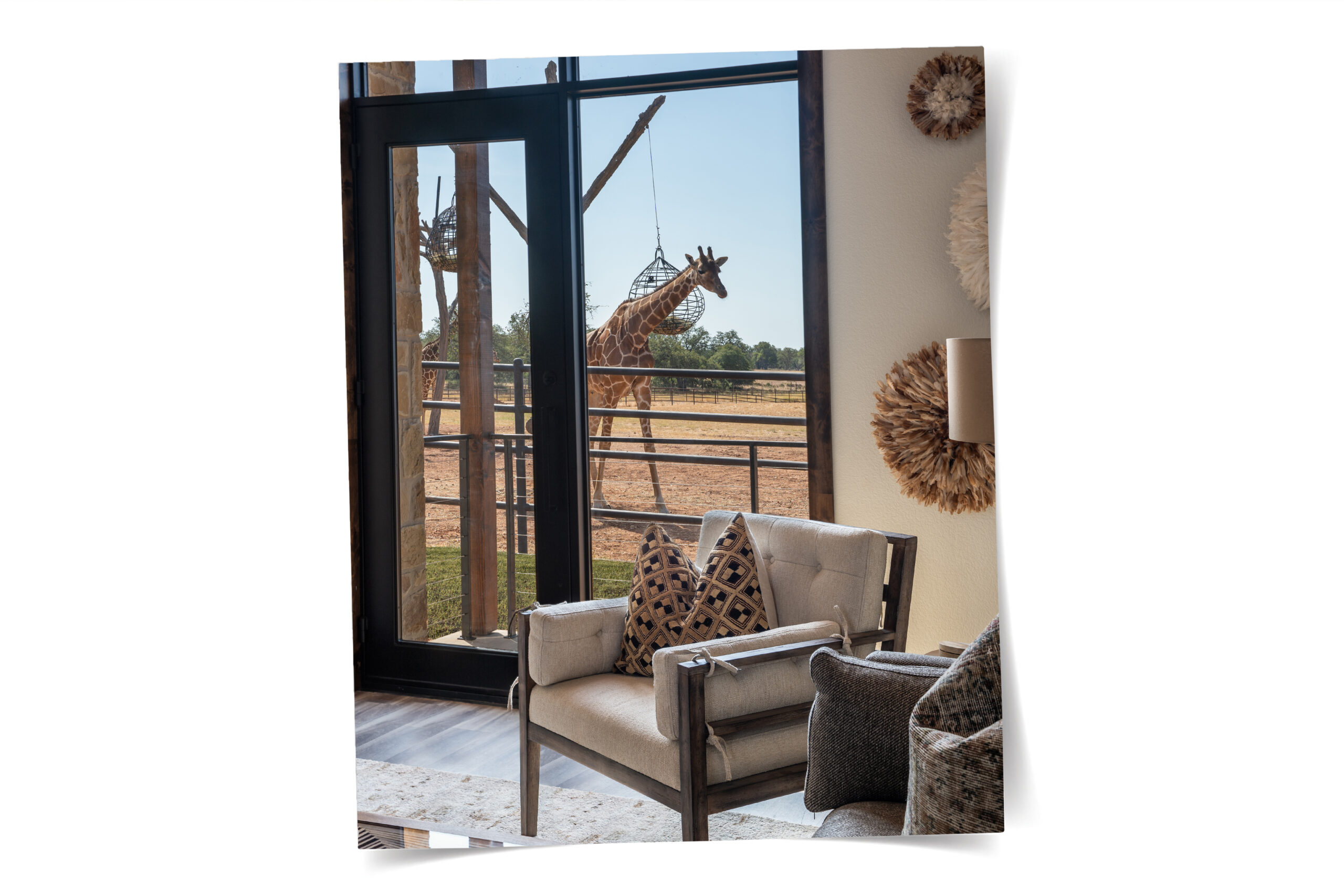
Sleep with the giraffes deep in the heart of the Texas Hill Country. The aptly named Longneck Manor, a nonprofit conservation park that works with the country’s finest zoos, offers up to four guests the once-in-a-lifetime opportunity to sleep in a 1,200-square-foot suite on the second floor of the property’s giraffe barn.
Moon River Ranch
402 County Rd. 417A, Satin, TX, 76685
Stay among 550 acres with more than 500 animals, ranging from antelope and peacocks to oryx and zebras. Stay in a covered wagon with modern conveniences, a rustic bungalow, or a hotel plucked from the Old West. There’s hardly a better place to kayak on the Brazos, go on a guided safari, or take in the star-studded night sky.
The Silo House at Laughing Llama Farm
4037 Deer Creek Rd., Troy, TX 76579
One of the world’s most wish-listed farm stays on Airbnb is only about 30 minutes outside Waco. Here, you’ll find a salvaged — and heavily renovated — grain bin that’s been transformed into a 600-square-foot stay. While there, guests can walk one of the llamas and get hands-on farm experience feeding animals and collecting eggs (depending on the season).
No matter where you go, you’re sure to have a wild good time! Take advantage of everything “exotic” that Texas has to offer and load up for a weekend trip you’ll never forget.
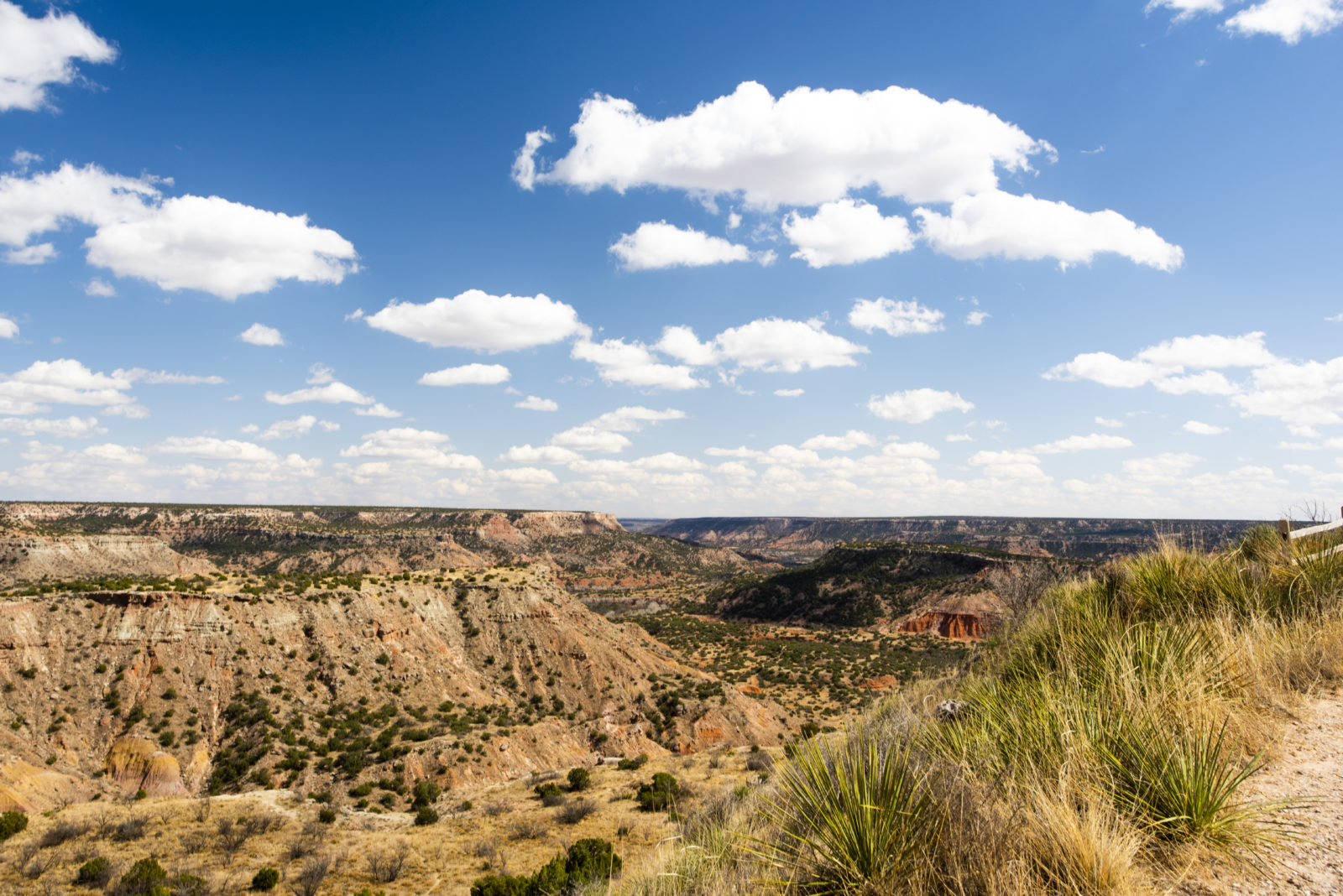
Home to America’s second-largest canyon.
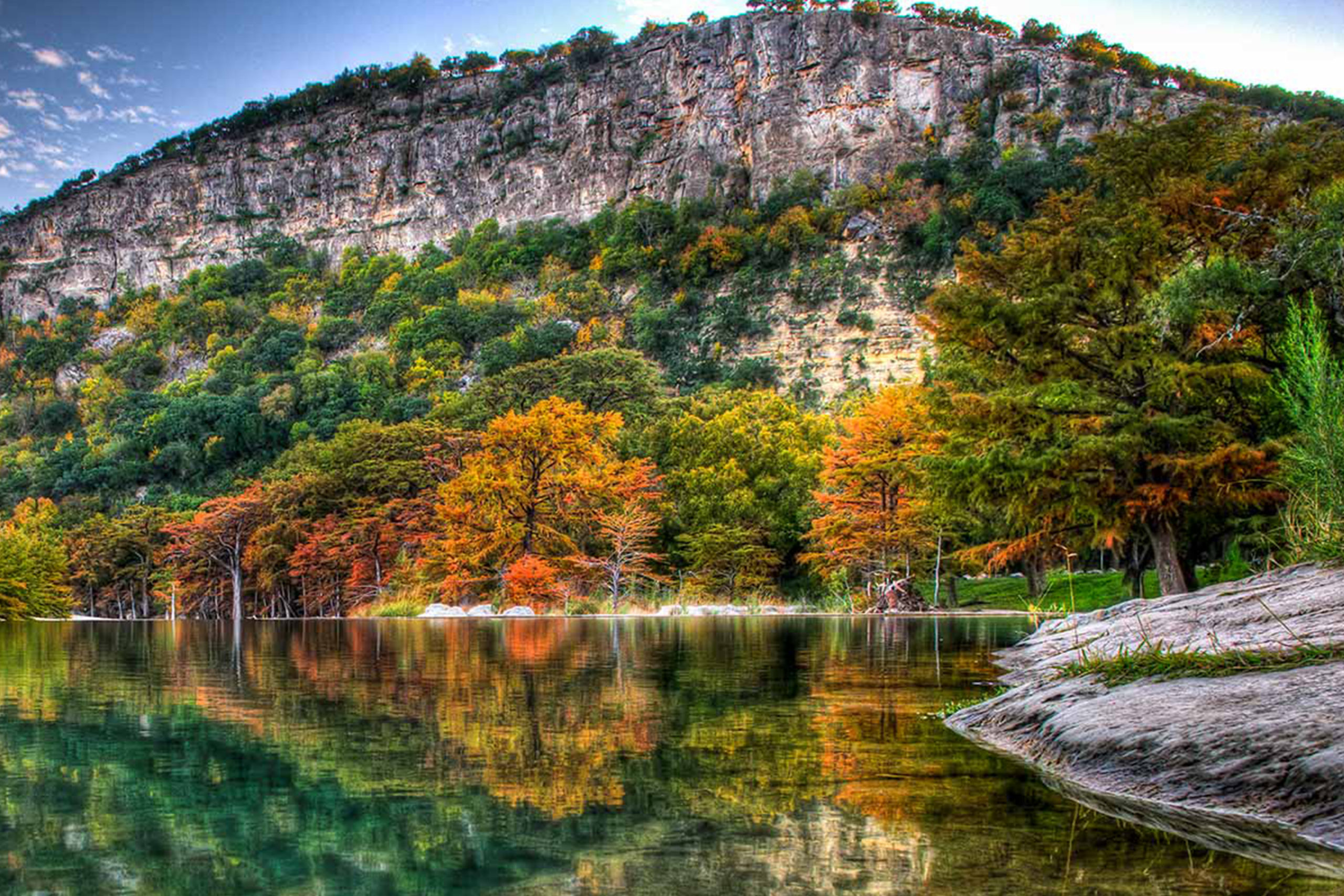
The Ultimate Guide to Texas’ State Parks: South Edition
In this installment of our state parks tour, we head from the babbling waters of the Frio River down to the Rio Grande and into some of Texas’ most historic sites.
Share a bit of holiday spirit with these homemade gifts for everyone in your life.
15 of Texas’ Finest Retro Diners
Get your mile-high meringue here
Rather than surrender to the turkey coma, make meaningful memories.
How German Traditions Shaped Christmas in Texas
Nutcrackers, candlelit pyramids, Moravian stars, and more.