
Please sign in as a member or guest below to access it.
Please sign in as a member or guest below to access it.

Now is the time to wrangle up the kids, tune up the bicycles, and get outdoors. It’s also the perfect time for planting.
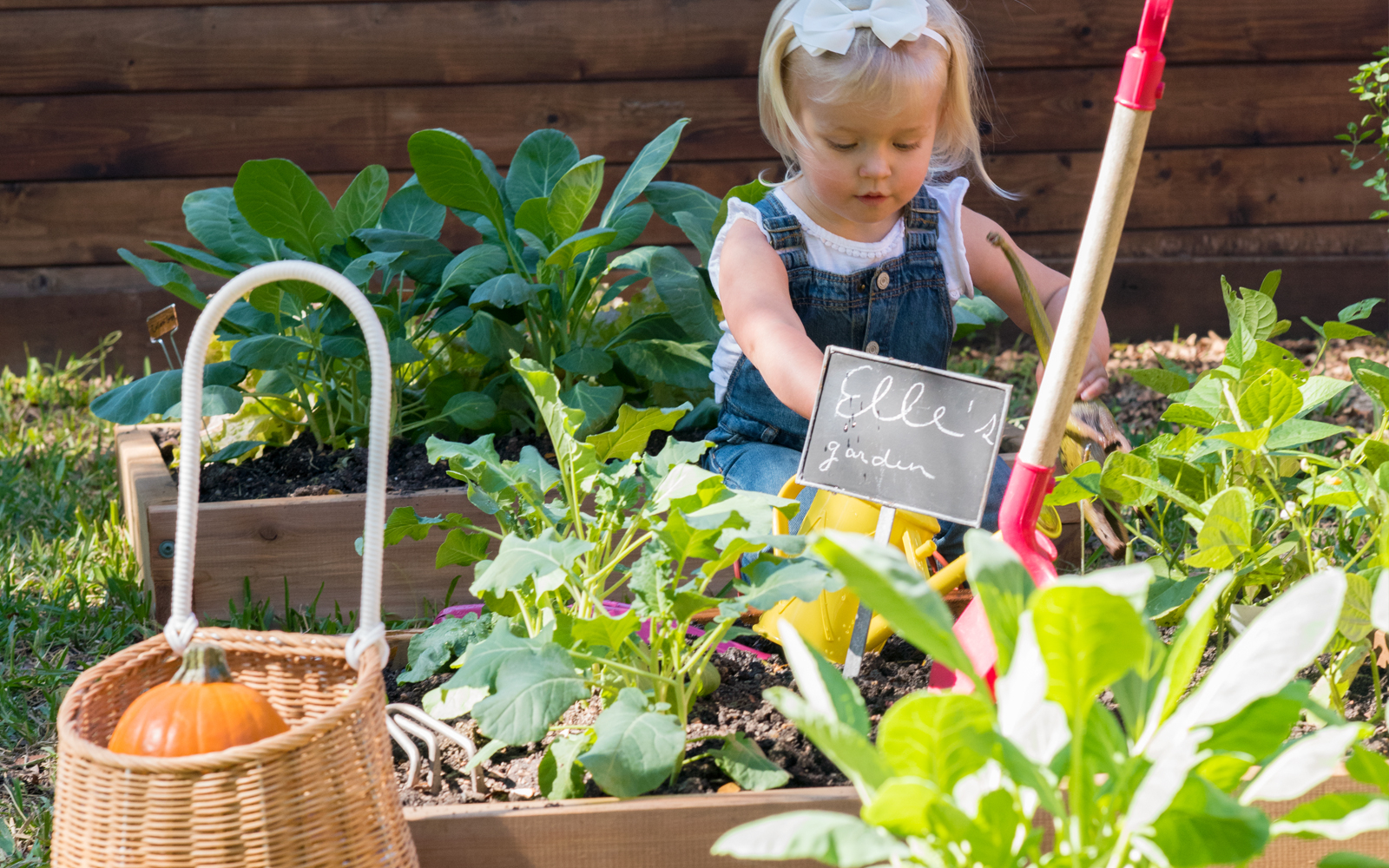
Gardening can be a wonderful way to teach children about the science of life cycles, ecosystems, and ecology. Kids also learn other important lessons, like personal responsibility and problem-solving skills, by tending to the plants. Best of all, gardening with your kids will be one learning experience that won’t feel like a lesson — it’s fun, easy, and rewarding.
Help the kiddos feel a real sense of ownership and responsibility over the project by sitting down with a book or heading to the garden store together to pick out seeds or seedlings. They can research when each plant needs to be planted, what nutrients they need to grow, how deep and how far apart they need to be planted, and what special tools you need. Starting a garden journal is a great way for children to keep track of what they learn — and will be a wonderful memory to look back on.
It’s important to plant after the last frost of the winter season. You may start as early as Feb. 1 if you’re on the southern Gulf Coast, or as late as the end of March in the western mountains and Panhandle. Your kids can use the handy chart on the Urban Farmer website to help you plan.
What will you need to get your garden started? Besides plants and seeds, there are also tools (trowels, gloves, watering cans, spray bottles, stakes, string, rakes, hoes), fertilizer, mulch, pest control, organic matter, and other soil additives. You may want to buy new tools for your child so that they feel really connected to the project. They can even draw up the list in their garden journal. Designate a special place in the house, garage, or shed to store their little garden tools.
Your garden should get lots of sun and have good drainage, suitable soil composition, and easy access to water. Do you want to build raised beds or start by clearing a section of lawn? Will you include drip irrigation or will you water with a hose or a can? What is the soil composition of your garden bed? Talk to your kids about the earth; plants like soil that is neutral or slightly acidic, and depending on where you live you may want to add limestone, ferrous sulfate, or other substances that affect pH. Your local garden store professional can give you advice here.
You’ve gathered your seeds and tools, dug out a garden bed, and worked fertilizer into the soil. Planting day is here! Involve the whole family. Measure out your planting space, press your seeds or seedlings into the soil, mark each spot with a homemade plant marker, water, and let it grow.
The initial excitement over planting a garden can wane, particularly in the first few weeks when the fruits of your labor are not yet visible. Journaling changes they observe and what they do each day, like watering and weeding, will help the little ones stay focused. Try starting a compost heap, which will help keep your garden healthy and turn the end of every meal into part of the gardening process.
Before it is time to harvest, ask your child whom they want to share some of the bounty with; perhaps peppers or tomatoes could be delivered to a friend or favorite teacher. If you are growing flowers, your child may want to give them to a grandparent or neighbor.
Growing a garden can be about so much more than teaching the science of botany and the responsibility of seeing projects through to the end. It’s also valuable time spent together enjoying, exploring, and sharing the beauty and wonder of the natural world.
Coverage and discounts are subject to qualifications and policy terms and may vary by situation.

How to Create an Indoor Zen Garden
Zen gardens are the perfect indoor activity to create a peaceful, serene corner of your home.
3 Center-Stage Squash Recipes for Thanksgiving
Isn’t it time we gave this humble vegetable the spotlight it deserves?
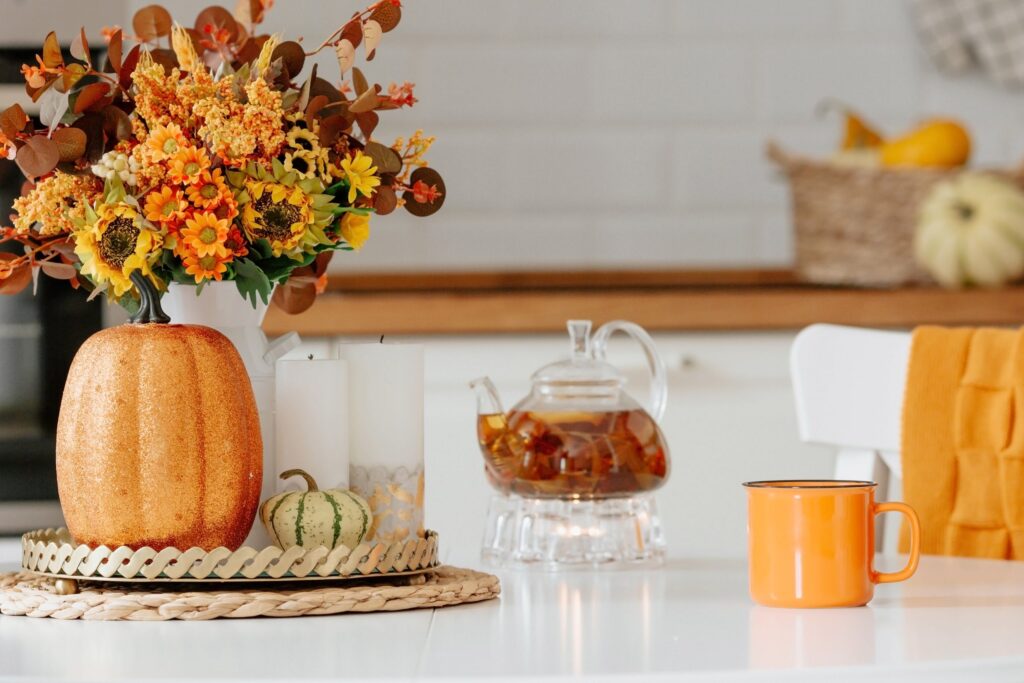
More pumpkins, please.
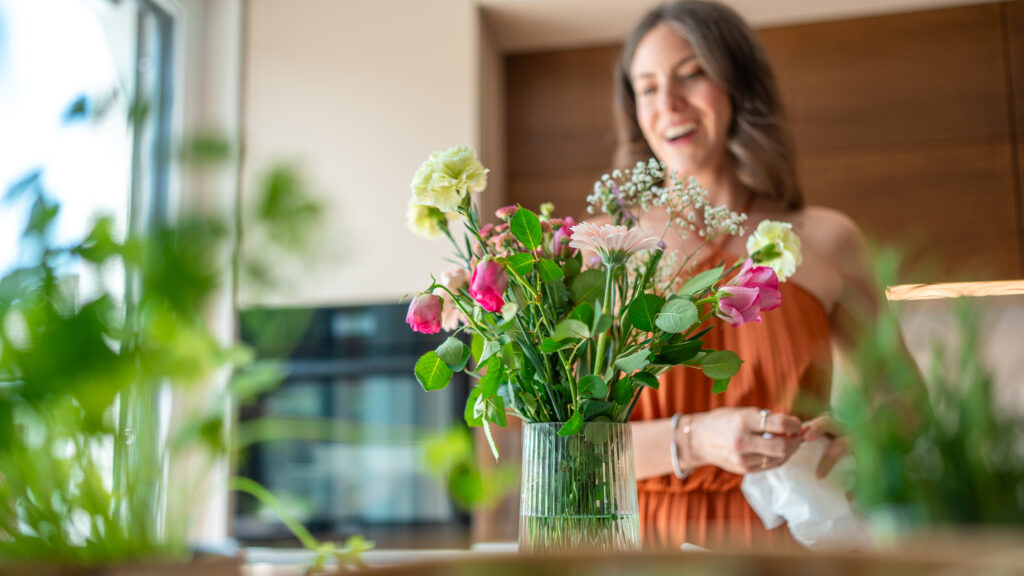
Planning a Texas Cutting Garden
For gardeners particularly fond of giving or displaying bouquets.

How to Set Your Thermostat in Summer
What is the most comfortable — and efficient — summer thermostat setting? We try to settle the debate for good.
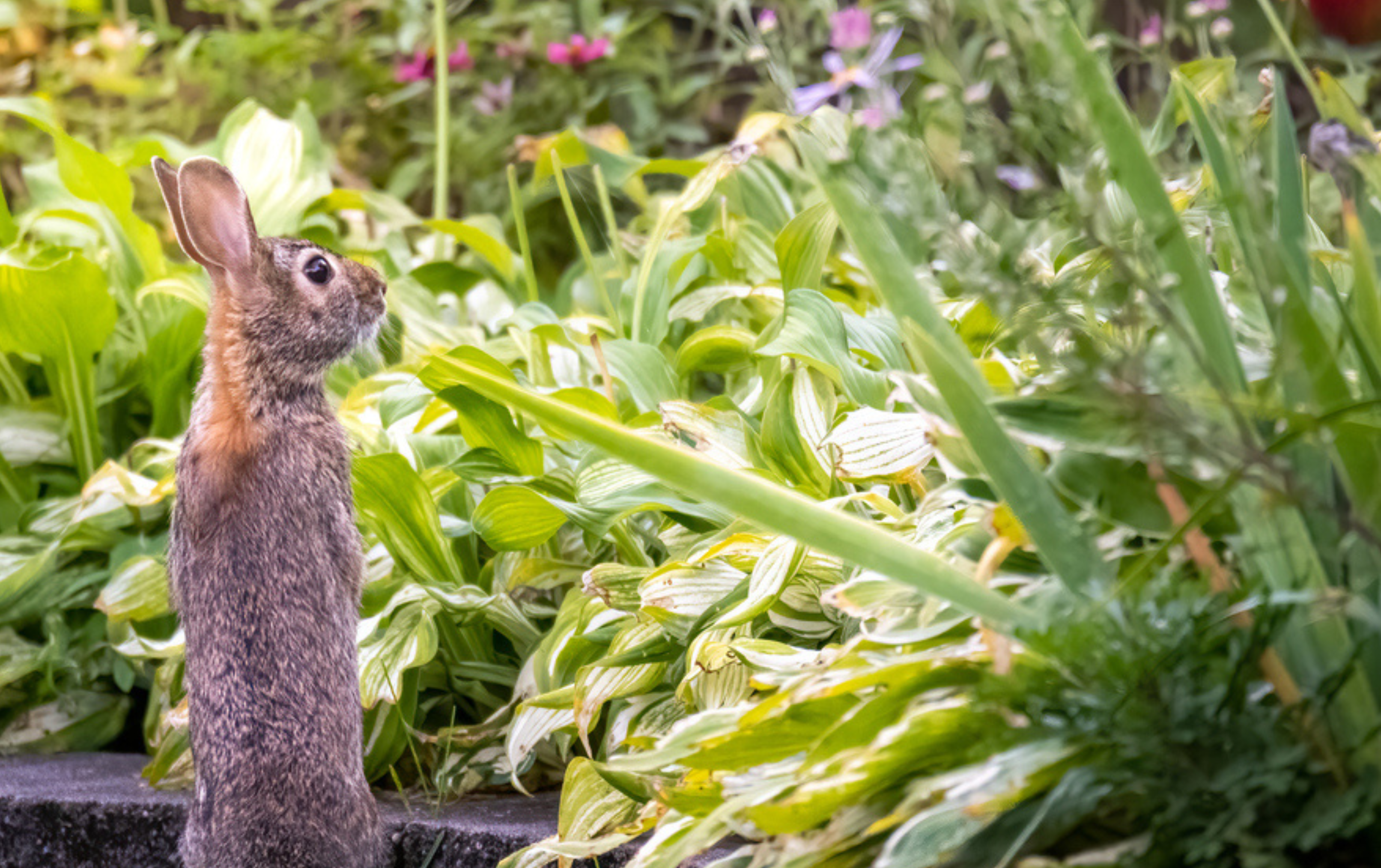
Safe Ways to Protect Your Garden from Animals
You don’t have to harm wildlife to keep them out of your garden.