
Please sign in as a member or guest below to access it.
Please sign in as a member or guest below to access it.

Be ready for anything.
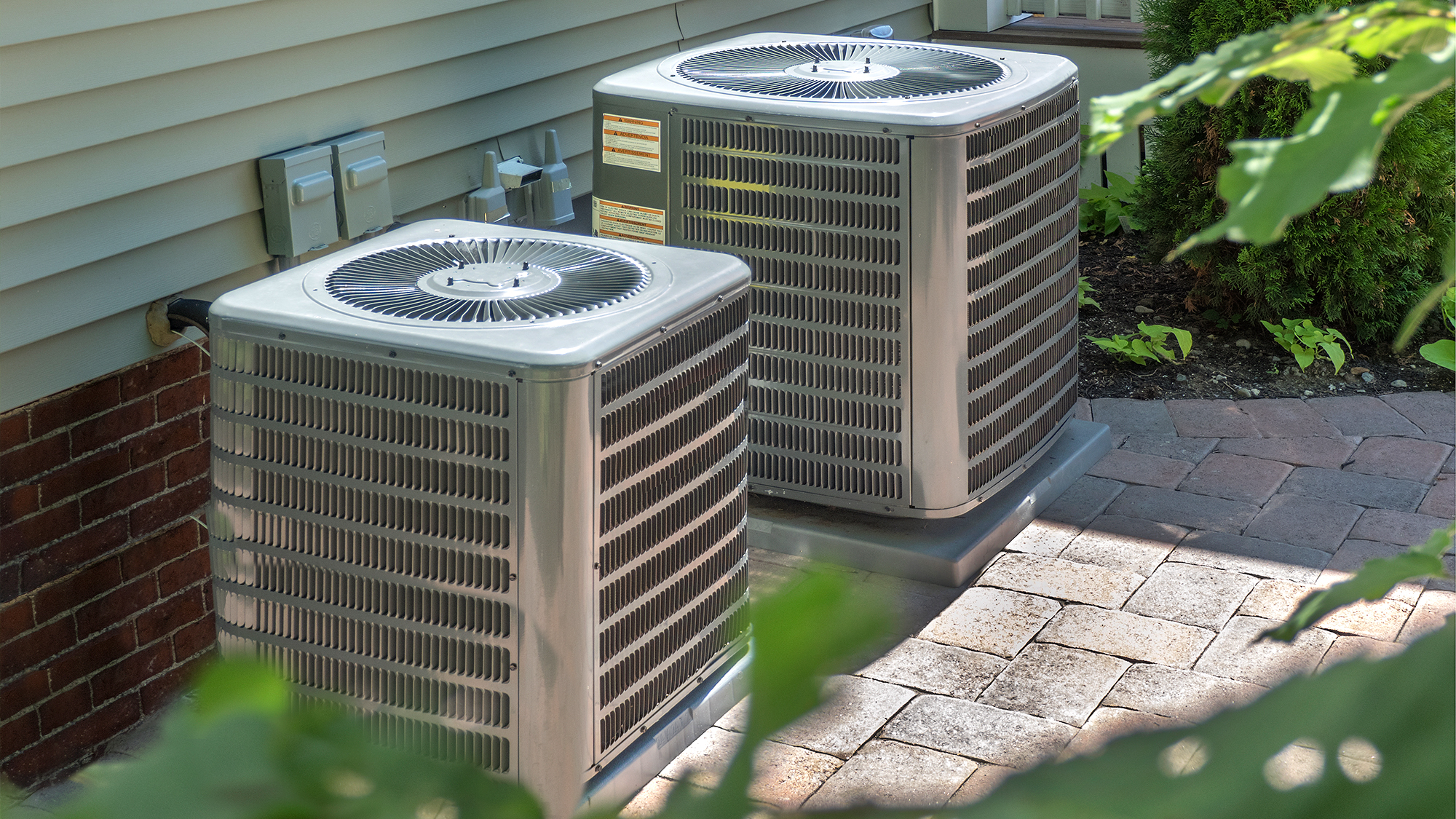
In Texas, a reliable HVAC system isn’t a luxury. It’s a necessity. Wide temperature swings that range from triple-digit days to sudden cold snaps make choosing the right cooling and heating system an essential part of living in the Lone Star State.
Understanding your HVAC options can help you make a smarter long-term investment. This HVAC guide covers everything Texans need to know about buying an HVAC system, from sizing and installation considerations to differences between HVAC systems.
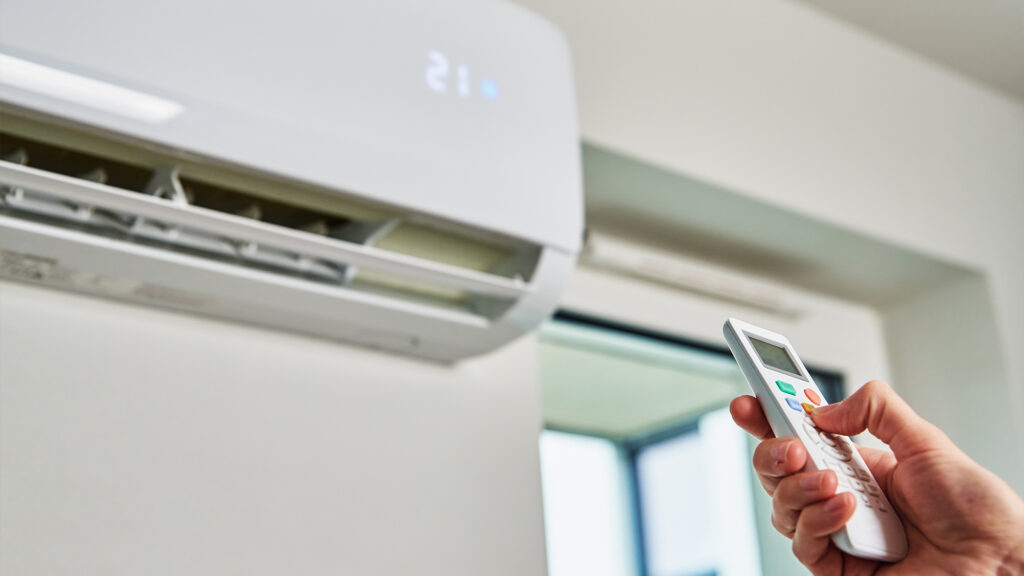
There are several different types of HVAC systems, but the right choice will depend on your climate preferences, home size, and budget. Here’s a closer look at three main types of HVAC systems:
Bigger isn’t always better when choosing an HVAC system. A large, oversize unit will cool your home quickly but often leads to uneven temperatures and higher energy bills. A smaller, undersized unit might struggle to keep up — especially during extreme weather.
An experienced contractor can help you determine what size you need. They’ll help you figure out load calculation (called a Manual J assessment) through specific factors, including your home’s square footage and insulation.
Efficiency matters greatly in a state where the AC runs most of the year. Seasonal Energy Efficiency Ratio, or SEER, is an efficiency rating for HVAC systems, and it gauges how well a unit works. You may also see SEER2 ratings — an upgraded version of the SEER rating designed to assess real-world performance. The higher the rating, the more energy-efficient the HVAC system. Texans should consider systems with higher SEER ratings, despite typically having a higher upfront cost.
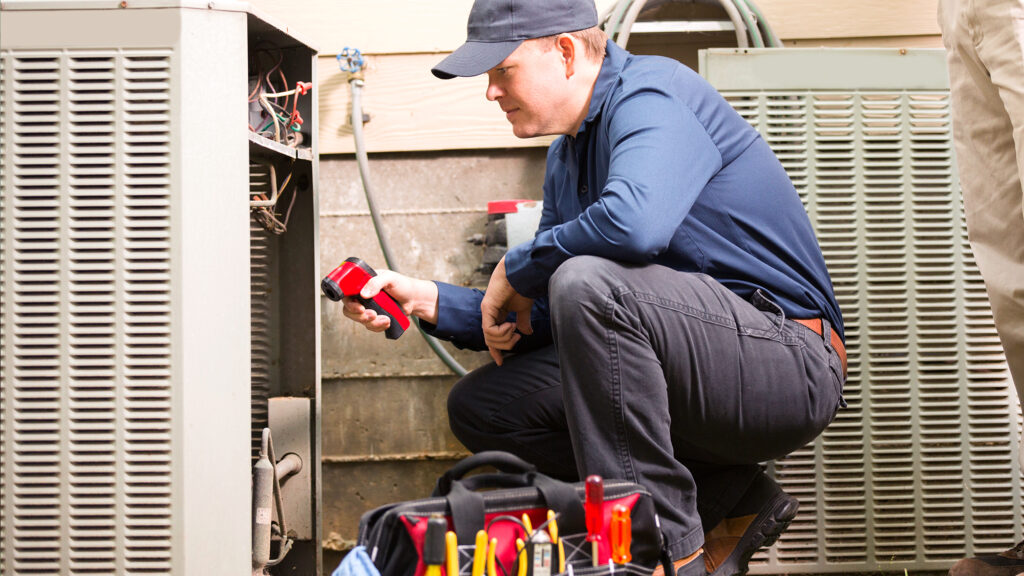
Installation can impact everything from the HVAC system’s lifespan to its efficiency. Cutting corners can lead to costly repairs — or replacements — down the line. Avoid that upfront by hiring a licensed, insured HVAC contractor or technician. They’ll evaluate your home’s ductwork, test airflows, and verify refrigerant charge.
Take time to vet contractors before committing. Get recommendations from family, friends, and neighbors. Check out online reviews too. Recent reviews that mention scope, schedule, and how problems were handled can provide a lot of necessary context.
Before buying an HVAC system, ask your installation professional these questions:
Installing an HVAC system is a significant investment. The overall cost can vary based on the system type, size, and labor costs. On average, in 2026, Texans can expect to pay around $7,500 for an HVAC replacement, but the price can be as high as $22,000 if new ductwork is needed and you opt for additional features like a HEPA filtration system.
The good news is that most HVAC systems come with a warranty. The standard HVAC warranty lasts about five years, with some brands offering an extension to 10 years. Some manufacturers, such as Maytag and Trane, offer transferable warranties. It’s worth asking about if you’re in the market for a new home.
As one of the most important systems in your home, your HVAC needs a little TLC from time to time. Tasks like checking and replacing air filters and keeping indoor vents clean and clear of debris can go a long way, saving you time, money, and anguish in the long run. Keep your system humming along perfectly with this annual HVAC maintenance checklist.
If your wallet is feeling the burn, here are some ways to save on searing summer energy bills.

4 Ginger Essentials for Your Spice Cabinet
Fill up your spice cabinet with warmth to get you through the winter.
Spring-Cleaning Hacks for a Refreshed Home and Mind
The joys of demystifying, decluttering, and donating.

Try this natural, fruity cleaner for a sparkling home.
Your Guide to Growing Fruit Trees in Texas
The right varietals for your region can lead to a year-round bounty of delicious, homegrown fruit.

6 Things to Do Before Rainy Season in Texas
Don’t save this guide for a rainy day.

How to Grow the Perfect DIY Herb Garden
Every great home chef needs a fresh herb garden.