Please sign in as a member or guest below to access it.
Please sign in as a member or guest below to access it.

Set up your yard for year-round success.
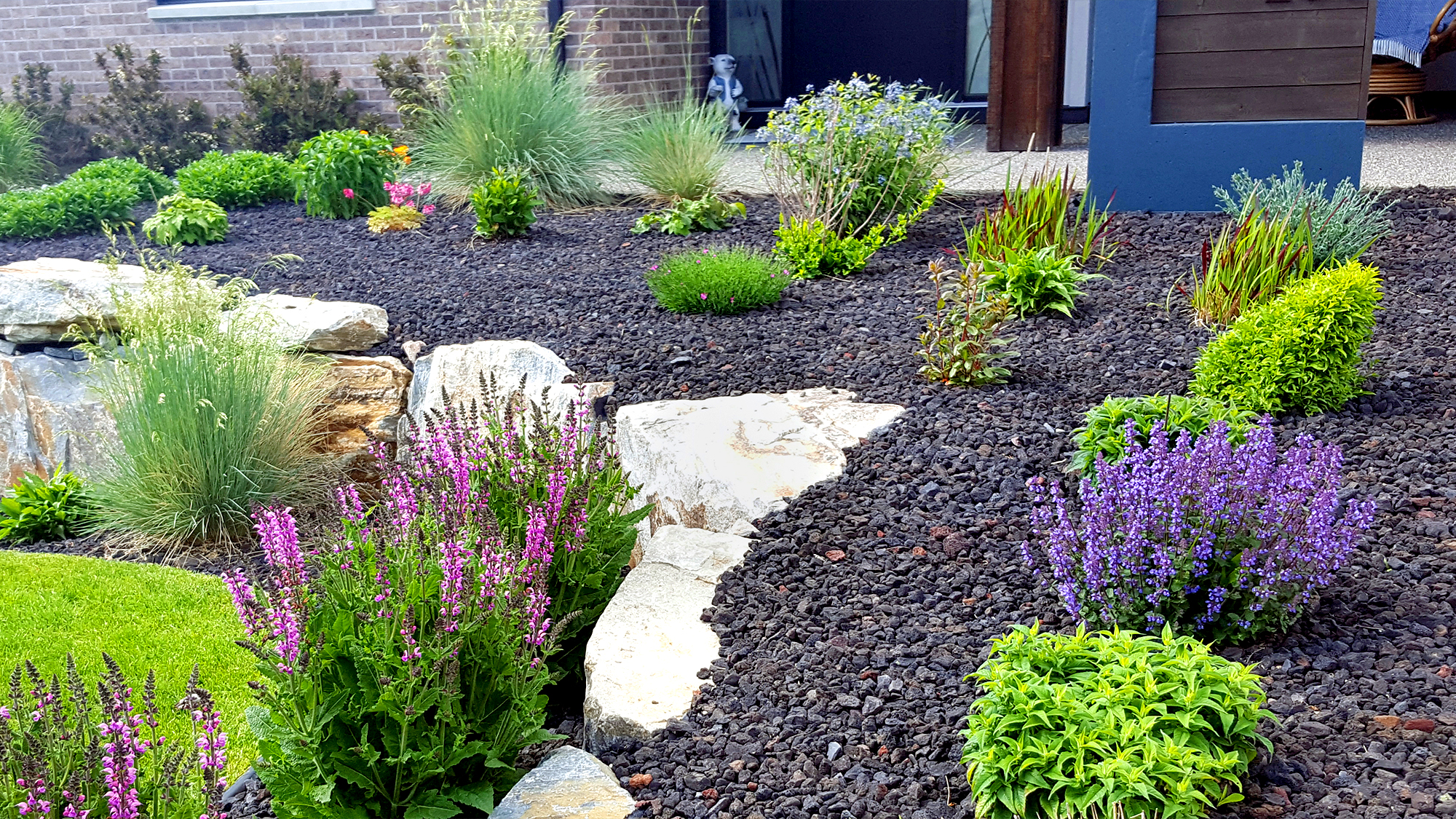
Many Texans who think they don’t have a green thumb may actually just be gardening on hard mode. Instead of planting based solely on appearance, set up your yard for success with xeriscaping.
In a nutshell, xeriscaping (from the Greek root “xeros,” meaning “dry”) is landscaping in a way that requires less watering. This doesn’t mean replacing all your plants with rocks; these landscapes can be some of the most colorful and lush. It just means prioritizing plants that are already well-adapted to our hot, drought-prone state and using water efficiently.
Xeriscaping reduces water bill costs and requires less ongoing maintenance.
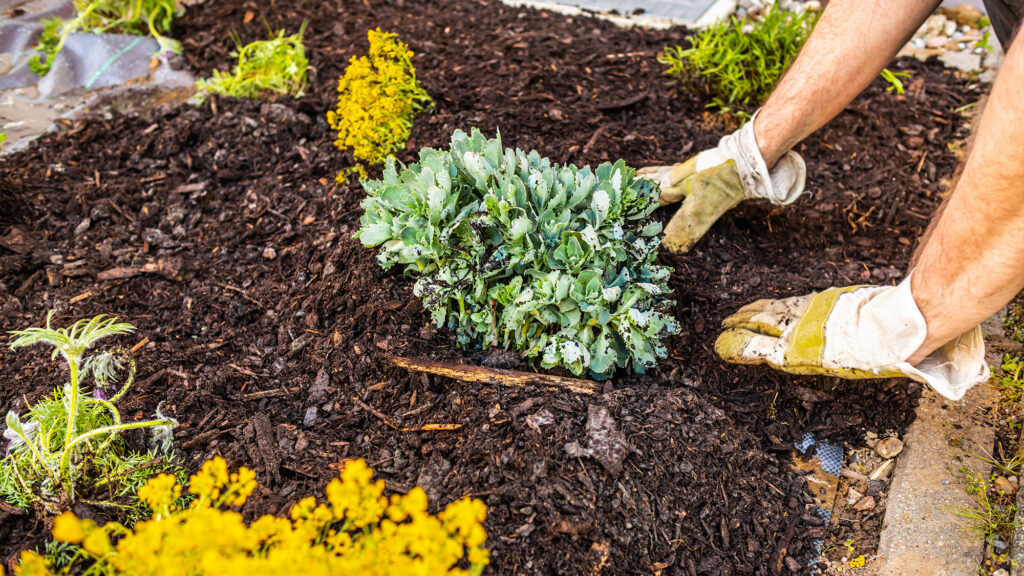
Healthy soil retains moisture while still draining adequately. A few inches of mulch on your soil slows water evaporation, protects the soil from erosion during heavy rainfall, and helps regulate soil temperature. Compost helps with structurally difficult soils, such as clay or sandy soil.
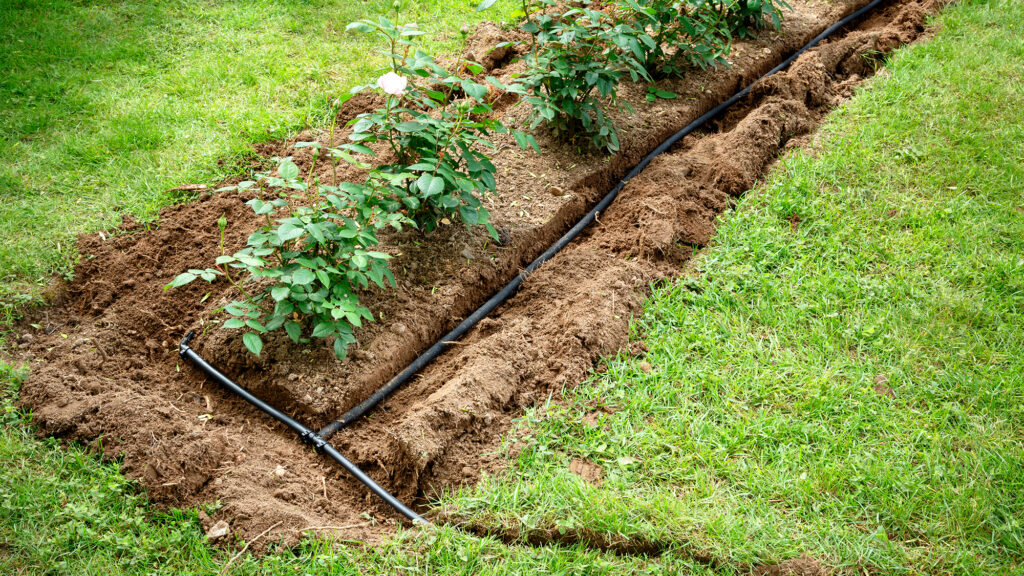
In most cases, xeriscaped yards still require some watering, but not as much, and when you do water, you make every drop count. Timing and depth are the two keys to remember. Along with watering less frequently, aim to water deeply, soaking the soil to a depth of about 6–8 inches every 7–14 days, depending on heat, rainfall, and soil type. This encourages strong root development and makes plants better able to find water; soaker hoses under mulch are great for this. And of course, water in the early morning to keep the sun from evaporating it before it can penetrate the soil. Simplify the whole process by grouping plants with similar water needs.
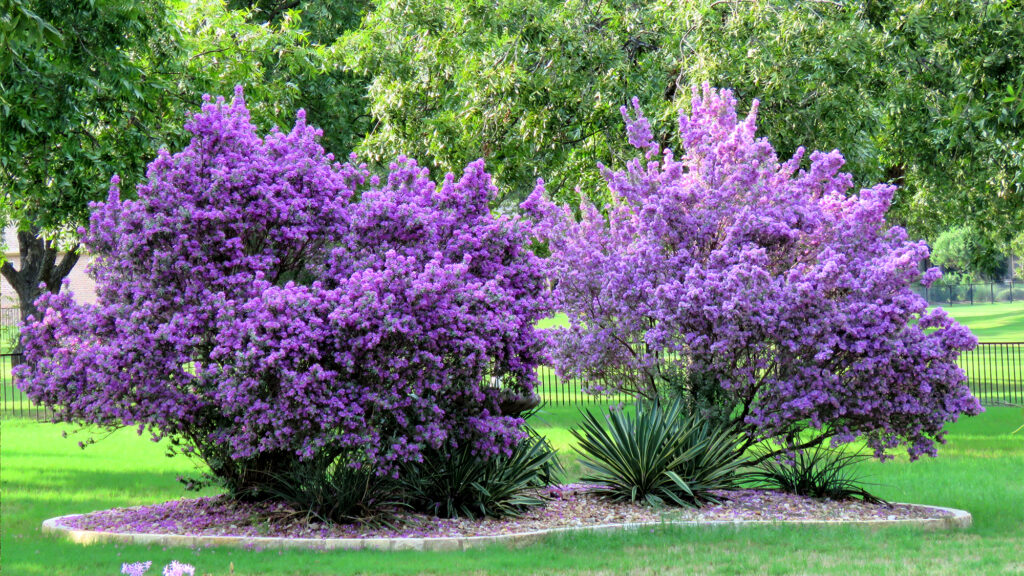
Because they have adapted to their environment over long periods of time, native plants thrive more easily with the normal amount of precipitation and have the advantage of supporting local wildlife. Check out our article on drought-tolerant plants for specific suggestions.
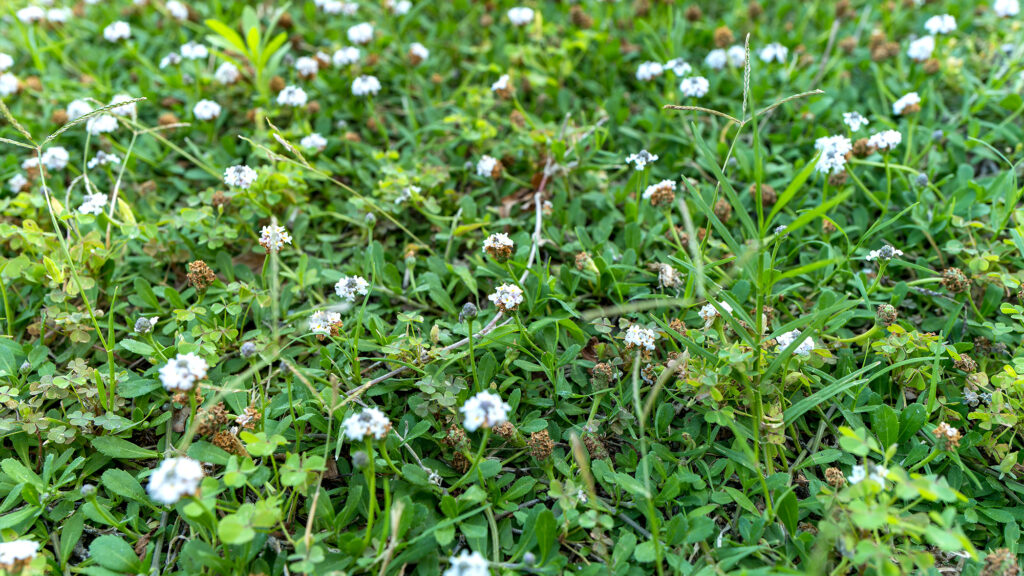
The biggest single thing you can do to reduce your yard’s water and maintenance needs is replacing turfgrass with ground cover, which are naturally low-growing plants that require little to no mowing and help suppress weeds. Frogfruit, woolly stemodia, and silver ponyfoot are popular native ground covers; buffalo grass is a low-water turfgrass alternative.
Xeriscaping is the “work smarter, not harder” approach to yard upkeep. Less work, fewer expenses, and beautiful results — what’s not to love? Be careful not to overwater out of habit, and fine-tune your setup over time for long-term success.
Installing AstroTurf is another low-maintenance option to combat struggling, brown yards.
Enjoy the Bounty of Fall Gardens
Gardening isn’t just for spring and summer. Explore all that fall gardens have to offer.

Forward to your favorite college student.
Spring-Cleaning Hacks for a Refreshed Home and Mind
The joys of demystifying, decluttering, and donating.
Add some festivity to your home with these beautiful, seasonal arrangements.

Declutter and make some extra cash at the same time.
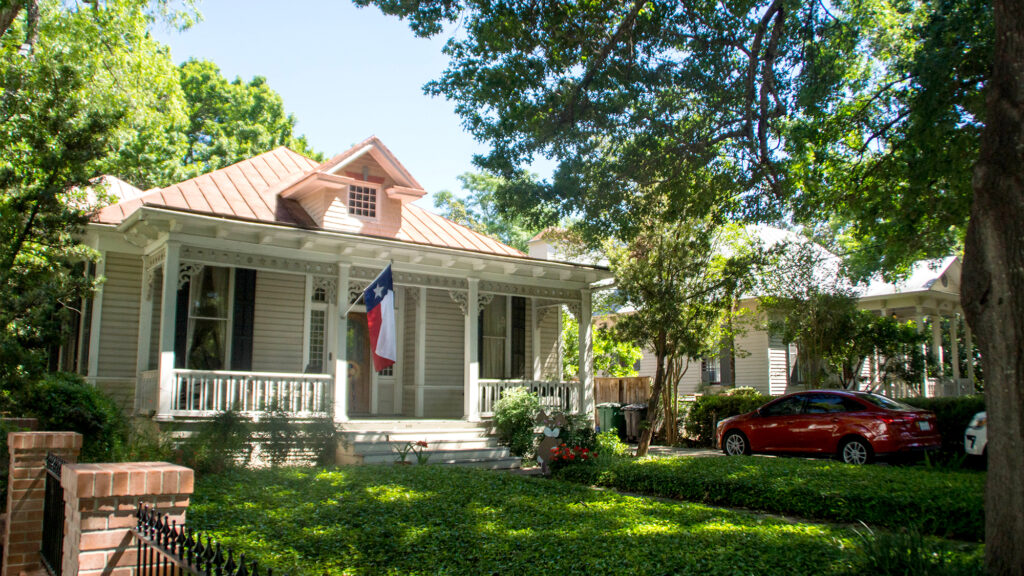
Common Hidden Home Problems in Texas
Some of the most serious issues could be growing under your nose.