Please sign in as a member or guest below to access it.
Please sign in as a member or guest below to access it.

And where to wrangle up a waltz tonight.
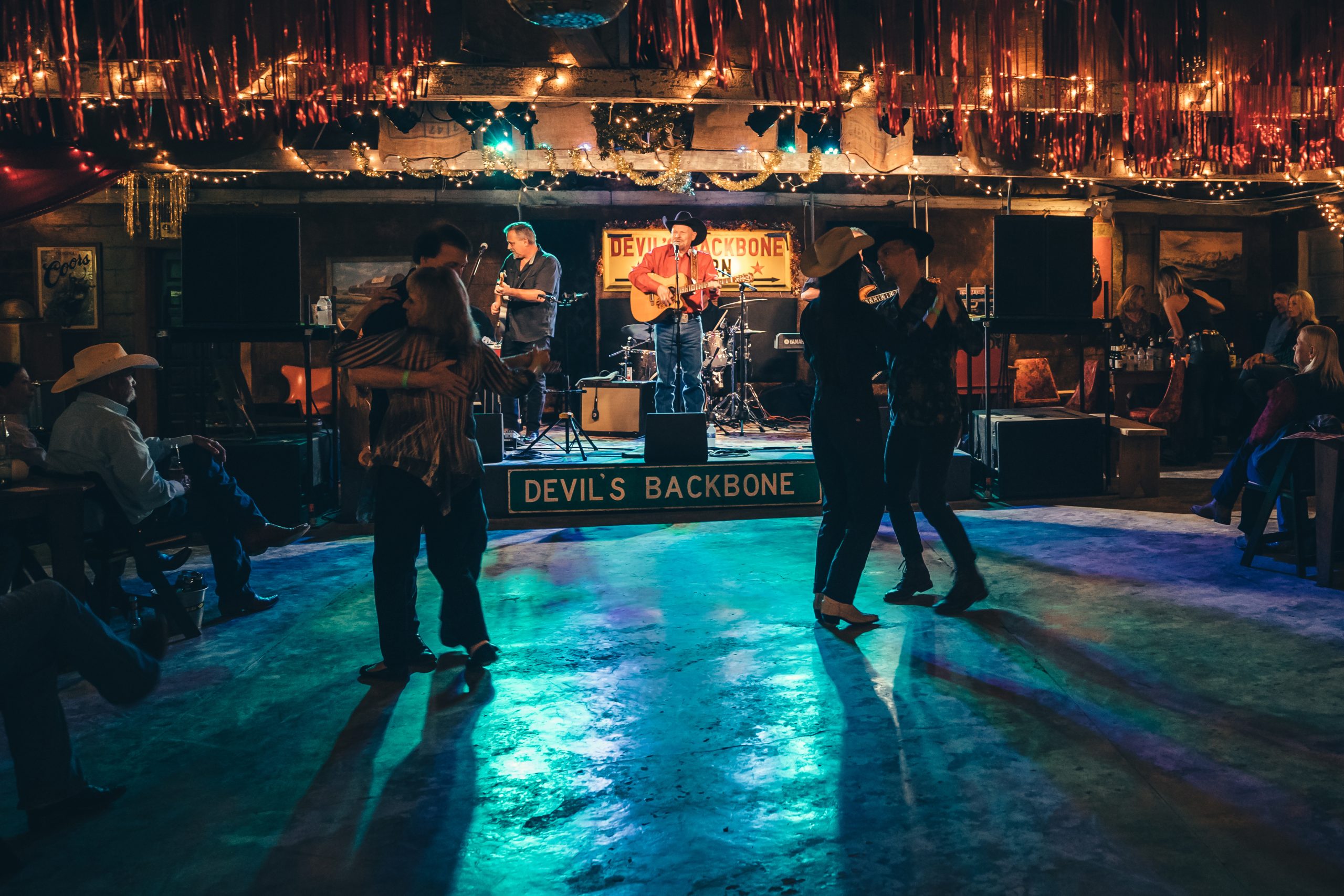
Texas has long been known for its larger-than-life culture, spirit, and community — and it just keeps getting bigger. The state has experienced urban sprawl and a 15% population increase in the past decade, in part thanks to tech companies and other businesses making Texas home. Yet, step inside a honky-tonk just outside town, shuffle your boots along the sawdust floors to the twang of a steel guitar, and time stands still.
For nearly 150 years, honky-tonks have been a cornerstone of Texas country culture. The same bands have played on stage for decades; the memorabilia on the walls doesn’t budge; and the regular crowd is often a lively mix of old-timers, ranch hands, and homesick city dwellers. Whether it’s your first visit or your hundredth, a genuine honky-tonk feels like home.
What truly makes honky-tonks special, though, is how they’ve endured through generations as a symbol of Texas’ unpretentious, independent spirit.
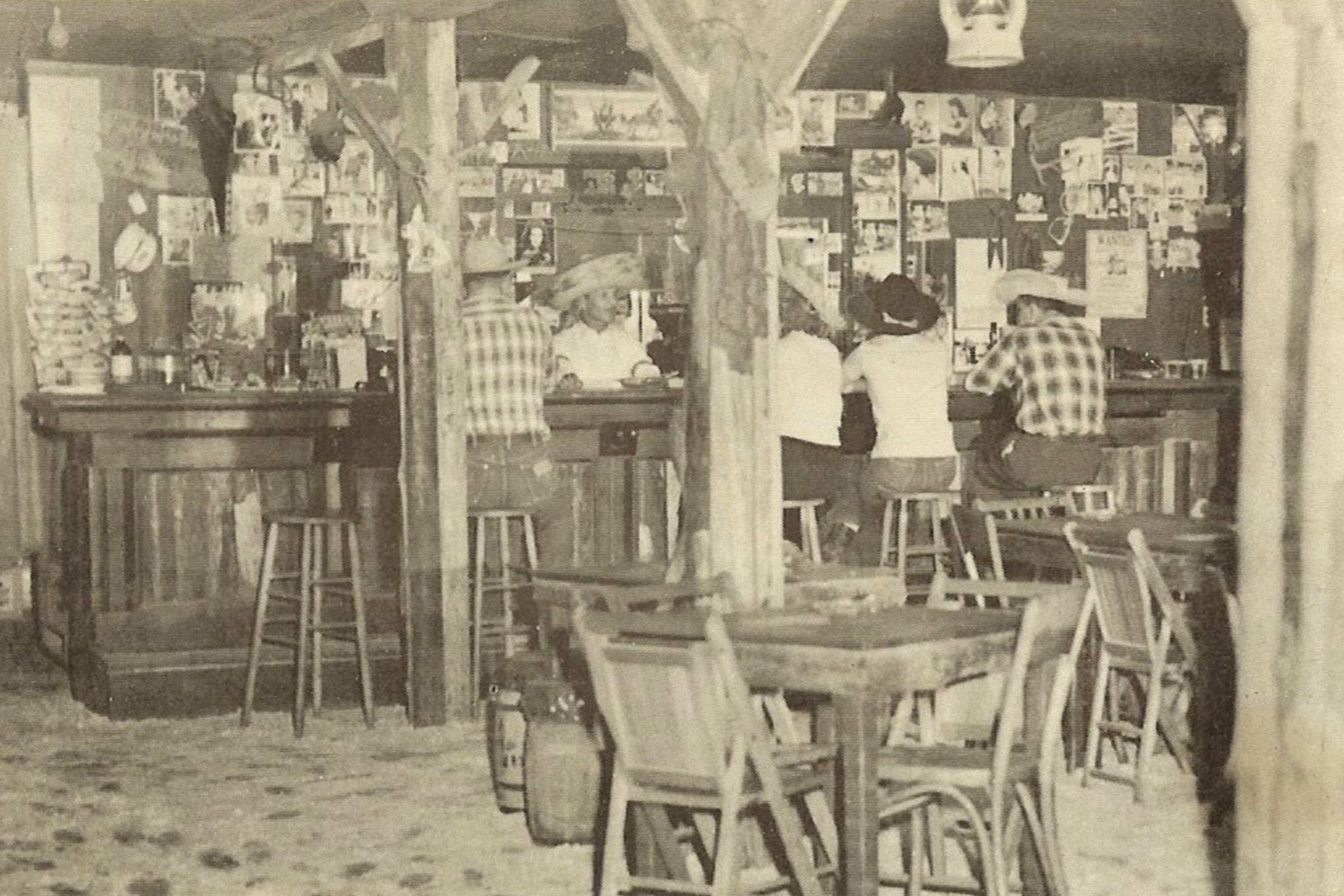
The origin of the term “honky-tonk” is hazy, first cropping up in Texas and Oklahoma newspapers and in the memoirs of aging cowboys in the 1890s to describe the dusty dance halls of their youth. By the early 20th century, the state was peppered with local watering holes where oil workers could dance to live music after a long day in the fields.
It wasn’t until after World War II that “honky-tonk” evolved into a distinct music genre. As families left rural farms for urban factories, honky-tonks offered city dwellers the familiar sounds and spirit of home. They were so popular that by the 1940s and ’50s, these venues were so rowdy and raucous that stages had to be barricaded with chicken wire to protect musicians from brawls. To rise above the noise, bands adopted amplified instruments like pedal steel guitars, electric guitars, and pianos, creating a high-energy, electrified sound with driving beats and sharp melodies. This distinct honky-tonk style was defined by legends such as Kitty Wells (“It Wasn’t God Who Made Honky-Tonk Angels”), Ernest Tubb (“Honky-Tonk Heart”), and Hank Williams (“Honky-Tonk Blues”).
By the mid-1950s, rock and roll had swept the nation, and mainstream country embraced Nashville’s polished, orchestral style. Texas honky-tonks bucked against the trend and their music became even grittier and less polished, paving the way for outlaw country. This era gave rise to popular musicians such as Johnny Bush (“Whiskey River”) and Billy Joe Shaver (“Honky-Tonk Heroes”), as well as the early careers of icons Willie Nelson and George Strait.
Then, “Urban Cowboy,” a Western romance featuring a young John Travolta, waltzed into theaters in 1980, bringing honky-tonks into the cultural spotlight once again. Filmed at the original Gilley’s in Pasadena (then dubbed the “world’s largest honky-tonk”), the movie cemented honky-tonks as a symbol of cowboy culture. Suddenly, no self-respecting watering hole was complete without a mechanical bull and nightly live music. Large venues such as Gilley’s Dallas (there are also locations in Nevada and Oklahoma) and Billy Bob’s Texas in Fort Worth ballooned into enormous entertainment centers, targeting tourists with tens of thousands of square feet on the dance floor, professional bull riding, and big-name country acts.
Historic Texas honky-tonks — the kind open for generations, with sawdust dance floors and local musicians belting their heartaches — didn’t blink an eye when the Billy Bob’s of the world popped up, and they’re not blinking now at the recent country chic revival trend either. It seems all of America is pining for country life. But inside a Texas honky-tonk, you’d never know. They remain timeless, untouched by mainstream culture with a self-sufficient, unapologetic, very Texas attitude.
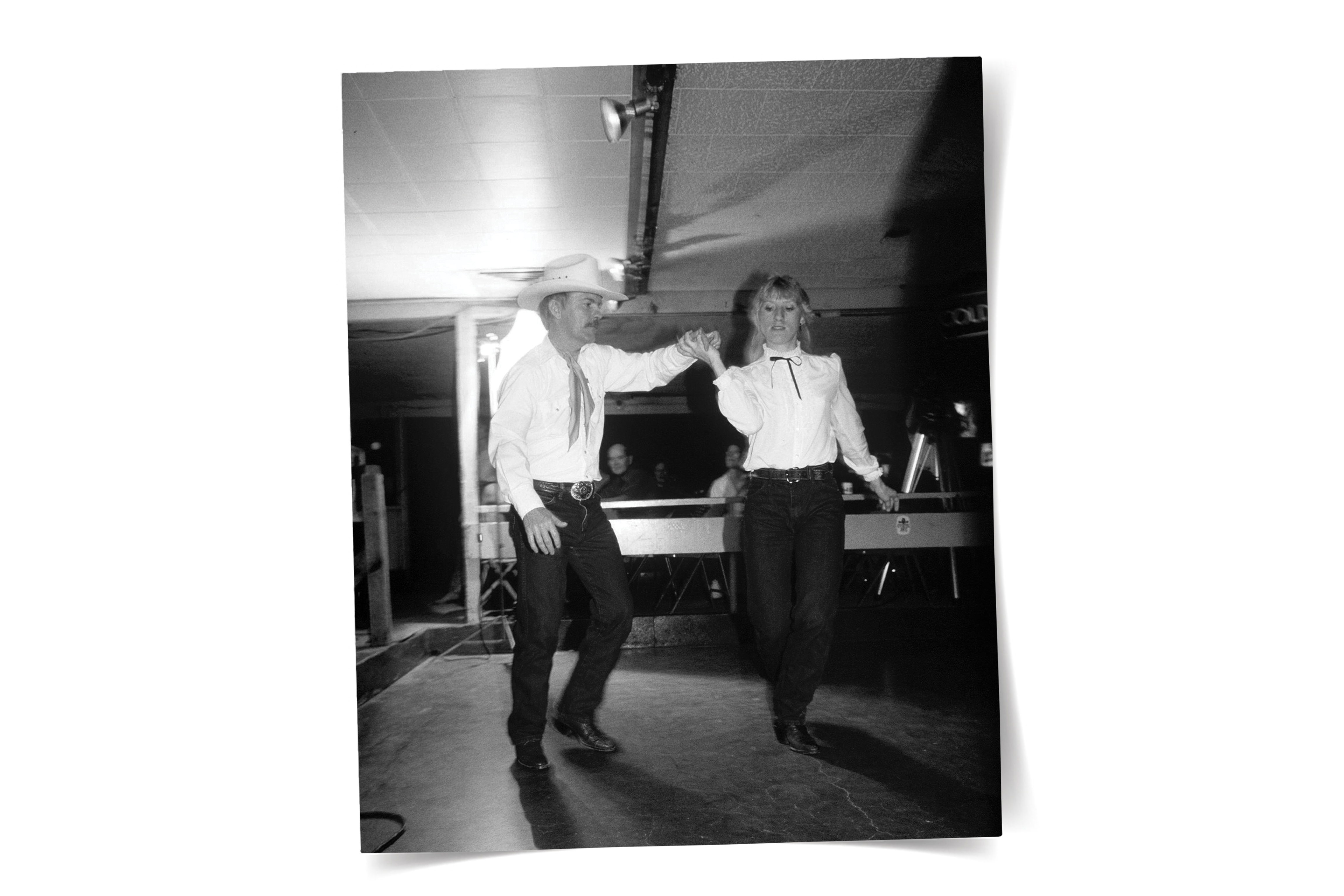
These tried-and-true establishments have stood the test of time.
Arkey Blue’s Silver Dollar, Bandera
Texas’ oldest continually operating honky-tonk, Arkey Blue’s originally opened as The Fox Hole in the 1920s. By 1968, singer-songwriter Arkey Juenke left his job as a wrangler to purchase the property. He’s since become a local legend, playing on stage almost every Saturday night for more than 50 years.
Walking into Arkey’s is a (sawdust-laden) trip through history. Inside, you’ll find a table into which Hank Williams carved his name, a wooden phone booth, a Dolly Parton pinball machine, and a still-functioning vintage jukebox. It’s also been a location for movies (1975’s “Race with the Devil”), commercials, and shows.
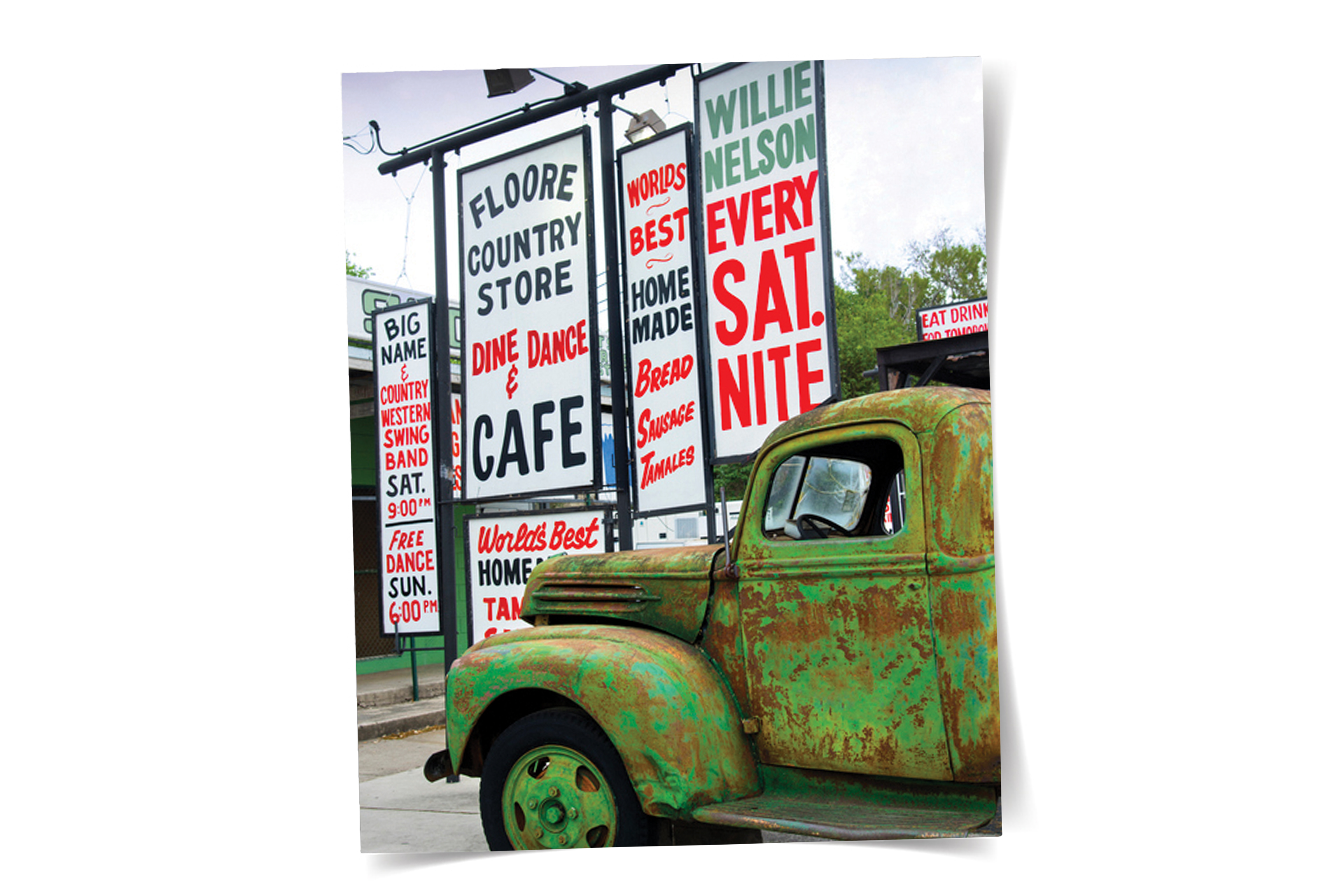
John T. Floore’s Country Store, Helotes
Founded in 1942, Floore’s Country Store has brought a fair share of legends to the stage to play for patrons on their half-acre dance floor. Ernest Tubb, Patsy Cline, Hank Williams, and Bob Dylan all played at this quintessential honky-tonk, but it’s most famously known as the birthplace of Willie Nelson, who immortalized John T. Floore in his song “Shotgun Willie.”
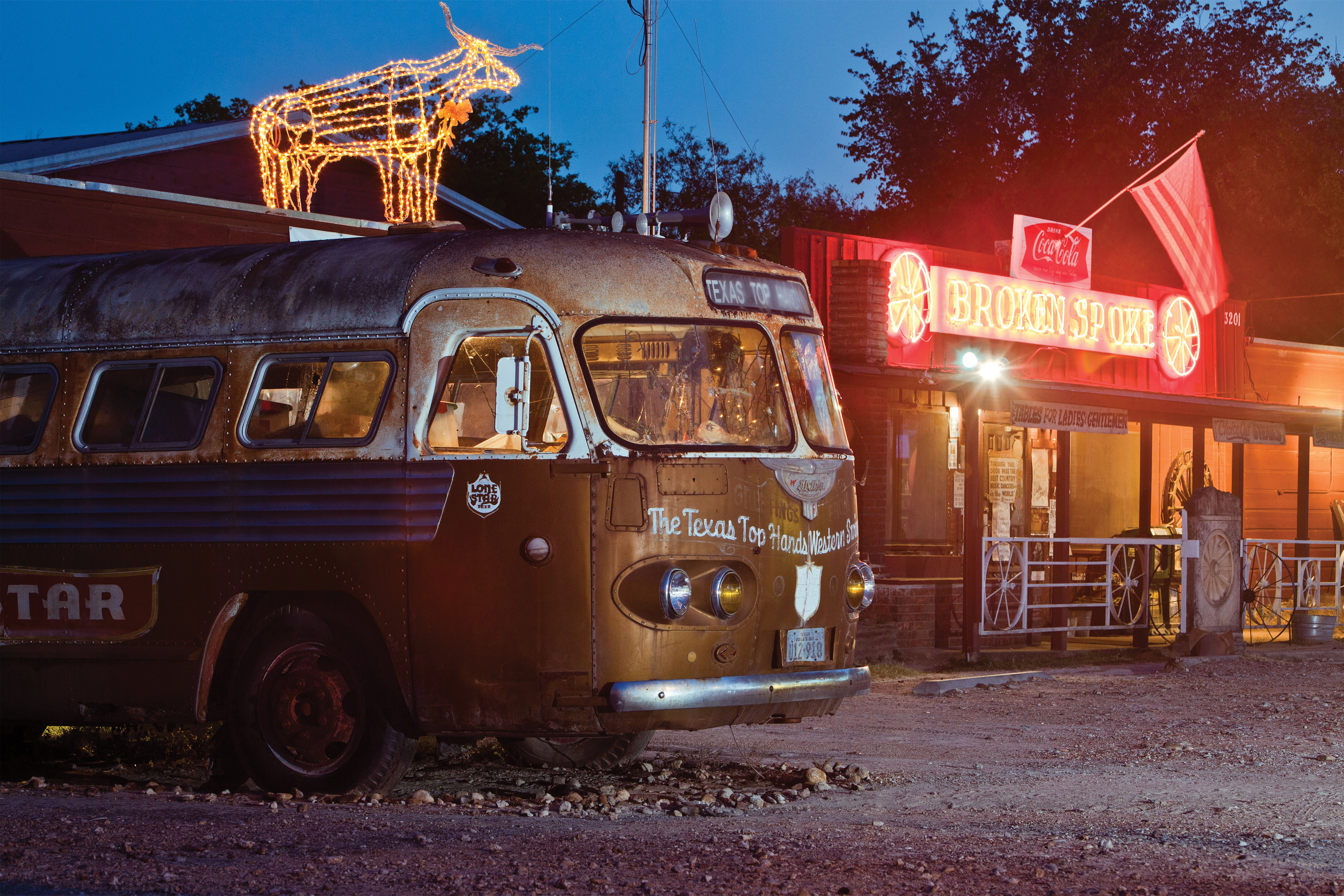
Broken Spoke, Austin
Broken Spoke, founded by James and Annetta White, has held down the fort as Austin’s genuine honky-tonk since 1964. Incredible aspiring acts have graced the stage, from Bob Wills to Ernest Tubb, Tex Ritter, and Willie Nelson “when he still had a crew cut and a sport coat.”
Devil’s Backbone Tavern, Fischer
This honky-tonk sits on one of the most picturesque spots along the fault line separating Edwards Plateau and the lower Gulf Coastal Plains. In the 1890s, the site was a blacksmith and stagecoach stop. Then, a service station and dance hall, where weary travelers could get a tune-up, enjoy refreshments, and watch touring country bands perform. Today, it thrives as a honky-tonk and popular ghost-hunting destination.
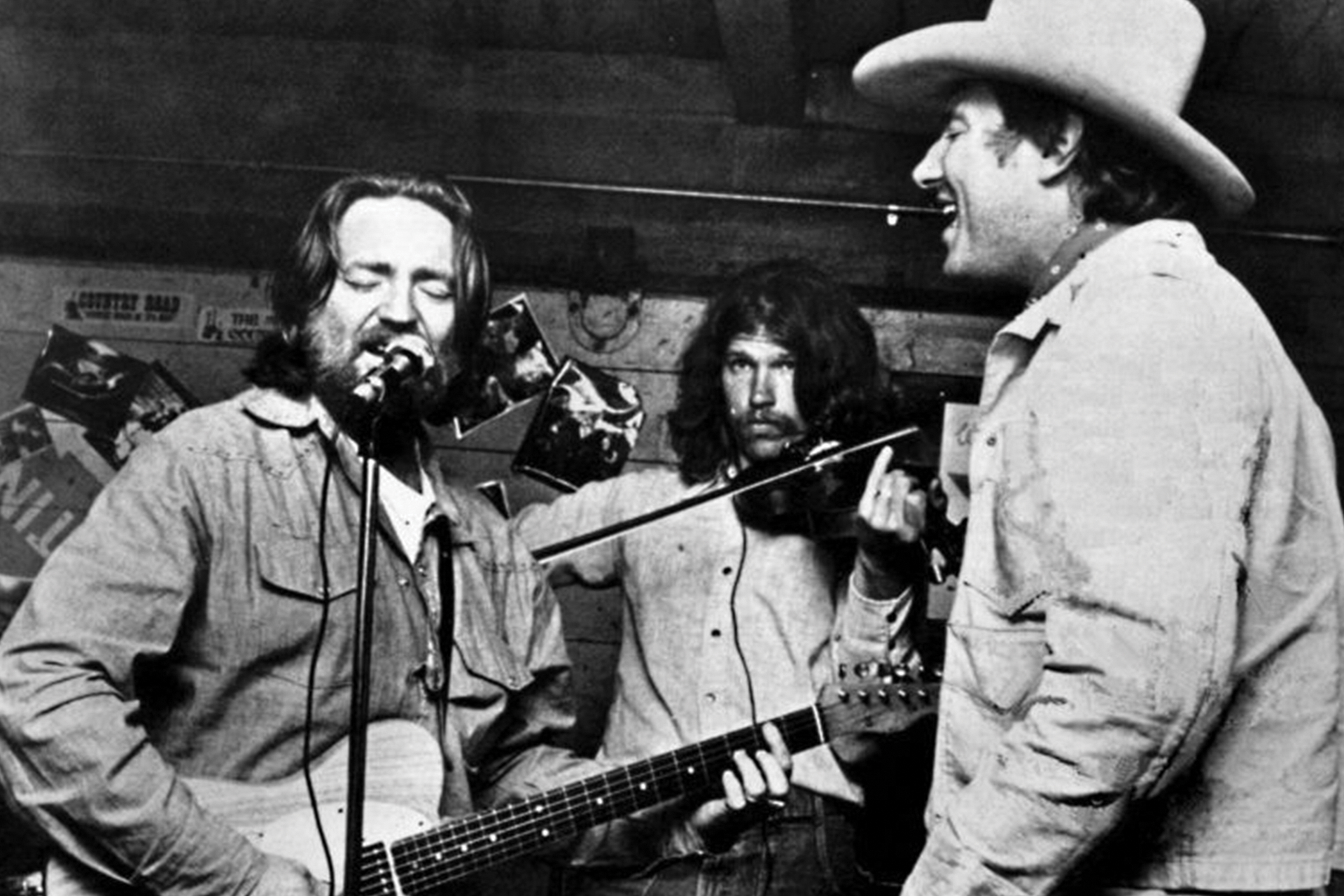
Cheatham Street Warehouse, San Marcos
In 1974, Kent Finlay and Jim Cunningham converted a creaky, old warehouse into an outlaw country incubator. George Strait and Ace in the Hole Band played their first show at Cheatham Street Warehouse. Stevie Ray Vaughan frequently played there early in his career, reportedly to small audiences made up mostly of other guitarists. Aspiring acts are on stage there today, and there is a devoted following for Finlay’s weekly Songwriter Circle.
Up next: The story behind how Texas singer-songwriters Willie Nelson, Waylon Jennings, and Kris Kristofferson created outlaw country.
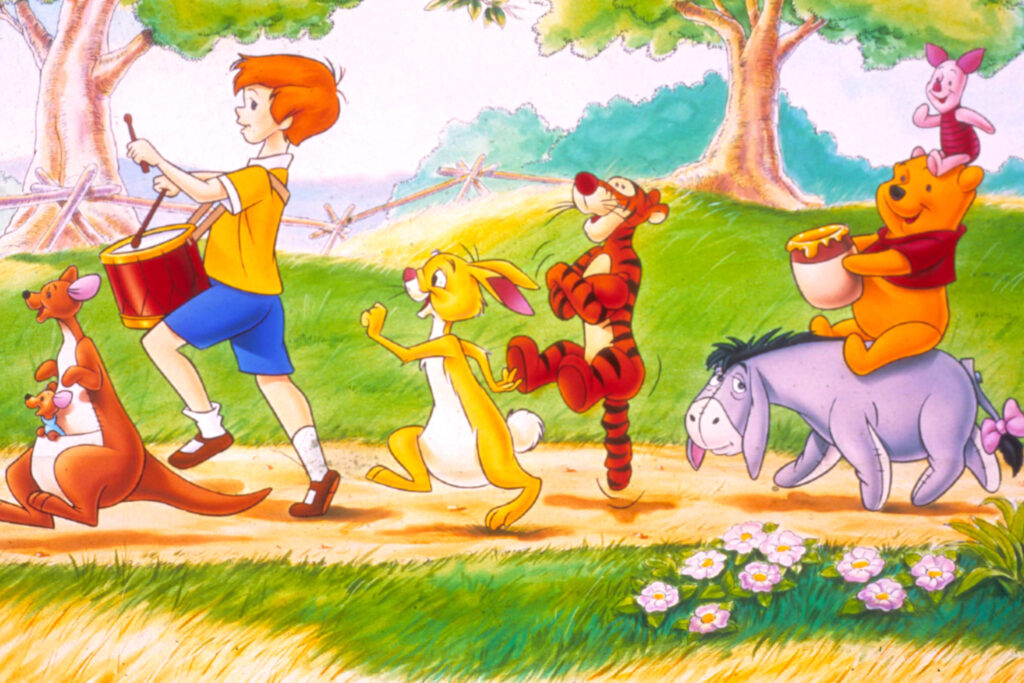
Meet 4 Texas Cartoonists Behind Your Favorite Animations
Some of the most iconic cartoon characters were dreamed up by Texans.
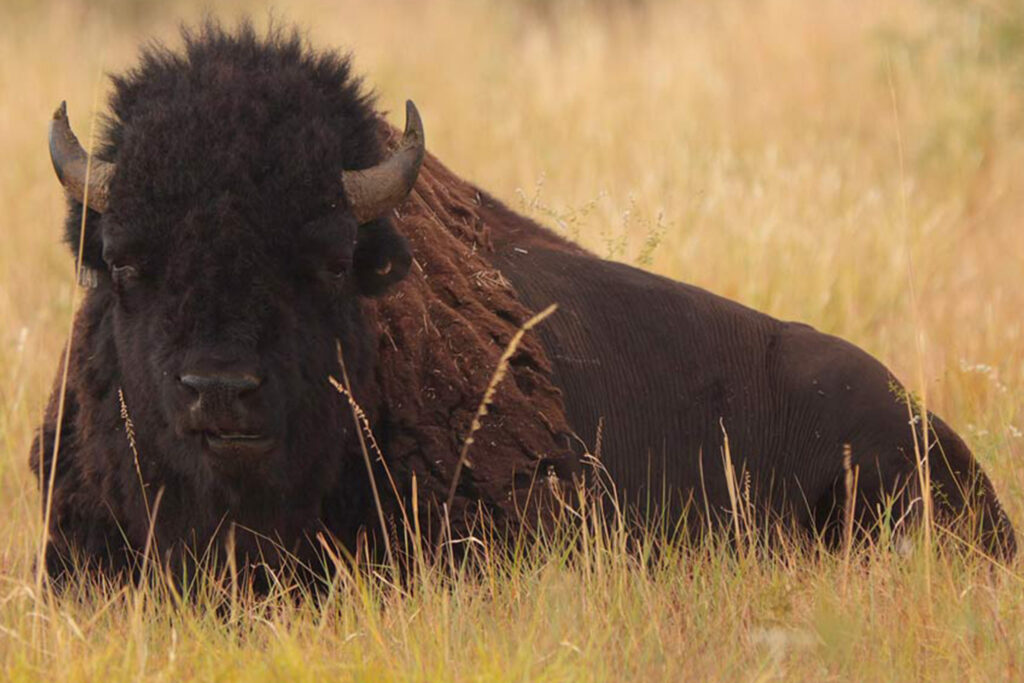
Alone on the Range: The Story of the Bison at Caprock Canyon
The bison of Caprock Canyon play an instrumental role in the conservation of this iconic American species. Today, you can visit the herd where it roams through a majestic stretch of untouched native habitat.
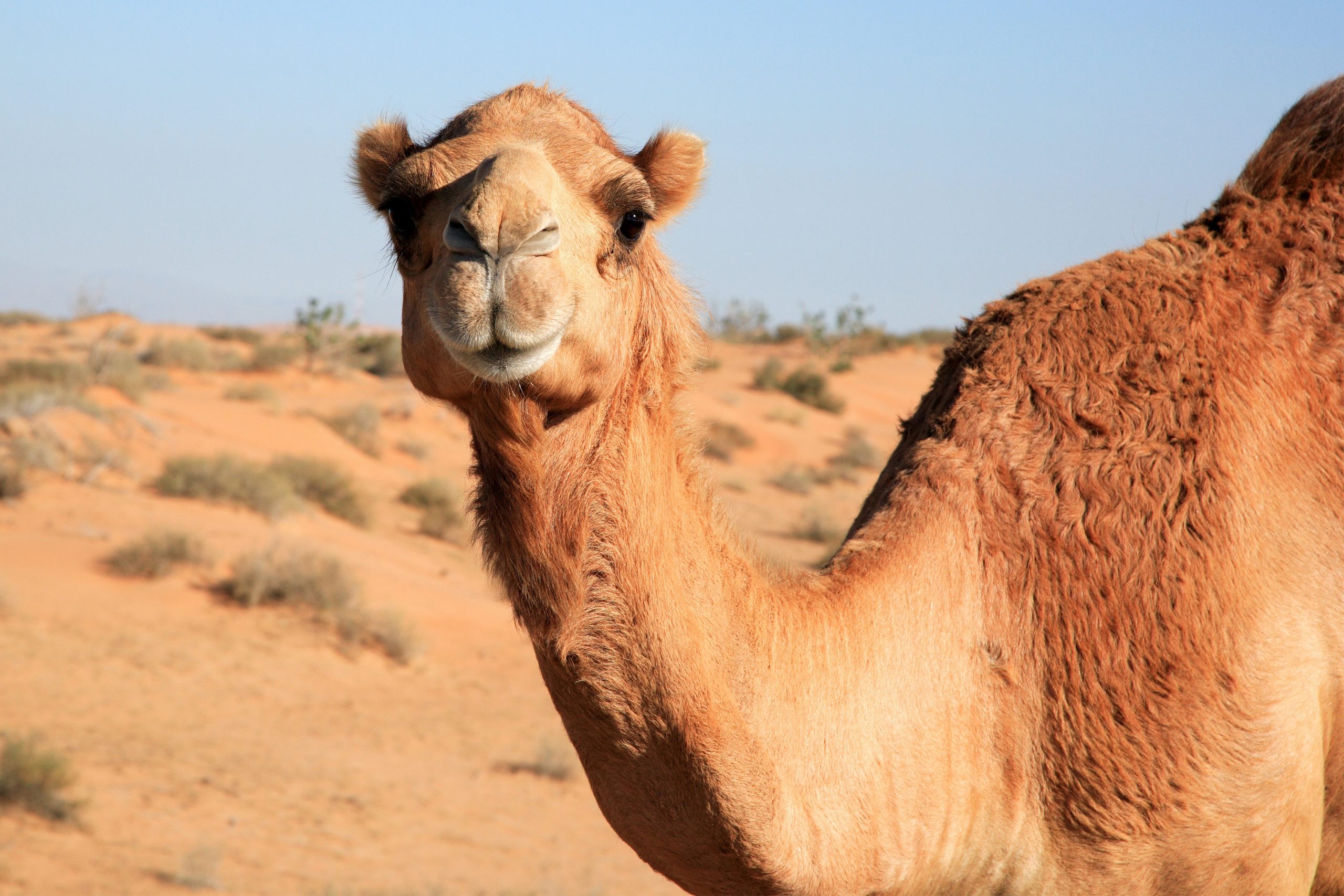
Weird History: The Great Texas Camel Experiment
In the 19th century, when the U.S. Army encountered the challenge of transporting goods across the vast expanse of West Texas, they turned to an unusual ally: camels
Has Taylor Sheridan Revived the Western Genre?
Plus: A look at iconic Texas locations in “Landman” Season Two.
9 Infamous, Spooky Texas Legends
Plus, four stops for a haunted road trip through the Lone Star State.
The History of the Four Sixes Ranch
A look at the real-life Texas ranch seen in “Yellowstone” that’s larger than New York City.