Please sign in as a member or guest below to access it.
Please sign in as a member or guest below to access it.

Insuring your horse could save you thousands of dollars — or even the life of your faithful companion.
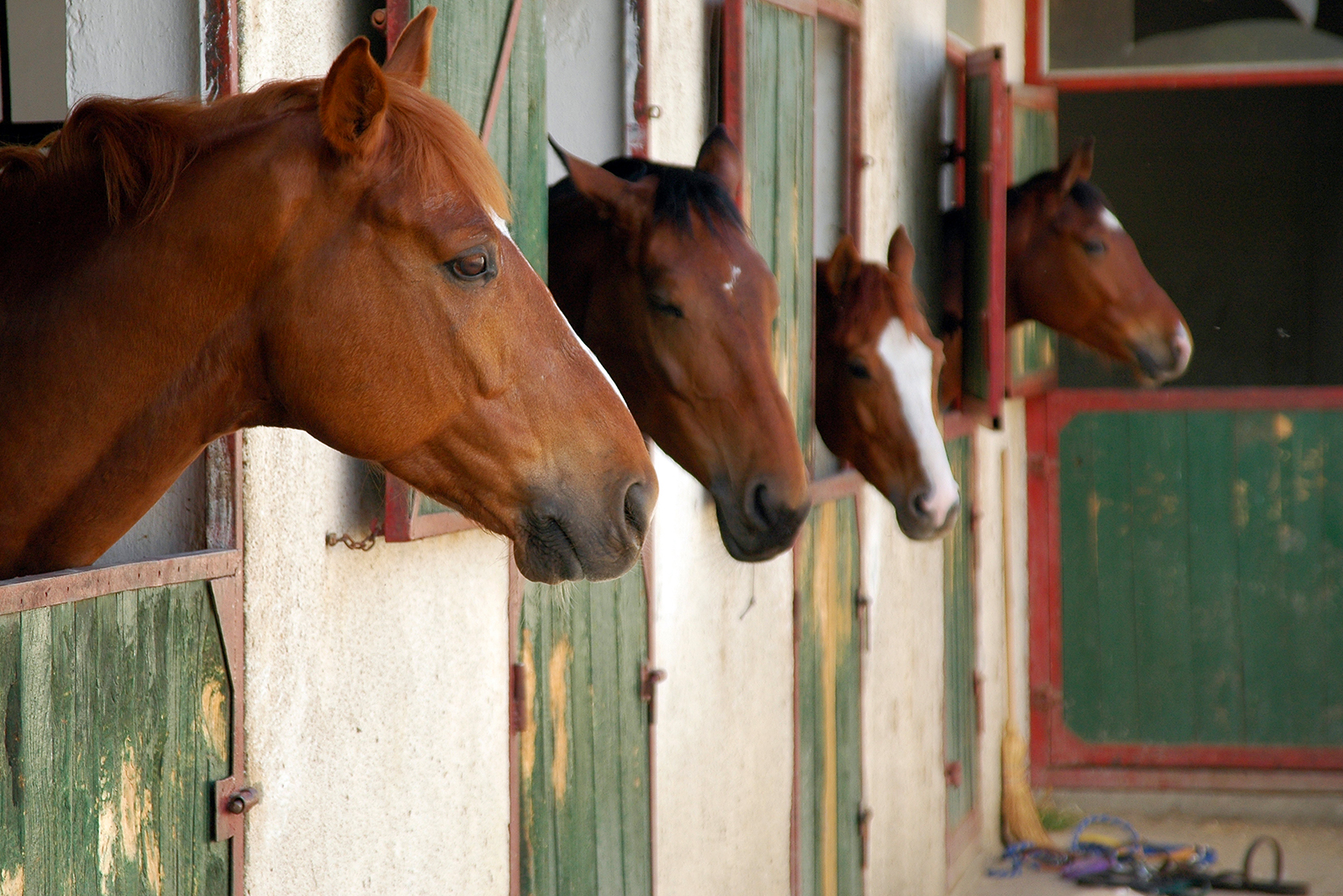
Trot. Pace. Canter. Gallop. The majestic movements of the horse are steeped in our global, national, and statewide history. Texas horse owners appreciate this and put hundreds (if not thousands) of hours of training and care into their equine companions.
It’s a substantial investment and an enormous responsibility —
and luckily, it’s a duty that can be significantly bolstered by proper
insurance coverage.
“Although equine insurance seems like just another bill, it can
save you thousands of dollars — or even the life of your faithful
companion,” says Amy Benedict, a Texas Farm Bureau Insurance Agent from Lubbock.
“With insurance, a life-saving surgery may be an option, but without the help
of insurance, you may have to make more of a monetary decision.”
Here’s what you need to know to insure a horse and get the
coverage and care you need.
While most equine insurance usually covers all or portions of
major surgeries, vet bills, or even mortality, Benedict says horse owners
should look at anything and everything.
“There
can always be exclusions,” Benedict says. “It’s best to know about them before
there is an emergency.”
In addition to horse insurance, you might need to consider coverage for your house and insurance that protects you from saddle and tack theft, barn and fence destruction, and animal collision. Texas Farm Bureau Insurance has an all-inclusive farm and ranch policy to cover owners from such liabilities.
Choose
an insurance provider you trust. “Equine insurance does not have to break the
bank,” Benedict says. “But you need know what you are getting, and, as always,
you get what you pay for.”
You’ll
want to go with a name and face you can rely on. You’re entrusting something so
important to your insurance provider, and they should be able to meet all your
expectations. You’ll also want to make sure they have the all-inclusive
coverage you need.
“You
will need to know some history about your horse, like breeding or prior
injuries,” Benedict says, “and possibly a statement of health from your
veterinarian.”
“How
you use your horse affects the price and the coverage,” Benedict says. “Be
honest on how and what you use your horse for, because the coverage and
exclusions can be different.”
“Educate
yourself as to what your policy covers,” Benedict says. “Or, make sure to ask your
Texas Farm Bureau Insurance Agent, who can always review your coverage with you.”
Call your Texas Farm Bureau Insurance Agent today to talk through how to insure your horse and other important options for caring for the health of your friend.
“Our
horses give us their all every time we ask,” Benedict says. “In a hard-decision
situation, this one should be pretty easy.”
Coverage and discounts are subject to
qualifications and policy terms and may vary by situation. © 2019 Texas Farm
Bureau Insurance
Don’t fumble the right coverage.

What Is Comprehensive Personal Liability Coverage?
Think of it as a buffer between any lingering liabilities and your hard-earned assets.
Why Texans Need Collision Coverage
Collision coverage does more than repair or replace your vehicle. It adds an extra layer of security and peace of mind.

What Texans Need to Know About Deductibles
Higher deductible, lower premium — but is it worth it?

How the Tax Delay Will Affect Your Quarterly Tax Payments
If you’re an independent contractor or small-business owner, here’s what you need to know.
How Insurance Changes With Your Family: A Timeline
As your family grows, so do your insurance needs.